
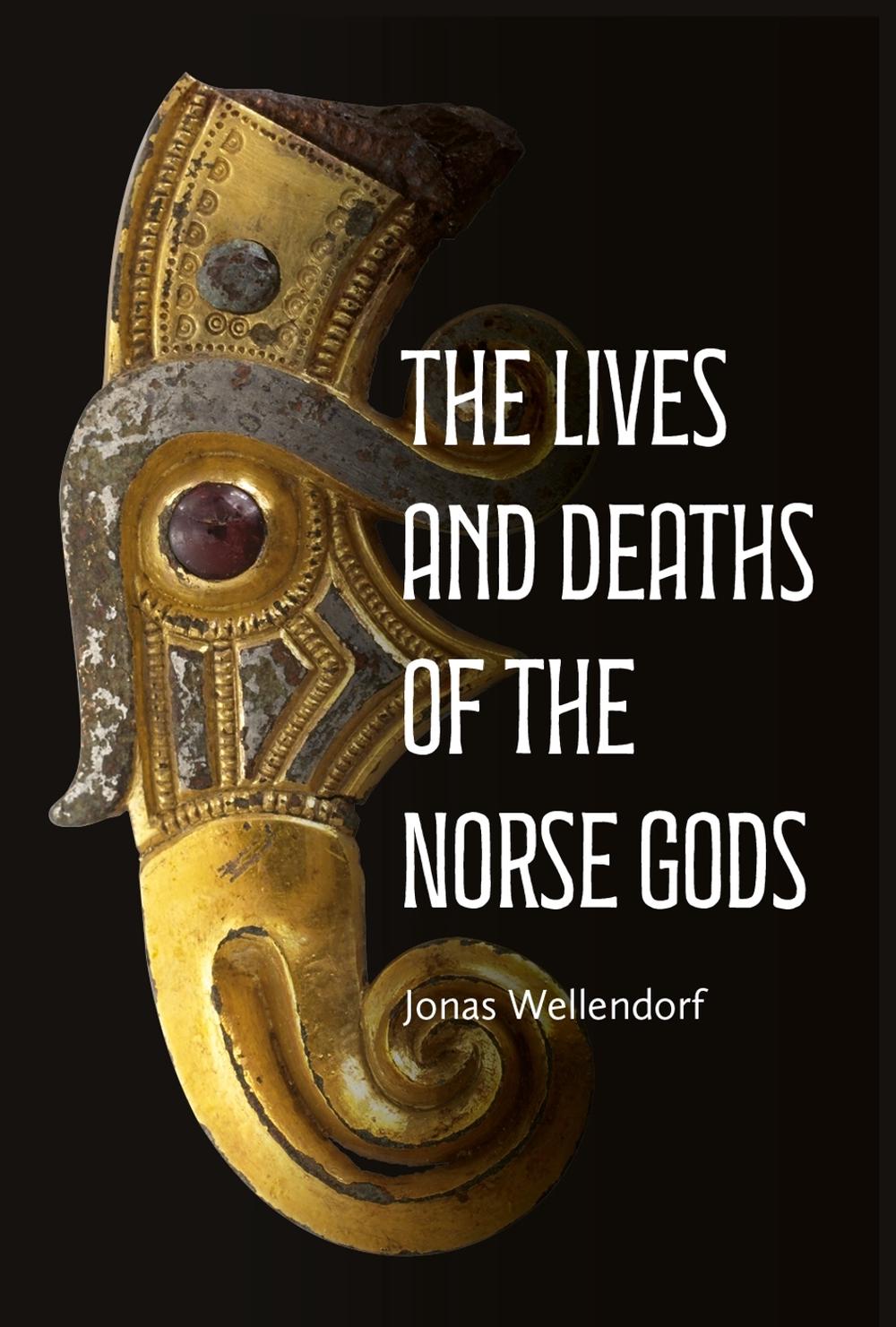
The Lives and Deaths of the Norse Gods
by Professor Jonas Wellendorf, Jonas Wellendorf
A comprehensive study of the mortality of Norse gods, with close readings of the Prose Edda, Poetic Edda and Saxo Grammaticus' Gesta Danorum.
Hardcover
Brand New
Publisher Description
A comprehensive study of the mortality of Norse gods, with close readings of the Prose Edda, Poetic Edda and Saxo Grammaticus' Gesta usually implies immortality. The very phrase "gods and mortals" highlights an ontological gap between two distinct categories of existence: immortal deities and transient humans. This divide, however, does not hold true in the Scandinavian mythological tradition, where the gods themselves are mortal. This mortality is central to myths such as those of Baldr and of Ragnarøk, and affords the Norse gods narrative potential, that is unparalleled in other traditions, such as those inherited from first half of this study explores some salient consequences of this attribute, highlighting the striking anthropomorphism of the gods. The second half takes a more diachronic approach, examining the prehistory of the group of gods who became known as the Æsir and arguing that they developed from non-anthropomorphic divine forces shaped by and mobilized in ideologies of leadership and warfare in pre-Christian Northern Europe. By examining how divine mortality not only drives Norse mythic narratives but also reflects wider patterns of thought and belief, including early medieval theories of rulership and the sacralization of human excellence, this book reconsiders the boundaries between godhood and humanity in pre-Christian Scandinavia and, in doing so, questions what it means to be a god.
Table of Contents
Table of ContentsIllustrationsPrefaceConventionsIntroduction: Gods and MortalsPart I: Among GodsChapter 1: Gods' End: Theomachy in Old Scandinavian LiteratureChapter 2: Baldr and the Grand Narrative Arc of Mythological HistoryChapter 3: Ragnarøk: From Dawn to DuskPart II: AdriftChapter 4: The Anatopism of Myth in Old Norse LiteraturePart III: Among HumansChapter 5: Ansis and Other DemigodsChapter 6: Lords: Human and DivineChapter 7: Gods and Humans in Theophoric KenningsCoda: Playing GodsBibliography
Review
Norse gods are subject to what Wellendorf calls "almost excessive anthropomorphism" - they don't just have lives and deaths, but feelings and failings. The Lives and Deaths of the Norse Gods is a complex, learned account of the origin and development of Old Norse myth - and a sometimes thrillingly speculative exploration of how it came to be so anomalous in the mythic sphere. * TIMES LITERARY SUPPLEMENT *
Details
