|
|
|

|

|

|

|

|

|

|

|
Role of an Alternator
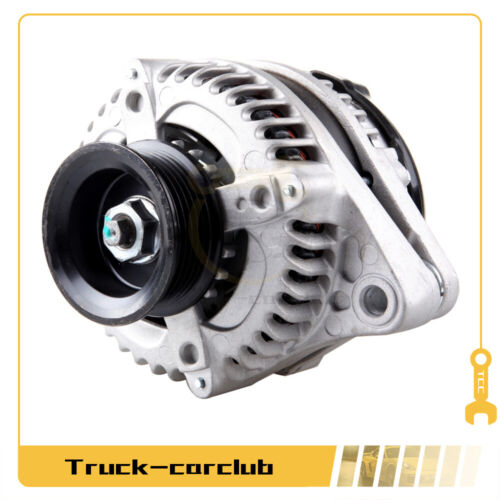
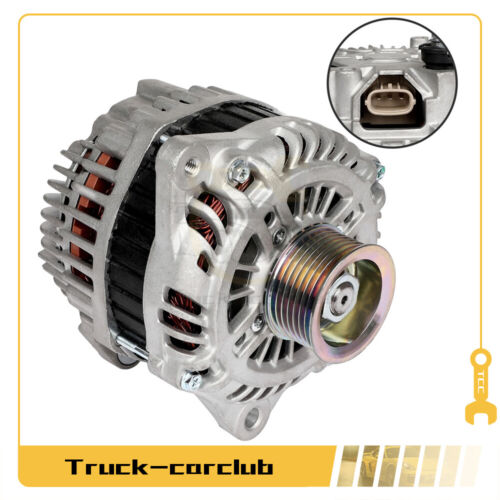
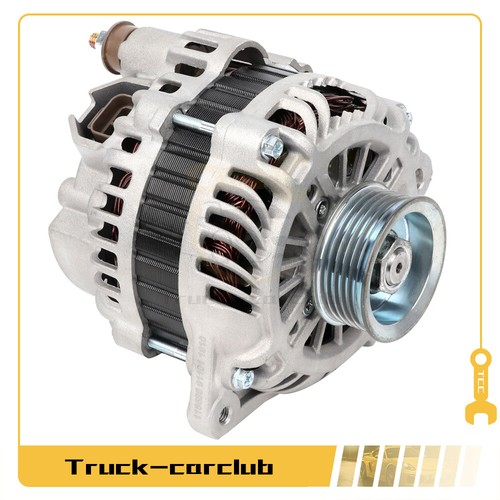
As the engine provides only mechanical energy, it does not generate electricity. So we need a power source which produces electricity to power all the electrical accessories in your car. And that's where the alternator comes in. The vehicle's charging system consists of a car battery, the voltage regulator, and the alternator. Your alternator converts mechanical energy to electrical energy with an alternating current. The stator and rotor inside the alternator work as magnets and rotate to generate the alternating current. Then the alternating current(AC) is transformed into a direct current(DC) that charges the battery. Both overcharging and undercharging your battery can be a serious issue. The voltage regulator sends the power from the alternator to the battery, controls the amount of energy to provide a steady flow of power to the battery.
Feature
- Type: Alternator
- Voltage:12V
- Amperage Rating:160A
- Rotation Direction:CCW
- Fan Type:IF
- Regulator Type:ER
- Pulley Groove Quantity:6
- Pulley Type:Conventional
- Pulley Included:Yes
- Pulley Class:S6
- Belt Type:Serpentine Belt
- Outside Pulley Diameter (mm):53
- Plug Clock:10
- Warranty: One Year
- Fitment Type: Direct Replacement
Signs of a worn alternator
Alternators usually do not require much attention unless they are worn out. Most of them last between 7 to 10 years in optimum conditions. However, there are several ways to tell if your alternator is exhausted.
- Battery needing a constant boost.If you constantly need to boost your battery, it could be the sign of your alternator needing replacement as it fails to recharge the battery.
- Difficult to Start.If your car stalls, there can be various causes, but a bad alternator could be one of them. If your vehicle can't get the electricity from your alternator, it cannot run so it stalls.
- Dim lights.The most common cause of dim lights from your dashboard is due to a faulty alternator.
- Delaying Electrical Accessories.If your electrical accessories are moving slower, then it can be a sign that your alternator is bad.
Part Number
- 11584N, 11584, 421000-0810, 68078950AA, 68078950AB, 90-29-5783
Fit for
- Jeep Wrangler 2012-2018 V6 3.6L
- Jeep Wrangler JK 2018 V6 3.6L
How to Replace the Alternator
Disconnect the battery. Find the right socket to loosen the bolt that keeps the cable on the negative terminal tight. It’s the terminal of the battery with a visible (-) sign. Once it’s loose, slide the cable off the terminal to disconnect the battery. Never work in the engine bay of a vehicle without first disconnecting the battery for safety.
Remove the main power cable from the alternator. The main power cable will be the thick cable attached to the alternator that runs from the battery. Depending on how much space you have in your specific vehicle, you may be able to use a ratchet, but in some, you may only be able to fit an open-ended wrench. Unscrew the bolt holding it in place and pull it from where it’s connected.
Release the safety clip connecting the wiring harness. The only other wiring heading into the alternator is the control harness. Use your finger or a flat head screwdriver to release the clip holding the harness together, then slide it apart.
Relieve tension on the belt with the auto-tensioner (if equipped). Some vehicles use the alternator itself to apply tension to the serpentine or accessory belt, but others use an auto tensioner pulley. Insert the square drive from a breaker bar into the hole in the auto-tensioner pulley and apply pressure in a clockwise direction to relieve tension on the belt.
Loosen the bolts on the alternator if there is no auto-tensioner. In cars without an auto-tensioner pulley, you can relieve the tension on the belt simply by loosening the two bolts that secure the alternator to the engine. These will often require a 14mm or 1⁄2 inch (1.3 cm) socket, though you may need to try others.
Inspect the serpentine belt for damage. Look for signs of glossing or glazing (shinier portions) on the edges and underside of the belt. Inspect both the top and underside for signs of cracking as well.If you find any of those issues, you’ll need to replace it.
Remove the alternator from the engine bay. With the belt pulled off of the alternator pulley and the wires disconnected, the alternator should come out freely.
Compare the new alternator to the old one. Before installing the new alternator, set it down on a table next to the old one you just removed. Make sure the mounting holes and wire connectors are in the same place and that the two parts are the same size.
Slide the new alternator into place. You might have to wiggle the alternator around to squeeze it back into place in a crowded engine bay. Be sure to hold loose wires or the serpentine belt out of the way as you get it into place.
Insert the mounting bolts. Slide the mounting bolts through the alternator and into the mounting bracket. Tighten them by hand until they’re snug. In cars with an auto-tensioner pulley, you can completely tighten the bolts at this point, otherwise keep the bolts loose.
Run the belt over the new alternator pulley. Either install the new belt or run the old belt back through all of the appropriate pulleys. If you aren’t sure how to properly route the belt, look for a diagram on the body of the car inside the engine bay to guide you. The belt will need to go around any accessories it is supposed to power in your specific vehicle.
Tighten the bolts and the belt. With tension on the belt applied via the alternator and pry bar, use the appropriate socket and a ratchet to tighten the two mounting bolts up the rest of the way. This will allow the alternator to keep the tension on the belt.
Connect the power cable and monitor harness. Reconnect the wire harness and insert the bolt that secures the main power cable to the alternator in the same order you removed them. They should install exactly as they were in the old alternator.
Reconnect the battery. With the new alternator in place, all you have left to do is reconnect the negative lead to the battery. Make sure you tighten it firmly so it can’t shake loose while driving.
| Item Specifics | |
|---|---|
| Brand | TCC |
| Type | Alternator |
| Condition | New |
| Manufacturer Warranty | 1 Year |
| Manufacturer Part Number | T13551801CC |
| OE/OEM Part Number | 11584 |
| Superseded Part Number | 11584N,421000-0810,68078950AA,68078950AB,90-29-5783 |
| Amperage | 160A |
| Voltage | 12V |
| Features | Counterclockwise Rotation;Pulley Included |
| Regulator/Fan Type | ER/IF |
| Pulley | 6-Groove Pulley |
| Belt Type | Serpentine Belt |
| Outside Pulley Diameter (mm) | 53 |
| Plug Clock | 10 |
| Performance Part | No |
| Country/Region of Manufacture | Unknown |
| Universal Fitment | No |
| Vintage Car Part | No |
| California Prop 65 Warning | Yes |
| Mileage | More Than 100,000 miles |
1.We have multiple payment methods
* We only warranty cost of parts. Any installation or other fees are non-refundable.
We treat each buyer with a sincere heart, I believe our sincere service , excellent quality of goods will win your trust and support, you may contact us via message and we will reply to you within 24 hours from Monday to Saturday.(Excluding local holidays)
Shop Category Hot Item
New List Item
Help & Info Payment Policy Shipping Policy Return Policy FAQ About Us |
Alternator Fit for Jeep Wrangler JK 2018 V6 3.6L 160A 12V CCW 68078950AB
Role of an Alternator As the engine provides only mechanical energy, it does not generate electricity. So we need a power source which produces electricity to power all the electrical accessories in your car. And that's where the alternator comes in. The vehicle's charging system consists of a car battery, the voltage regulator, and the alternator. Your alternator converts mechanical energy to electrical energy with an alternating current. The stator and rotor inside the alternator work as magnets and rotate to generate the alternating current. Then the alternating current(AC) is transformed into a direct current(DC) that charges the battery. Both overcharging and undercharging your battery can be a serious issue. The voltage regulator sends the power from the alternator to the battery, controls the amount of energy to provide a steady flow of power to the battery.
Feature
Signs of a worn alternator Alternators usually do not require much attention unless they are worn out. Most of them last between 7 to 10 years in optimum conditions. However, there are several ways to tell if your alternator is exhausted.
Part Number
Fit for
How to Replace the Alternator Disconnect the battery. Find the right socket to loosen the bolt that keeps the cable on the negative terminal tight. It’s the terminal of the battery with a visible (-) sign. Once it’s loose, slide the cable off the terminal to disconnect the battery. Never work in the engine bay of a vehicle without first disconnecting the battery for safety. Remove the main power cable from the alternator. The main power cable will be the thick cable attached to the alternator that runs from the battery. Depending on how much space you have in your specific vehicle, you may be able to use a ratchet, but in some, you may only be able to fit an open-ended wrench. Unscrew the bolt holding it in place and pull it from where it’s connected. Release the safety clip connecting the wiring harness. The only other wiring heading into the alternator is the control harness. Use your finger or a flat head screwdriver to release the clip holding the harness together, then slide it apart. Relieve tension on the belt with the auto-tensioner (if equipped). Some vehicles use the alternator itself to apply tension to the serpentine or accessory belt, but others use an auto tensioner pulley. Insert the square drive from a breaker bar into the hole in the auto-tensioner pulley and apply pressure in a clockwise direction to relieve tension on the belt. Loosen the bolts on the alternator if there is no auto-tensioner. In cars without an auto-tensioner pulley, you can relieve the tension on the belt simply by loosening the two bolts that secure the alternator to the engine. These will often require a 14mm or 1⁄2 inch (1.3 cm) socket, though you may need to try others. Inspect the serpentine belt for damage. Look for signs of glossing or glazing (shinier portions) on the edges and underside of the belt. Inspect both the top and underside for signs of cracking as well.If you find any of those issues, you’ll need to replace it. Remove the alternator from the engine bay. With the belt pulled off of the alternator pulley and the wires disconnected, the alternator should come out freely. Compare the new alternator to the old one. Before installing the new alternator, set it down on a table next to the old one you just removed. Make sure the mounting holes and wire connectors are in the same place and that the two parts are the same size. Slide the new alternator into place. You might have to wiggle the alternator around to squeeze it back into place in a crowded engine bay. Be sure to hold loose wires or the serpentine belt out of the way as you get it into place. Insert the mounting bolts. Slide the mounting bolts through the alternator and into the mounting bracket. Tighten them by hand until they’re snug. In cars with an auto-tensioner pulley, you can completely tighten the bolts at this point, otherwise keep the bolts loose. Run the belt over the new alternator pulley. Either install the new belt or run the old belt back through all of the appropriate pulleys. If you aren’t sure how to properly route the belt, look for a diagram on the body of the car inside the engine bay to guide you. The belt will need to go around any accessories it is supposed to power in your specific vehicle. Tighten the bolts and the belt. With tension on the belt applied via the alternator and pry bar, use the appropriate socket and a ratchet to tighten the two mounting bolts up the rest of the way. This will allow the alternator to keep the tension on the belt. Connect the power cable and monitor harness. Reconnect the wire harness and insert the bolt that secures the main power cable to the alternator in the same order you removed them. They should install exactly as they were in the old alternator. Reconnect the battery. With the new alternator in place, all you have left to do is reconnect the negative lead to the battery. Make sure you tighten it firmly so it can’t shake loose while driving. Payment
1.We have multiple payment methods Shipping
1. Orders processed within 24 hours of payment verification.
2. If you have not received your shipment within 15 days from payment , please contact us. We will track the shipment and get back to you as soon as possible with a reply. Our goal is customer satisfaction!
Returns
* We only warranty cost of parts. Any installation or other fees are non-refundable. Contact Us
We treat each buyer with a sincere heart, I believe our sincere service , excellent quality of goods will win your trust and support, you may contact us via message and we will reply to you within 24 hours from Monday to Saturday.(Excluding local holidays) All rights reserved. |