Type 1: 0.96 inch OLED small screen size 128*64(supports 7 types standard protocols)
Type 2: 0.96-inch OLED small screen size only supports J1939
Type 3: 2.4-inch TFT multi-screen size 320*240(supports 7 types standard protocols)
Type 4: 2.4-inch TFT multi-screen (only supports J1939)
Type 5: 2.4-inch TFT multi-screen (automatic jump and change, supports 7 types standard protocols)
Type 6: 2.4-inch TFT multi-screen (only supports jump and change J1939)
Description:
vehicle OBD simulator is a simulator device that simulates vehicle OBD bus protocol. With dynamic simulation, real-time LCD display of the main parameters of the function, very convenient and practical!
supports the simulation of various protocol interface standards, which can be switched flexibly between various protocols by dialing the code switch
provides more than 150 real-time simulation data, close to the real car environment, can let you save fuel and car
supports frame number modification and saving, as well as simulation of three fault codes
provides 220V to 12V power adapter, so that the simulated environment can more realistically approximate the real car environment
standard package --(1 OBD simulator +1 12V power adapter +1 debugging serial cable +1 12V car charger cable)
More than 7> configuration specifications at your choice
Main features:
board carries LQFP48 STM32F103CBT6 chip (Flash:128KB,RAM:20KB), rich interface, powerful function, fast running speed
board carries the standard 16pin OBD connector
board is equipped with a 6 way adjustable mobile potentiometer, which can dynamically adjust various parameters -- supporting page turning of analog parameters, 6 inputs corresponding to 6 parameters of the current interface
board with 320*240 LCD screen display, convenient for real-time data display
board is equipped with a 7-bit dial-code switch to facilitate switching between various protocols
board is equipped with 3 LED indicator lights and 1 self-locking switch input to facilitate the simulation and prompt of various fault codes
board contains the output of the buzzer for convenient prompt sound
board contains three user-defined keys - left and right keys for page turning - and the middle keys are temporarily disabled for future ignition/flame-out simulations
OBD emulators support the following seven protocols...
1 > ISO14230 addr - 4 K
2 > ISO14230-4 K hl
3 > ISO9141 addr - 2 K
4 > CAN ISO15765 - STD - 500 k
5 > ISO15765-4 ext - 500 k CAN
6 > CAN ISO15765 - STD - 250 k
7 > ISO15765-4 ext - 250 k CAN
Our OBD simulator is a passive unit that simulates OBD data in a car. It needs to issue a command before it returns all kinds of parameter data. If you want to buy data that is used to simulate your car, you should first understand the OBD protocol format of your car before you decide!!
If the OBD protocol of your car happens to be supported by our OBD simulator, you can buy it. If you buy it, you can simulate it and you can use it. Please keep this in mind!!
4. Hardware resources of on-board OBD simulator
1>OBD simulator
1 >12V power adapter
3> based on PL2303HX chip serial debugging line 1
5. On-board OBD simulator software data
1. Rar -- including serial port operation instruction manual and on-board PID definition instruction manual
2. Device data used in vehicle OBD simulator. Rar
3. On-board OBD simulator demonstration software package. Rar
4. PL2303HX serial port chip driver on vehicle OBD simulator. Rar
5. Various OBD protocols for vehicle OBD simulator. Rar
General characteristics
1> general diagram
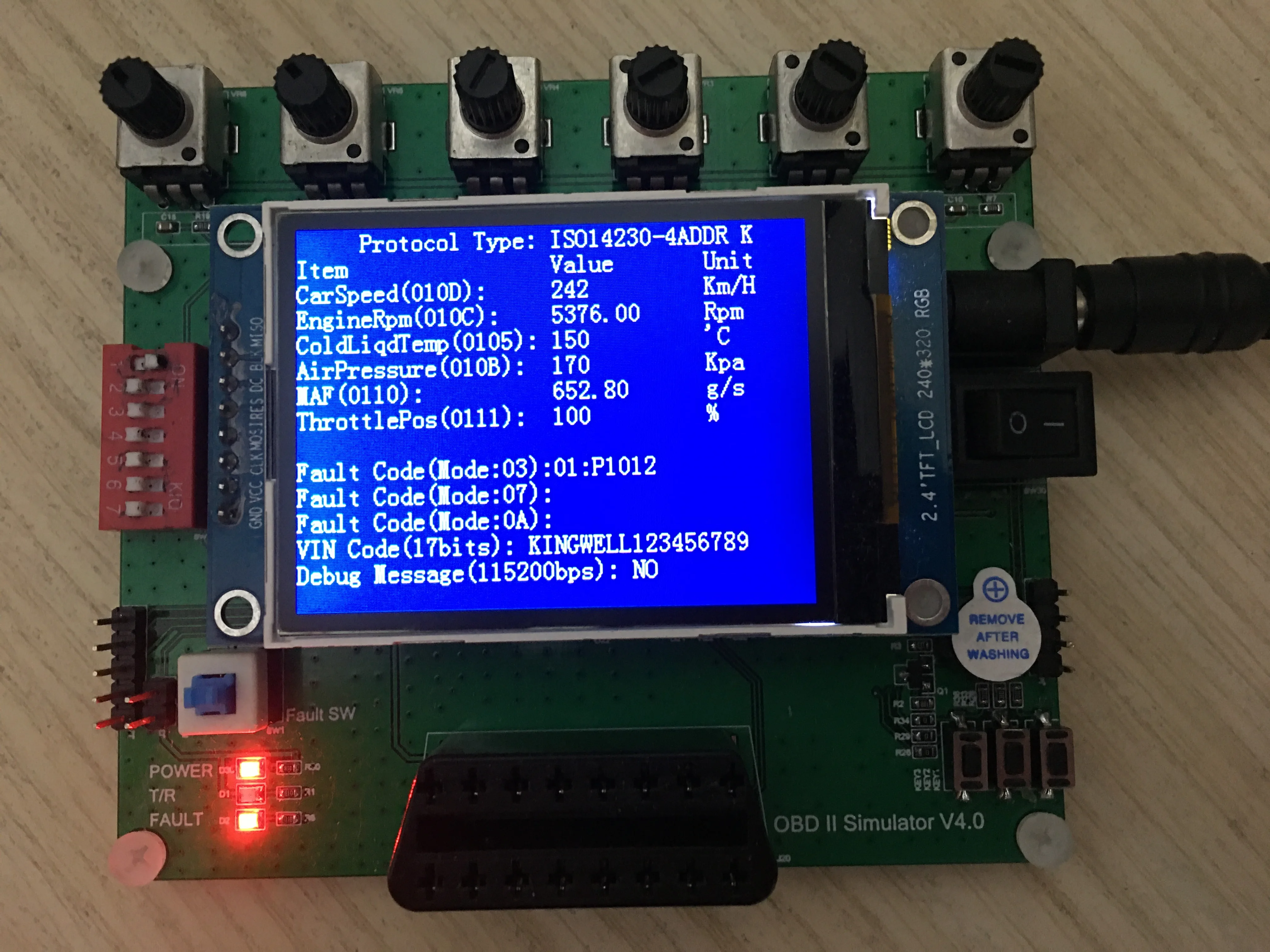
2>ELM327 usage
(1) Normal condition of the first protocol connection. BMP
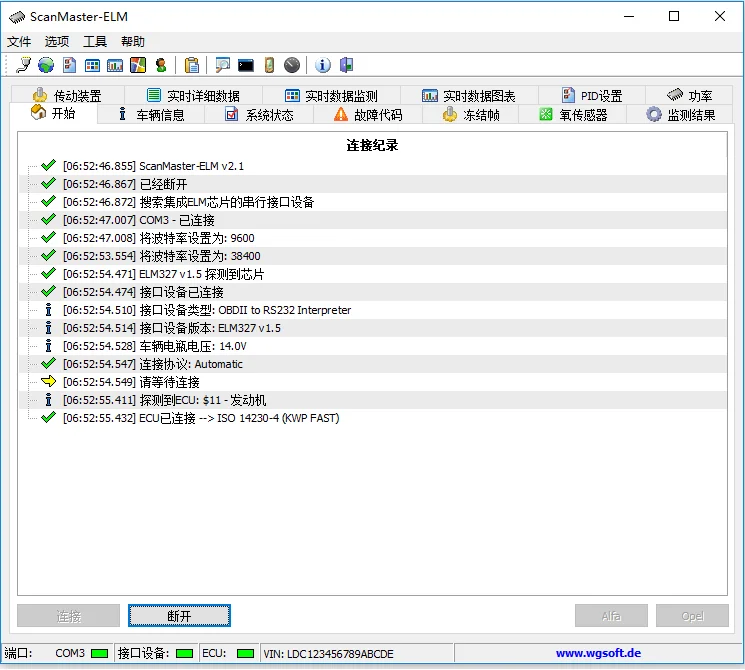
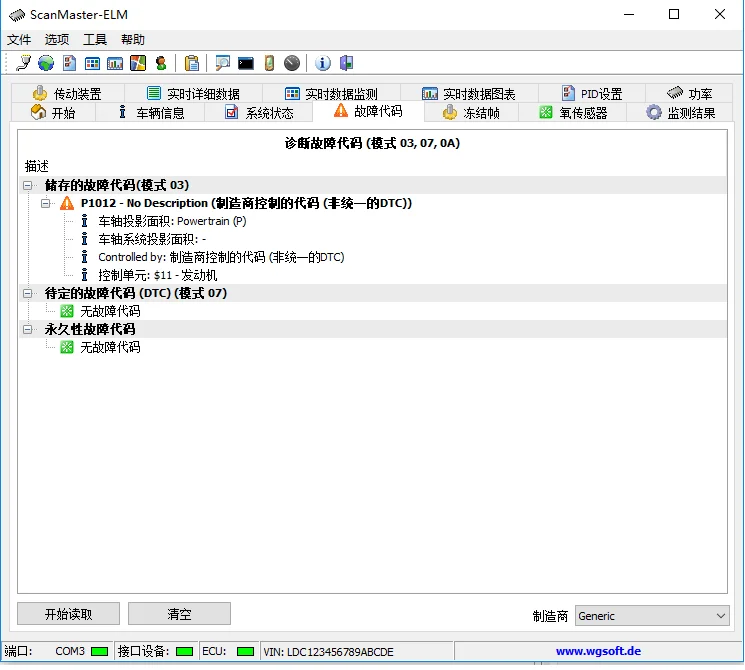
(2) Normal condition of the first protocol connection _ fault code. BMP
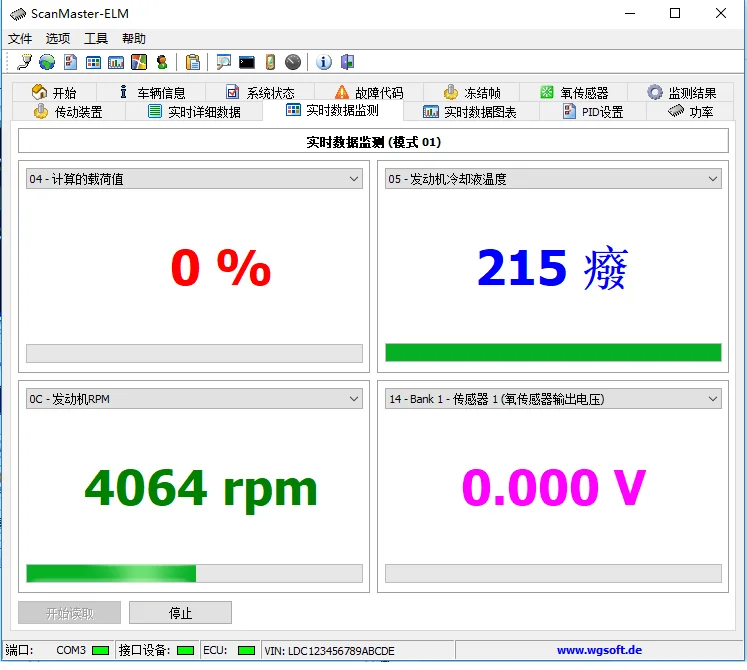
(3) Normal condition of the first protocol connection _ real-time data monitoring. BMP
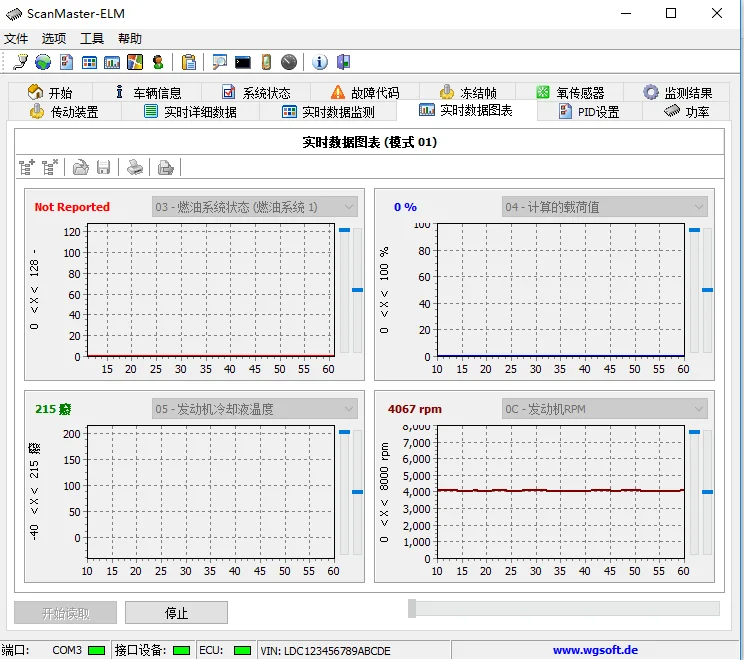
(4) Normal connection of the first protocol _ real-time data graph.BMP
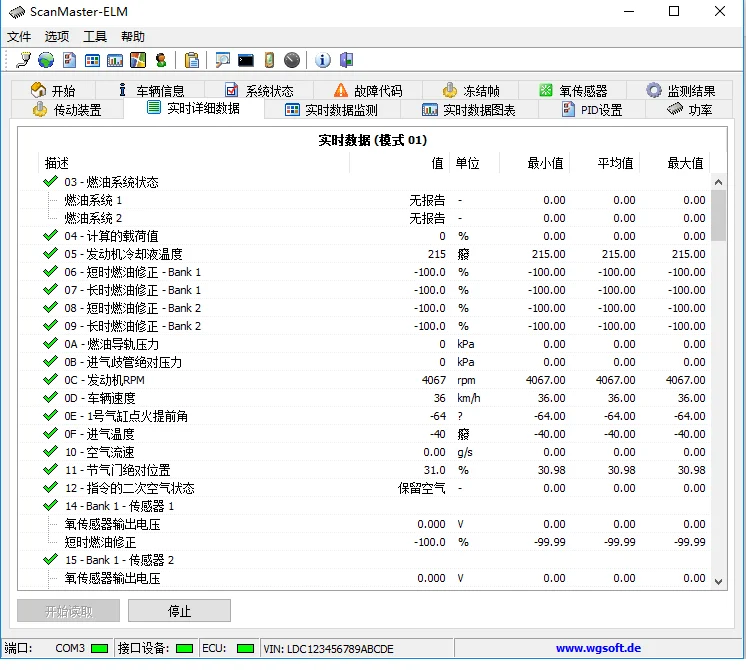
(5) Normal connection of the first protocol _ real-time detailed data. BMP
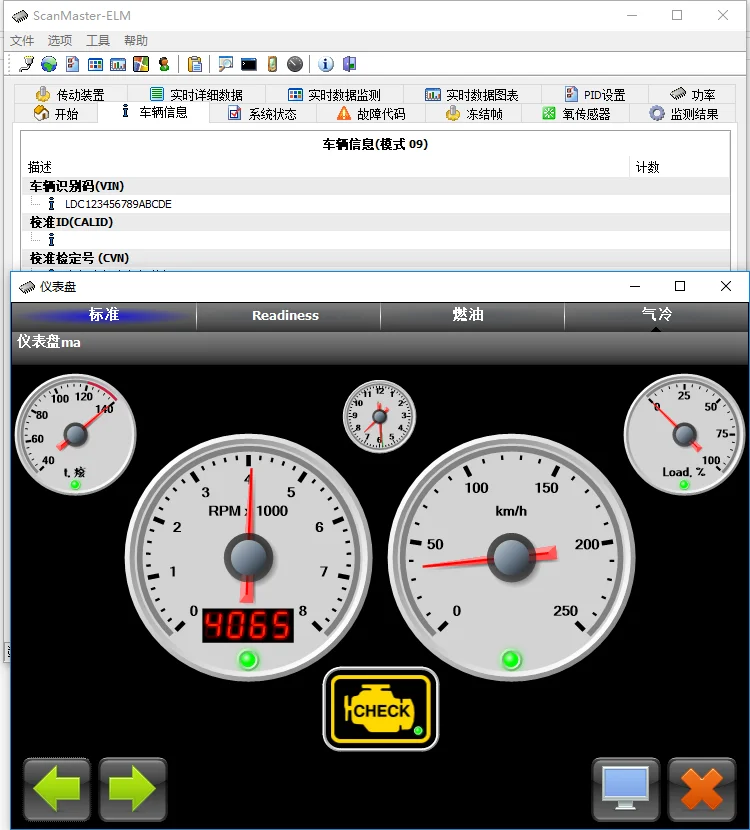
(6) Normal connection of the first protocol _ dashboard. BMP
Finally, the SAEJ1939 protocol simulator is attached to read the front axle speed diagram
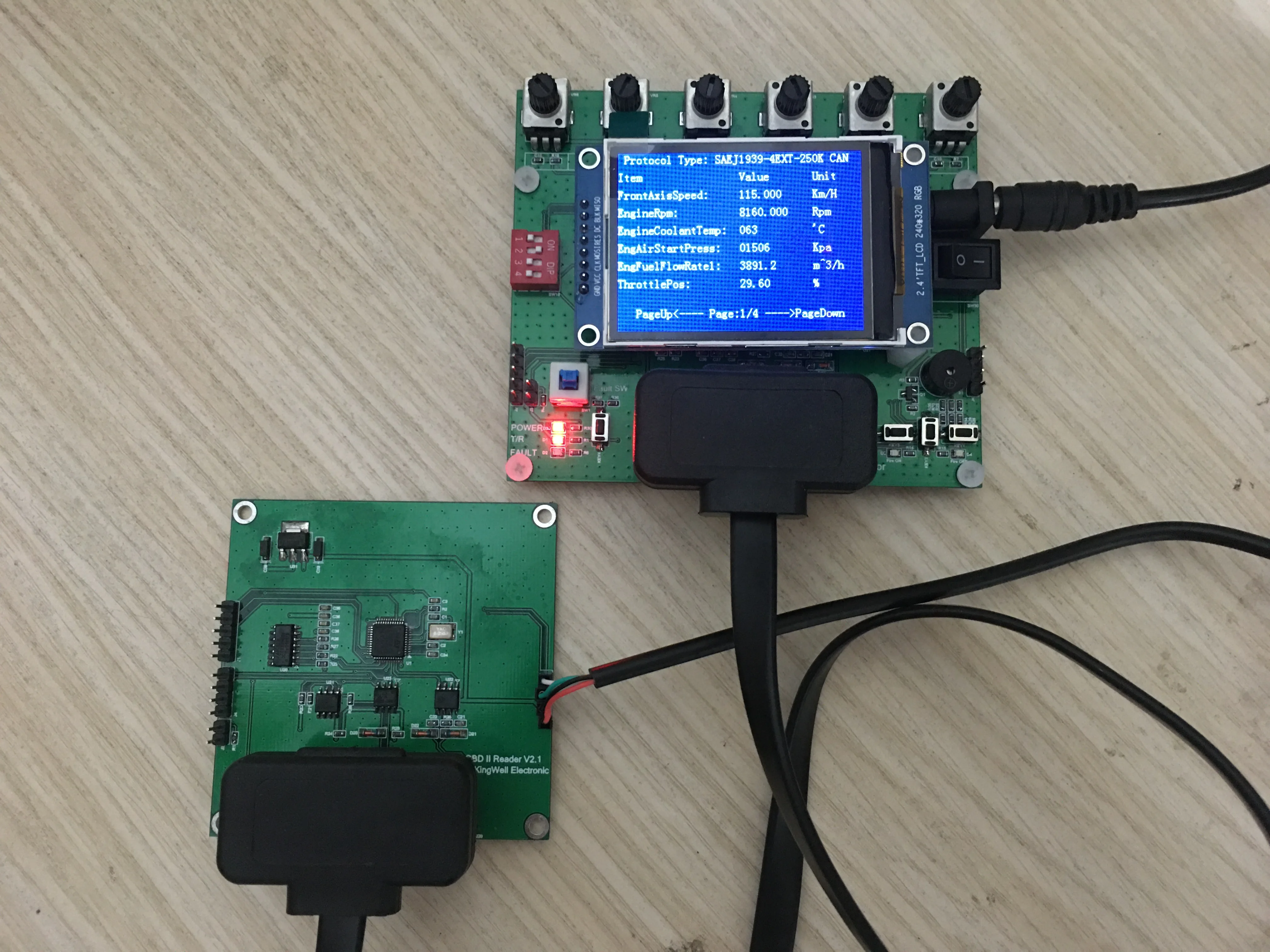
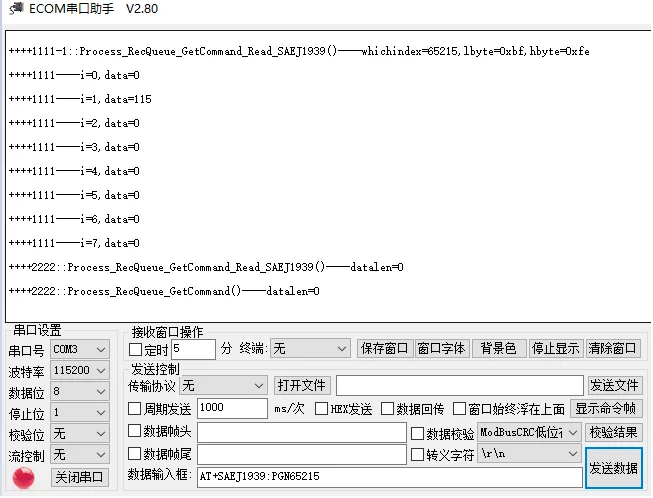
Through the serial command to read the value of 115, the front axle speed calculation formula we are clear, so show that read is right!!
The speed is the 0th and 1st byte; Namely: speed =(data[1]<<8+data[0])/256