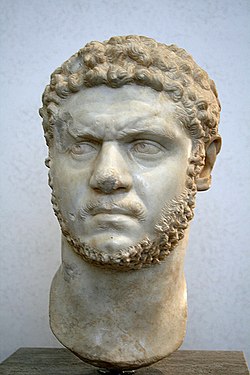
CARACALLA
Syria, Laodicea • AD 215–217
Billon tetradrachm from Laodicea in Syria, struck under the Roman emperor Caracalla late in his reign.
Coin Details
| Region: | Syria |
| City / Mint: | Laodicea |
| Emperor: | Caracalla, as Augustus |
| Date: | AD 215–217 |
| Denomination: | BI Tetradrachm |
| Diameter: | 26 mm |
| Weight: | 11.92 grams |
| Die Axis: | 1h |
| Certification: | NGC Choice VF, Strike 4/5, Surface 4/5 |
| Reference: | Prieur 1179 |
Design
Obverse: Laureate head of Caracalla facing right. The portrait shows the intense, mature imperial style associated with Caracalla’s later reign.
Reverse: Eagle standing facing, with head and tail turned left, wings spread, and wreath held in its beak. A star appears between the eagle’s legs, a key feature of this Laodicea tetradrachm type.
Historical Background
Caracalla was born Lucius Septimius Bassianus in Lugdunum in AD 188, the son of Septimius Severus and Julia Domna. He was later renamed Marcus Aurelius Antoninus to connect the Severan dynasty with the prestigious Antonine line, but history remembers him by the nickname Caracalla, after a hooded cloak associated with him.
He was elevated to Augustus at a young age and ruled alongside his father before briefly sharing power with his brother Geta after Septimius Severus died. The rivalry ended violently when Geta was murdered, leaving Caracalla as sole emperor.
Caracalla’s reign is remembered for major imperial changes, including the Antonine Constitution, which extended Roman citizenship to nearly all free inhabitants of the empire, and for the great Baths of Caracalla in Rome. His final years were spent in the East, where he launched a campaign against Parthia before being assassinated in AD 217.
This Laodicea tetradrachm was struck during those final years, making it a compelling piece from the eastern Roman provinces and from the closing chapter of Caracalla’s dramatic reign.
Historical Context Images
Images below are included for historical context only. The coin being sold is the exact coin shown in the listing photos.

Young Caracalla
|

Baths of Caracalla
|
Caracalla, Syria, Laodicea, Laodicea ad Mare, BI tetradrachm, billon tetradrachm, NGC Choice VF, eagle reverse, star between legs, Roman Provincial coin, ancient Roman coin, Severan dynasty, Septimius Severus, Julia Domna, Prieur 1179, eastern Roman provinces, ancient numismatics.