The difference between B205mini and TinyB210:
1. B205mini is a single receiver and single transmitter (1R1T), while TinyB210 is a dual receiver and dual transmitter (2R2T).
2. The B205mini transmitter is equipped with a power amplifier (PA), while this TinyB210 does not include an RF amplifier (the advantage is that the bottom noise is very low and the channel isolation is high).
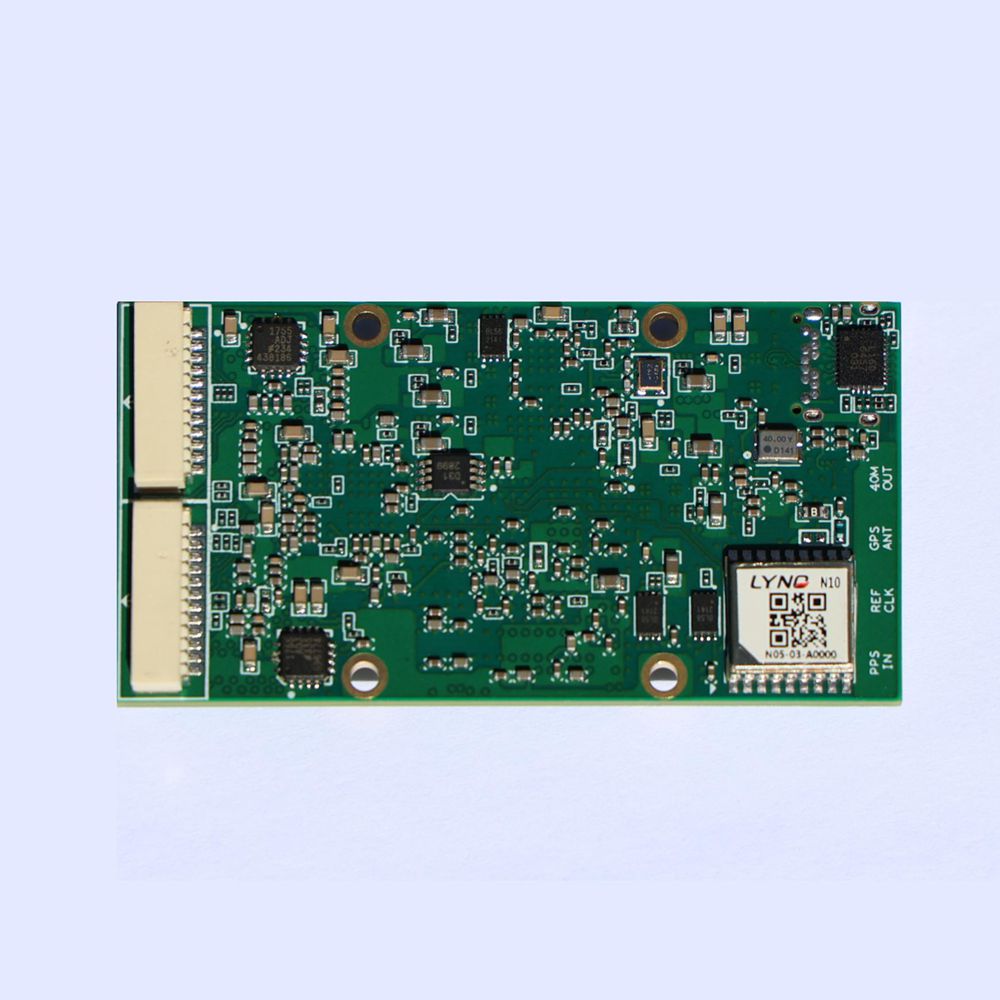
3. Both B205mini and TinyB210 come with an external clock (EXT_CK) input, as well as PPS input. TinyB210 also comes with a GPS module and implements built-in GPSDO.
4. Both B205mini and TinyB210 have built-in firmware that is plug and play, eliminating the need for tedious file replacement.
Description:
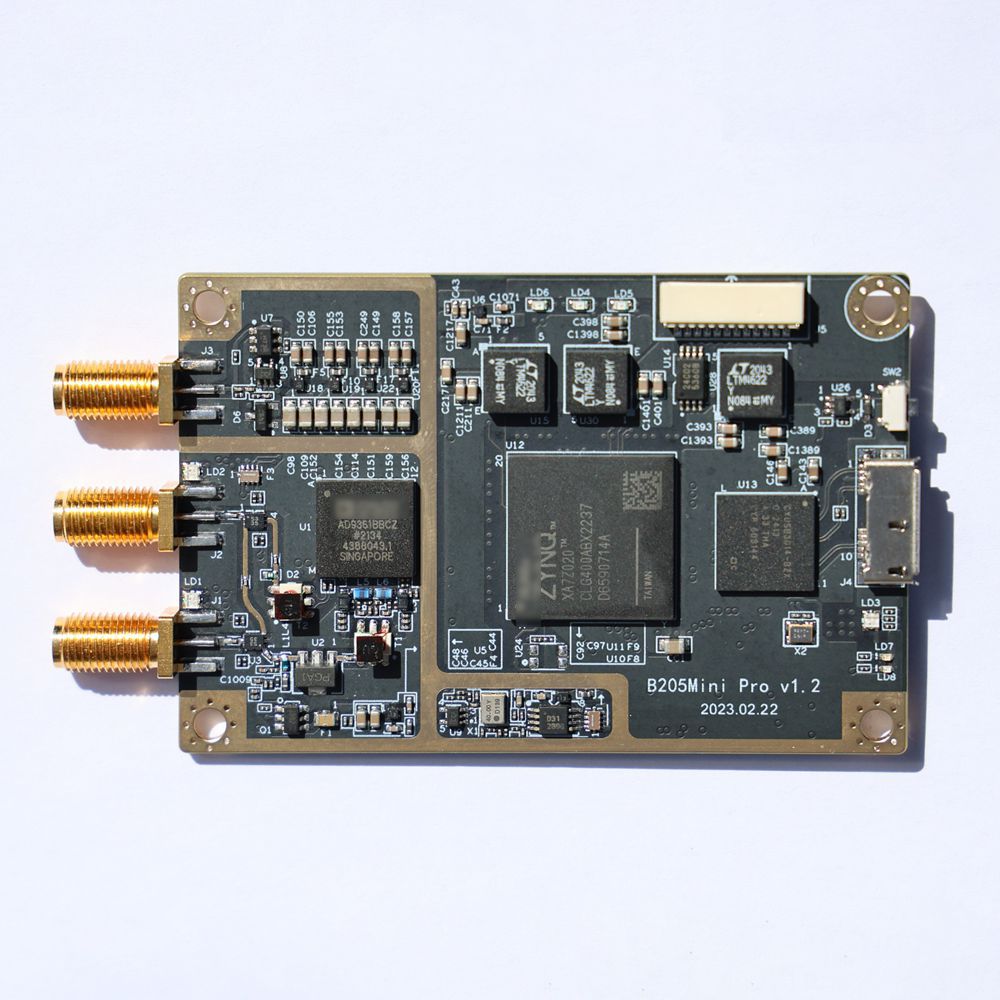
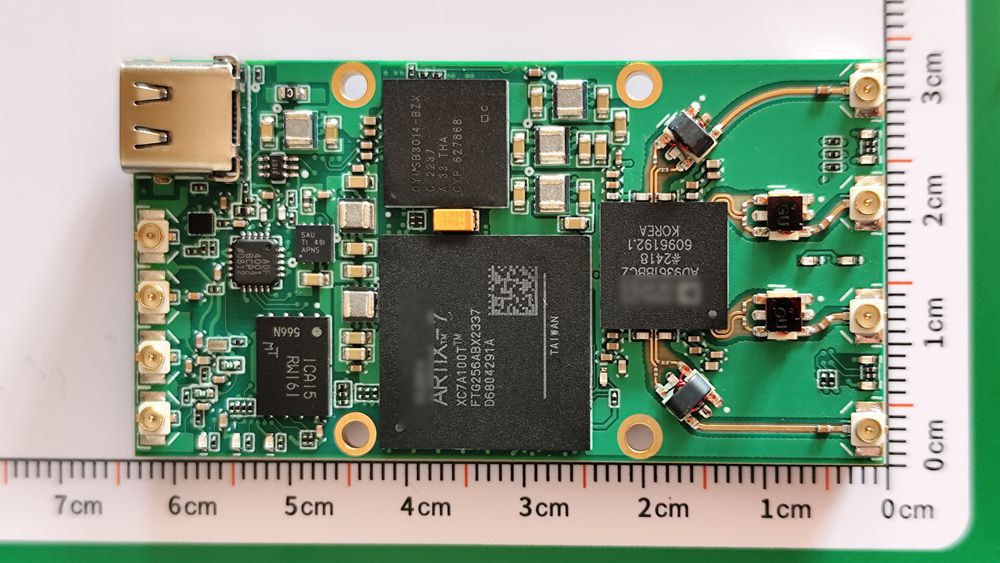
- TinyB210 and B205mini offer fully integrated single-board universal software-defined radio peripheral platforms with a continuous frequency coverage range of 70MHz to 6GHz. It is specifically designed for low-cost experiments and integrates the RFIC direct inverter transceiver AD9361 that provides up to 56MHz real-time bandwidth, an open and reprogrammable FPGA, and a fast USB3.0 connection with a convenient bus power supply. Its comprehensive software support enables you to develop by using for GNU Radio immediately, create your own GSM base station prototypes with platform for OpenBTS, and seamlessly transition your code from B210 to a higher-performance, industry-ready software-defined radio platform.
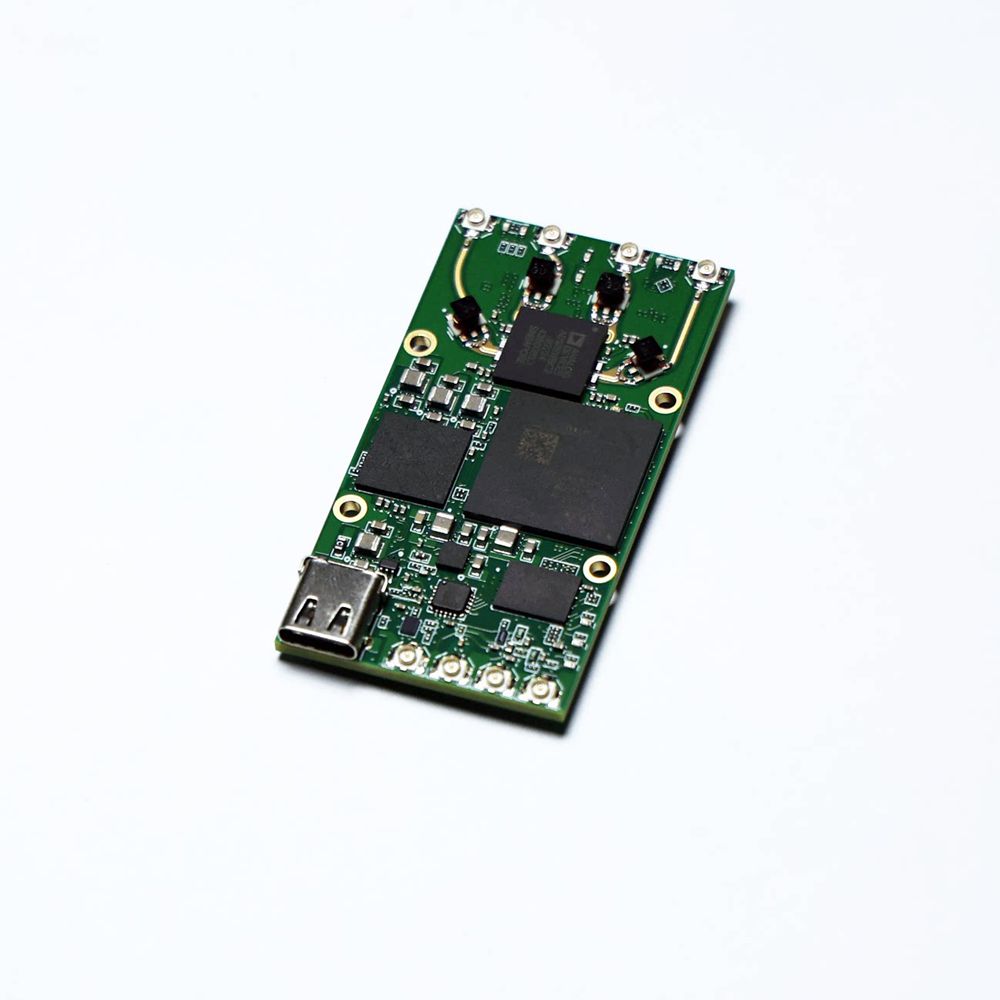
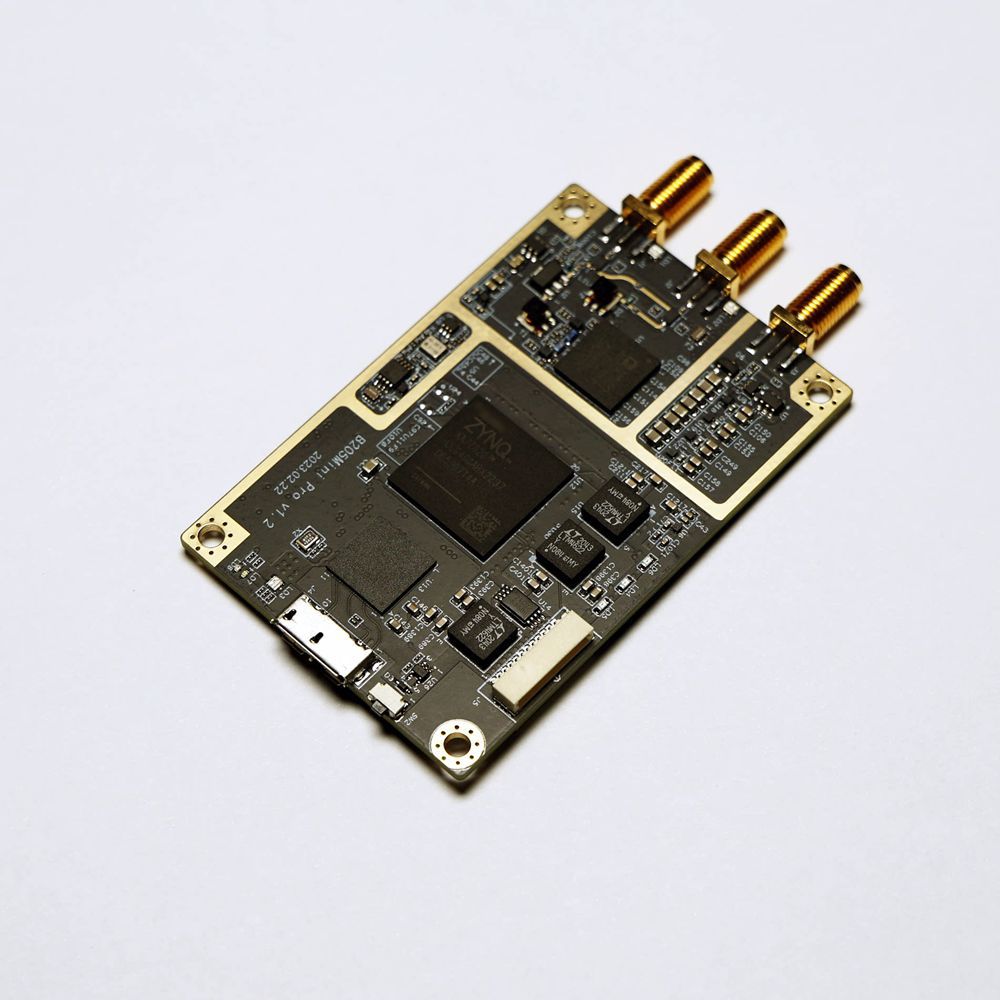
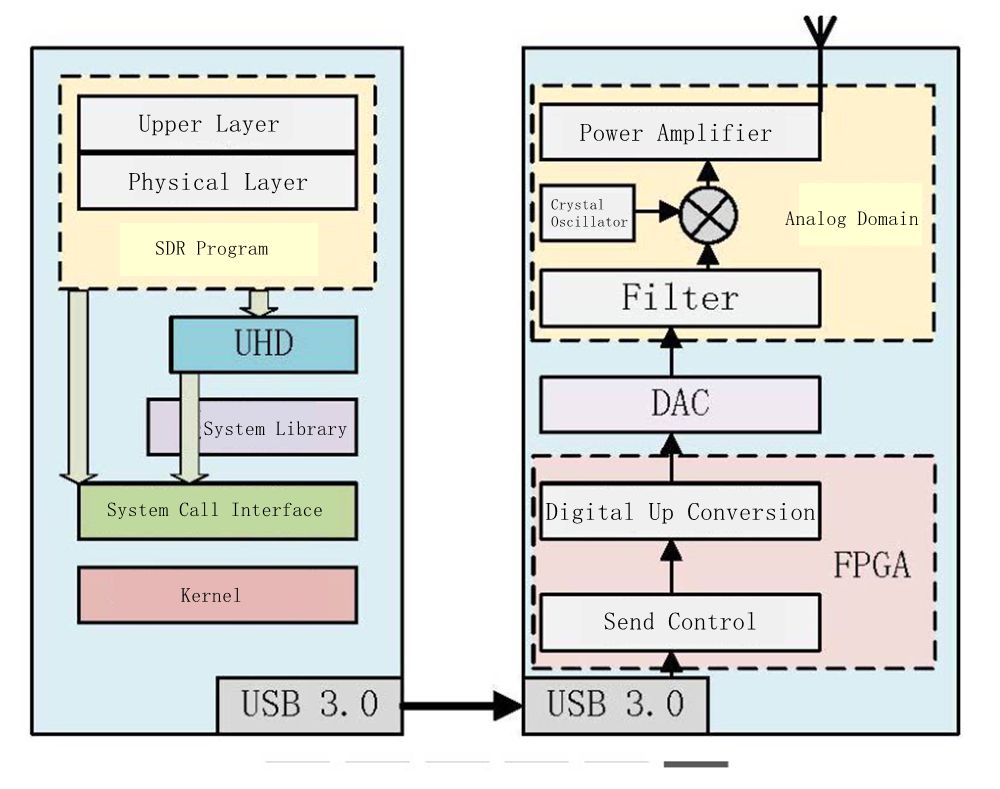
- The integrated RF front end on B210 adopts for Analog Devices AD9361 new design, which is a single-chip direct-conversion transceiver capable of transmitting real-time RF bandwidth up to 56MHz. B210 uses two signal chains from AD9361 to provide coherent MIMO functionality. The on-board signal processing and control of AD9361 are executed by an FPGA, which is connected to the host PC via USB3.0. The B210 real-time throughput is based on 61.44MS/s quadrature, providing the host PC with a full 56MHz instantaneous RF bandwidth for additional processing by applications using for GNU Radio or the UHD API. For detailed throughput features in various SISO and MIMO configurations, please refer to the B200/B210 benchmark table.
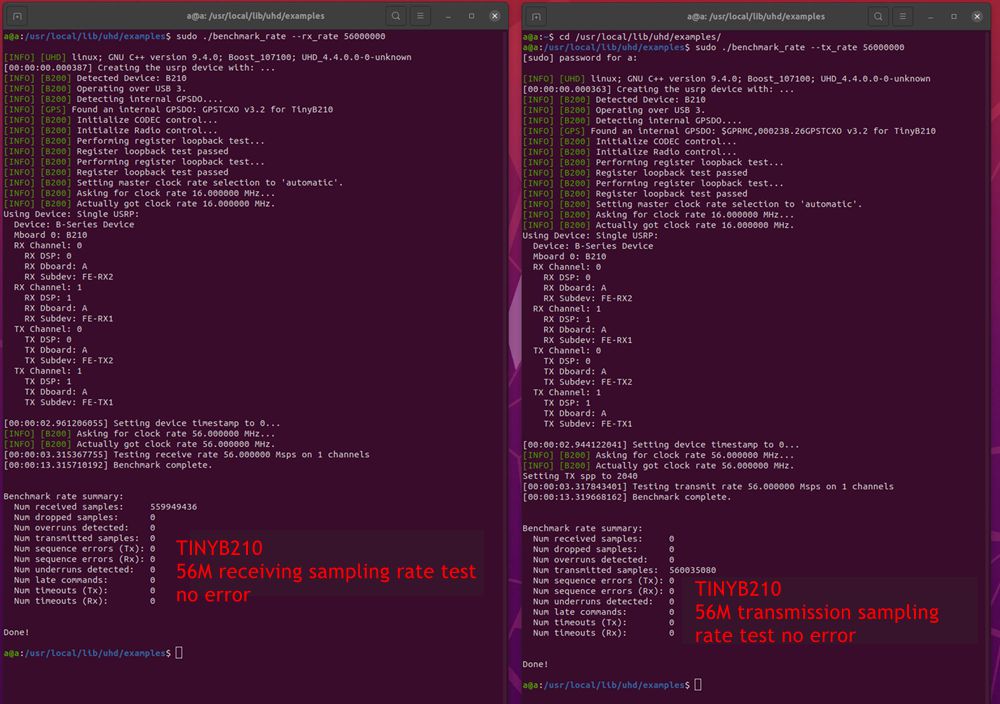
- The above figure shows the 56M transceiver sampling rate test of TINYB210, and both results are no error. If an error or data loss occurs during use, it might be due to a low computer configuration. You can use a computer with a better configuration for testing. The testing method is as follows:
1. Enter the test directory CD/usr/local/lib/uhd/examples /
2. Run the receiving test command sudo./benchmark_rate --rx_rate 56000000
3. Run the transmission test command sudo./benchmark_rate --tx_rate 56000000
4. In the above tests, our board card performed exactly the same as the official B210
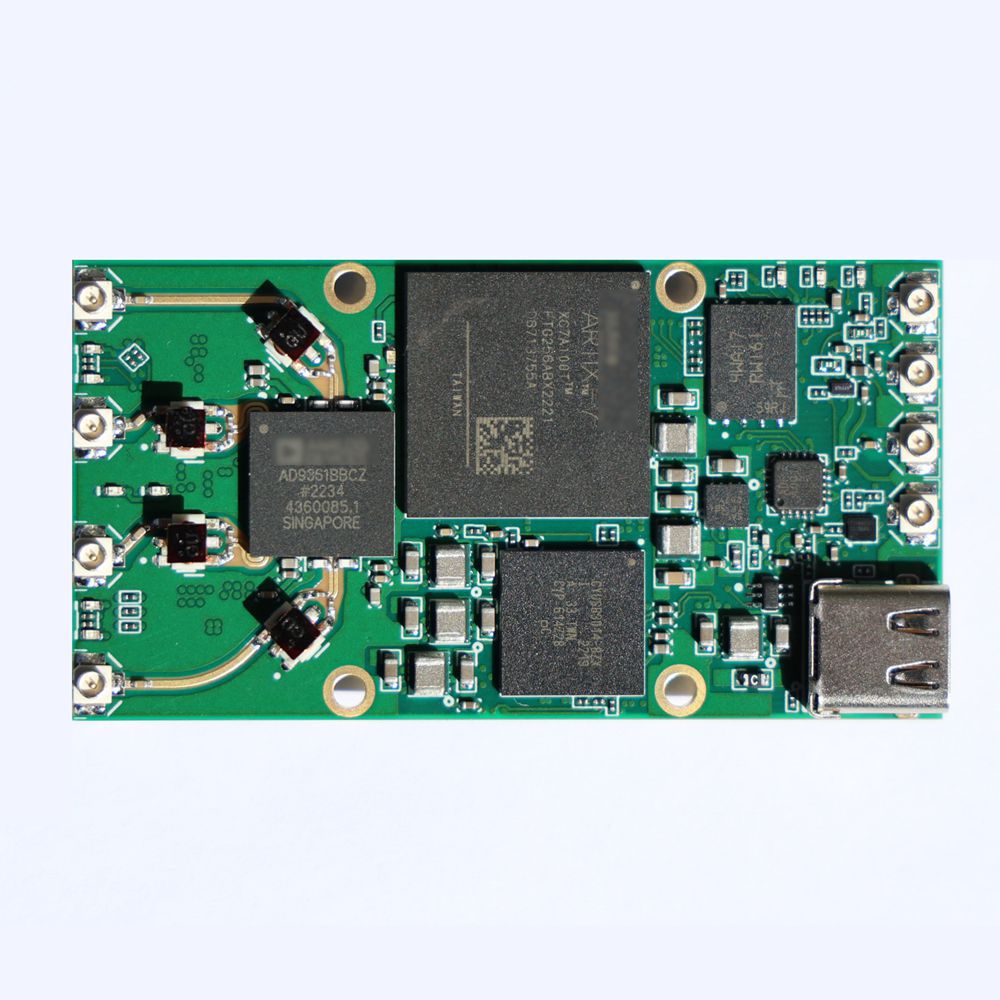
- TinyB210 can run small base stations for SRSRAN. For the specific process and experimental procedures, please refer to the following link:
https://blog.csdn.net/mcupro/article/details/147855283?sharetype=blogdetail&sharerId=147855283&sharerefer=PC&sharesource=mcupro&spm=1011.2480.3001.8118
Features:
- A fully integrated dual-channel USRP device with a continuous RF coverage range of 70MHz to 6GHz.
- Full-duplex, MIMO (2 Tx and 2 Rx) operation, real-time bandwidth up to 56MHz (61.44MS/s orthogonal).
- Fast and convenient ultra-high-speed USB3.0 connection
- Open and reconfigurable FPGA
- The early prototype design platform for ADI AD9361 RFIC, which is a fully integrated direct frequency converter transceiver with a mixed-signal baseband.
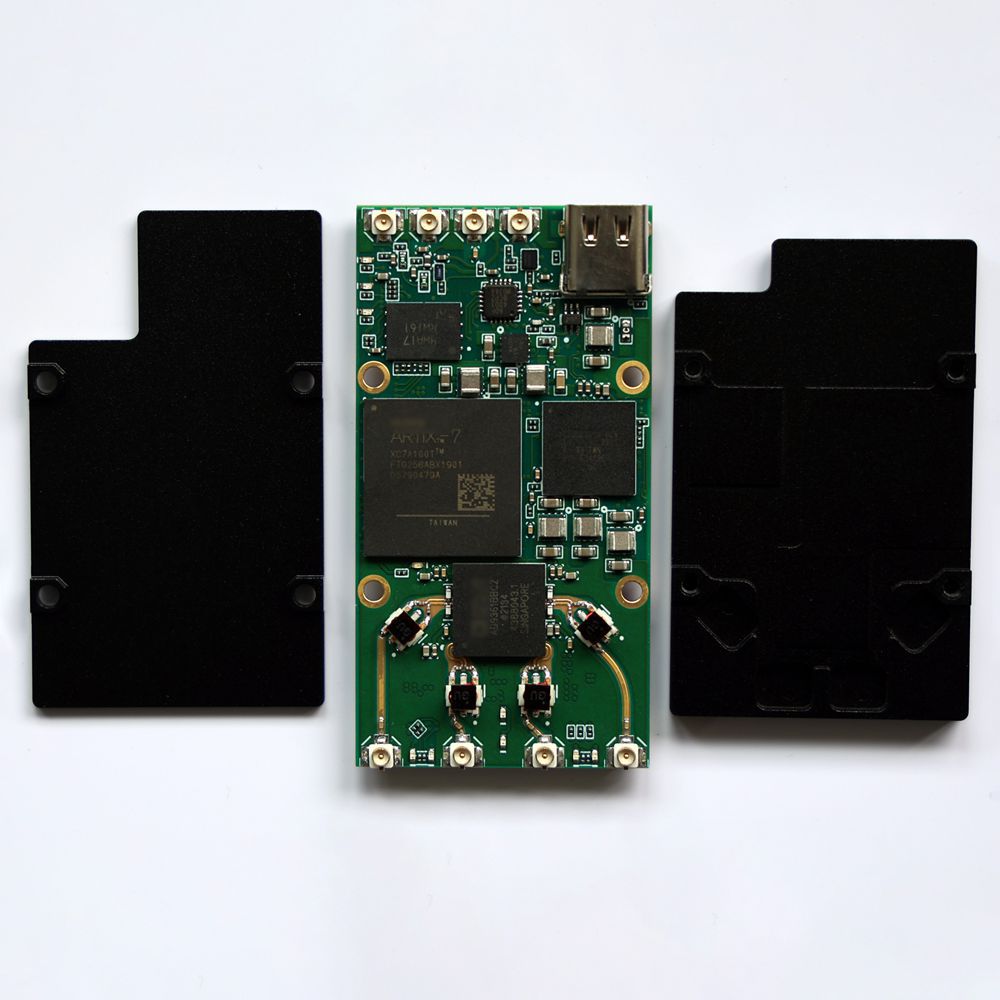
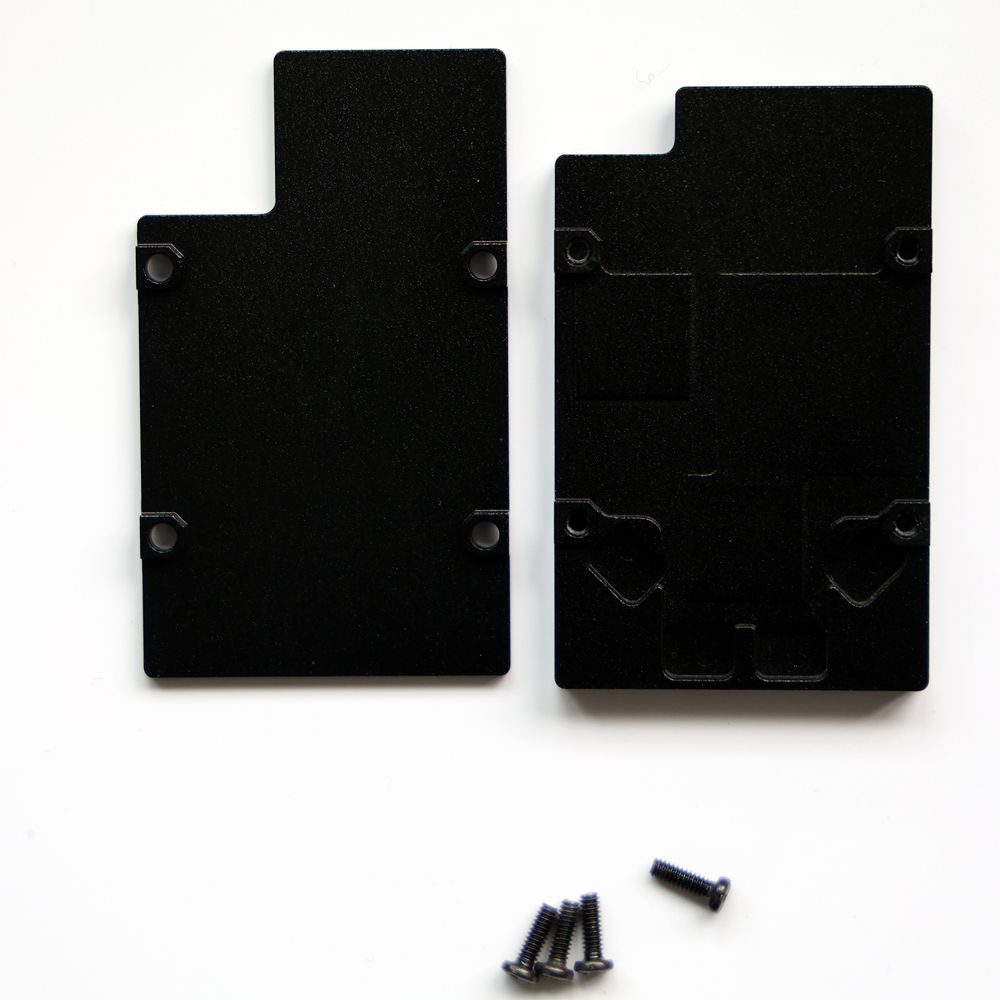
- Steel housing accessory kits can be used for black PCB equipment.
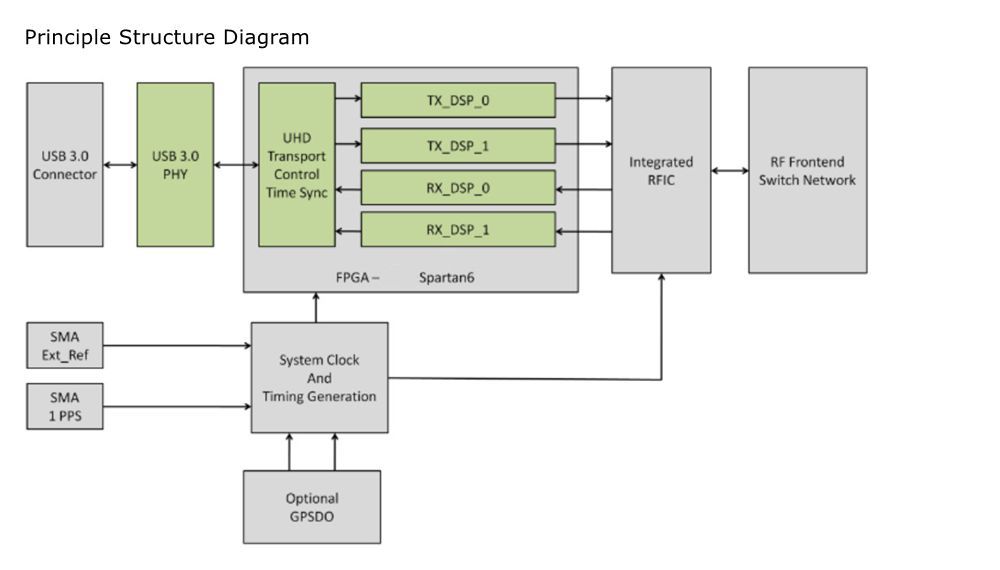
Input and Output:
- DC voltage input: 5V
Conversion Module Parameter:
- ADC sampling speed (max.): 61.44MS/s
- ADC resolution: 12bits
- ADC SFDR: 78dBc
- DAC sampling rate: 61.44MS/s
- ADC resolution: 12bits
- Maximum speed with the host (16b): 61.44MS/s
- Local oscillator accuracy: ±2ppm
- Unlocked TCXO accuracy: ±7.5ppm
- Locked TCXO accuracy: <1ppm
Single-channel RF Performance Parameter:
- SSB signal/mirror image suppression: -35/50dBc
- 2.4GHz: 3.5dBm
- 6G: -12dBm
- Output power: >10dBm
- Enter the third-order intercept point: -20dBm
- Noise ratio: <8dB
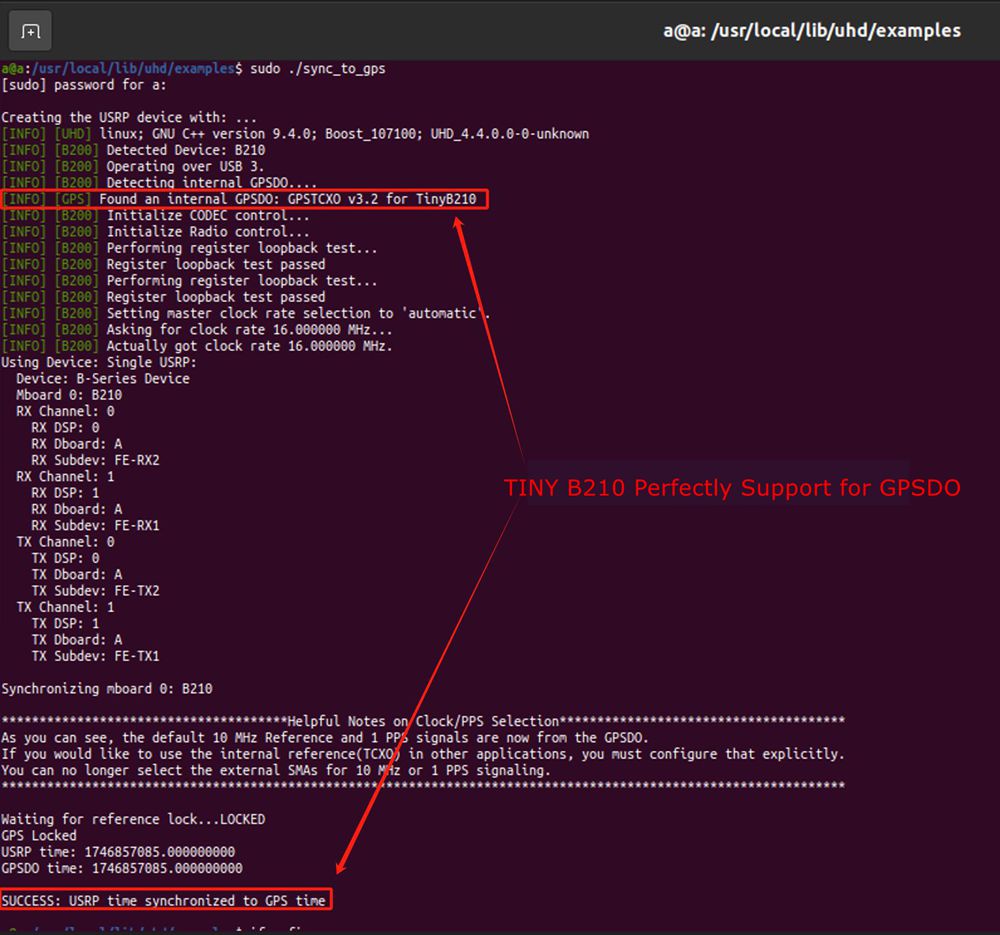
TINY B210 perfectly supports GPSDO, with GPSDO accuracy of 0.5PPM/0.005PPM. The initial accuracy is 0.5PPM, and the GPSDO accuracy is 0.005PPM.
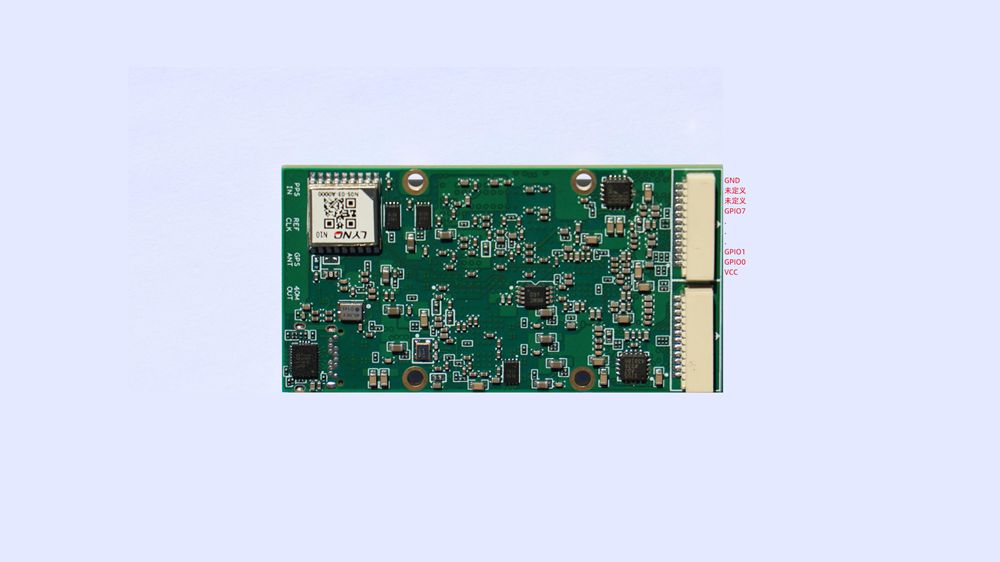
The following figure shows the GPIO pin diagram of TINYB210, and the control method is the same as that of B210.
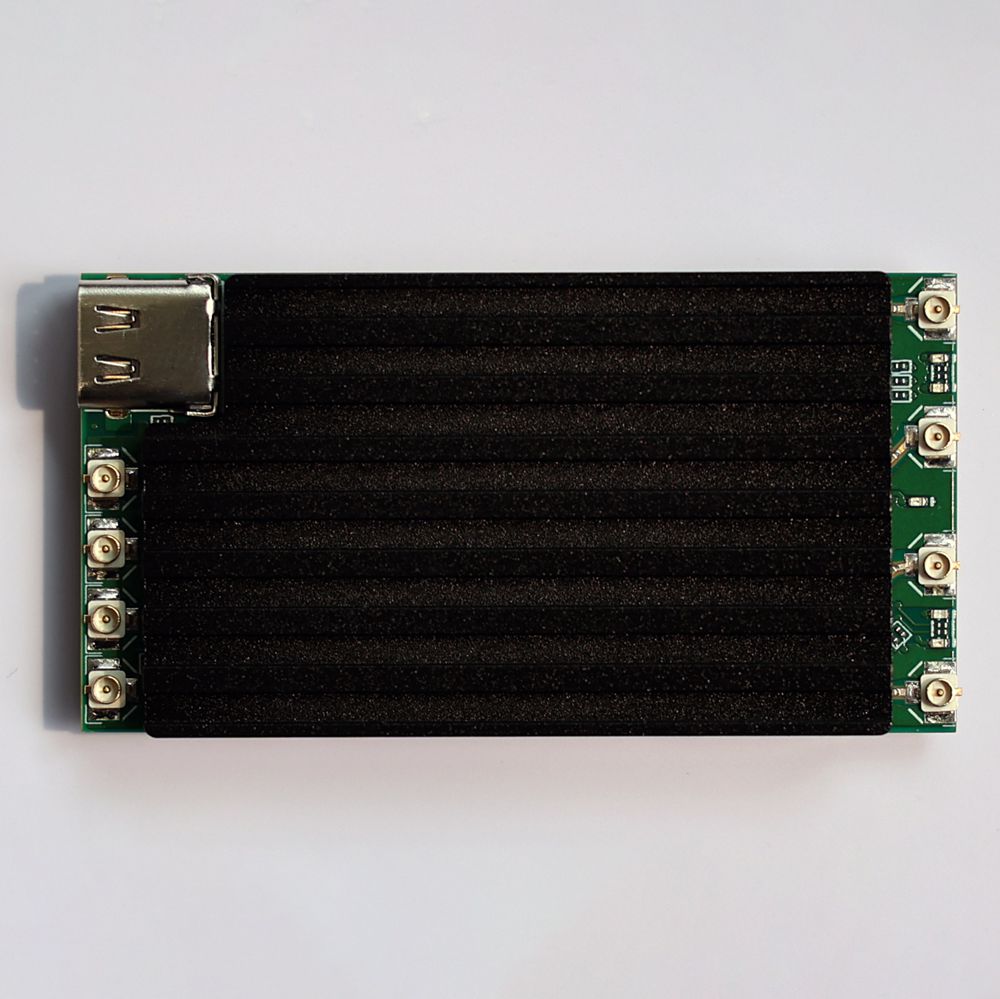
The following figure shows the TINYB210 after installing the metal shell heat sink.
Package Included:
- 1 x Development Board
- 1 x GPS Active Antenna
- 4 x Rubber Rod Antenna
- 1 x Type-C USB3.0 Data Cable
- 4 x IPEX 1st to SMA Female Connector Cable
- 4 x IPEX 1st to SMA Male Connector Cable
- 1 x Metal Shell Heat Sink
FAQ:
Q: Does it support for GNU RADIO and other applications for SRSRAN, OAI, etc.?
A: Fully supported, used exactly like the official compatible models.
Q: What are the trade-offs between adding a radio frequency amplifier (PA) to TinyB210?
A: For ADI official boards such as FMCOMS2, 3, 5 do not come with PA, and typically have a power input of several DBM, which is sufficient for RF experiments. We also have products with added PA, such as SDRPi, which have a significant impact on the receiving end during duplex transmission and reception.
2. We ship to your eBay or Paypal address. Please make sure your eBay and Paypal address is correct before you pay.
2. For remote regions of DHL/FedEx..., extra shipping costs might be charged. Usually it costs about 30USD-50USD. We will contact you if shipping company informed us your address belongs to remote area. Thanks for your understanding.
2. Please check with your country's customs office and inform us what/how much should declare before shipping.
2. If you are dissatisfied for any reason, please don't be quick to leave us neutral or negative feedback. We work hard to make sure EVERY CUSTOMER 100% SATISFIED and resolve any problem for you and always leave positive feedback to all our customers.