Ancient Egyptian Heart Amulet — New Kingdom (c. 1550–1070 BC)

- Object: Heart amulet (Ancient Egypt)
- Period: New Kingdom (c. 1550–1070 BC)
- Material: stone/hardstone (exact stone type not tested)
- Appearance: Natural cream-to-honey coloration with darker mineral inclusions
- Form: Distinct heart shape visible on both sides
- What's included: Heart Amulet, display case, display case stand, and informational card.
- Weight/Size: Weighs about 1.34 g. about 19mm
Why collectors like heart amulets (calm, museum-style)
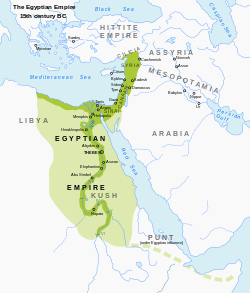
Ancient Egyptian heart amulet, dating to the New Kingdom period, roughly fifteen-hundred to a thousand BCE.
In ancient Egypt, the heart — known as the ib — was believed to be the center of thought, memory, emotion, and personal character. Unlike modern ideas that place thought in the brain, Egyptians understood the heart as the source of identity, intention, and moral awareness.
Heart-shaped amulets like this symbolized inner balance, integrity, and harmony with Ma’at, the principle of truth and order that guided Egyptian society and the natural world. These objects reflect how symbolic forms were used to express deeply held values and beliefs.
Rather than being purely decorative, amulets such as this served as meaningful reminders of ethical living, self-knowledge, and continuity beyond one’s lifetime. Pieces like this offer a direct connection to how ancient people understood themselves and the world around them.
This amulet is a wonderful example of ancient craftsmanship and symbolic design, and a strong addition to any collection of ancient art or antiquities
Carol Andrews, Amulets of Ancient Egypt;
W. M. Flinders Petrie, Amulets.