Product description
Specification:
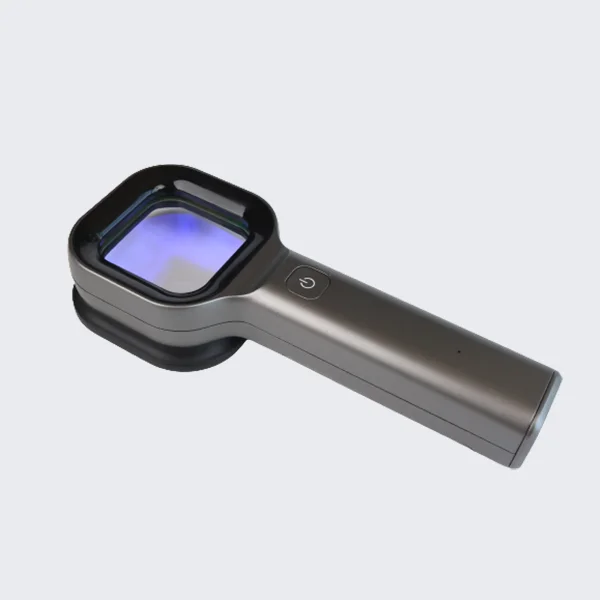
Product Name: Woods Light Skin Analyzer
Light Source: UVA LED
Wavelength: 320 - 400 nm (peak: 365 nm)
Lens magnification: 2X or 20%
Working distance: 10 cm ground 1 cm
Dimensions: 187 x 77 x 33 mm.
User guide (should be used in a dark room)
1.) Clean.
2.) Turn on the device and warm it up for 1 minute, wait for the light source to stabilize and observe the lesion.
3.) Hold Wood's lamp so that the light is directed towards the area of the lesion to be examined.
4.) Place the device about 10 cm from the skin and gently adjust the device up and down until it is clearly observed.
5.) Look through the lens at a distance of about 25-50mm above the camera
- ✔ Working Principle - Different skin health problems will produce different fluorescence. Woods Light can identify skin problems invisible to the naked eye, such as dry, oily or aging skin. It can check and diagnose your skin type.
- ✔ LARGE OBSERVATION AREA - Large viewing area of 40 x 40mm, 2X magnification, the LED light is combined with a large area magnifying lens and an observation window to observe the results conveniently and easily.
- ✔SAFE OPERATION - Woods lamp will not harm your eyes and skin, and you can get clear observation results when it is 10cm away from the skin when using it.
- ✔ EASY TO USE - One key operation, easy to use. The one-button power switch is convenient and convenient to use, just like using a magnifying glass. Stable performance, quickly detect skin condition.
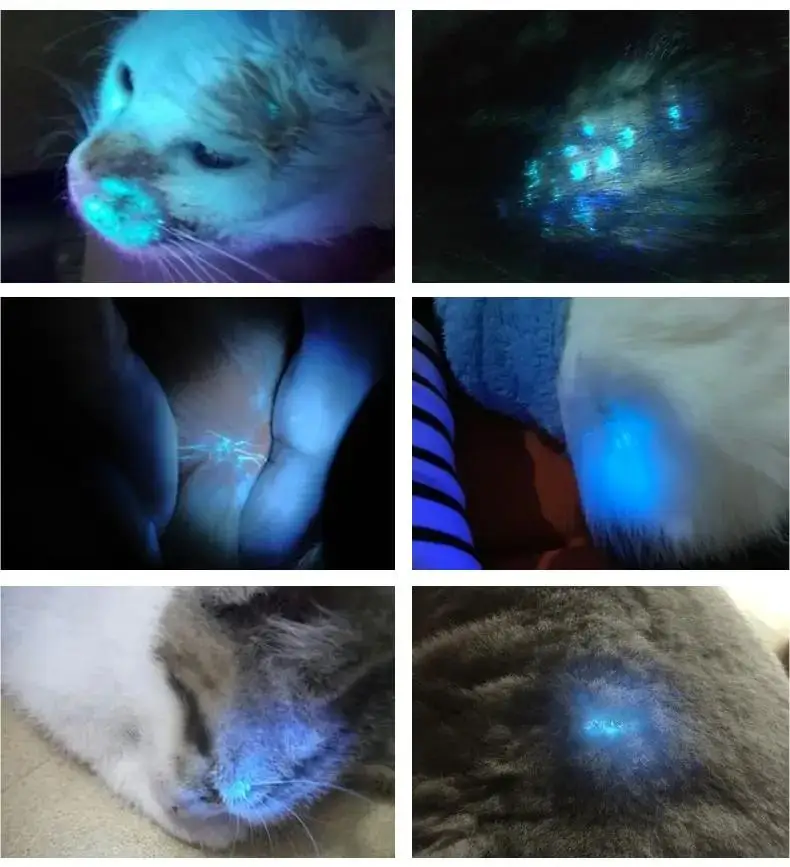
- ✔ Wide Applications - This wooden lamp instrument is a professional instrument for detecting skin conditions, you can also use it to detect fluorescent agents in skin care products and detect pet fungi, cat and dog urine detection, etc.
Model Number | DS-W01 |
Light Source | LED UVA |
Wavelength | 320~400nm (peak: 365nm) |
Visual Lens Diameter | 50±5mm |
Zoom | 2 times |
Certificate | CE |
Lifetime | 500hours |
Work distance | 5cm±1cm |
About Wood’s Lamp Examination
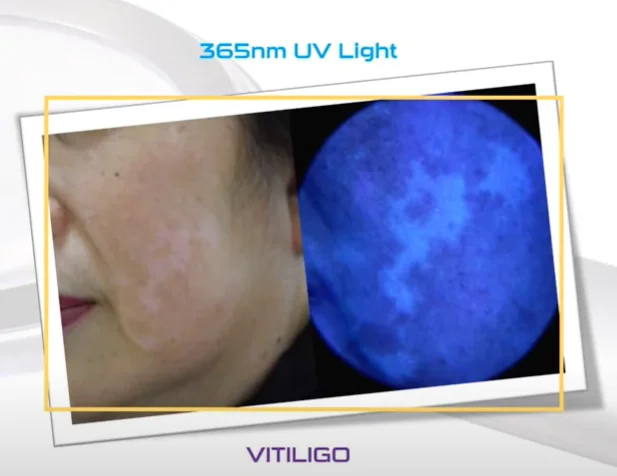
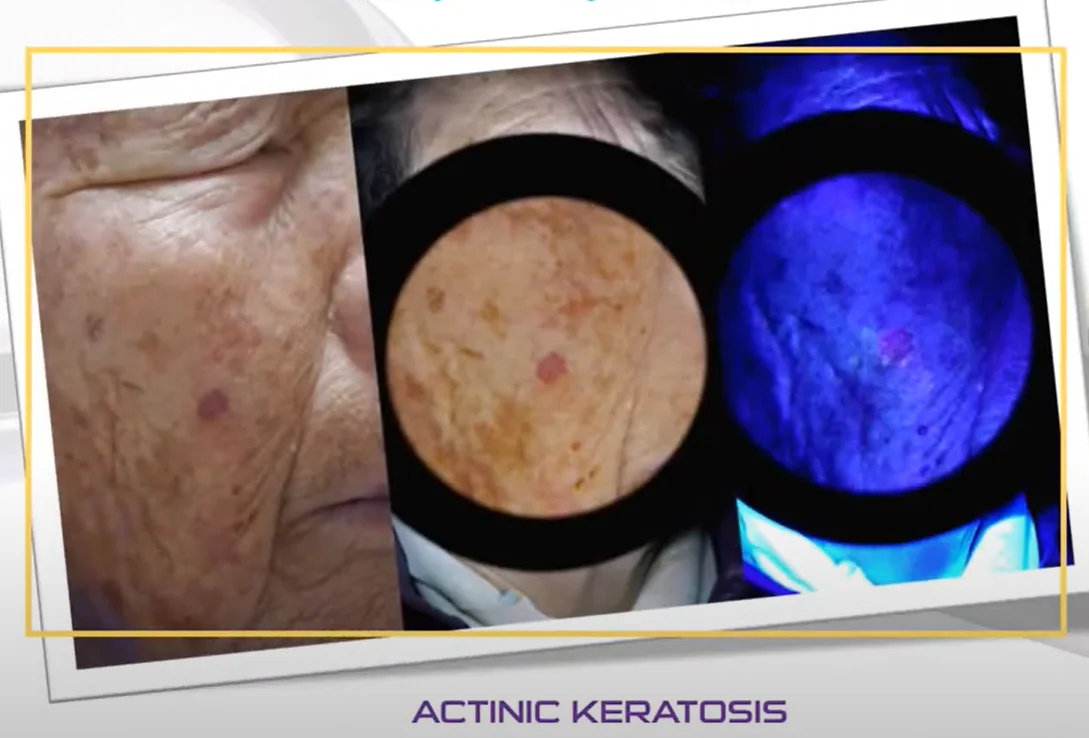
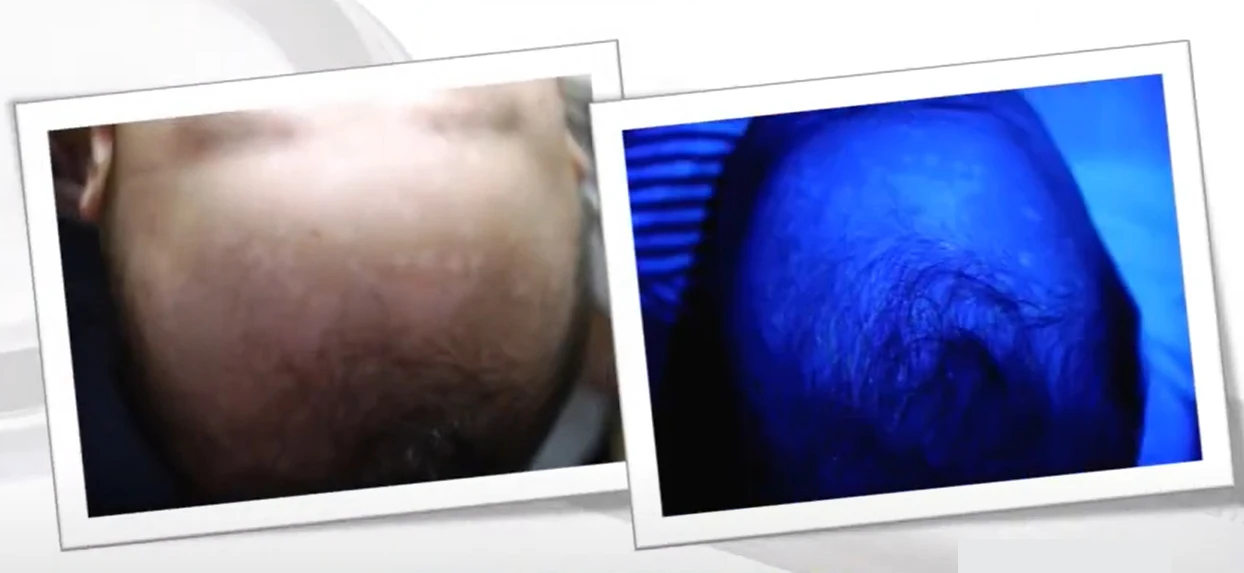
A Wood’s lamp examination is a procedure that uses transillumination (light) to detect bacterial or fungal skin infections. It also can detect skin pigment disorders such as vitiligo and other skin irregularities.
This procedure can also be used to determine if you have a corneal abrasion (scratch) on the surface of your eye. This test is also known as the black light test or the ultraviolet light test.
How Does It Work?
A Wood’s lamp is a small handheld device that uses black light to illuminate areas of your skin. The light is held over an area of skin in a darkened room. The presence of certain bacteria or fungi, or changes in the pigmentation of your skin will cause the affected area of your skin to change color under the light.
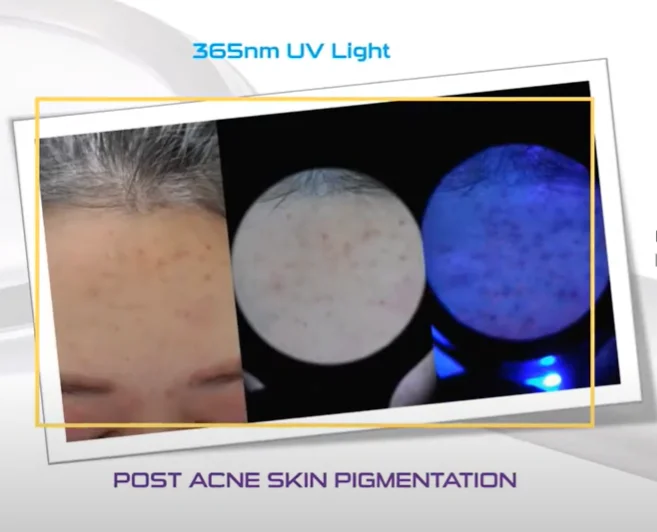
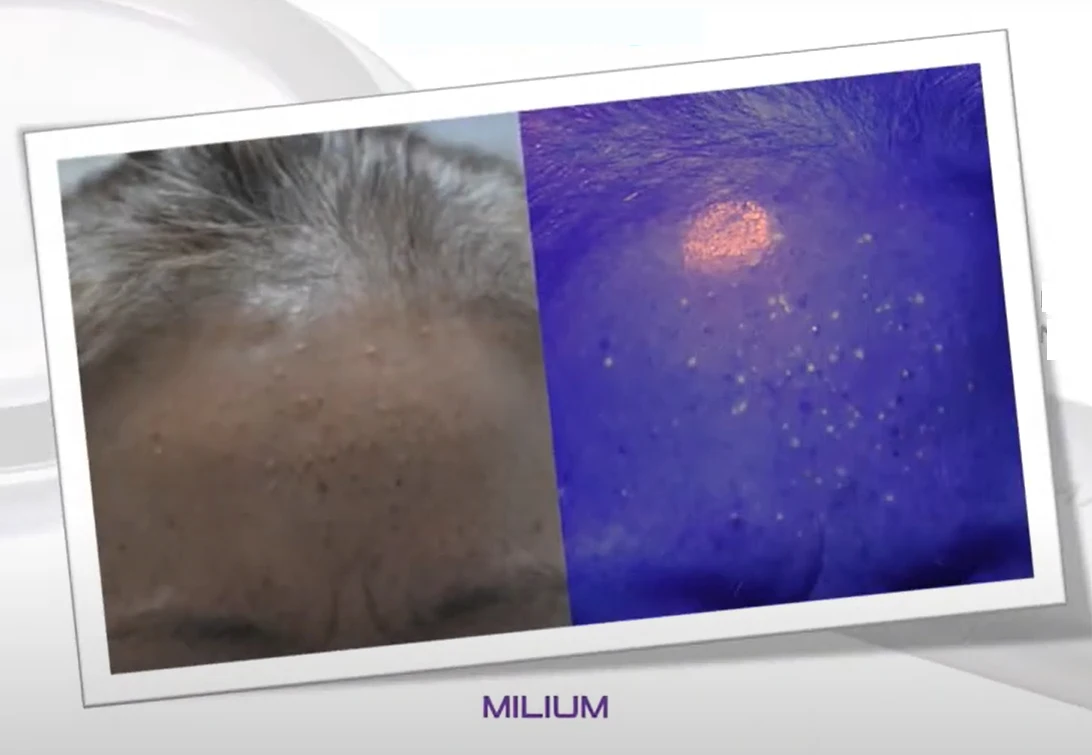
Some of the conditions that a Wood’s lamp examination can help diagnose include:
1.Clean the skin lesions;
2.Turn on the device and warm up for 1 minute. Observe the lesion after the light source is stable.
3.Hold woods lamp so that the light is aimed in the area of the lesion to be examined.
4.Place the device about 10cm from the skin and adjust the device slightly up and down until a clear observation is obtained.
5.Look through the lens with your eyes placed about 25~50mm above the device.
6.Press the power button to turn off the device!