• Benefits Of Using Iridium Spark Plugs
  •  
  • 1. Extended Lifespan
  • Iridium plugs have the longest lifespan compared to a standard spark plug (copper core plug) or platinum plug. An iridium spark plug can last up to 100,000 miles, depending on your vehicle and driving conditions.
  •  
  • 2. Enhanced Durability
  • Iridium is much harder and stronger than platinum, making it more durable to withstand the high voltage coming through the spark plug wire.
  •  
  • Iridium spark plug parts are also corrosion-resistant. So, the extreme conditions inside the combustion chamber can’t easily wear out their insulator tip, spark plug threads, center electrode, and the ground electrode.
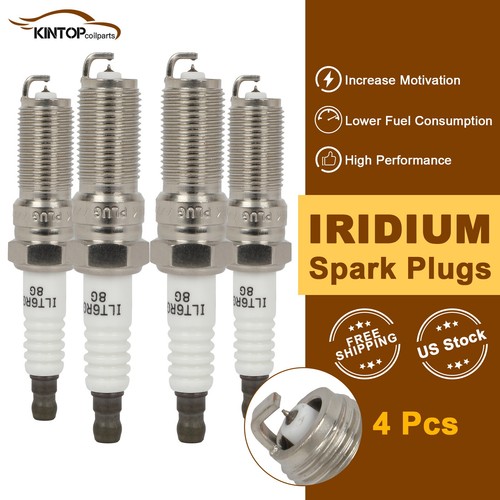
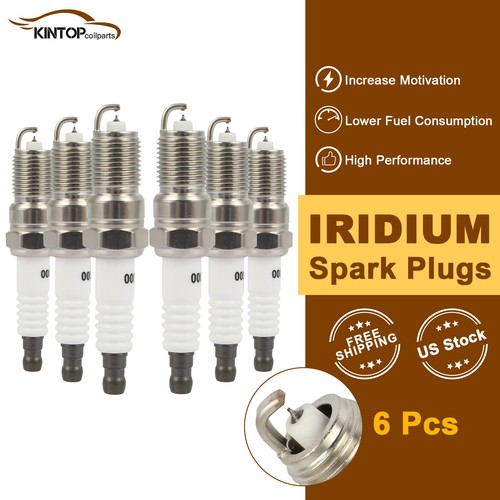
  • 6x Double Iridium Spark Plugs For Saab 9-5 2.8L 2010-2011

    Benefits Of Using Iridium Spark Plugs


    1. Extended Lifespan

    Iridium plugs have the longest lifespan compared to a standard spark plug (copper core plug) or platinum plug. An iridium spark plug can last up to 100,000 miles, depending on your vehicle and driving conditions.


    2. Enhanced Durability

    Iridium is much harder and stronger than platinum, making it more durable to withstand the high voltage coming through the spark plug wire.


    Iridium spark plug parts are also corrosion-resistant. So, the extreme conditions inside the combustion chamber can’t easily wear out their insulator tip, spark plug threads, center electrode, and the ground electrode.


    Corroded spark plug threads can cause a spark plug to get stuck in a cylinder head, making replacement very difficult. In worst-case scenarios, the cylinder head is damaged and needs replacement too.


    3. Better Ignition Experience

    The smaller iridium center electrode of the plug offers a stronger and more concentrated spark, allowing quicker combustion. These plugs have superior ignitability and require less voltage from the ignition coil, leading to fewer misfires.


    You’ll also experience less lag when you press down on the pedal and fewer delays in the initial engine startup. This is especially beneficial with the cold-cranking amps of your battery during winter.


    4. Improved Fuel Economy

    Iridium spark plugs offer improved ignition, allowing the fuel to burn more efficiently inside the combustion chamber. As a result, you get better fuel efficiency (10-20% for gasoline engines.)


    5. More Engine Power

    The technology of iridium plugs can improve the performance of modern engines during challenging driving conditions. You experience stable idling and a more controlled driving experience, especially in cars with automatic transmissions.


    Failure Signs and Symptoms


    If you’re not sure when to replace your spark plugs, look out for these signs of failure:


    • Slow acceleration
    • Poor fuel economy
    • Rough idling
    • Refusing to start or hard starting
    • Misfiring


    How to Change Spark Plugs


    1. Safety First

    Park your vehicle on a flat, dry surface and ensure the engine is cool. Clean the engine area of any dirt and debris to prevent anything from falling into the engine cylinder during spark plug replacement. Additionally, you may want to disconnect the battery (negative post only). Check the vehicle repair guide or other resources to ensure no damage will occur if the battery is disconnected for any length of time or if any modules or other items would need to be reprogrammed. Ensure the positive and negative terminals do not become crossed with a foreign object such a hand ratchet and cause a dangerous short circuit.


    2. Remove the Spark Plug Wire

    First, remove any interference items. If your vehicle requires removal of the upper intake plenum, a new gasket will be needed. After gaining access, you will likely find the rubber spark plug wire end and inside metal terminal somewhat difficult to remove from the spark plug. You must be careful to avoid damaging the rubber boot or tearing the wire terminal away from the plug wire end. If you discover the plug wire boot is ‘stuck’ to the spark plug try using spark plug wire pliers to aid in removal. The boot may need to be twisted back and forth to break the bond from the spark plug. Again, be careful. The metal terminal that connects to the spark plug inside the boot must be removed simultaneously with the boot to avoid damage. If damage to the boot or wire occurs, don’t feel bad. In many instances, even a professional is unable to remove them without damage occurring. If damage does occur, the wire(s) must be replaced. Re-installing a damaged boot or wire will cause a misfire and possible damage to other ignition components. If the spark plug wires are five to seven years old or have 100K+ miles of use, replacement is highly recommended. A new plug wireset will ensure the newly installed spark plugs will receive all the necessary firepower from the ignition coil(s).


    3. Rrmove the Coil on Plug(COP)

    COP designed coils attach directly to the spark plug end and use a long rubber insulator boot. Start the removal process by disconnecting the electrical connector from the ignition coil. Press down or pull up on the locking tab to make the connector release so it can be disconnected. A small screwdriver may be needed to help depress the locking tab. Once the connector is off, remove the hold down bolt and carefully twist the coil about a quarter turn or so back and forth until the ‘bond’ is broken. Then it should pull straight up and out. Use caution! There is always a risk of damage to the COP boot. COP coils and their insulator boots are made of plastic and rubber that protect and insulate the high voltage conducting materials inside. Damage will cause the high voltage to leak (short) to ground causing a misfire and possible damage to other ignition components. If the boots are damaged they must be replaced. Just like spark plug wires, if they are five to seven years old or have 100K+ miles of use, replacement is highly recommended. Check the COP boots for signs of engine oil or engine anti-freeze contamination. Oil puddled in the spark plug well hole is usually caused by a valve cover tube seal and/or leaking O-ring. The appearance of coolant in the plug well can be caused by a leaking heater or by-pass hose or even the intake manifold gasket. These leaks should be repaired first, especially if severe, to prevent damage to the new components.


    4. Unscrew the Spark Plug

    Be sure the engine is cooled off. Use a spark plug socket to remove the spark plugs. Avoid thread damage by following these suggested steps. On COP applications remove debris by blowing air down into the spark plug well hole. Even the tiniest of particles can build up in the threads of the spark plug during removal and cause damage to the cylinder head threads. If this occurs, sometimes a spark plug thread restorer tool may be used to do just that, restore damaged threads in the cylinder head. Next, loosen/turn the spark plug about a half a turn counter-clockwise and blast a small shot of penetrant fluid to the base/ thread area of the spark plug. Allow a few minutes to soak. On some engines, the manufacture may provide additional removal steps. Check the repair guide. Take note it you feel considerable resistance while turning the spark plug counter-clockwise. You may need an additional small amount of penetrant and soaking time. If you encounter resistance, turn the spark plug clockwise and carefully work it back and forth. If the plug just won’t co-operate, you should probably stop and seek a professional’s help. Damaged cylinder head threads can often be expensive to repair, depending on your vehicle.


    5. Put in the New Spark Plugs

    Before installing the new spark plugs, ensure each plug part number matches the part number and box description. Inspect each new spark plug for damage. Ensure the threads are clean and straight, the electrode and tip are intact, and the insulator for the plug wire or COP boot is not cracked or chipped.


    6. Re-install the Spark Plug wires or Ignition Coils (COP)

    Apply a small amount of plug wire grease to the plug wire boot (or COP boot) and re-install each plug wire or ignition coil. Be sure and connect the plug wires to the appropriate spark plug for each engine cylinder (refer to a firing order diagram if necessary). Re-install the coil hold down bolt(s). Re-attach the electrical connector(s). Re-install all other components removed to gain access. Be sure and gather up all tools and the engine is free and clear to start. Remember to re-connect the battery if it was disconnected at the beginning.


    7. Start up the Engine

    Starting the engine after the spark plug replacement is a good way to validate your work. 


    Payment

    We can accept Credit card, Debit card, Apple Pay, Google Pay, visa, or master card, and so on. Thank you. 
    Additional shipping fee may be charged for buyers from Puerto Rico, Hawaii, Alaska, Guam, and the U.S. military address of the United States or other remote area (zone 8-10).

    Shipping

    All domestic orders will be shipped via USPS, UPS or Fedex from our US warehouse and usually arrives to your door in about 2-7 business days.

    Returns

    All of our brand new items come with a 60-Days money-back guarantee.

    Contact Us

    Any question, please contact us by e-mail on working days.

    Warning

    Please check the compatibility carefully before purchasing. If you are not sure about the model, please contact us in time.

    Terms & Contact
    Payment Policy
    Shipping Policy
    Return Policy
    FAQ
    About Us
    6x Double Iridium Spark Plugs For Saab 9-5 2.8L 2010-2011

    Benefits Of Using Iridium Spark Plugs


    1. Extended Lifespan

    Iridium plugs have the longest lifespan compared to a standard spark plug (copper core plug) or platinum plug. An iridium spark plug can last up to 100,000 miles, depending on your vehicle and driving conditions.


    2. Enhanced Durability

    Iridium is much harder and stronger than platinum, making it more durable to withstand the high voltage coming through the spark plug wire.


    Iridium spark plug parts are also corrosion-resistant. So, the extreme conditions inside the combustion chamber can’t easily wear out their insulator tip, spark plug threads, center electrode, and the ground electrode.


    Corroded spark plug threads can cause a spark plug to get stuck in a cylinder head, making replacement very difficult. In worst-case scenarios, the cylinder head is damaged and needs replacement too.


    3. Better Ignition Experience

    The smaller iridium center electrode of the plug offers a stronger and more concentrated spark, allowing quicker combustion. These plugs have superior ignitability and require less voltage from the ignition coil, leading to fewer misfires.


    You’ll also experience less lag when you press down on the pedal and fewer delays in the initial engine startup. This is especially beneficial with the cold-cranking amps of your battery during winter.


    4. Improved Fuel Economy

    Iridium spark plugs offer improved ignition, allowing the fuel to burn more efficiently inside the combustion chamber. As a result, you get better fuel efficiency (10-20% for gasoline engines.)


    5. More Engine Power

    The technology of iridium plugs can improve the performance of modern engines during challenging driving conditions. You experience stable idling and a more controlled driving experience, especially in cars with automatic transmissions.


    Failure Signs and Symptoms


    If you’re not sure when to replace your spark plugs, look out for these signs of failure:


    • Slow acceleration
    • Poor fuel economy
    • Rough idling
    • Refusing to start or hard starting
    • Misfiring


    How to Change Spark Plugs


    1. Safety First

    Park your vehicle on a flat, dry surface and ensure the engine is cool. Clean the engine area of any dirt and debris to prevent anything from falling into the engine cylinder during spark plug replacement. Additionally, you may want to disconnect the battery (negative post only). Check the vehicle repair guide or other resources to ensure no damage will occur if the battery is disconnected for any length of time or if any modules or other items would need to be reprogrammed. Ensure the positive and negative terminals do not become crossed with a foreign object such a hand ratchet and cause a dangerous short circuit.


    2. Remove the Spark Plug Wire

    First, remove any interference items. If your vehicle requires removal of the upper intake plenum, a new gasket will be needed. After gaining access, you will likely find the rubber spark plug wire end and inside metal terminal somewhat difficult to remove from the spark plug. You must be careful to avoid damaging the rubber boot or tearing the wire terminal away from the plug wire end. If you discover the plug wire boot is ‘stuck’ to the spark plug try using spark plug wire pliers to aid in removal. The boot may need to be twisted back and forth to break the bond from the spark plug. Again, be careful. The metal terminal that connects to the spark plug inside the boot must be removed simultaneously with the boot to avoid damage. If damage to the boot or wire occurs, don’t feel bad. In many instances, even a professional is unable to remove them without damage occurring. If damage does occur, the wire(s) must be replaced. Re-installing a damaged boot or wire will cause a misfire and possible damage to other ignition components. If the spark plug wires are five to seven years old or have 100K+ miles of use, replacement is highly recommended. A new plug wireset will ensure the newly installed spark plugs will receive all the necessary firepower from the ignition coil(s).


    3. Rrmove the Coil on Plug(COP)

    COP designed coils attach directly to the spark plug end and use a long rubber insulator boot. Start the removal process by disconnecting the electrical connector from the ignition coil. Press down or pull up on the locking tab to make the connector release so it can be disconnected. A small screwdriver may be needed to help depress the locking tab. Once the connector is off, remove the hold down bolt and carefully twist the coil about a quarter turn or so back and forth until the ‘bond’ is broken. Then it should pull straight up and out. Use caution! There is always a risk of damage to the COP boot. COP coils and their insulator boots are made of plastic and rubber that protect and insulate the high voltage conducting materials inside. Damage will cause the high voltage to leak (short) to ground causing a misfire and possible damage to other ignition components. If the boots are damaged they must be replaced. Just like spark plug wires, if they are five to seven years old or have 100K+ miles of use, replacement is highly recommended. Check the COP boots for signs of engine oil or engine anti-freeze contamination. Oil puddled in the spark plug well hole is usually caused by a valve cover tube seal and/or leaking O-ring. The appearance of coolant in the plug well can be caused by a leaking heater or by-pass hose or even the intake manifold gasket. These leaks should be repaired first, especially if severe, to prevent damage to the new components.


    4. Unscrew the Spark Plug

    Be sure the engine is cooled off. Use a spark plug socket to remove the spark plugs. Avoid thread damage by following these suggested steps. On COP applications remove debris by blowing air down into the spark plug well hole. Even the tiniest of particles can build up in the threads of the spark plug during removal and cause damage to the cylinder head threads. If this occurs, sometimes a spark plug thread restorer tool may be used to do just that, restore damaged threads in the cylinder head. Next, loosen/turn the spark plug about a half a turn counter-clockwise and blast a small shot of penetrant fluid to the base/ thread area of the spark plug. Allow a few minutes to soak. On some engines, the manufacture may provide additional removal steps. Check the repair guide. Take note it you feel considerable resistance while turning the spark plug counter-clockwise. You may need an additional small amount of penetrant and soaking time. If you encounter resistance, turn the spark plug clockwise and carefully work it back and forth. If the plug just won’t co-operate, you should probably stop and seek a professional’s help. Damaged cylinder head threads can often be expensive to repair, depending on your vehicle.


    5. Put in the New Spark Plugs

    Before installing the new spark plugs, ensure each plug part number matches the part number and box description. Inspect each new spark plug for damage. Ensure the threads are clean and straight, the electrode and tip are intact, and the insulator for the plug wire or COP boot is not cracked or chipped.


    6. Re-install the Spark Plug wires or Ignition Coils (COP)

    Apply a small amount of plug wire grease to the plug wire boot (or COP boot) and re-install each plug wire or ignition coil. Be sure and connect the plug wires to the appropriate spark plug for each engine cylinder (refer to a firing order diagram if necessary). Re-install the coil hold down bolt(s). Re-attach the electrical connector(s). Re-install all other components removed to gain access. Be sure and gather up all tools and the engine is free and clear to start. Remember to re-connect the battery if it was disconnected at the beginning.


    7. Start up the Engine

    Starting the engine after the spark plug replacement is a good way to validate your work. 


    We can accept Credit card, Debit card, Apple Pay, Google Pay, visa, or master card, and so on. Thank you. 
    Additional shipping fee may be charged for buyers from Puerto Rico, Hawaii, Alaska, Guam, and the U.S. military address of the United States or other remote area (zone 8-10).

    All domestic orders will be shipped via USPS, UPS or Fedex from our US warehouse and usually arrives to your door in about 2-7 business days.

    All of our brand new items come with a 60-Days money-back guarantee.

    Any question, please contact us by e-mail on working days.

    Please check the compatibility carefully before purchasing. If you are not sure about the model, please contact us in time.


    All rights reserved.