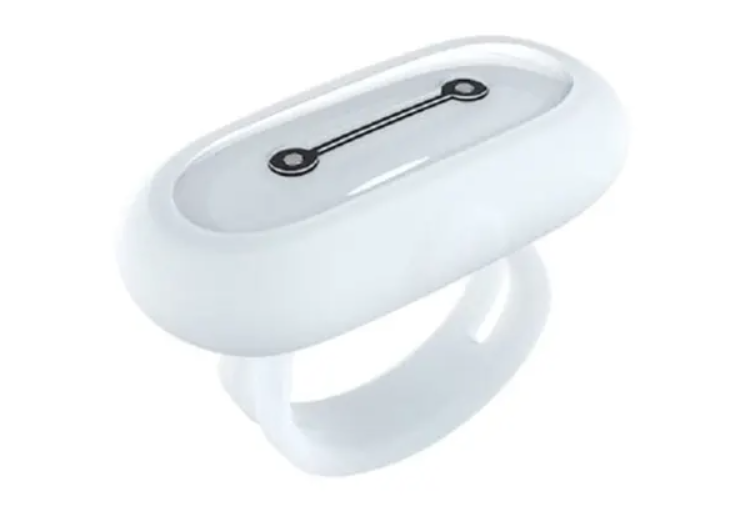
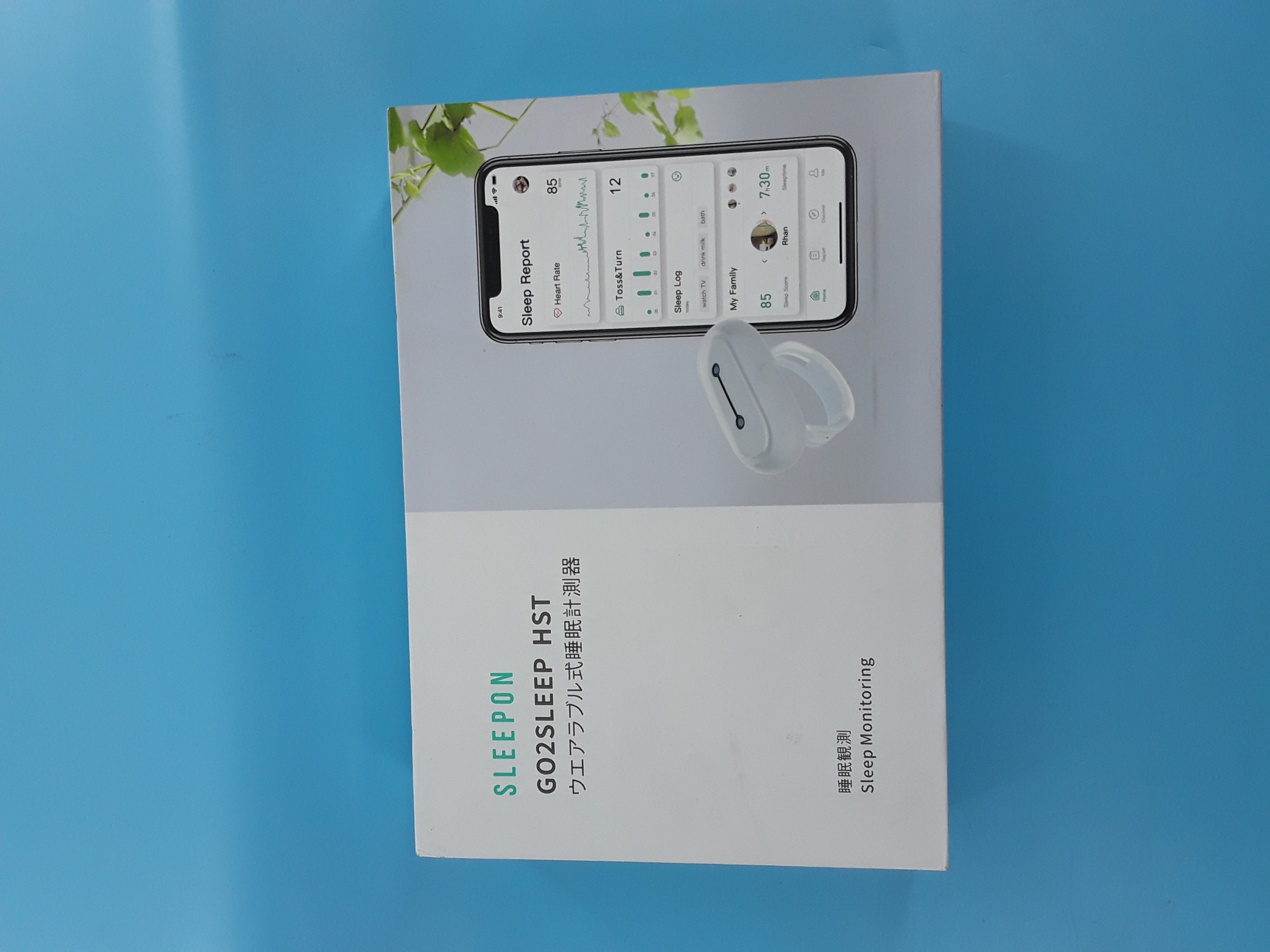
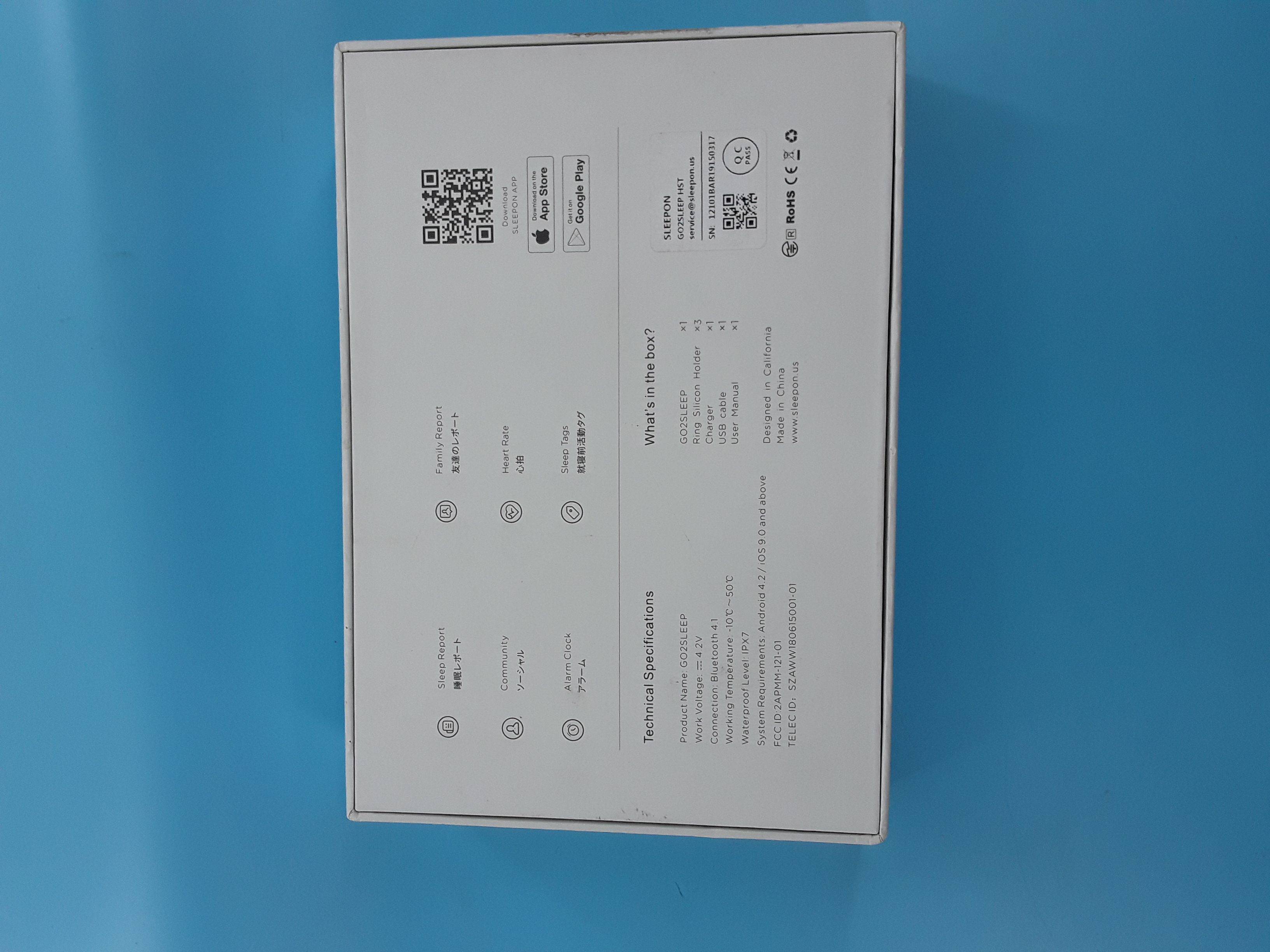
Sleepon Go2Slee Hst Wearable Sleep Tracker
PRODUCT DESCRIPTION
Sleepon Go2Slee Hst Wearable Sleep Tracker
You can review your data using the SLEEPON companion app. The Go2sleep measures the following metrics:
Blood oxygen level: A blood oxygen level of 95% or higher is common for healthy adults. Lower blood oxygen levels can indicate breathing problems, so this metric is particularly useful if you suspect you have sleep apnea or another type of sleep breathing disorder. The ring gently vibrates if your oxygen levels fall below your normal threshold. This is intended to wake you up and prompt a sleep position change that promotes better air circulation.
Resting heart rate: The Go2sleep records your resting heart rate by measuring your pulse. This metric is displayed in beats per minute and is primarily used to determine your recovery status when your body is at rest. Your heart rate naturally slows down as part of your sleep cycle. For adults, 55 to 75 beats per minute is considered a healthy resting heart rate for sleep.
Heart rate variability: This metric refers to differences in time between your heartbeats. Drastic variations may indicate high stress levels, while minor to moderate fluctuations are usually an indication that your body is managing stress relatively well.
Time awake and asleep: The tracker records when you fall asleep and wake up, as well as instances when you wake up during the night. This helps the device measure sleep efficiency. You can also set goals for total time asleep each night.
Time spent in each sleep stage: A healthy sleep cycle consists of two light sleep stages, a deep sleep stage, and a rapid eye movement (REM) stage. Since your heart rate varies between these stages, the Go2sleep can pinpoint how long you spend in each stage.
Apneas and hypopneas: People with obstructive sleep apnea (OSA) often experience breathing disruptions while sleeping. Apneas refer to instances when breathing ceases or is reduced to 10% of normal levels for at least 10 seconds, while hypopneas refer to episodes of shallow breathing. The Go2sleep produces an apnea-hypopnea index (AHI) score, which is the average number of apneas and hypopneas during an hour of sleep.
© Copyright . All rights reserved.
 |