Introduction:
Our store provide varieties of High Quality Suspension Products,
if this item can not meet your needs,
you can entry our store to find the products you need.
our products have One Year Warranty to ensure the quality.
Before you place the order,
please check the compatibility and the view Notes or contact us,
make sure it fits your vehicle.
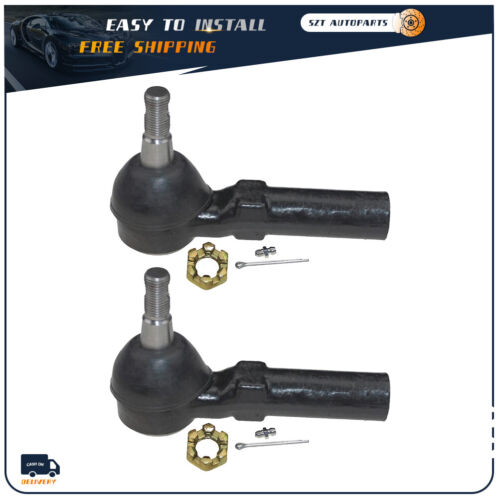
we hope you enjoy your shopping. Fit For:2000 - 2001 DODGE RAM 1500 2WD2000 - 2002 DODGE RAM 2500 2WD2000 - 2002 DODGE RAM 3500 2WD Kit Part Includes1 x Part# K7345 Pitman Arm Specifications:Brand New Pitman ArmReplaces dealer part numbers: 521654ABDirect replacementBuilt to strict quality control standards Dimensions:Length * Widht * Height(CM): 23.5*20.5*2Weight(KG):1.81 Features:
Direct replacement for a trouble-free installation.
Steel,iron or aluminum construction ensures durability.
Powder-coated or painted for long-lasting rust and corrosion resistance.
Steering Systems
The steering system works with the suspension system to provide directional control with a comfortable amount of steering effort. It must do this while allowing for the necessary movement in the vehicle's suspension system. Some parts serve both systems. The steering system consists of a steering gear, steering linkage, a steering column and a steering wheel. Two types of steering systems are widely used in today's vehicles: "rack-and-pinion" steering and "conventional" steering.

Pitman Arm Replacement Guideline:
The pitman arm needs regular maintenance. If it receives that maintenance, it will easily last the life of your car. However, if you fail to give it regular maintenance, you will find that between 30,000 and 50,000 miles, your car's steering will falter. To prevent this, vehicle owners should have their pitman arm inspected regularly. A six-month inspection of the steering gear is more than adequate for most driving. However, if you drive in rough, rocky, off-road or other harsh conditions, the pitman arm will deteriorate quickly. It is wise to have it inspected, and replaced, if need be, on a three-month basis if this is the case. This may seem drastic, but remember that if your car's front wheels are taking a pounding, the pitman arm, as it sits on the steering gearbox, does too.


Picture(A)
1.Push and pull side to side on the front driver's side tire while watching for looseness in the pitman arm joint.
2.If the movement is out of specifications, the joint must be replaced. This joint can be located on the pitman arm or the center link.
3.If the center link has to be replaced, remove the cotter pin and nut holding the pitman arm taper stud to the center link.
Picture(B)
4.If the pitman arm has to be replaced, place an alignment mark on the pitman arm to sector shaft with white paint or a punch, to ensure correct positioning on reassembly.


Picture(C)
5.Remove the pitman arm nut holding the arm to the sector shaft of the steering gear.
Picture(D)
6.Using a pitman arm puller, pull the pitman arm free from the sector shaft.

Picture(E)
7.Install the new pitman arm in reverse order of removal.
Frequently Asked Questions
(1).What is the pitman arm all about?
Not the sexiest of all automotive parts, the pitman arm, named after railroad engineer George Pitman, is tasked with steering your car. The pitman takes the circular motion generated by the sector shaft and converts it so that it can be used to turn the wheels. The pitman arm, supported by the sector arm, is attached directly to the steering gearbox.
(2).How long does a pitman arm last?
The most common type of wear and tear for the pitman arm is actually to the ball socket located at the end of the arm. Like all other ball joints, this one will eventually wear out and need to be replaced. Regular lubrication can prolong its life, though. The pitman arm and other front end components should be lubricated at every service (oil change) and should be inspected regularly to prevent these problems from becoming severe.
(3).Why should I get my pitman arm inspected on a regular basis?
The pitman arm needs regular maintenance. If it receives that maintenance, it will easily last the life of your car. However, if you fail to give it regular maintenance, you will find that between 30,000 and 50,000 miles, your car's steering will falter. To prevent this, vehicle owners should have their pitman arm inspected regularly. However, if you drive in rough, rocky, off-road or other harsh conditions, the pitman arm will deteriorate quickly.
(4).What common symptoms indicate pitman arm needs to be replaced?
Considering how important the pitman arm is to control over the vehicle, it is essential that you know a few signs and symptoms to look for that indicate unusual wear or impending failure. These signs include:
1.Grease around the boot at the end of the pitman arm
2.Your steering feels abnormal, or that it's slipping
3.There's too much play in the steering wheel
4.The steering feels like it's wandering
(5).What is the result when pitman arm fails?
The result is that you run the very real risk of losing steering control due to pitman arm failure. When the pitman arm fails, there is no longer a connection between the sector shaft and the wheels. When that direct connection is lost, you lose the ability to steer, which can result in dangerous consequences.