As its almost impossible for us to list models covering all the many different air forces that use this type of aircraft we are offering to make a scale replica model of what you see in the first image above of the real aircraft and in the dimensions shown in the listing.
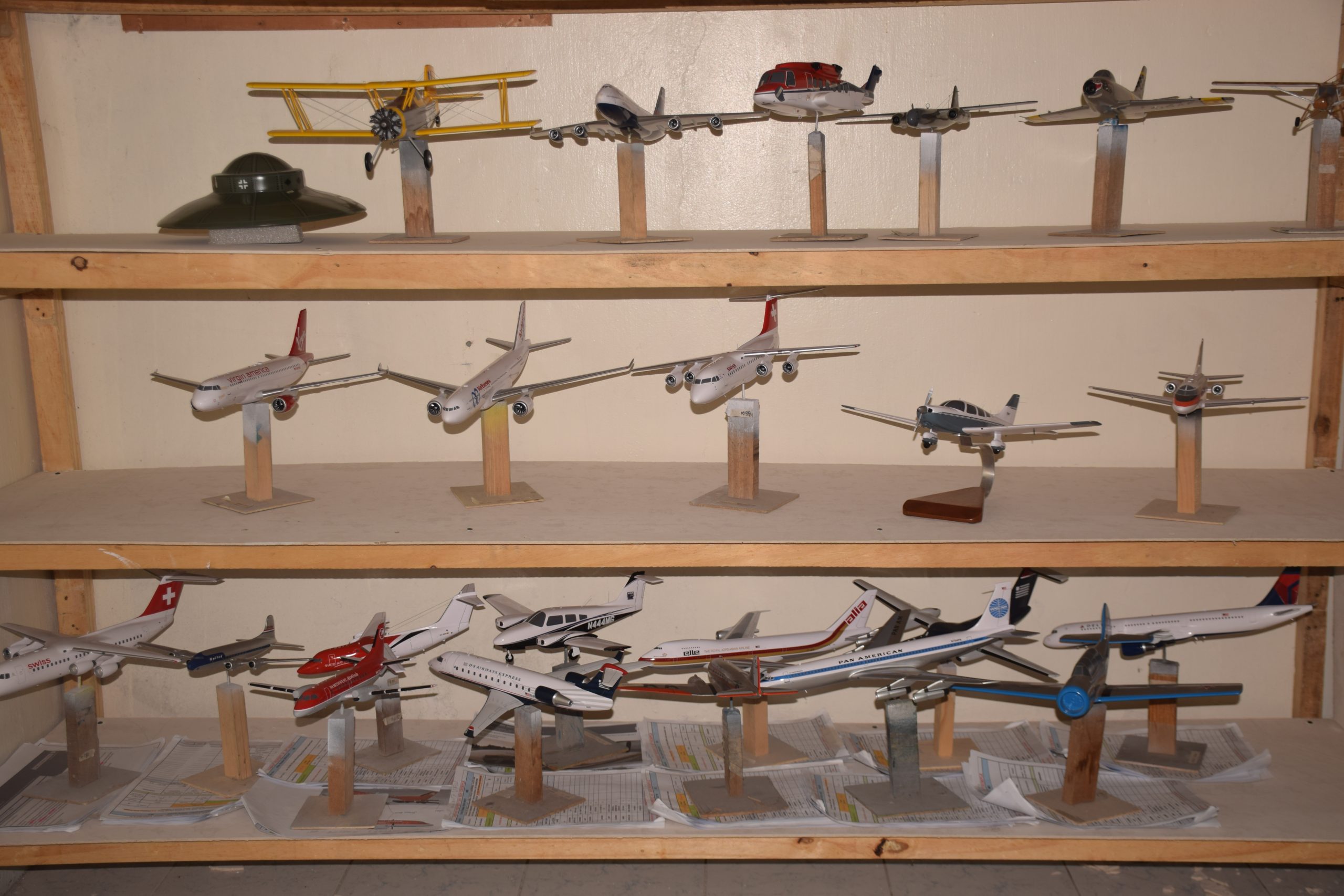
To give you confidence in what you will receive the below image is of a similar type of model (aircraft type or air force) that we have made before which shows you the detail and quality of finish that we achieve.

"You never really own a MyMahoganyModel - you merely look after it for the next generation"
The dimensions of the model we will make of the aircraft depicted in the image at the top of this page (first image in the thumbnail section) will be as follows:
LENGTH: 14.60 INCHES (37.00 CM), WINGSPAN: 9.60 INCHES (24.40 CM), SCALE: 1:48 (1/48)
eBay does not allow us to offer variations of size or scale in one listing but if you would like to see an example of the next smaller size or scale model you can do so by clicking on the link below.
Other sizes and scales apart from the two above (or other model types) available upon request - just message us for more info.

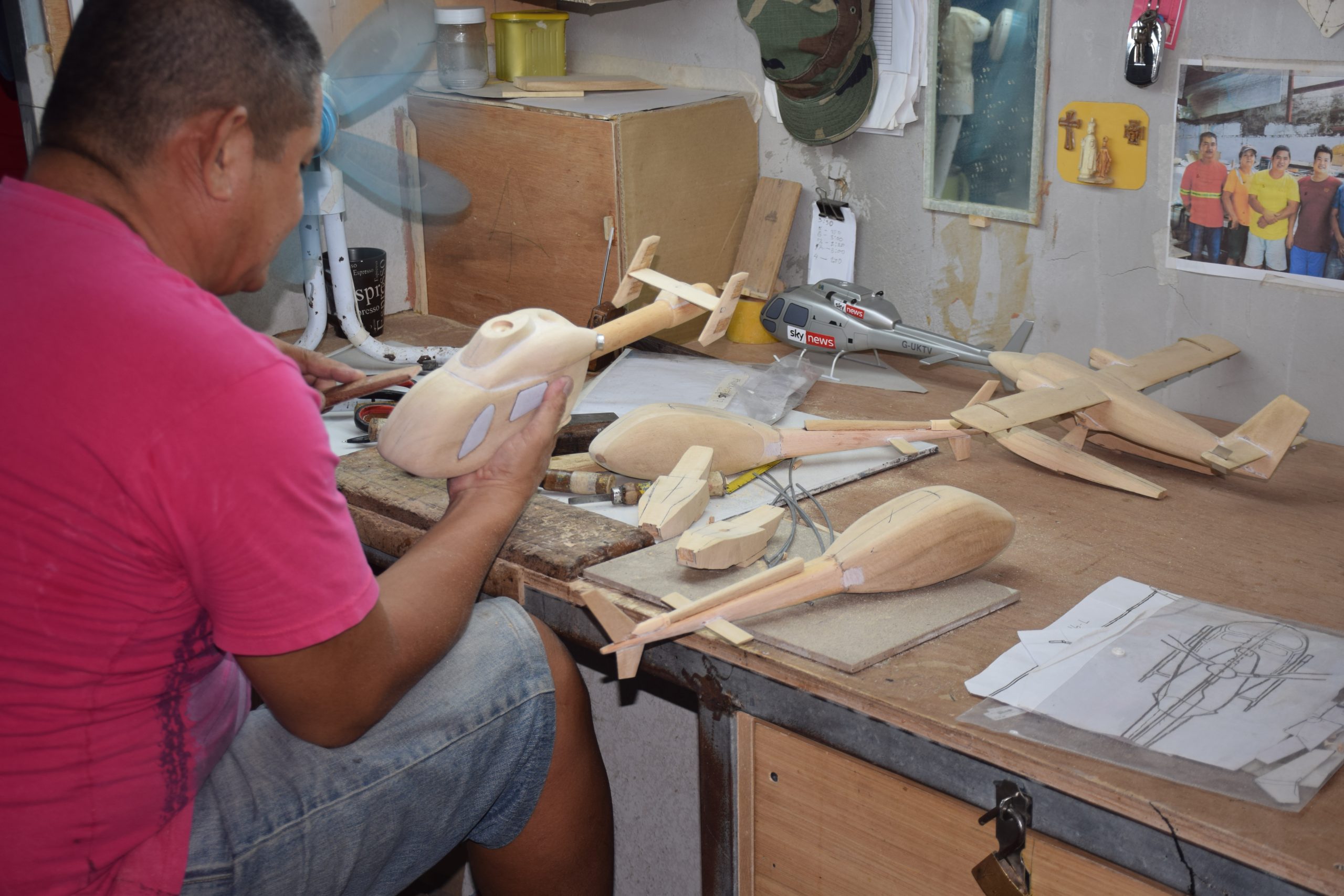
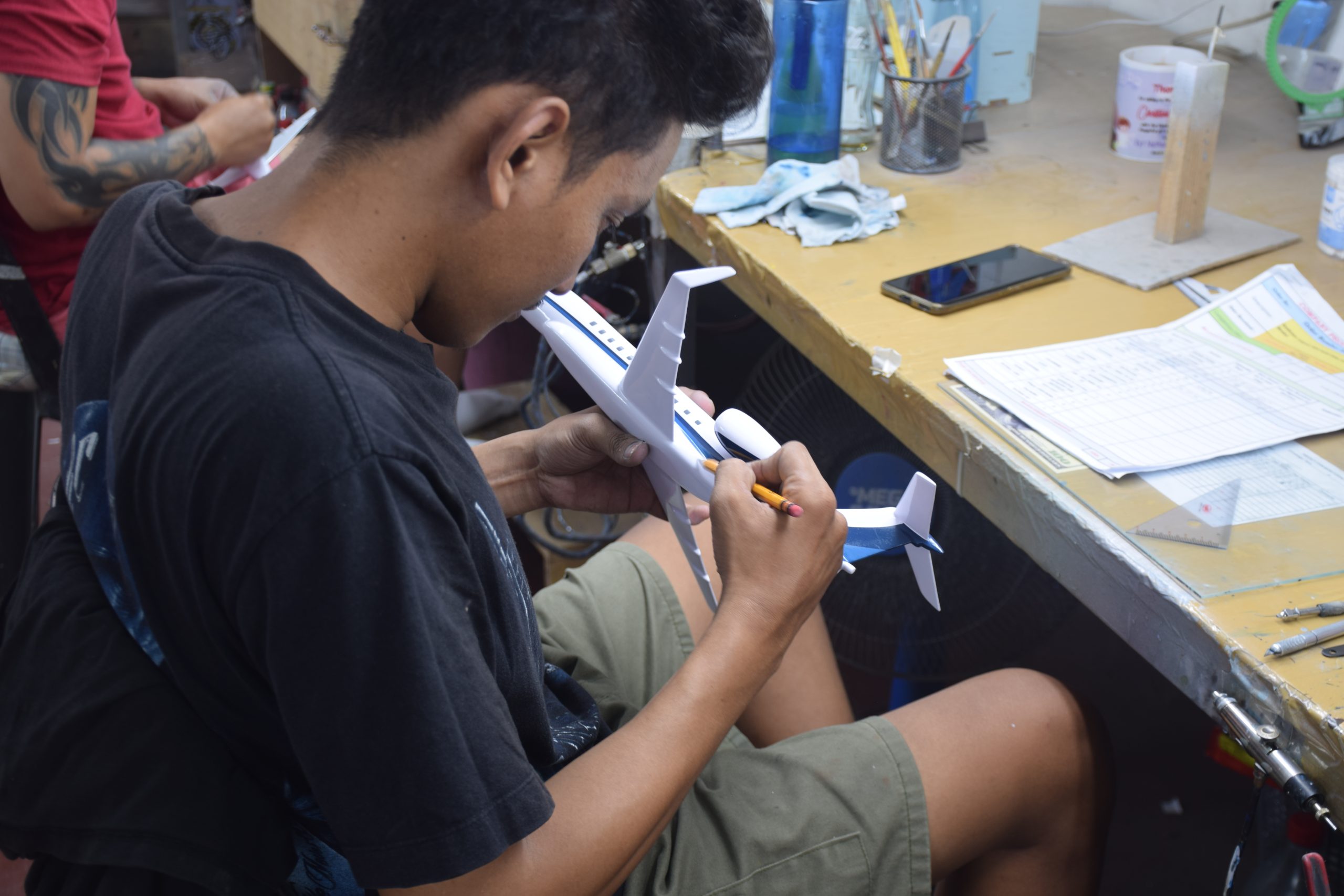
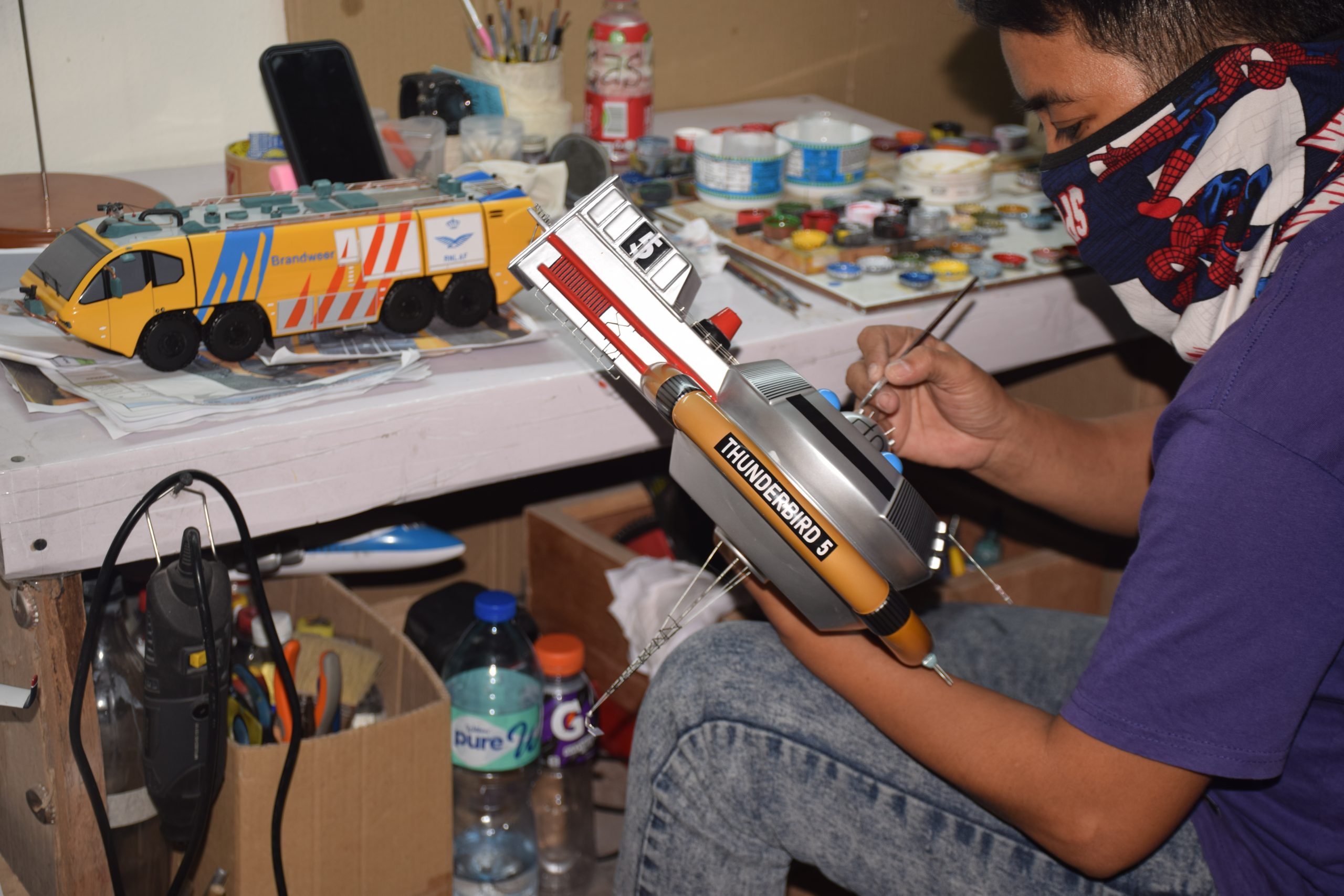
This model replica is painstakingly hand carved and then hand painted out of solid kiln dried mahogany wood(from renewable sources) by our highly experienced and talented craftsmen at our Filipino owned factory near the original Clark Air Base in Pampanga and takes about 9-10 weeks to manufacture. Production in our factory is supervised by our own resident British Pilot who ensures that exact blueprints are used for these meticulously detailed scale models custom manufactured and precisely engineered to your exact specifications and that will be cherished by all.
The model will be exactly as you see in the above image of the real aircraft and not the example we show below of a similar model we have made before. In terms of detailing (doors, windows, lights, control surface markings, antennas etc.) and livery or markings will follow the real aircraft image so we would kindly ask you to study the images very carefully (if you require higher resolution images please ask) to make sure that the model as you see is the 100% the same version you require or expect. We request your understanding on this matter due to the fact that these handmade models are traveling in many cases halfway around the world and any misunderstandings or mistaken expectations must be addressed at this as point of time as we cannot be held responsible for the costs involved in returning and replacing the model. The model will be shipped with the stand you see in the images although you may request if you like to change to either 1, 6 or 7 as in the attached image examples (just message us if a change is required).
It is our aim to continue to be a "sustainable" manufacturer avoiding the use of man-made materials wherever possible such as plastics, resins or metal in an attempt to reduce our Carbon Footprint and to protect our environment for generations to come. Our models are "works of art" and not to be confused with mass made plastic kits or diecast (die cast) look-alikes. We are proud Filipino's exporting to all parts of the globe and creating employment opportunities in an impoverished part of our country.
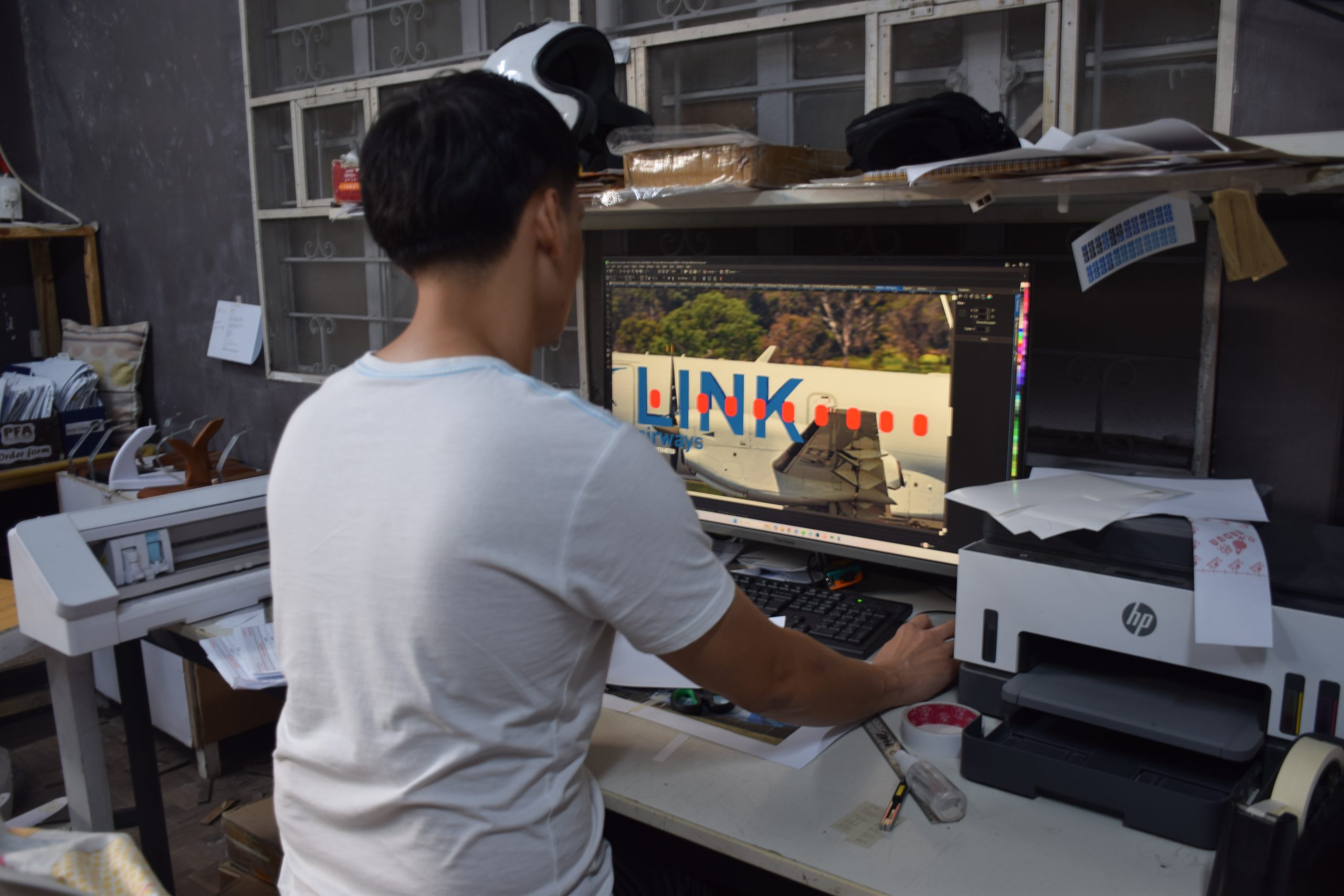
100% handmade models naturally come at a higher price than off the shelf, plastic or diecast (die cast) models but it may interest you to know that an average regular size fixed wing or helicopter model takes on average a total of 26 dedicated Man Hours of work to produce. During this time the model transitions through over 40 different manufacturing stages and processes. The 26 hours are not consecutive and require in-between many days (and in some cases weeks) of drying and curing time as they pass from one department to another making the overall production time from an outsiders point of view appear rather lengthy. Given these facts the time period we quote for production alone is very standard for our type of industry and among our close competitors. If you are interested in what goes into making these models, there follows a summary process schedule and video. Please click on the image below to start the video which will open in a separate page in your browser (the tab on in your browser for this page will still stay open so you can go back to the eBay listing)

MyMahoganyModel Manufacturing Process
Production video will open in a new window

The fully assembled model comes with a stained solid mahogany (or mahogany with steel arm) stand and is ready to display on your desk, bookcase or wherever you desire. The photographs you see have not been manipulated or digitally edited - they are exactly as the model looks in real life, but unfortunately even digital photography cannot do full justice to the look and feel of the model once you receive it!
MyMahoganyModel have been producing models for over 20 years which are honed to perfection by the dexterity of our Skilled Master Craftsmen and carefully checked at all stages of manufacture by our dedicated Quality Assurance Team. We promote internationally on eBay to ensure our products get the best exposure worldwide. Due to a high level of demand and the huge diversity of aircraft types and liveries most models are made to order and take about 9-10 weeks to produce (excluding National and Public Holidays). You will also notice that we offer models often way below the price of other companies advertising on the eBay. We are able do this because of the direct manufacturing and selling basis of our business - models direct from the factory and not from an intermediary or trading / marketing company. All models are shipped internationally through FedEx, UPS or DHL Express Courier (Door to Door worldwide within about 3 business days). Fully traceable and insured against damage or loss).
Apart from those models you see in our eBay store - using your photos or images, we will make you a personalized replica model of your aircraft with your own individual paint scheme, logos, registration number, antennas and all the details that make your airplane special. You can even upgrade and personalize your model with a fully customized transparent interior to match your seats, colors, instrument panel and all other important interior details. Alternatively, we can copy any current or historic commercial or military airplane or helicopter that has ever flown just by giving us images or photos. Each meticulously detailed scale model is custom manufactured and precisely engineered to your exact specifications. We will build you a model that will not only meet your expectations but will go far beyond and with detail that will amaze you!
If you do not see the model you require in our eBay Store please message us on eBay with a description and images of what you require including the size or scale of the desired model and we will then do a dedicated listing for you on eBay. Our Customer Service Team will then help you with questions you may have and upon request update you on the status of your order. Our Production Team will work with you personally during construction until your model is ready to taxi on its journey to your own door in its foam fitted heavy duty export packaging.
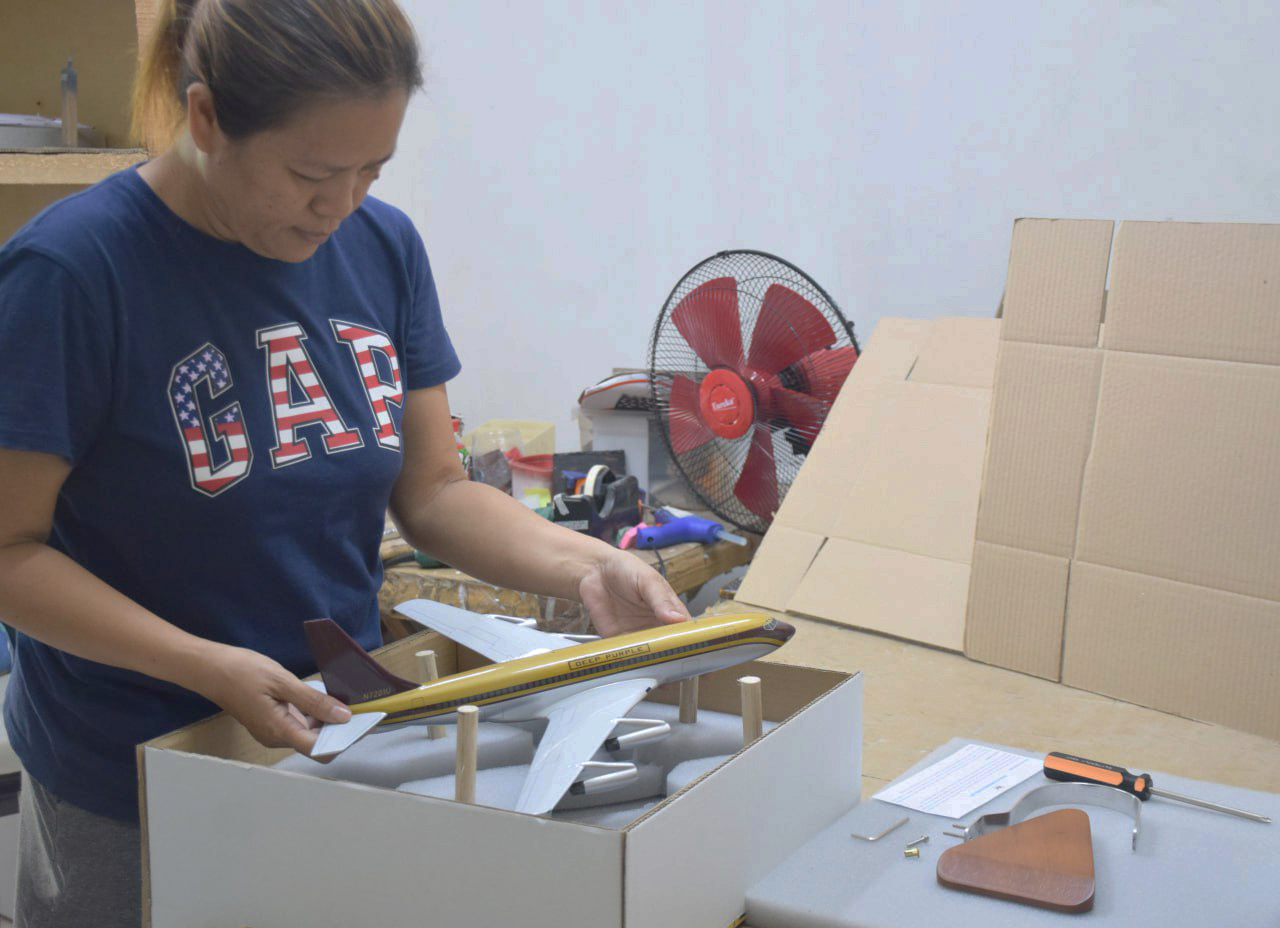
To watch a video of the professional protective packing of MyMahoganyModel models destined for all parts of the globe, please also click on the image below to start the video which will open in a separate page in your browser (the tab on in your browser for this page will still stay open so you can go back to the eBay listing)
Packing Process
Production video will open in a new window
|

McDonnell Douglas F-4J Phantom II VF-92 “Silver Kings”, United States Navy – 1973
In 1973, the McDonnell Douglas F-4J Phantom II stood at the forefront of U.S. naval aviation. It was fast, powerful, and proven in combat across multiple theaters. Among the elite squadrons flying this aircraft was Fighter Squadron 92 (VF-92), known as the “Silver Kings.” As one of the most experienced Phantom squadrons in the Pacific Fleet, VF-92 played a critical role in both peacetime carrier operations and combat deployments during the Vietnam War era. Their final deployment with the F-4J came in 1973, marking the end of an intense and storied chapter in the squadron’s history.
The F-4J Phantom II
The F-4J variant of the Phantom II was introduced to the U.S. Navy in the mid-1960s and featured significant upgrades over earlier models. It retained the Phantom’s two-seat, twin-engine configuration and could exceed Mach 2.2 at altitude. The J-model introduced the AN/AWG-10 pulse-Doppler radar, offering improved target acquisition and tracking, especially at low altitudes.
Its armament included AIM-7 Sparrow and AIM-9 Sidewinder air-to-air missiles, along with a variety of air-to-ground munitions. Though the F-4J lacked an internal cannon, it compensated with radar-guided missile capabilities and strong performance in high-speed, long-range intercept missions.
The F-4J was fully carrier-capable, equipped with strengthened landing gear, arresting hooks, and folding wings, making it ideal for the fast-paced demands of Navy carrier operations during combat cruises.
VF-92 “Silver Kings”
VF-92, the “Silver Kings,” had been operating Phantoms since the 1960s and quickly became one of the most skilled and combat-experienced F-4 squadrons in the Navy. Based at Naval Air Station Miramar, the squadron was part of Carrier Air Wing 9 (CVW-9) and made several combat deployments during the Vietnam War aboard carriers such as the USS Constellation (CV-64) and USS Enterprise (CVN-65).
By 1973, VF-92 had completed numerous combat sorties over North and South Vietnam. The squadron specialized in combat air patrol (CAP), fleet air defense, and escort missions for strike aircraft. Its F-4Js were flown by veteran crews who had logged hundreds of combat hours and regularly faced hostile airspace filled with surface-to-air missiles, anti-aircraft artillery, and the threat of enemy fighters.
The 1973 Deployment
VF-92’s final operational cruise with the F-4J took place in 1973, during the last phases of the Vietnam War. At the time, the U.S. was drawing down its combat presence following the signing of the Paris Peace Accords in January of that year. Although large-scale air operations had begun to wind down, U.S. carriers remained on station to enforce ceasefire terms, provide air cover, and maintain regional stability.
During this period, VF-92 was embarked on the USS Constellation, continuing to perform CAP and readiness exercises. The squadron also supported Operation End Sweep, the U.S. Navy’s mine-clearing mission in North Vietnamese waters. Even with the reduction in direct combat operations, VF-92’s pilots remained at a high state of alert, as political tensions in the region remained volatile.
Throughout the deployment, VF-92’s F-4Js flew barrier patrols, reconnaissance escort missions, and readiness drills, maintaining the operational tempo and precision that had become their hallmark during years of combat.
Training, Tactics, and Transition
1973 also marked a transitional period in U.S. naval aviation. Tactics developed during the Vietnam War were being refined, and the lessons learned from air combat—especially regarding maneuverability, missile reliability, and pilot training—were being implemented across the fleet. VF-92 crews were among the most experienced in the Navy, and their operational feedback contributed to tactical evolution and pilot training doctrines.
Despite the Phantom’s reputation as a missile platform, by 1973 Navy squadrons had already begun to reemphasize close-range dogfighting, driven by experiences in Vietnam. VF-92 adapted accordingly, training in dissimilar air combat tactics (DACT) and incorporating lessons learned from adversary training programs like Topgun.
Not long after this final Phantom deployment, VF-92 was scheduled to transition to the Grumman F-14 Tomcat, marking the end of its Phantom era. However, before the transition could take place, VF-92 was disestablished in 1975, along with several other squadrons during a period of postwar downsizing.
Conclusion
The McDonnell Douglas F-4J Phantom II, as flown by VF-92 “Silver Kings” in 1973, represented the pinnacle of second-generation Navy fighter aviation. VF-92’s final Phantom deployment came at the close of an intense combat period and symbolized both operational maturity and the end of an era.
The Silver Kings had taken the Phantom into battle, tested its limits, and adapted to the shifting demands of naval air combat. Their professionalism, discipline, and combat experience made them one of the most respected Phantom squadrons in the fleet. Though their time with the F-4J came to an end in the mid-1970s, the legacy of VF-92 and its role in shaping modern naval aviation lives on in the history of U.S. carrier operations.