Excerpts from Robert Hayden's obituary in the Vineyard Gazette, January 2022
Through a life dedicated to the research, recording and teaching of African-American history, he imparted the words know your history
to his family, friends, colleagues and students. A passionate storyteller and teacher, he never told a story just to tell it but to hear what you had learned though his words. The importance and joy of lifelong learning are his legacy.
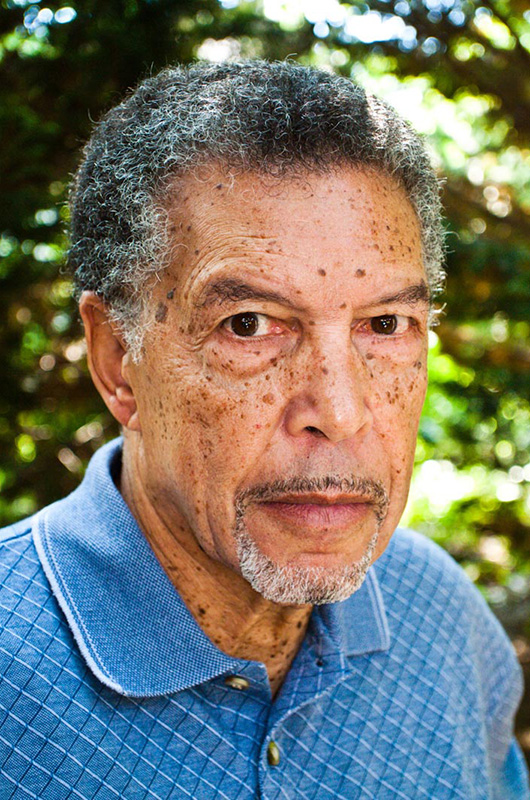 Robert C. Hayden was born in New Bedford on August 21, 1937, the son of Robert C. Hayden and Josephine W. Hayden. He graduated from New Bedford High School in 1955 and attended Boston University, receiving his bcahelor’s degree in 1959 and his master’s in 1961. After teaching middle school for several years he returned to school, completing two post-graduate fellowships — one at Harvard University’s Graduate School of Education and at the Department of Urban Studies and Planning at the Massachusetts Institute of Technology.
Robert Hayden also held an honorary doctorate degree from Bridgewater State College. Throughout the 1970 and 80s' he created created and ran educational opportunity programs in Greater Boston and worked to develop and support ethnic studies curriculem across the country. From 1978 to 2006, he taught as a senior lecturer at the University of Massachusetts at Boston, Northeastern University, Boston College and Lesley University.
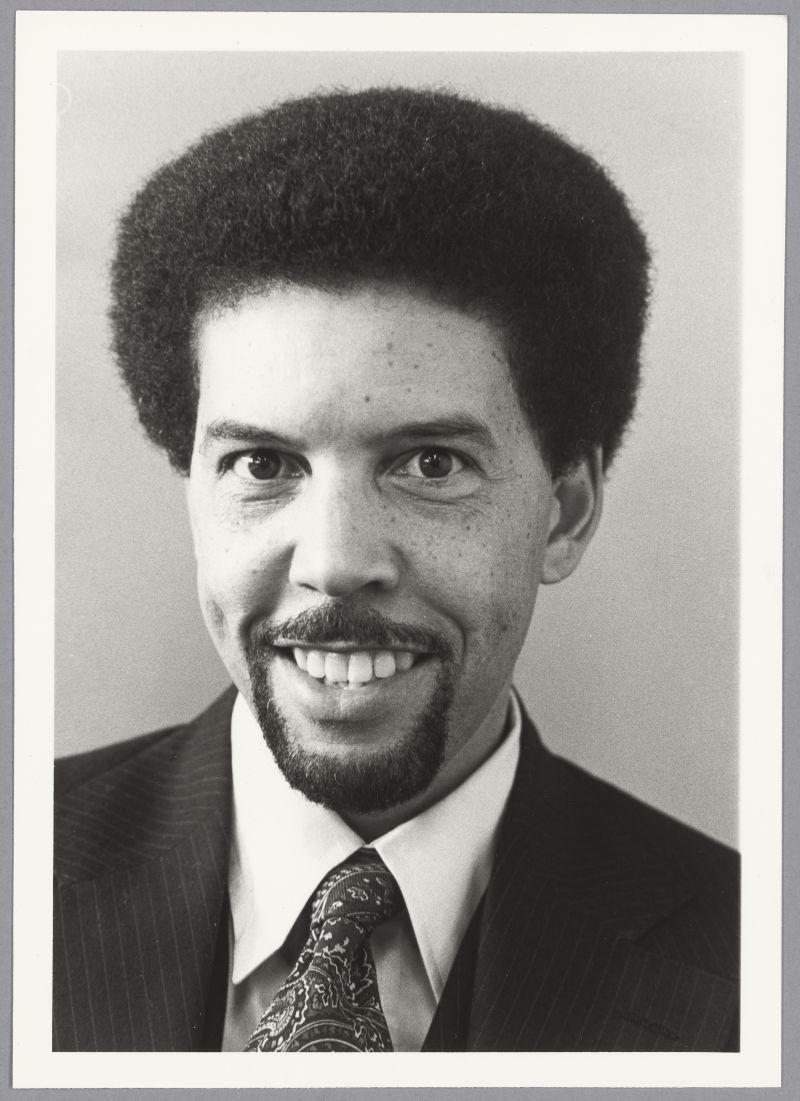
Between 1994 and 1995, he was a scholar in residence at New York Public Library’s Schomburg Center for Research in Black Culture. He served as president of Boston’s NAACP branch from 1986-1988 and received its distinguished service award in 2013. Mr. Hayden is well known for three pioneering works written in the 1970s on the history of African Americans in science, technology and medicine. From 1974 to 1983, he wrote a weekly column, Boston’s Black History, for the Bay State Banner newspaper. He was a contributing writer for the Dictionary of American Negro Biography (1982), the Encyclopedia of African-American Culture and History (1995) and American National Biography (1999). In subsequent years he authored more than 20 publications on African-American history and culture.
As a Martha’s Vineyard resident, he served on the Oak Bluffs historical commission from 1998 to 2000 while leading African-American history tours of the Island. He was the national secretary of the Association for the Study of African American Life and History and founding president of its Martha’s Vineyard branch.
In later years, he enjoyed playing golf, anything and everything that had to do with his grandchildren — especially taking them fishing and spending days at the beach, gravy and biscuits at Biscuits, meals at his favorite restaurant, Chef Deon’s Kitchen, cooking, and painstakingly combing Island shores for the perfect rocks to create his beach stone art.
Robert C. Hayden, African American in Science and Technology: 7 African American Scientists
"Seven African-American Scientists" by Robert C. Hayden is a 1992 book that highlights the achievements of seven Black scientists in various fields, including medicine, research, teaching, and astronomy. The book is part of the "Achievers: African Americans in Science and Technology" series, which aims to showcase the contributions of African Americans to science and technology. The book provides biographical information and profiles of the scientists, emphasizing their contributions to their respective fields.
Robert C. Hayden, African American in Science and Technology: 11 African American Doctors
Robert C. Hayden's "11 African American Doctors" chronicles the achievements of several prominent African American physicians who made significant contributions to healthcare and medicine, including James McCune Smith, the first African American to receive a medical degree, and Meta Christy, the first African American osteopathic physician. The book also highlights other notable figures like Dr. James Durham, who practiced medicine after buying his freedom.
The book explores the lives and accomplishments of eleven African American physicians who impacted healthcare through medical practice, research, or teaching. This group includes:
- James McCune Smith: The first African American to receive a medical degree.
- Meta L. Christy: The first African American osteopathic physician.
- Dr. James Durham: A physician who practiced medicine after buying his freedom.
- Patricia Bath: The first Black female to study ophthalmology and receive a medical patent.
- Other prominent figures: The book likely includes the achievements of other notable physicians in the African American community, including those who may not have been the "first" but still made significant contributions.