

3 x 800g Aptamil Comfort Infant Baby Milk From Birth to 12 Months Formula

Whey protein hydrolysate (from milk), Vegetable oils (Palm oil, Rapeseed oil, Sunflower oil, High oleic sunflower oil, Coconut oil), Glucose syrup, Galacto-oligosaccharides (GOS) (from milk), Maltodextrin, Potato starch, Maize starch, Lactose (from milk), Fructo-oligosaccharides (FOS), Fish oil, Potassium dihydrogen phosphate, Calcium phosphate, Calcium chloride, Choline chloride, Oil from Mortierella Alpina, Magnesium hydrogen phosphate, Potassium chloride, Sodium chloride, Vitamin C, Inositol, Taurine, Ferrous sulphate, L-Carnitine, Zinc sulphate, Uridine 5'-monophosphate sodium salt, Vitamin E, Cytidine 5'-monophosphate, Pantothenic acid, Adenosine 5'-monophosphate, Inosine 5'-monophosphate sodium salt, Nicotinamide, Guanosine 5'-monosulphate sodium salt, Copper sulphate, Riboflavin, Emulsifer (Soy lecithin), Vitamin A, Thiamin, Vitamin B6, Potassium iodide, Folic acid, Antioxidant (Ascorbyl palmitate), Manganese sulphate, Sodium selenite, Vitamin K1, Vitamin D3, Biotin, Vitamin B12.
Allergy Advice: For allergens, see ingredients in bold.
Typical values 100ml prepared feed
Energy: 276kJ/66kcal
Fat: 3.4g
of which, saturates: 1.4g
of which, mono-unsaturates: 1.4g
of which, polyunsaturates: 0.6g
of which, LCPs†: 0.038g
- Arachidonic acid (AA): 0.017g
- Docosahexaenoic acid (DHA): 0.017g
Carbohydrate: 7.0g
of which, sugars: 3.3g
of which, lactose: 2.7g
of which, polyols: 0.016g
- Inositol: 0.009g
of which, starch: 1.4g
Fibre: 0.6g
of which, GOS°: 0.48g
of which, FOS◊: 0.08g
Protein‡: 1.5g
Salt: 0.07g
Vitamins
Vitamin A: 58µg
Vitamin D3: 1.7µg
Vitamin E: 1.7mg TE
Vitamin K1: 4.9µg
Vitamin C: 9.1mg
Thiamin (B1): 0.06mg
Riboflavin (B2): 0.14mg
Niacin (B3): 0.43mg
Vitamin B6: 0.04mg
Folate: 14.0µg
Vitamin B12: 0.08µg
Biotin: 1.7µg
Pantothenic acid: 0.57mg
Minerals
Sodium: 28.0mg
Potassium: 81mg
Chloride: 51mg
Calcium: 59mg
Phosphorus: 33mg
Magnesium: 5.1mg
Iron: 0.73mg
Zinc: 0.48mg
Copper: 0.051mg
Manganese: 0.006mg
Fluoride: ≤0.006mg
Selenium: 3.0µg
Chromium: ≤6.0µg
Molybdenum: ≤6.0µg
Iodine: 13µg
Others
L-Carnitine: 2.1mg
Choline: 25mg
Taurine: 5.4mg
Non-caloric carbohydrate (GOS°): 0.2g
Nucleotides: 2.3mg
Osmolarity: 230mOsmol/l
Osmolality: 260mOsmol/kg H2O
†Long-chain polyunsaturated fatty acids
°Galacto-oligosaccharides
◊Fructo-oligosaccharides
‡Partially hydrolysed cow's milk protein
Because powdered milks are not sterile, failure to follow instructions may make your baby ill.
1. Wash hands and sterilise all utensils according to manufacturers' instructions.
2. Boil 1 litre of freshly run water. Leave kettle to cool for 30 minutes and no longer. Measure the required amount of water (refer to feeding guide) into a sterilised bottle. Be careful of scalding. Do not use artificially softened or repeatedly boiled water.
3. Using the scoop provided level off the powder with the built-in leveller. Do not press/heap the powder.
4. Add the correct measure of powder to the water. Adding too many or too few scoops can be harmful. Place the sterilised teat and cap on the bottle. Hold the bottle horizontally and shake from left to right for 10 seconds, then hold it vertically and shake from top to bottom for 10 seconds. The time between adding the scoops and shaking the bottle should be as short as possible.
5. Cool under running tap. Check temperature of feed. Feed immediately.
Due to the blend of ingredients in Aptamil® Comfort, the milk can separate once prepared. If this occurs, shake the bottle vigorously to mix and use as normal.
You may notice that your baby’s stools change consistency when using this formula, this is completely normal.
Age indication:
Suitable from birth
Legal name:
Food for Special Medical Purposes with partially hydrolysed protein and oligosaccharides
Store powder in a cool, dry place. Do not refrigerate. Use powder within 4 weeks of opening.
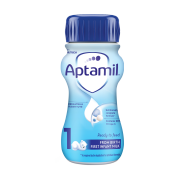
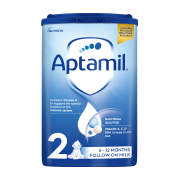
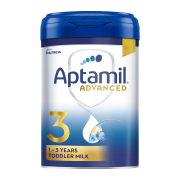

Get in touch with our Careline experts
Our midwives, nutritionists and feeding advisors are always on hand to talk about feeding your baby. Contact us by eBay Messenger.
Send messageImportant notice
Breastfeeding is best. Infant milk is suitable from birth, when babies are not breastfed. Follow-on milk is only for babies over 6 months, as part of a mixed diet and should not be used as a breastmilk substitute before 6 months. We advise that the use of formula milks and the decision to start weaning should be made only on the advice of a doctor, dietitian, pharmacist or other professional responsible for maternal and childcare based on baby's individual needs. Use Toddler milk as part of a varied, balanced diet from 1 year.
Breastfeeding is recommended from birth onwards with the introduction of appropriate weaning foods around 6 months. Talk to a healthcare professional.

