Feature:
1. 1.The testing slot is up to 8mm, can test filmed glass directly .
2. 2.Compact, portable, battery powered, ultra-low power consumption.
3. 3.UV rejection meter, IR rejection meter, Visible light Transmittance Meter, Three functions in ONE device.
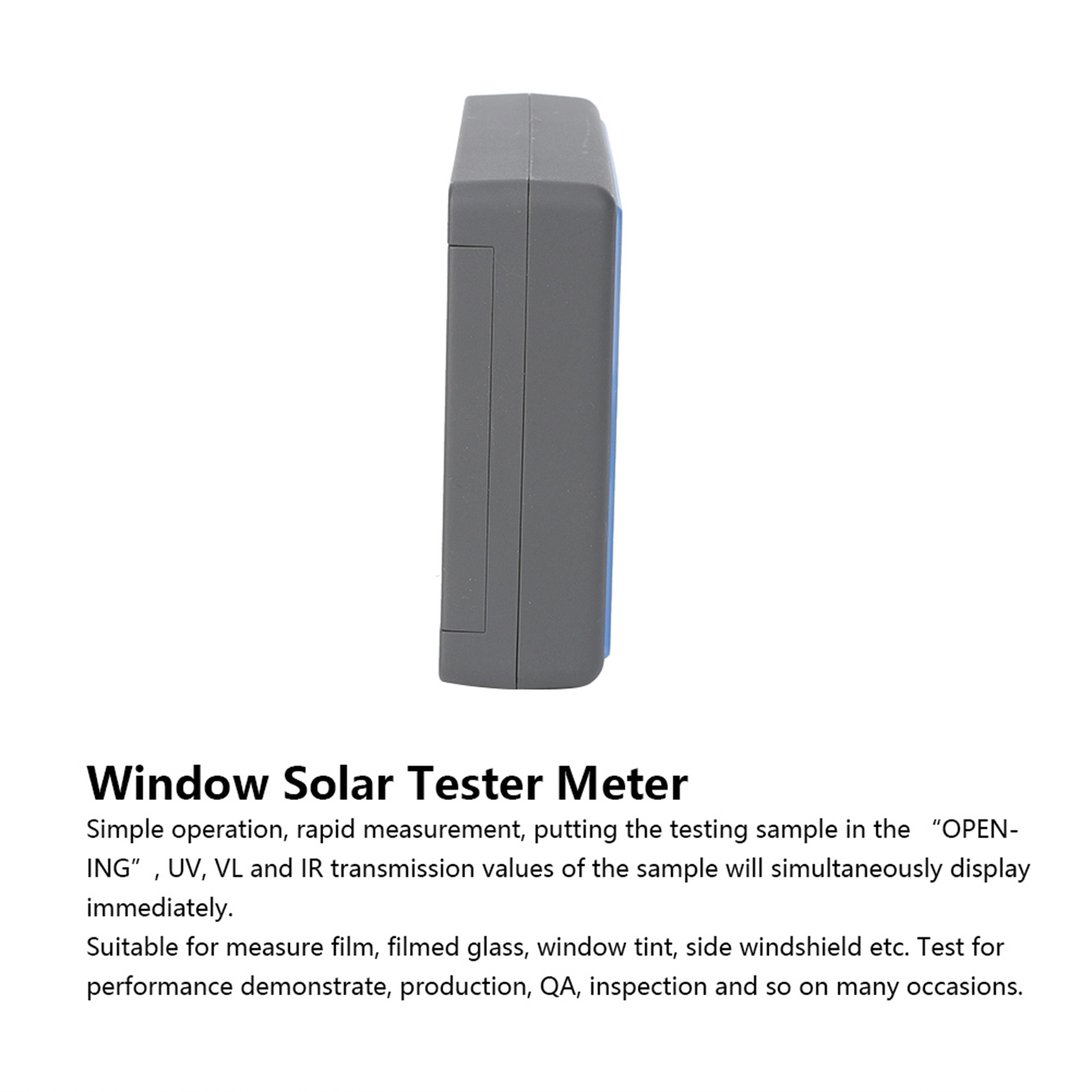
4. 4.Simple operation, rapid measurement, putting the testing sample in the “OPENING”, UV, VL and IR transmission values of the sample will simultaneously display immediately.
5. 5.Suitable for measure film, filmed glass, window tint, side windshield etc. Test for performance demonstrate, production, QA, inspection and so on many occasions.
Specification:
Description:
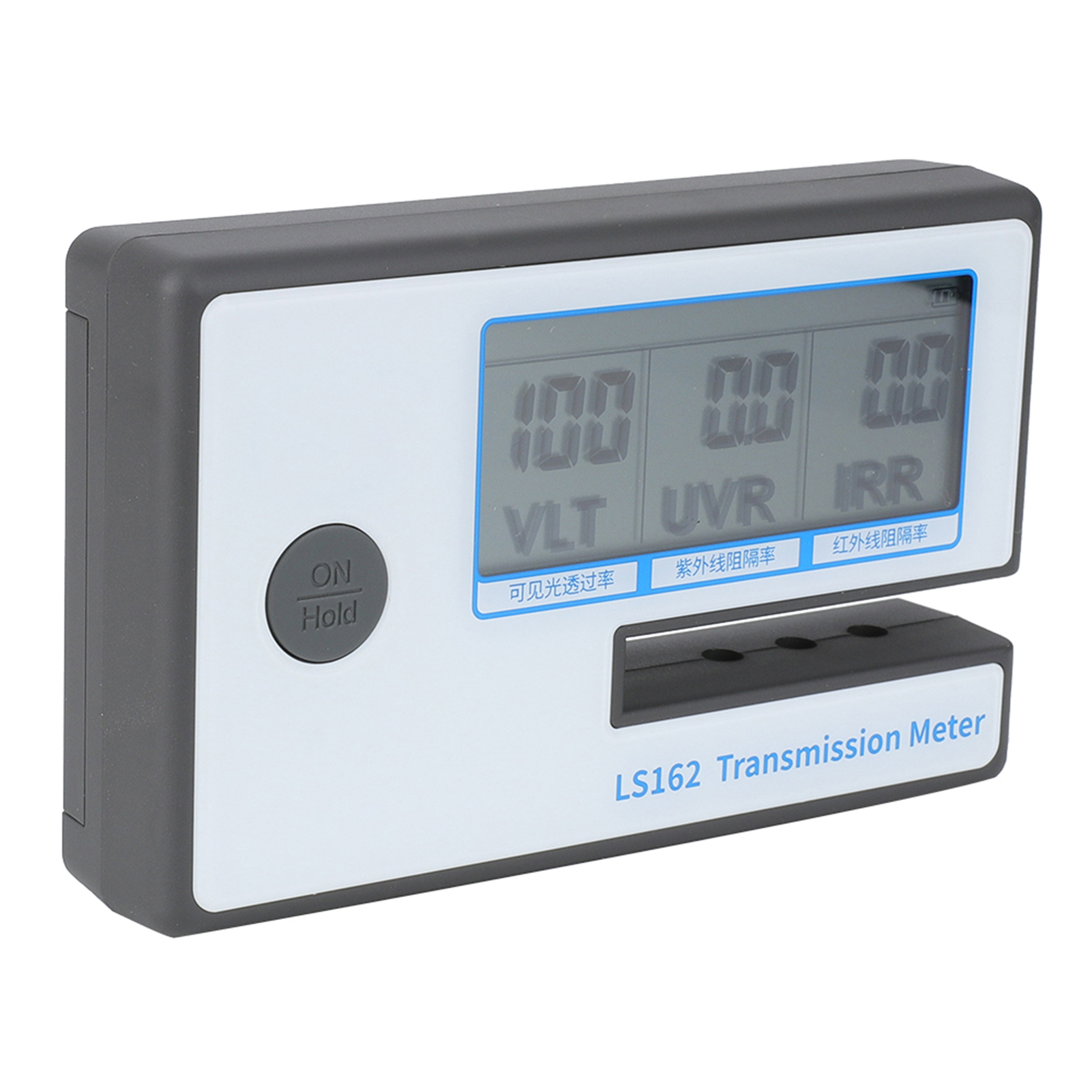
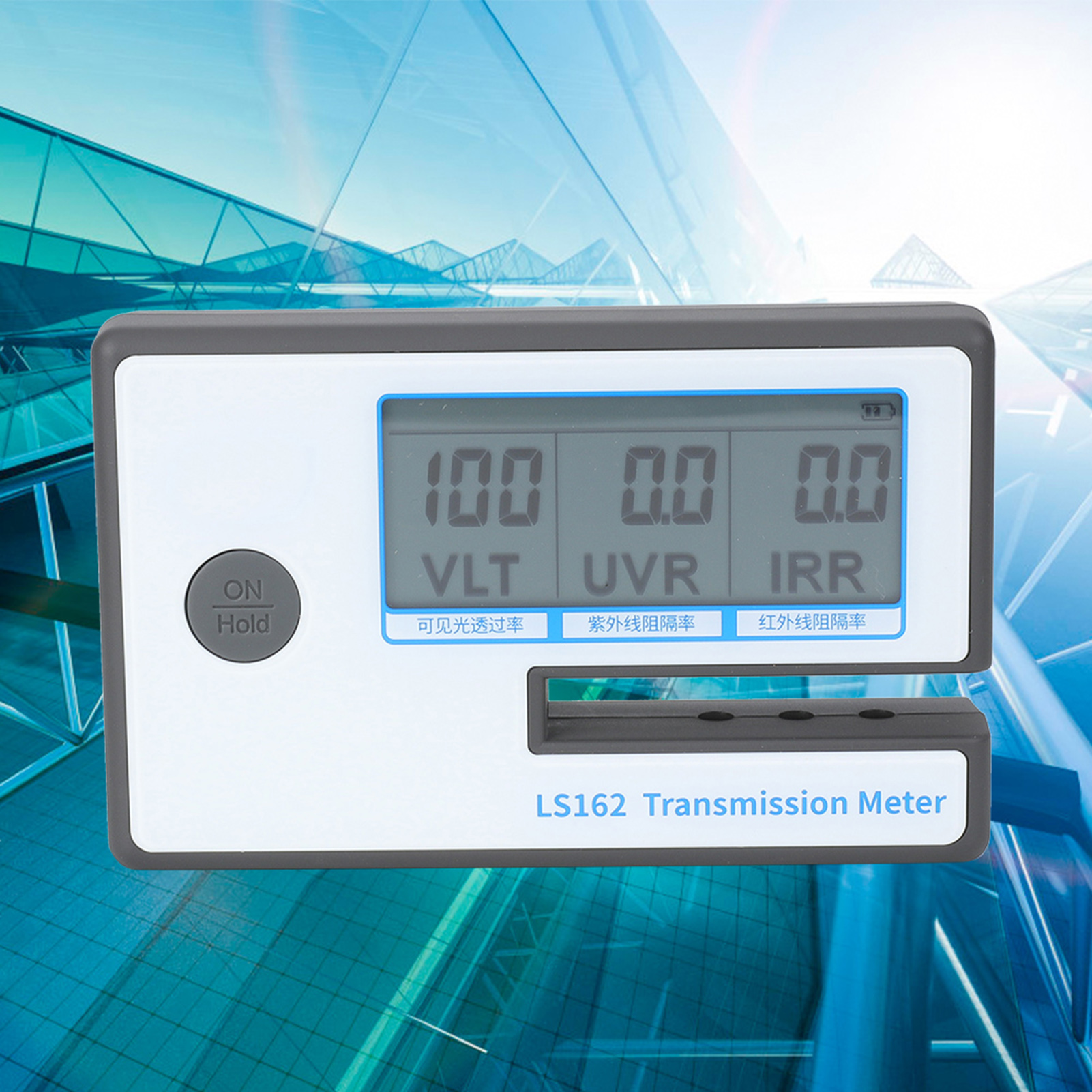
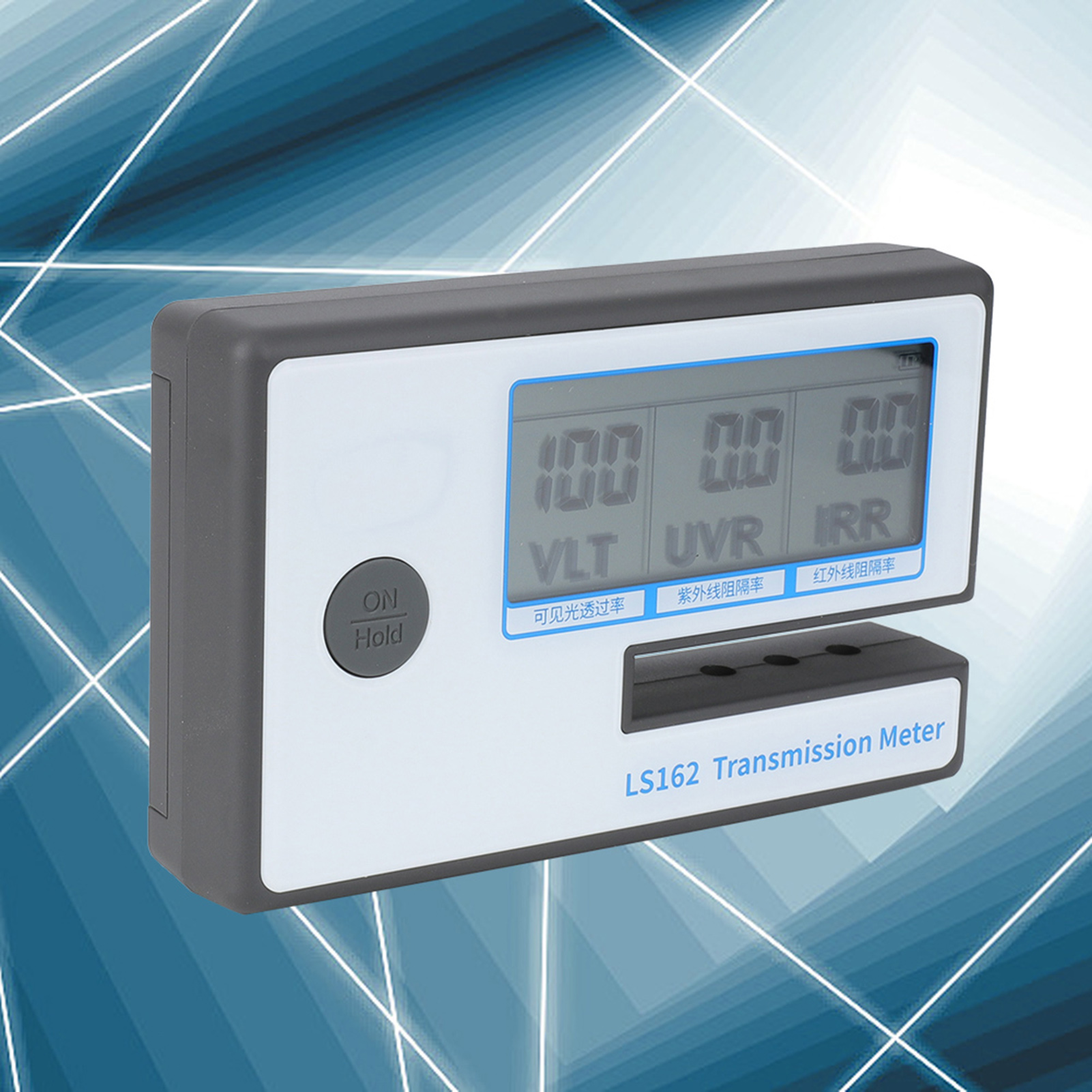
The LS162 transmission meter is a portable transmittance tester. It can measure the infrared blocking rate, ultraviolet blocking rate and visible light transmittance of solar film, film glass and other materials at the same time.
Features:
1.The testing slot is up to 8mm, can test filmed glass directly .
2.Compact, portable, battery powered, ultra-low power consumption.
3.UV rejection meter, IR rejection meter, Visible light Transmittance Meter, Three functions in ONE device.
4.Simple operation, rapid measurement, putting the testing sample in the "OPENING", UV, VL and IR transmission values of the sample will simultaneously display immediately.
5.Suitable for measure film, filmed glass, window tint, side windshield etc. Test for performance demonstrate, production, QA, inspection and so on many occasions.
Specifications:
Condition:100% Brand New
Color: As shown in the picture
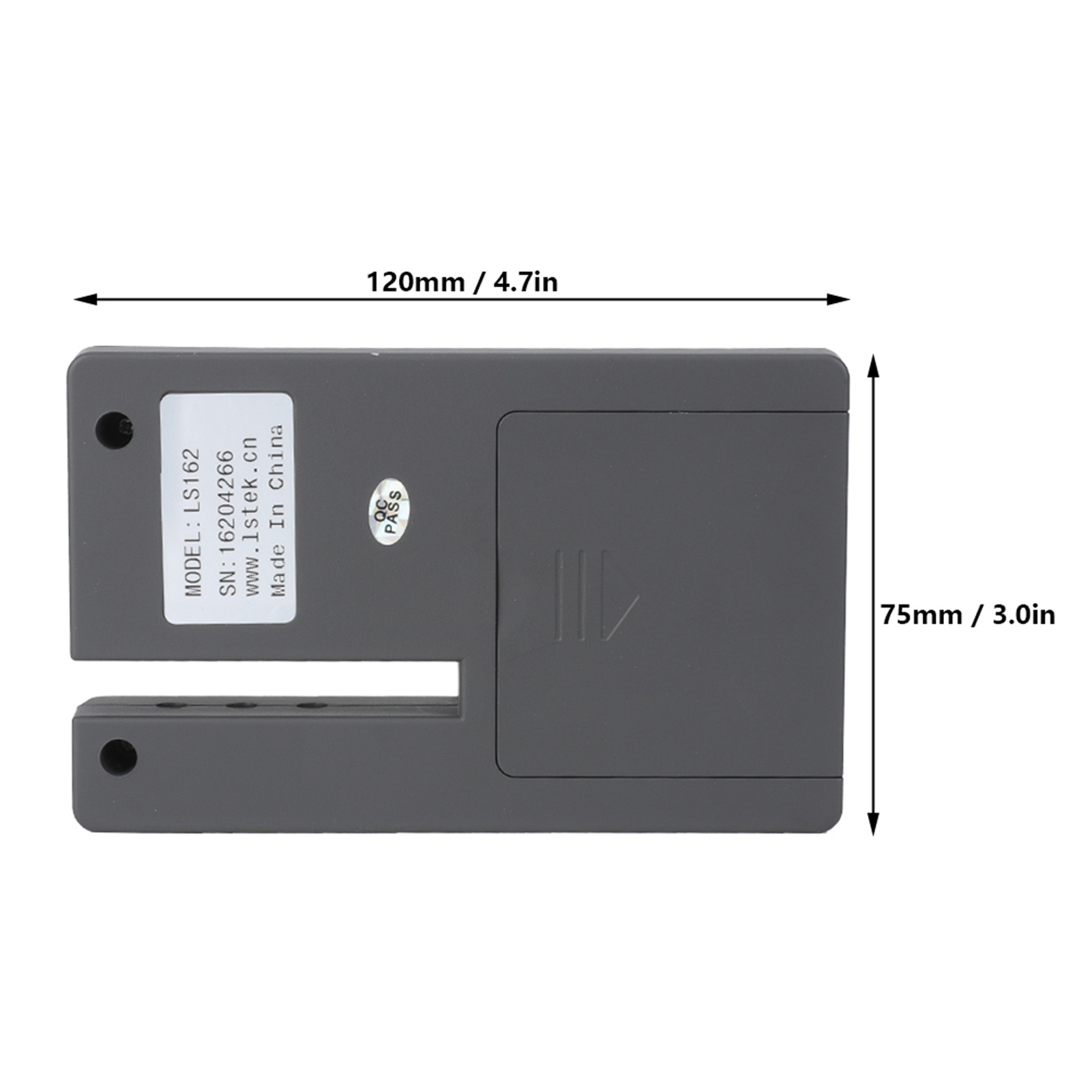
Size: Approx.120*75*25mm / 4.7*3.0*1.0in(L*W*H)
Thickness of testing sample: < 8mm
Resolution: 0.1%
Accuracy: ±2%(Colorless and transparent material)
VL wavelength: 550nm
UV wavelength: 365nm
IR wavelength: 950nm
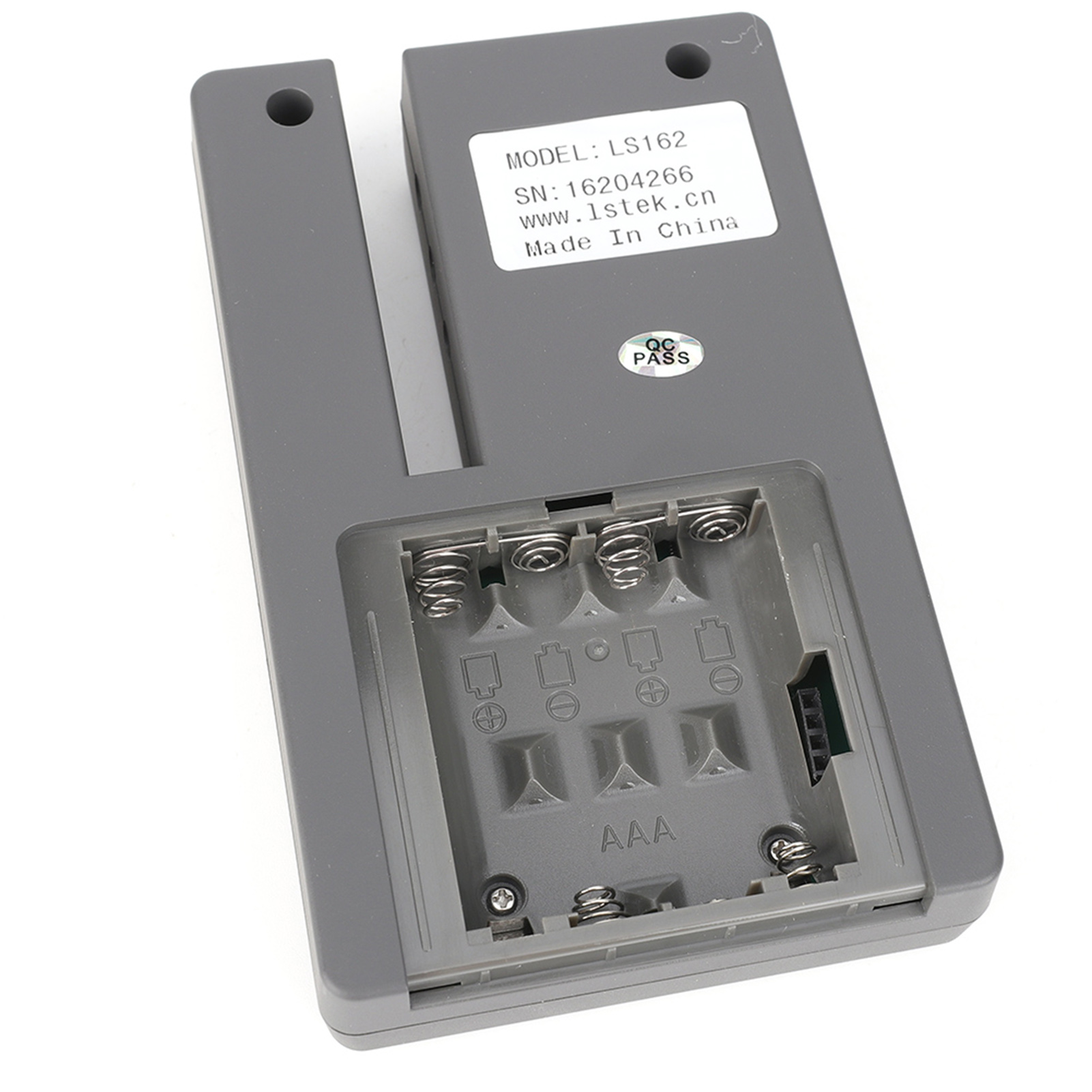
Power Supply: 4*AAA alkaline battery (Not include)
Package List:
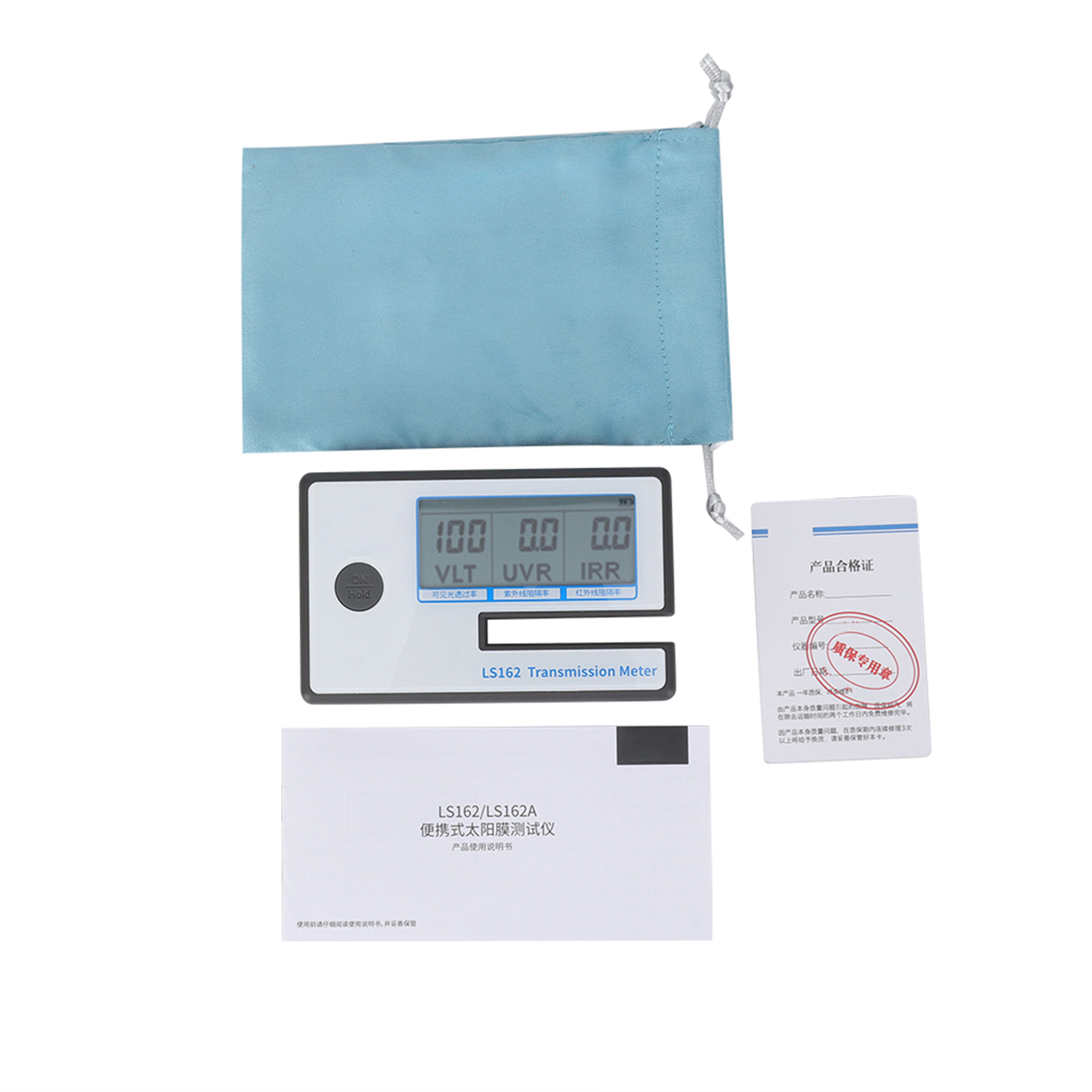
1*Solar Film Transmission Meter,
1*Instruction Manual
Note: