Features:
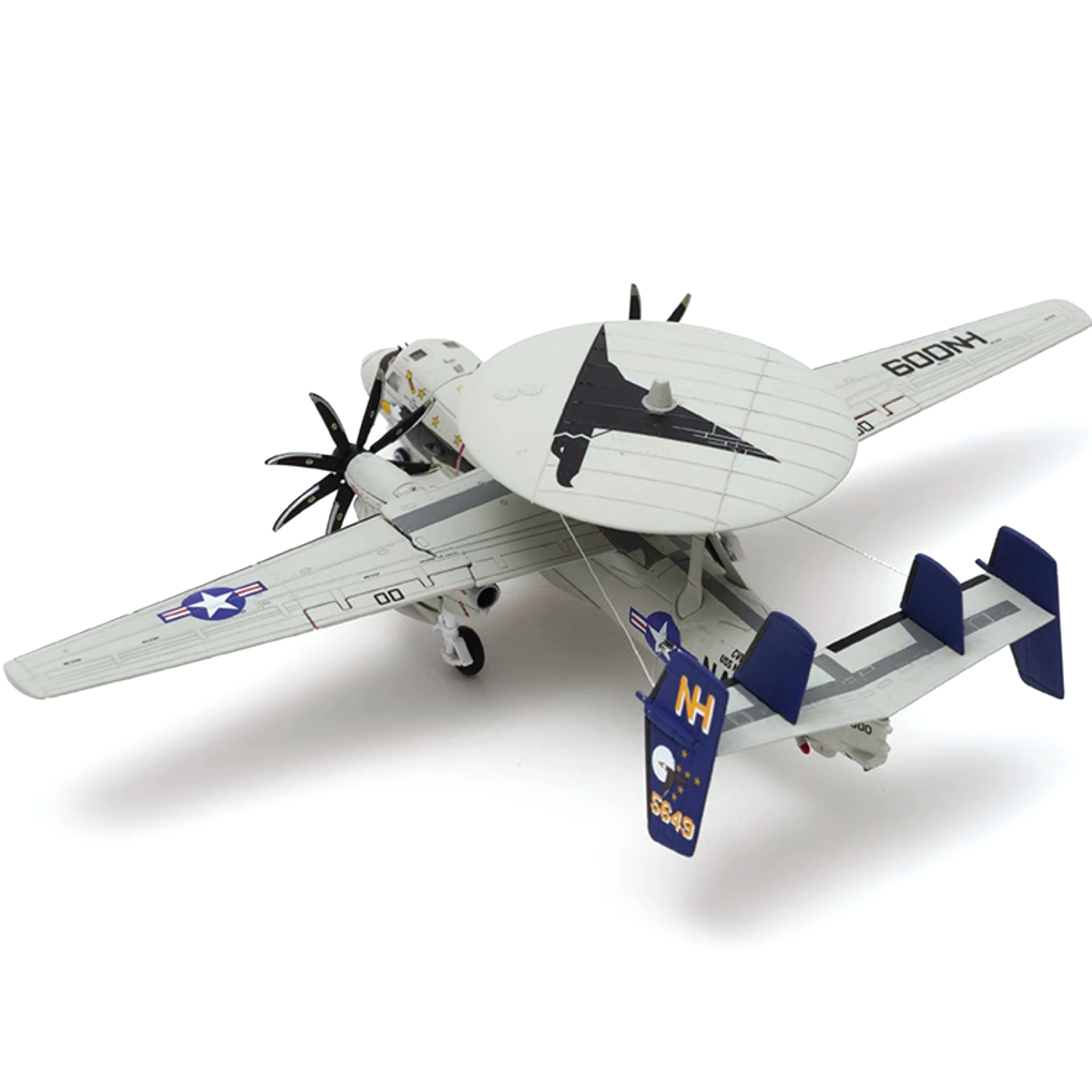
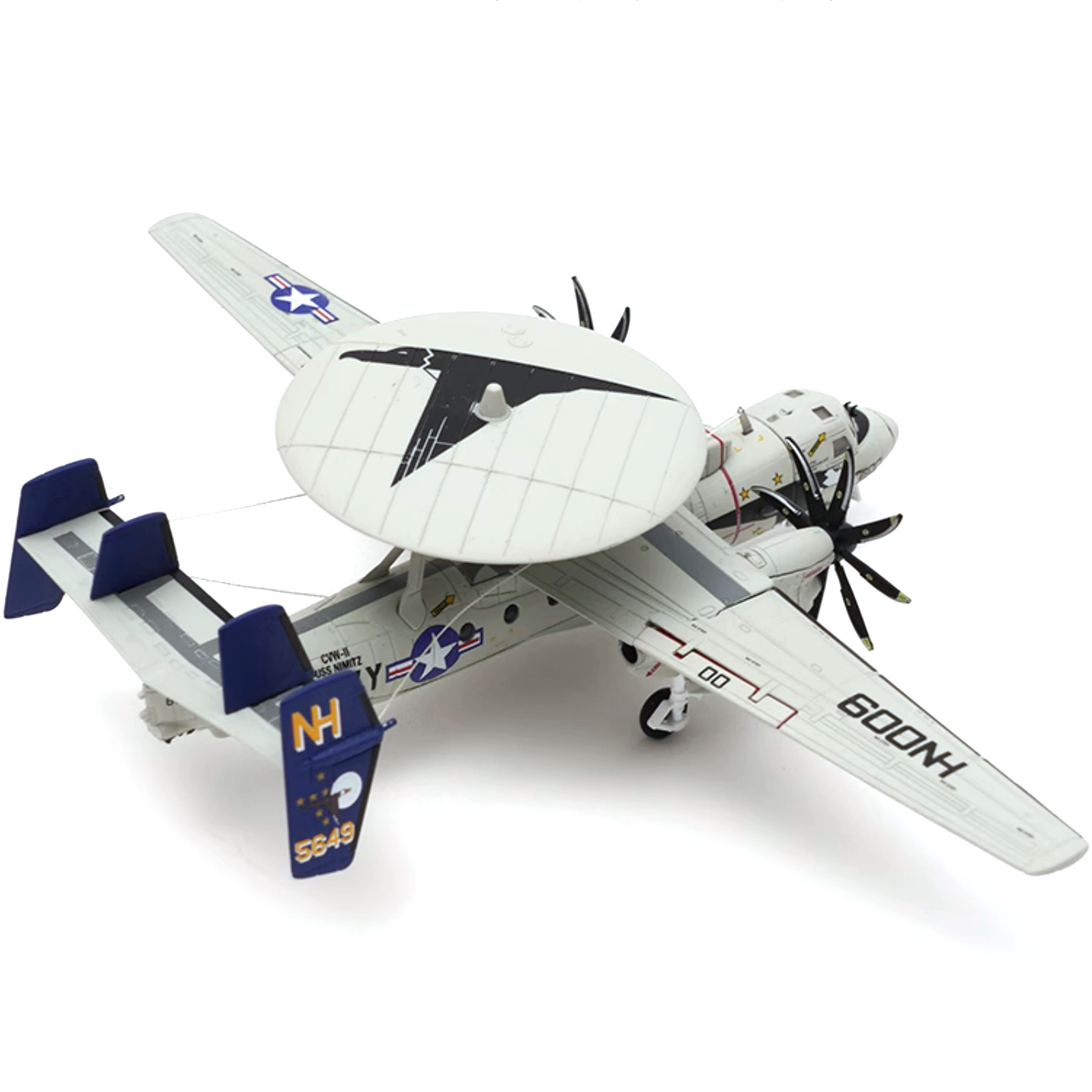
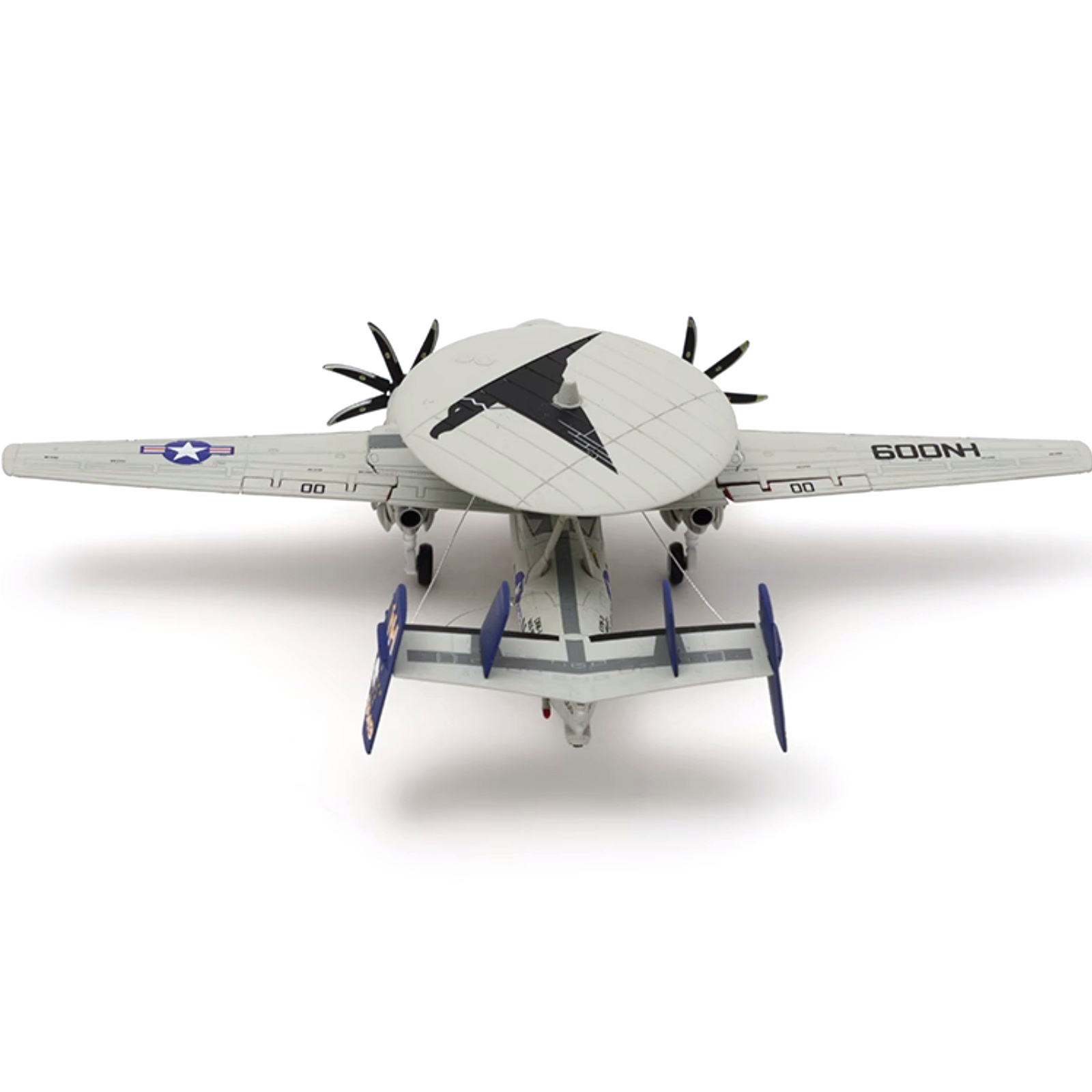
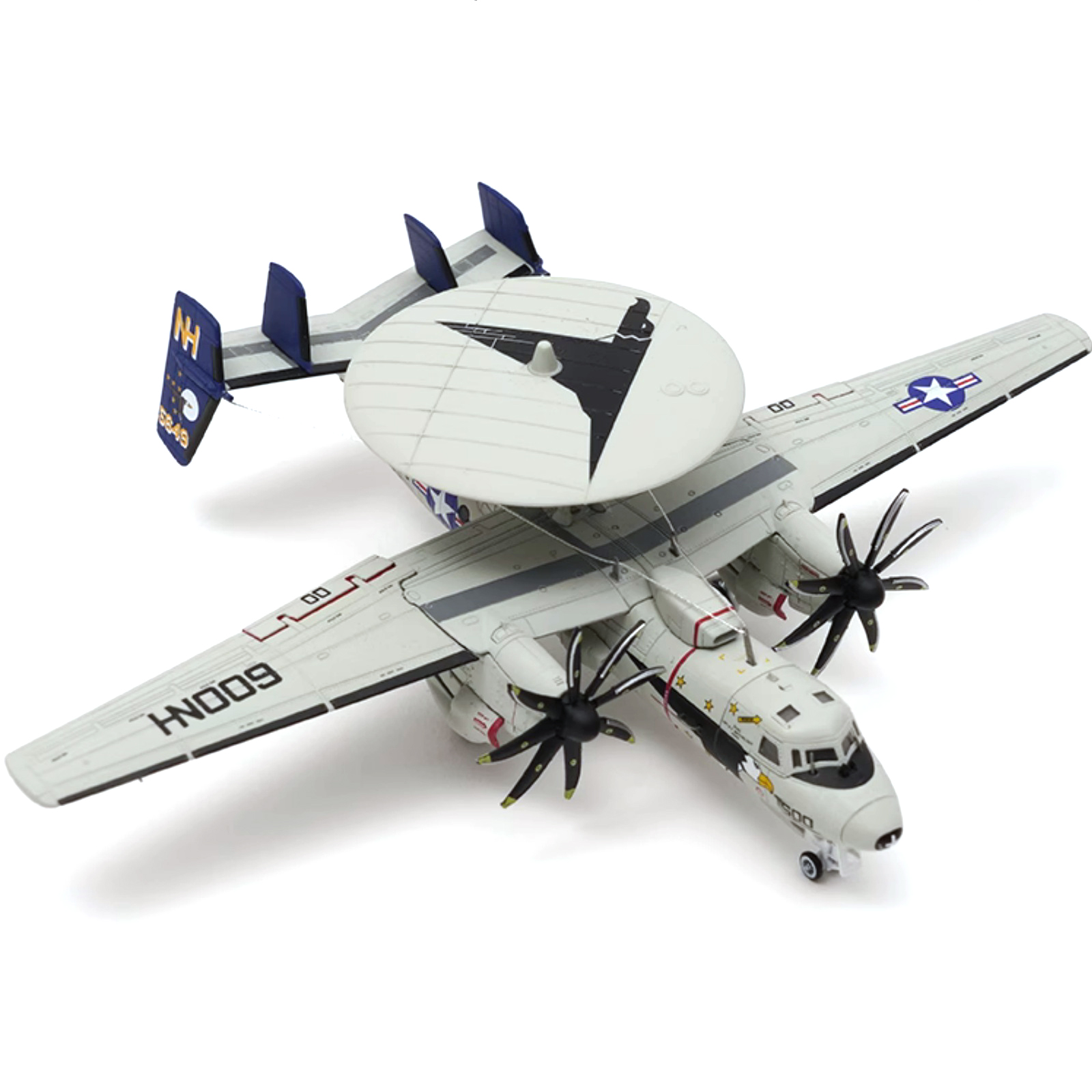
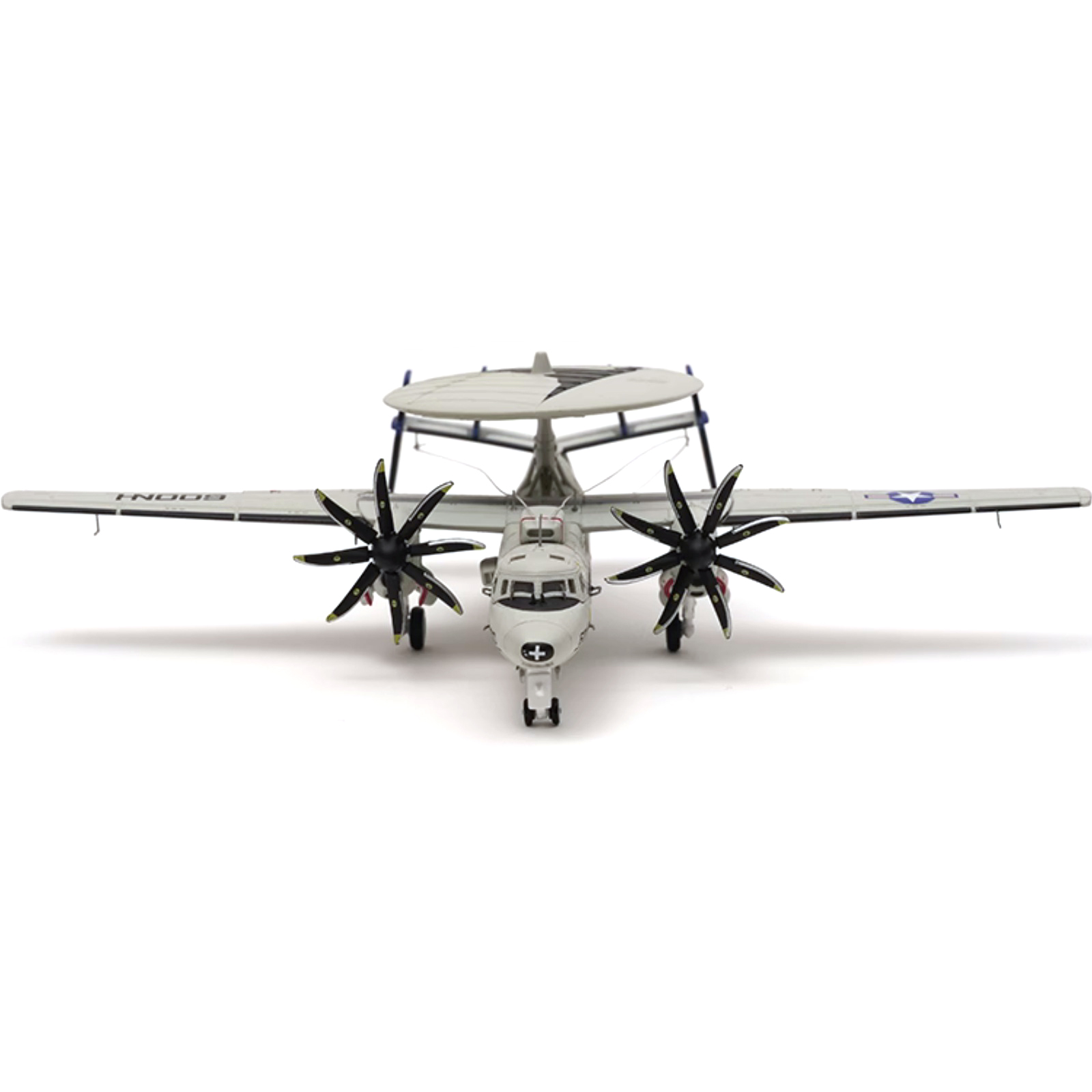
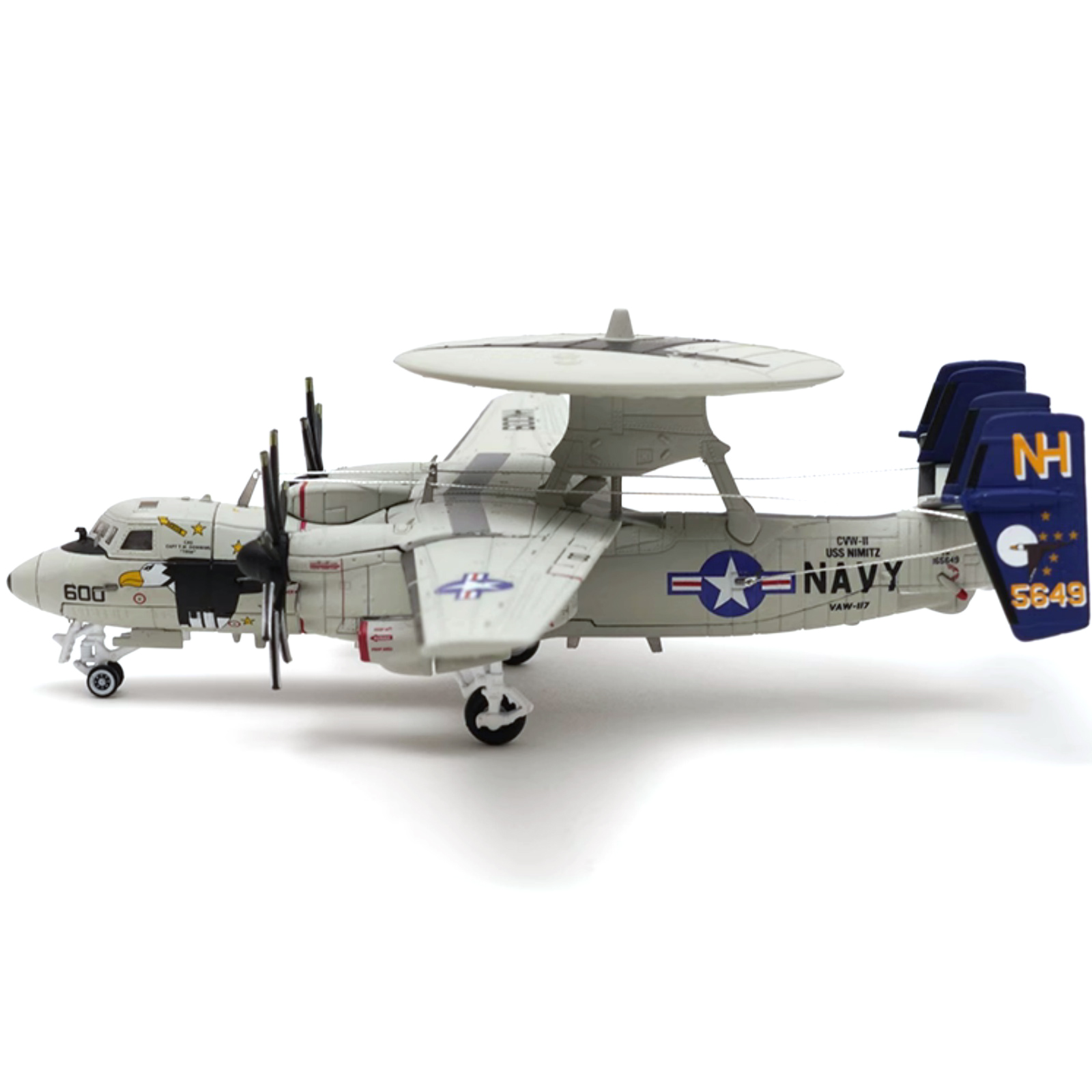
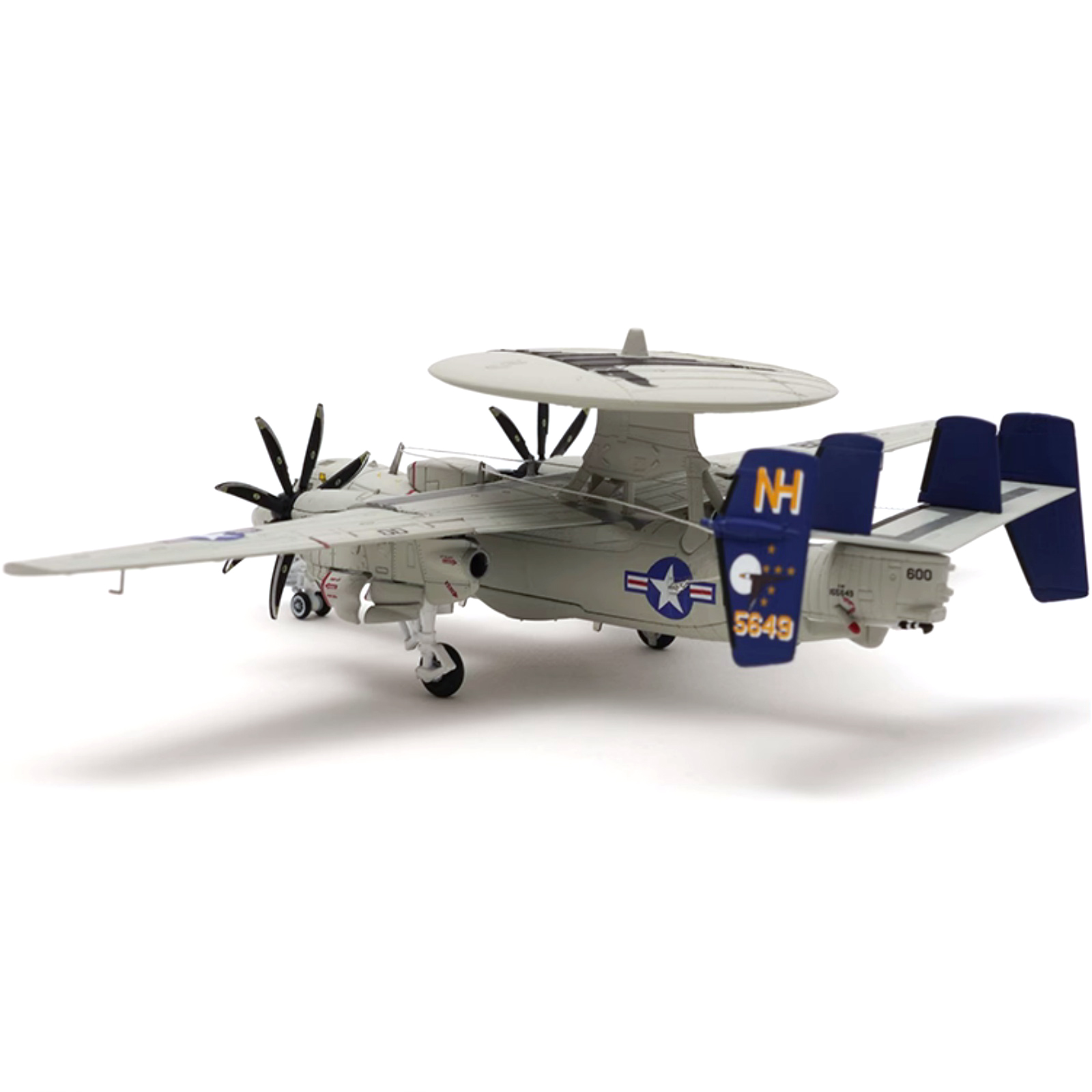
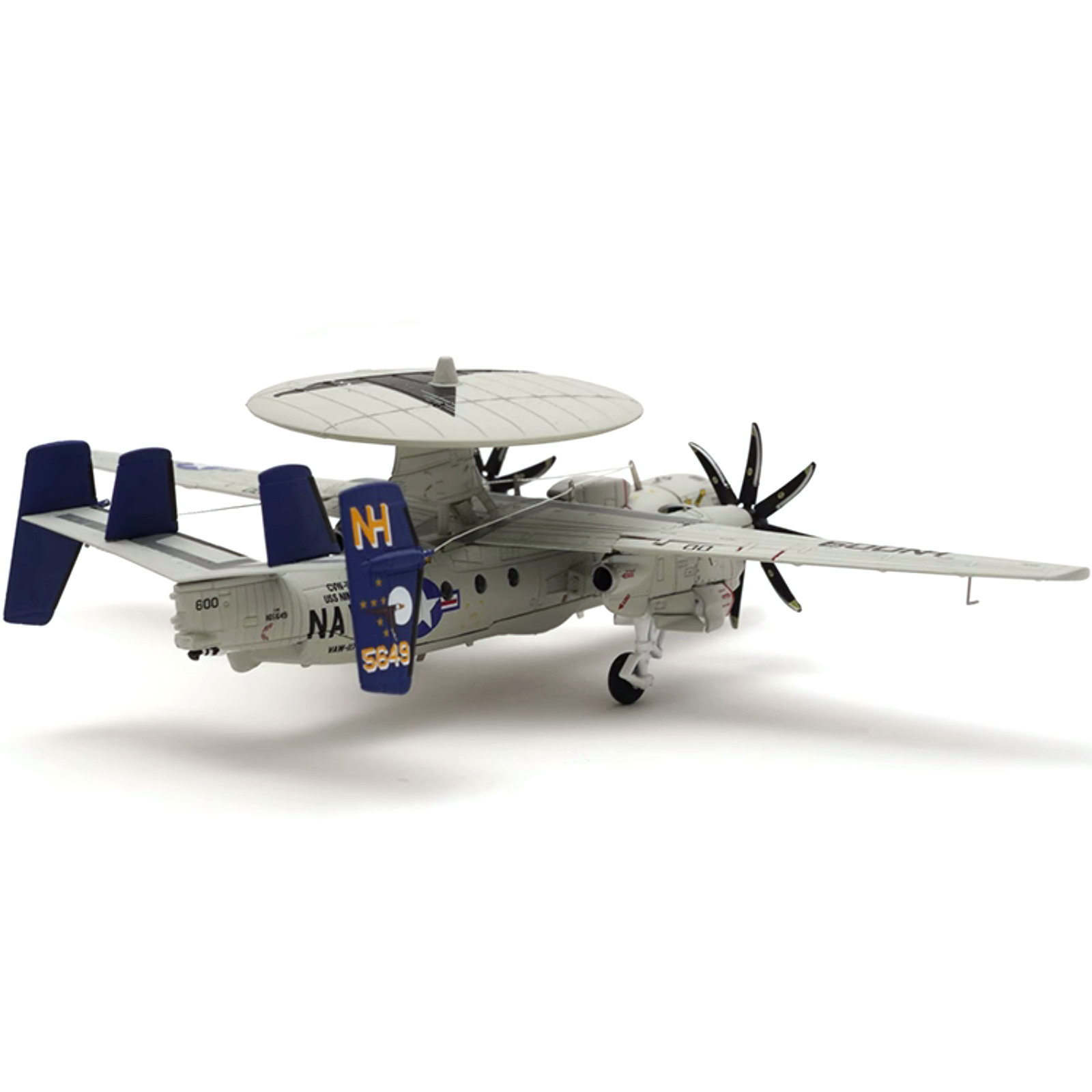
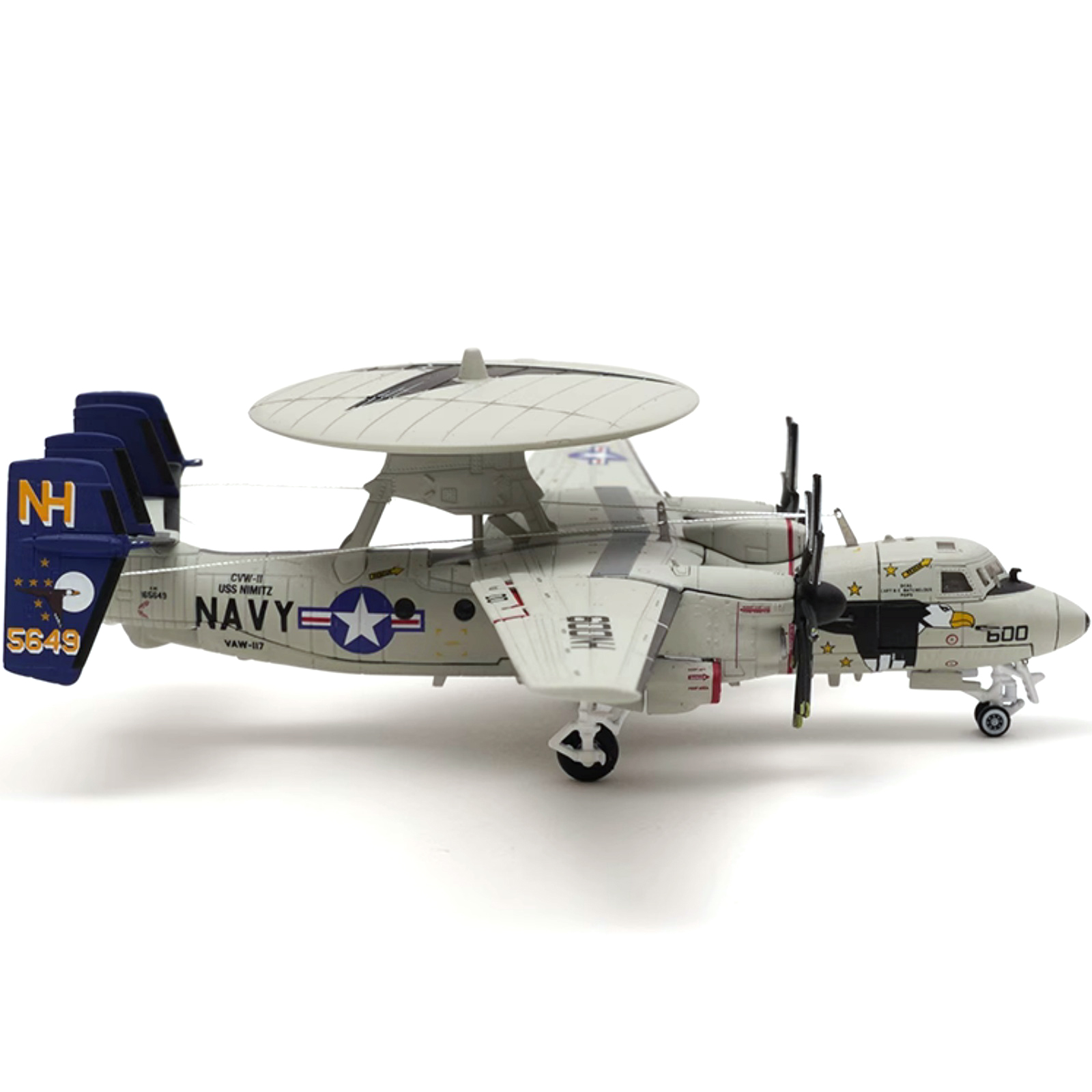
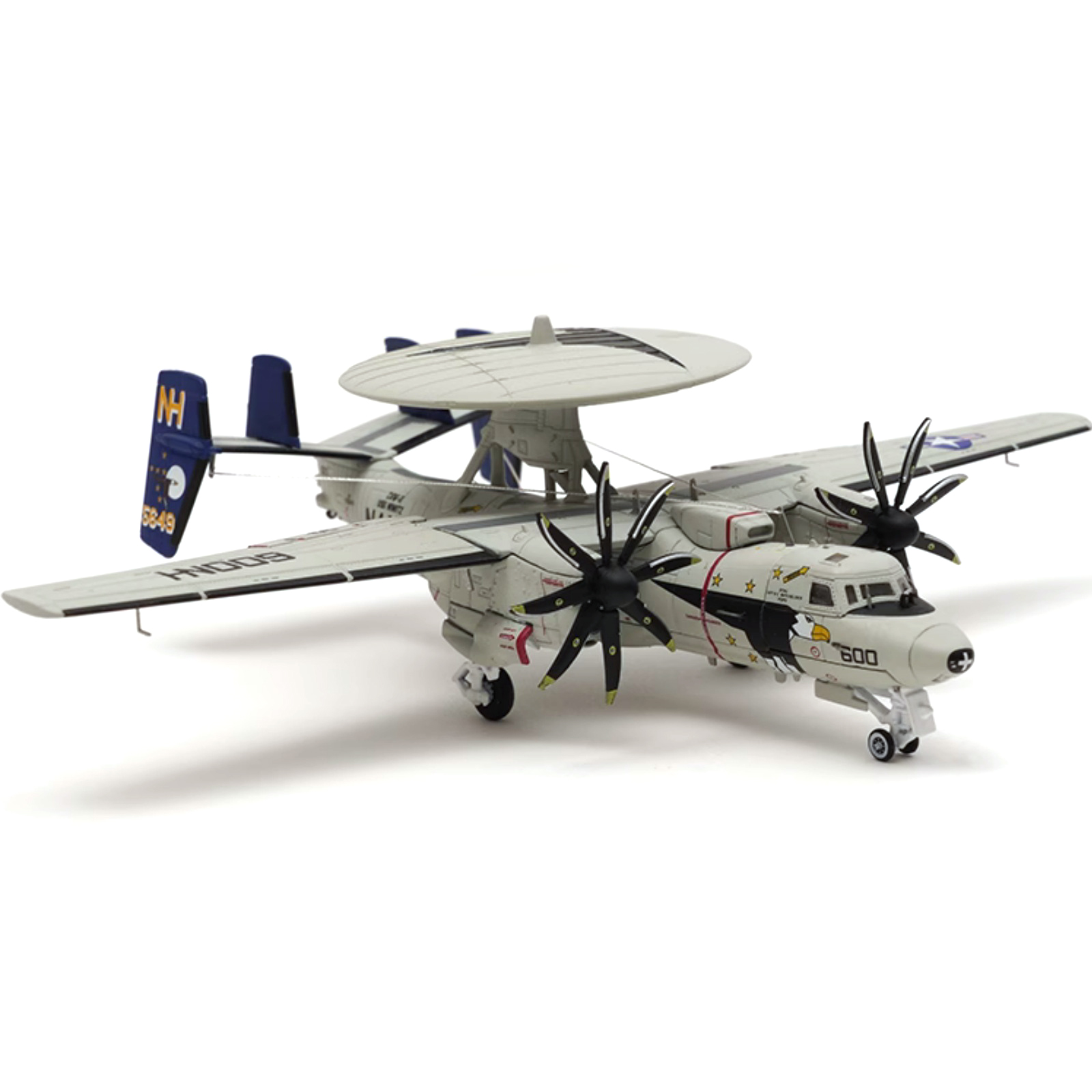
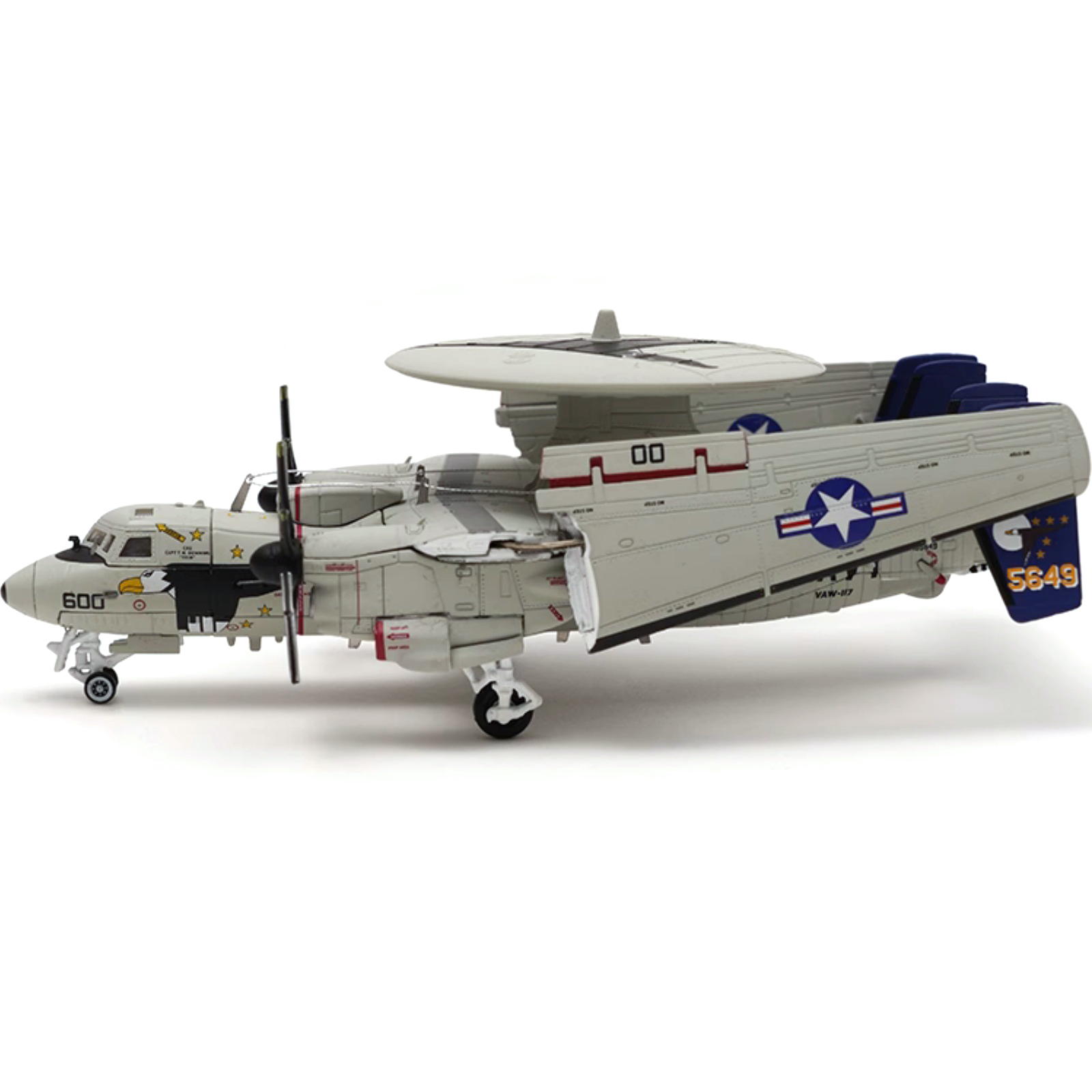
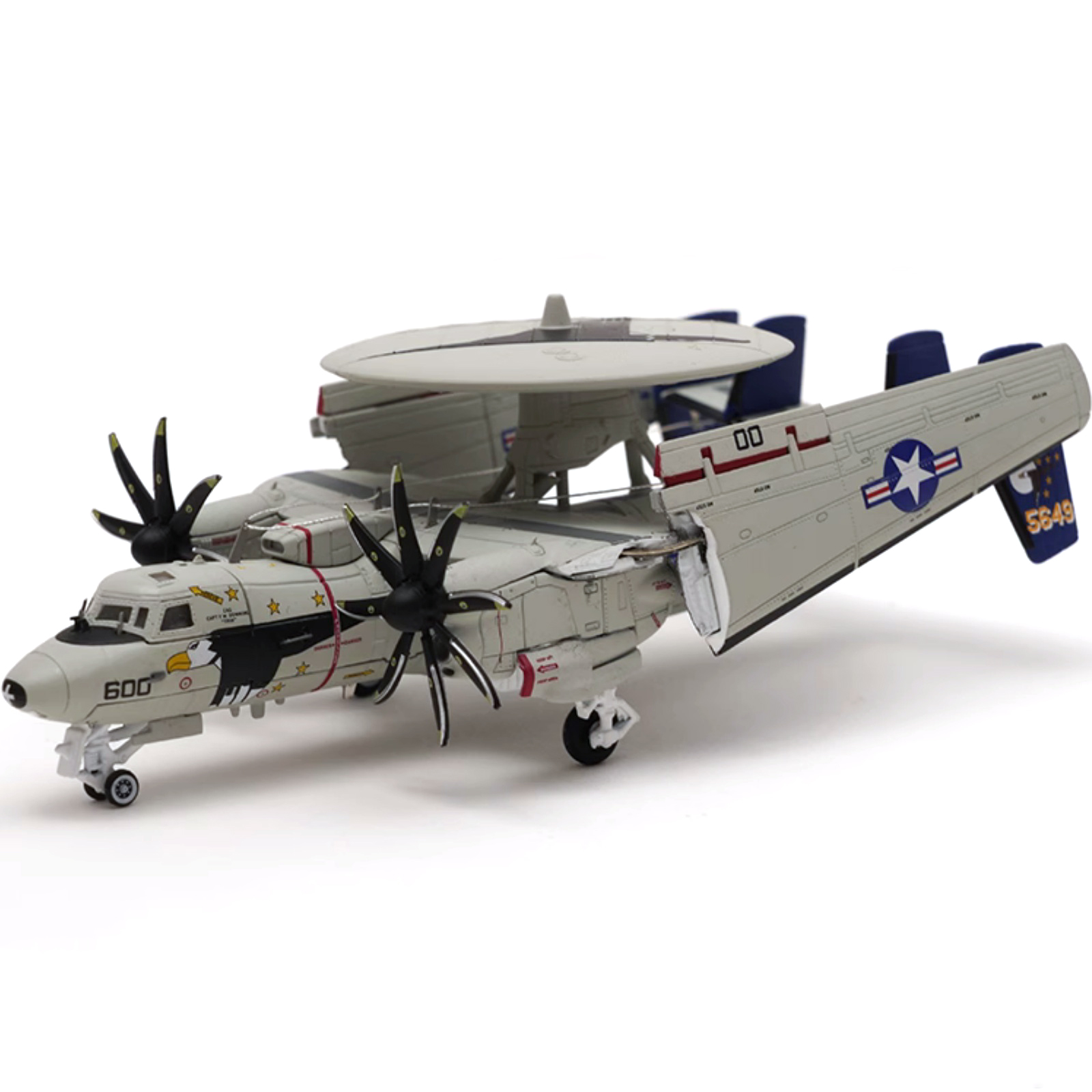
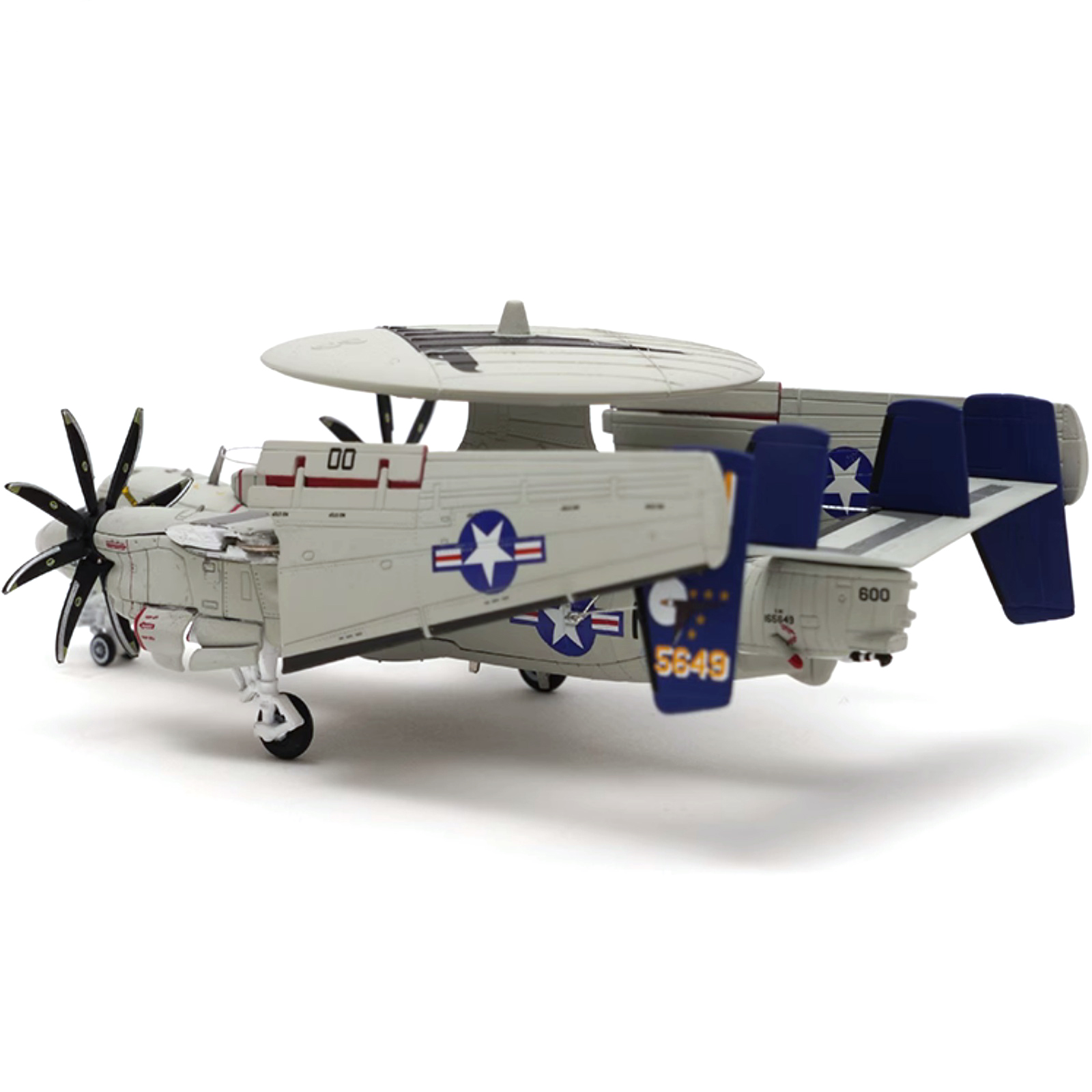
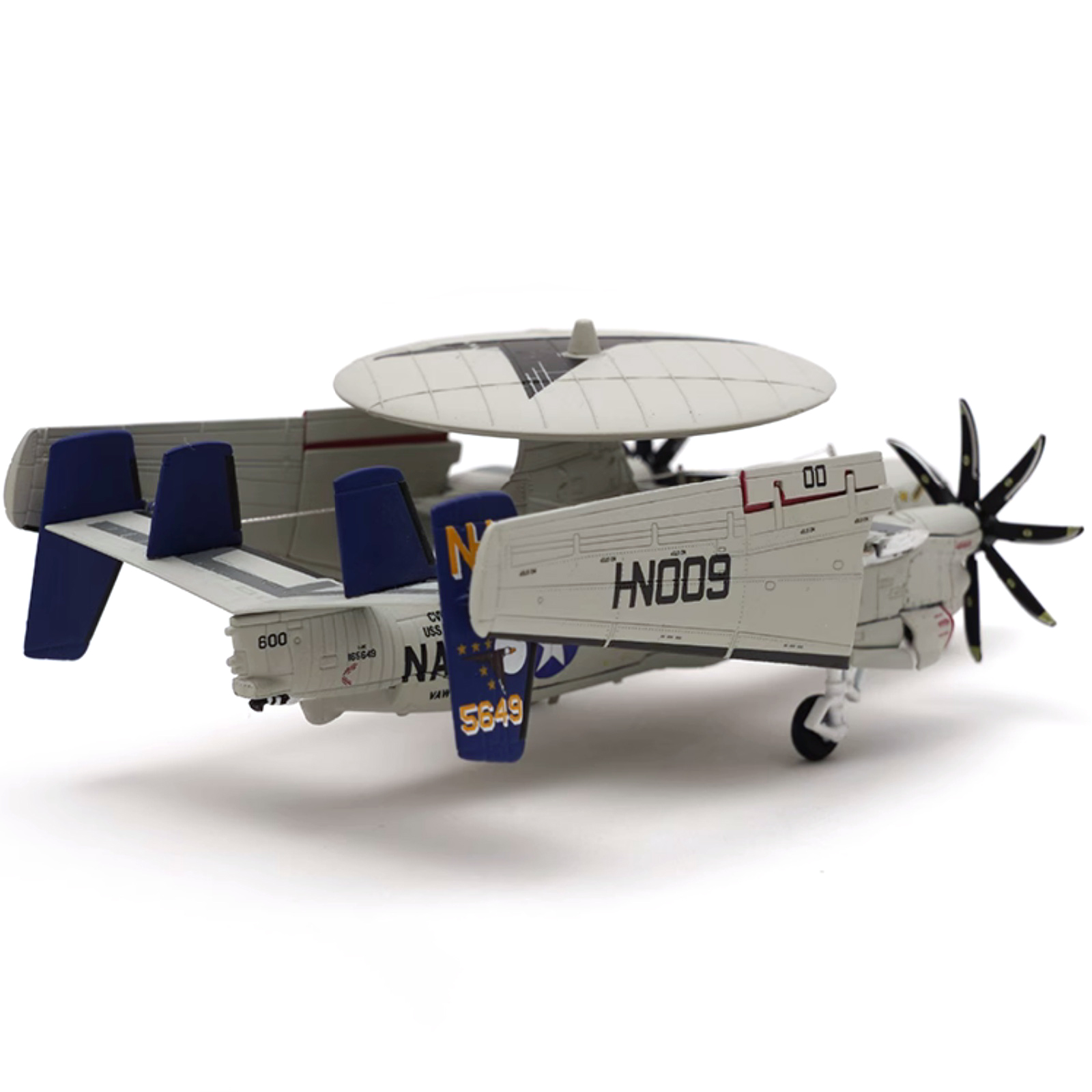
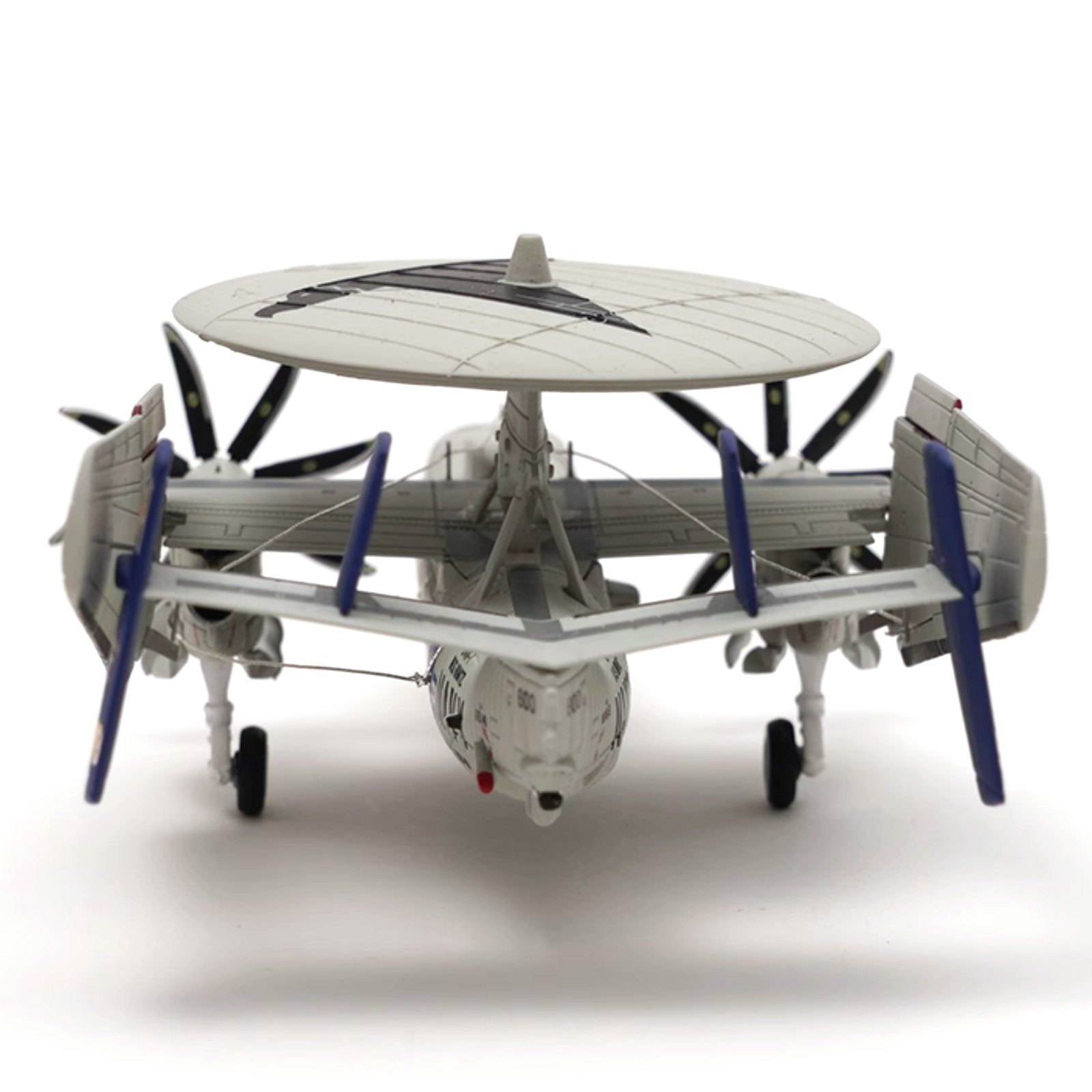
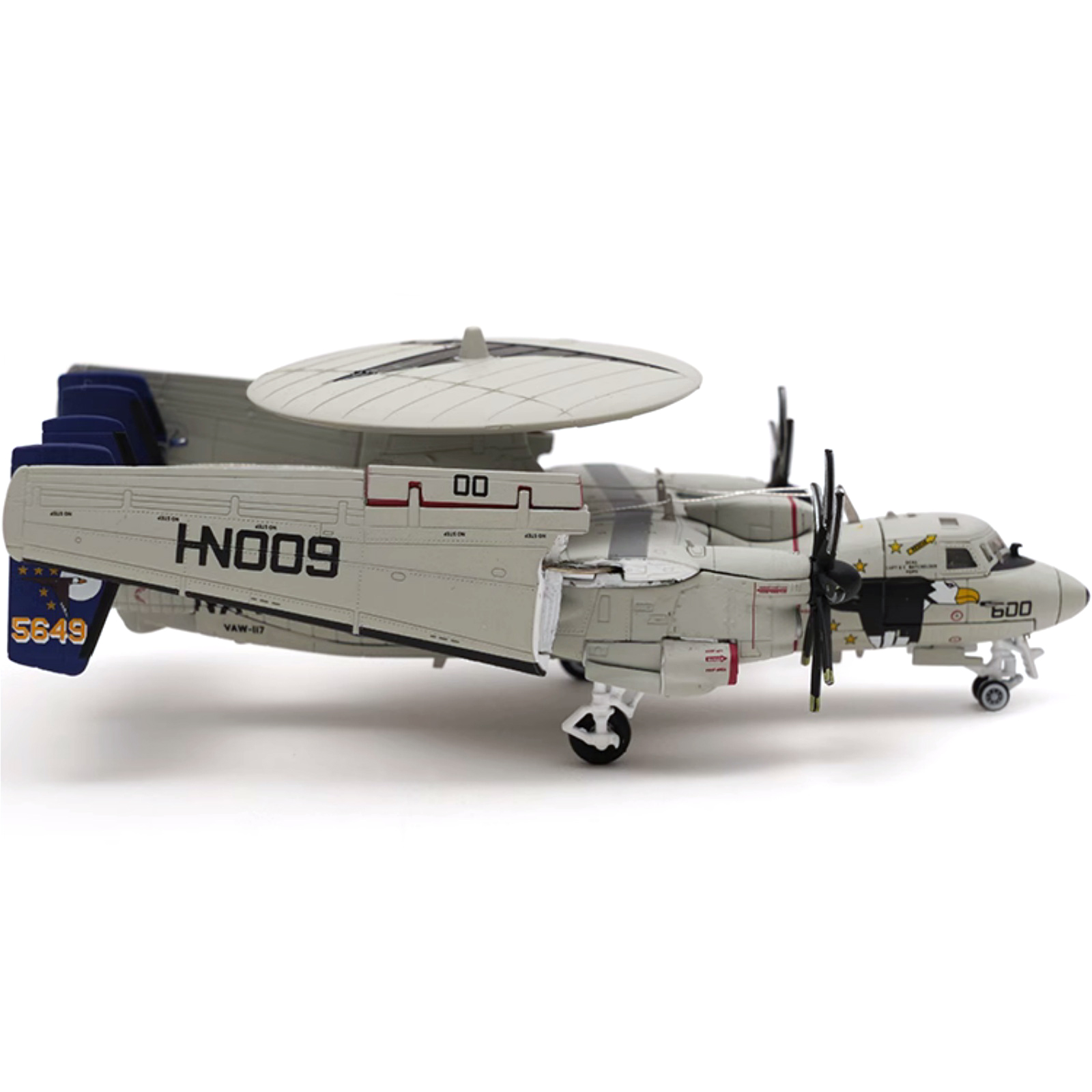
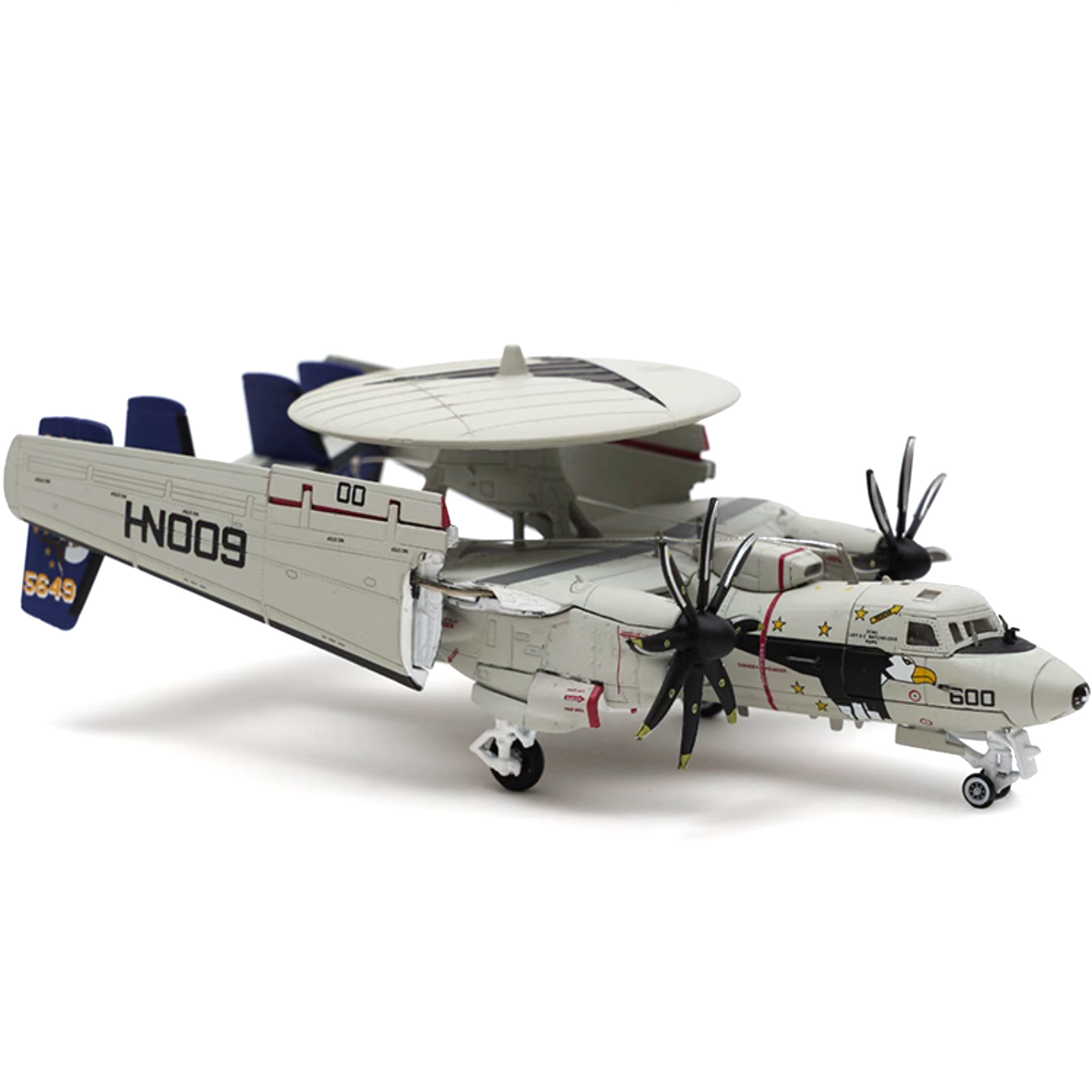
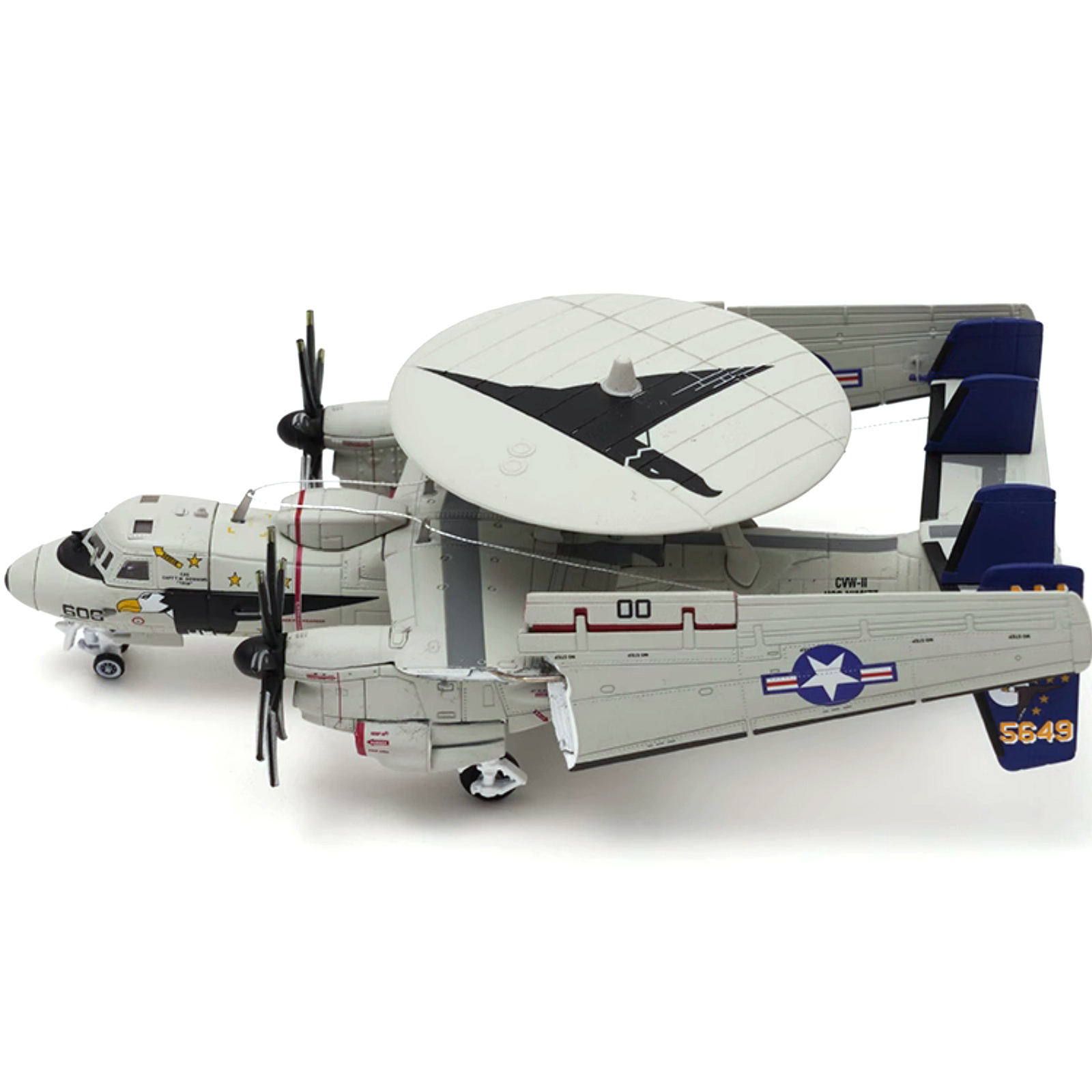
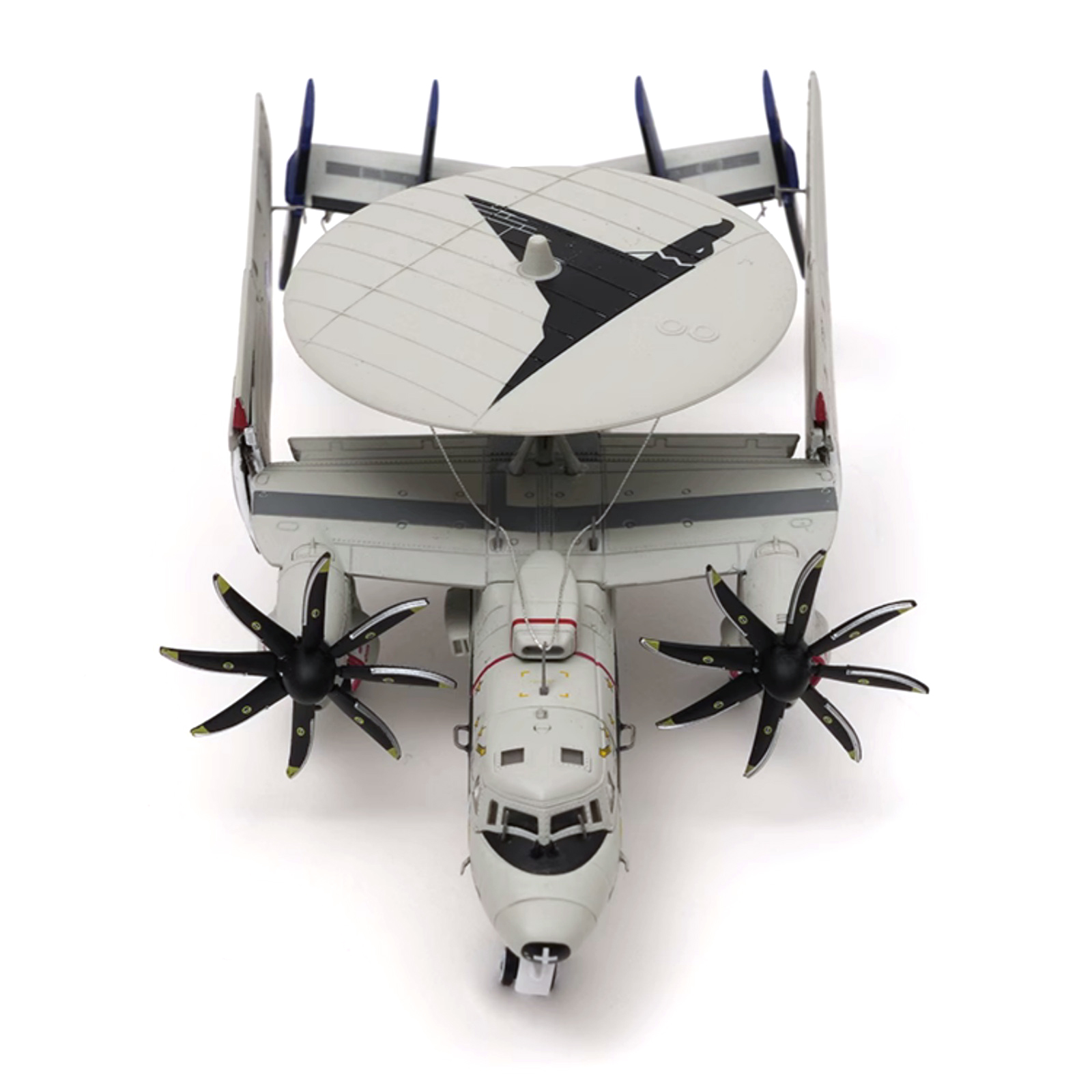
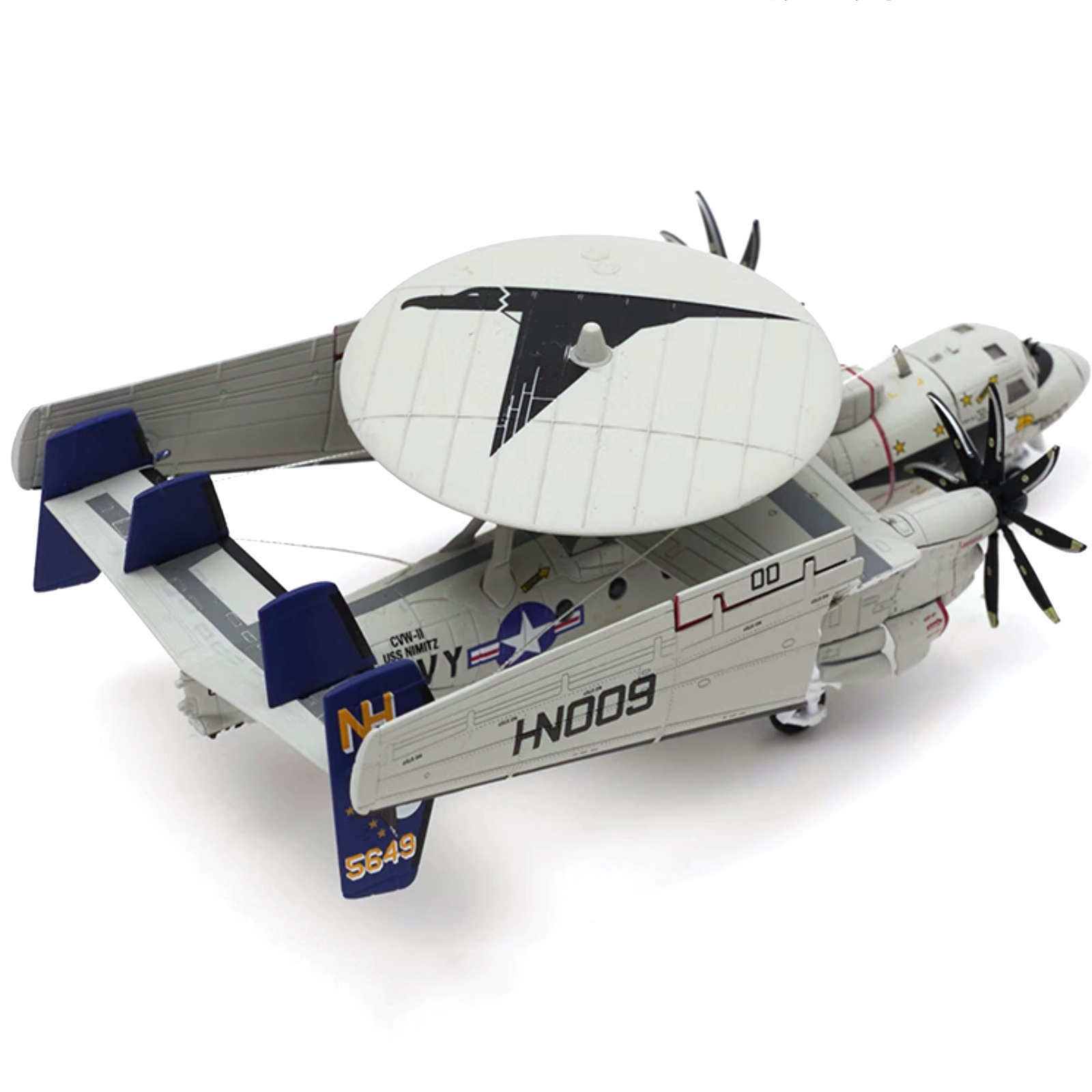
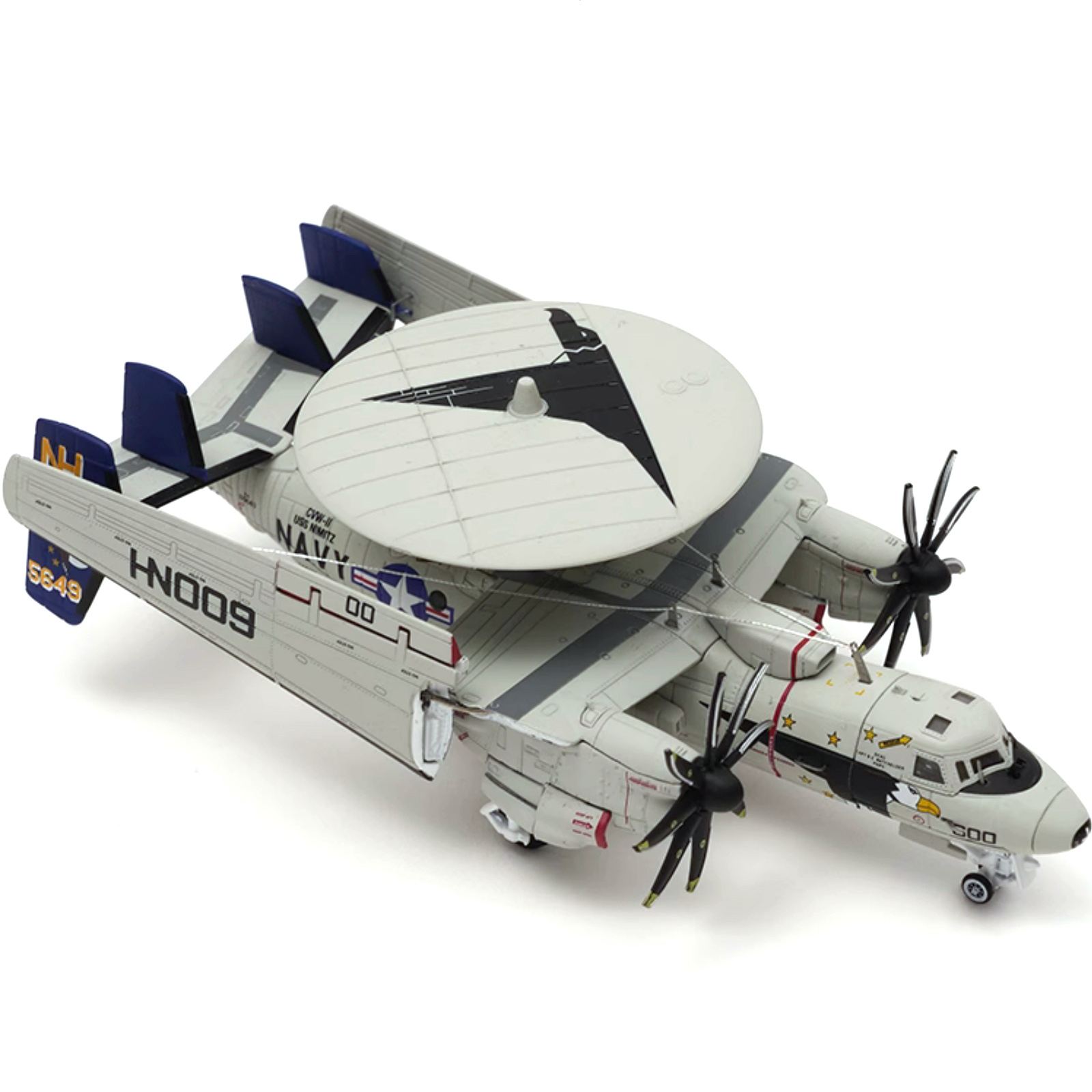
1. Model Plane: US Navy E-2C Hawkeye Airborne Early Warning VAW-117
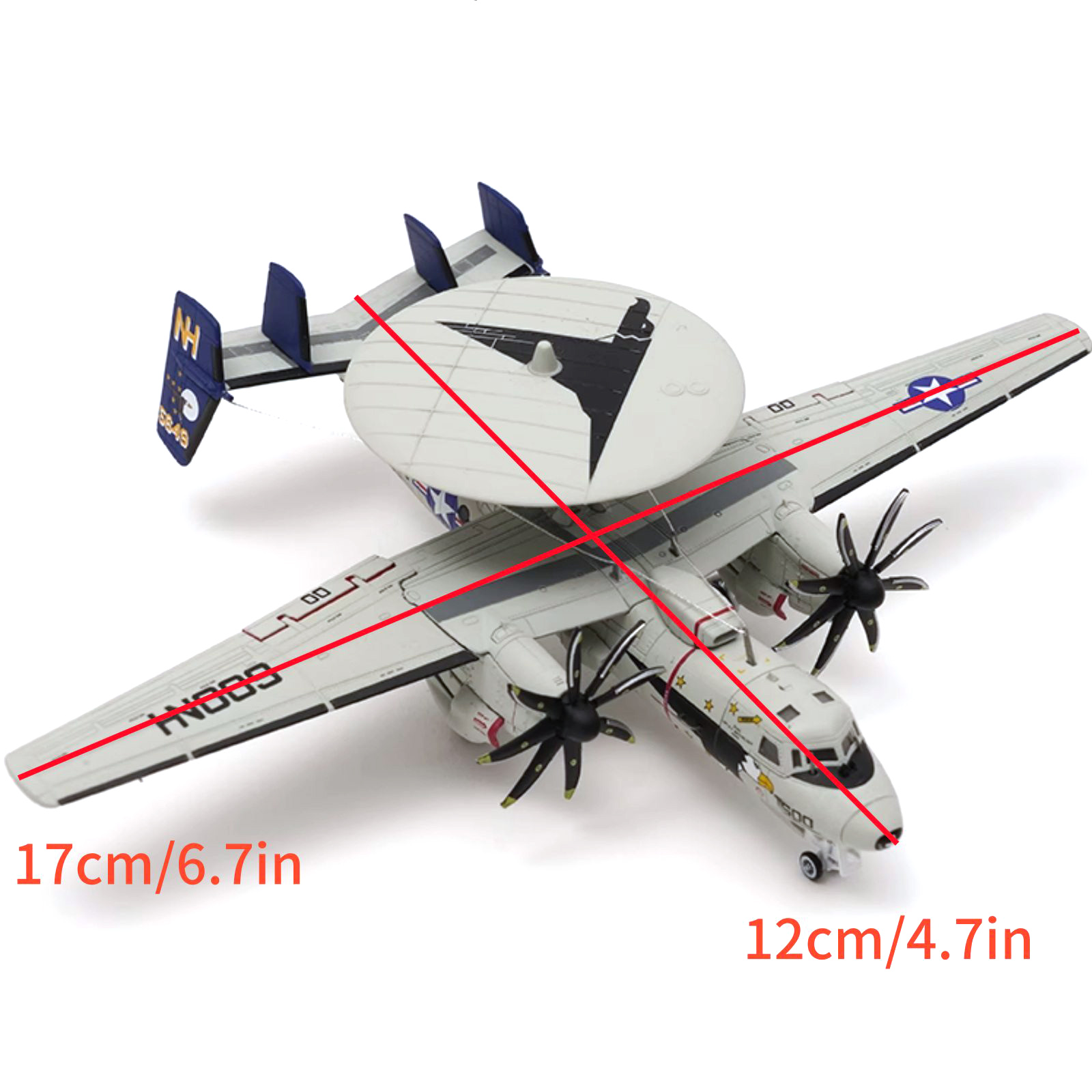
2. Collection Plane: US Navy E-2C Hawkeye Airborne Early Warning VAW-117 Model 1:144 Scale Model Length Is 4.7in
3. Prototype Airplanes: The Model Airplane Is Strictly Restored According To The Original Aircraft Proportions And Details. High Quality Die Cast Alloy Model
4. Decor Model: Model Plane Is Very Suitable To Decorate Your Desk, Showcase And Shelf
5. Perfect Gifts: The Great Gift Choice For Birthday, Christmas, Father' S Day To Your Lover, Plane Collection Enthusiast
Specifications:
Product Model: US Navy E-2C Hawkeye Airborne Early Warning VAW-117
Product Scale: 1:144
Product Material: Alloy+PC
Product Size: 12cm X 17cm
Plane Prototype History:
The E-2 Early Warning Aircraft Is Currently The Only Carrier Based Airborne Early Warning Aircraft Used By The United States Navy. Compared With The Radar Of Surface Ships, The E-2 Early Warning Aircraft Is Not Limited By The Search Range Caused By Terrain And Horizon, And Its High-Altitude Search Method Makes It Impossible For Any Enemy Aircraft Or Missiles In The Air To Escape. The E-2 Can Conduct Detection And Early Warning Operations Hundreds Of Kilometers Away From Aircraft Carriers, And Command Fighter Jets Providing Air Defense Protection To Intercept Enemy Flight Targets; In Addition, The E-2 Is Equipped With A Data Link That Can Transmit Data To The Entire Combat Group Of Ships, So Its Function Is Not Limited To Commanding Fighter Squadrons In Combat. While Upgrading The E-2A To E-2B, The United States Also Developed An Updated Version Of The E-2C With Greater Improvements. The United States Built A Total Of Two E-2C Prototypes, Which Made Their First Test Flight On January 20, 1971 And Entered Production In The Same Year. The Mass-Produced Model Made Its First Test Flight On September 23, 1972 And Was Delivered To The Us Navy In 1973. It Began Operational Capability In February 1974. Compared To The E-2B, The Main Improvements Of The E-2C Include The Installation Of Aps-120 Radar, The Improved Performance Of The T-56-A-425 Engine (With A Single Power Of 5100 Horsepower), And The Addition Of A Litton An/Alr-59 (Later Upgraded To An/Alr-73) Passive Detection System (PDS). In The 1982 Bekaa Valley Air Battle, The Israeli E-2C Monitored The Real-Time Movements Of Syrian Fighter Jets And Commanded The F-15/16 To Gain Tactical Advantage In Advance, Resulting In The Israeli Army Shooting Down More Than 80 Syrian Fighter Jets With Minimal Losses. The Wing Folding System Of E-2C Is One Of Its Core Technologies For Shipborne Adaptability, Achieving Efficient Space Utilization Through Precise Mechanical Structure And Hydraulic Control. This Design Not Only Embodies The Engineering Wisdom Of Carrier Based Early Warning Aircraft, But Also Lays The Foundation For Its Widespread Deployment In Navies Of Many Countries Around The World
Packaging Includes:
1* US Navy E-2C Hawkeye Airborne Early Warning VAW-117 Model

1. We ship most of our orders within 24 hours, and may up to 48 hours for.
2. If you want faster shipping way. Please contact us before making payment.
3. Sometimes due to problems with our transportation company system, your shipping information may be delayed to update. We recommend that you try again after 3-4 days. If you still haven't checked the shipping information, you can contact us by ebay message.
2. If you have any questions, please feel free to email our service specialists 24 Hours a Day, 7 Days a Week. We will reply you ASAP.
3. Return/refund is accepted within 30 days after the buyer receives the item. NO exchange will be accepted after 30 days from the date when the item is received.
4. Please contact us first before returning your product!!!2. You can contact us 7*24, we will reply at the first time, and we will surely solve your problems.
Note:
1.We try our best to reply to your emails as soon as possible, however, due to high volume of daily incoming emails and time zone difference, we may not be able to reply your emails immediately. Please allow 1 business days for us to response. If you do not receive any reply from us, please check your email ensuring your mailbox has not reached full size.
2.Due to some ISP SPAM filter settings, you may not be able to receive our replies; if you have problems receiving our emails, you may need to use a different email account to contact us.
3.Please give us the opportunity to resolve any problem. We understand the concerns and frustrations you might have, and will try our best to resolve the issues. Please email us before leaving any negative feedback or open any dispute on PayPal.
4.We care about our valued customers, and will always try to help you. So if you have any problems, please e-mail us immediately.
2. Orders will be shipped after receiving cleared payment.
3. Payment due within 7 days after auction ends and for buy it now listings.
1. We ship most of our orders within 24 hours, and may up to 48 hours for.
2. If you want faster shipping way. Please contact us before making payment.
3. Sometimes due to problems with our transportation company system, your shipping information may be delayed to update. We recommend that you try again after 3-4 days. If you still haven't checked the shipping information, you can contact us by ebay message.
2. If you have any questions, please feel free to email our service specialists 24 Hours a Day, 7 Days a Week. We will reply you ASAP.
3. Return/refund is accepted within 30 days after the buyer receives the item. NO exchange will be accepted after 30 days from the date when the item is received.
4. Please contact us first before returning your product!!!2. You can contact us 7*24, we will reply at the first time, and we will surely solve your problems.
Note:
1.We try our best to reply to your emails as soon as possible, however, due to high volume of daily incoming emails and time zone difference, we may not be able to reply your emails immediately. Please allow 1 business days for us to response. If you do not receive any reply from us, please check your email ensuring your mailbox has not reached full size.
2.Due to some ISP SPAM filter settings, you may not be able to receive our replies; if you have problems receiving our emails, you may need to use a different email account to contact us.
3.Please give us the opportunity to resolve any problem. We understand the concerns and frustrations you might have, and will try our best to resolve the issues. Please email us before leaving any negative feedback or open any dispute on PayPal.
4.We care about our valued customers, and will always try to help you. So if you have any problems, please e-mail us immediately.
2. Orders will be shipped after receiving cleared payment.
3. Payment due within 7 days after auction ends and for buy it now listings.
You may also like