【Repetitive Transcranial Magnetic Stimulation】Transcranial Magnetic Stimulation Therapeutic Instrument is a kind of therapeutic equipment for brain diseases developed by using the push-button control mode, based on the brain physiology, biophysics and clinical encephalopathy therapy, integrating repeated transcranial magnetic stimulation (rTMS) and electric stimulation theory, and applying.
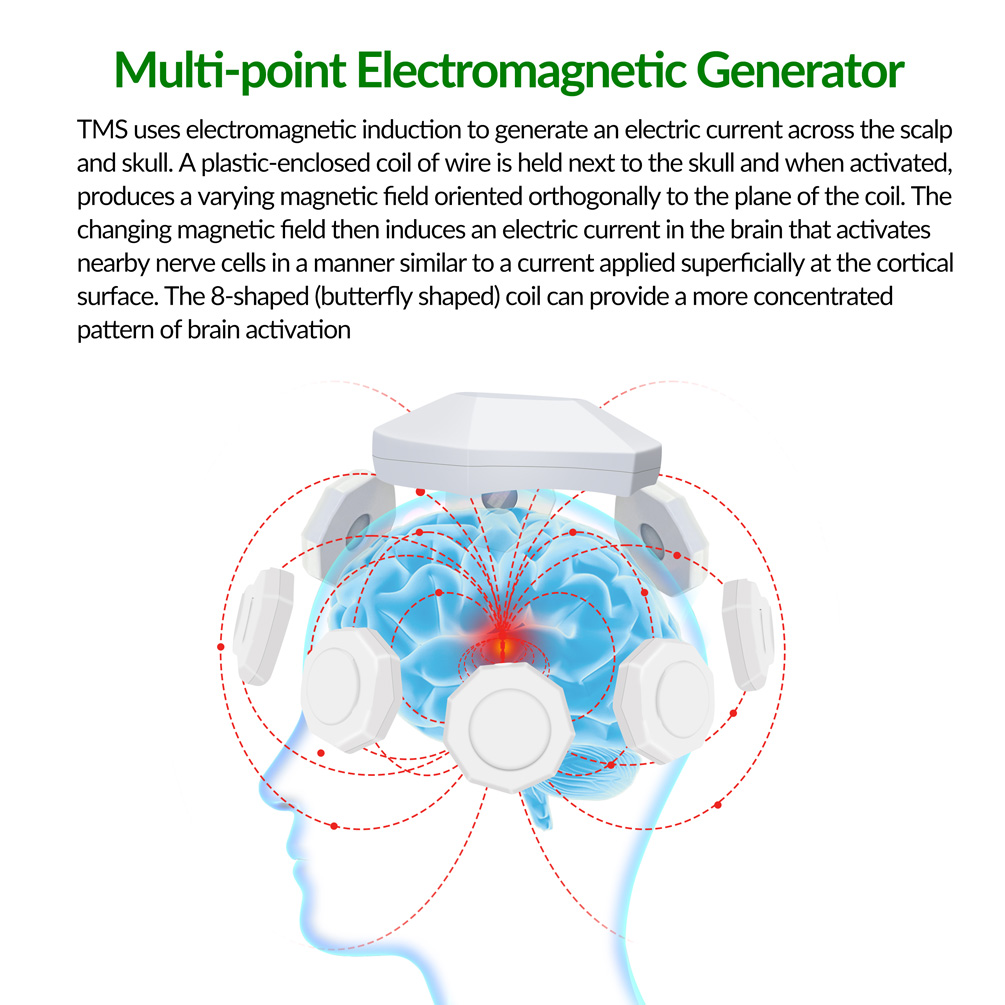
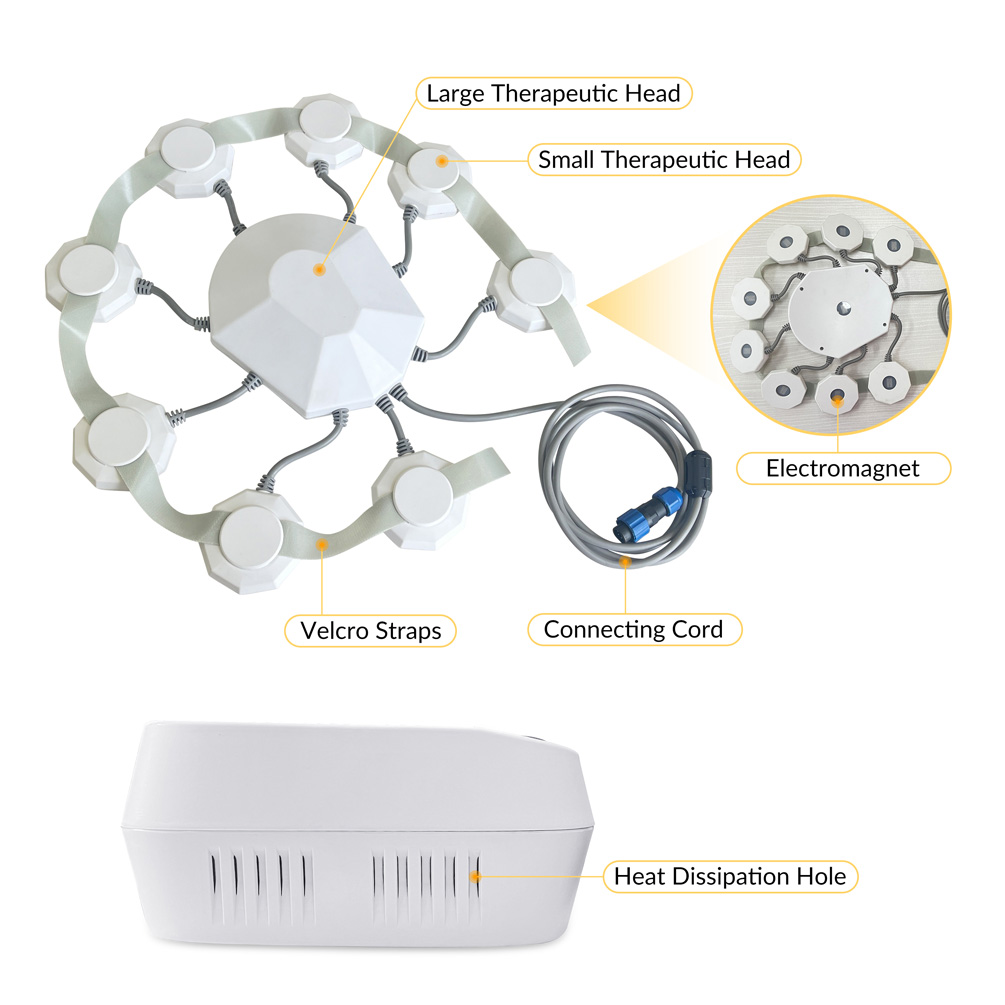
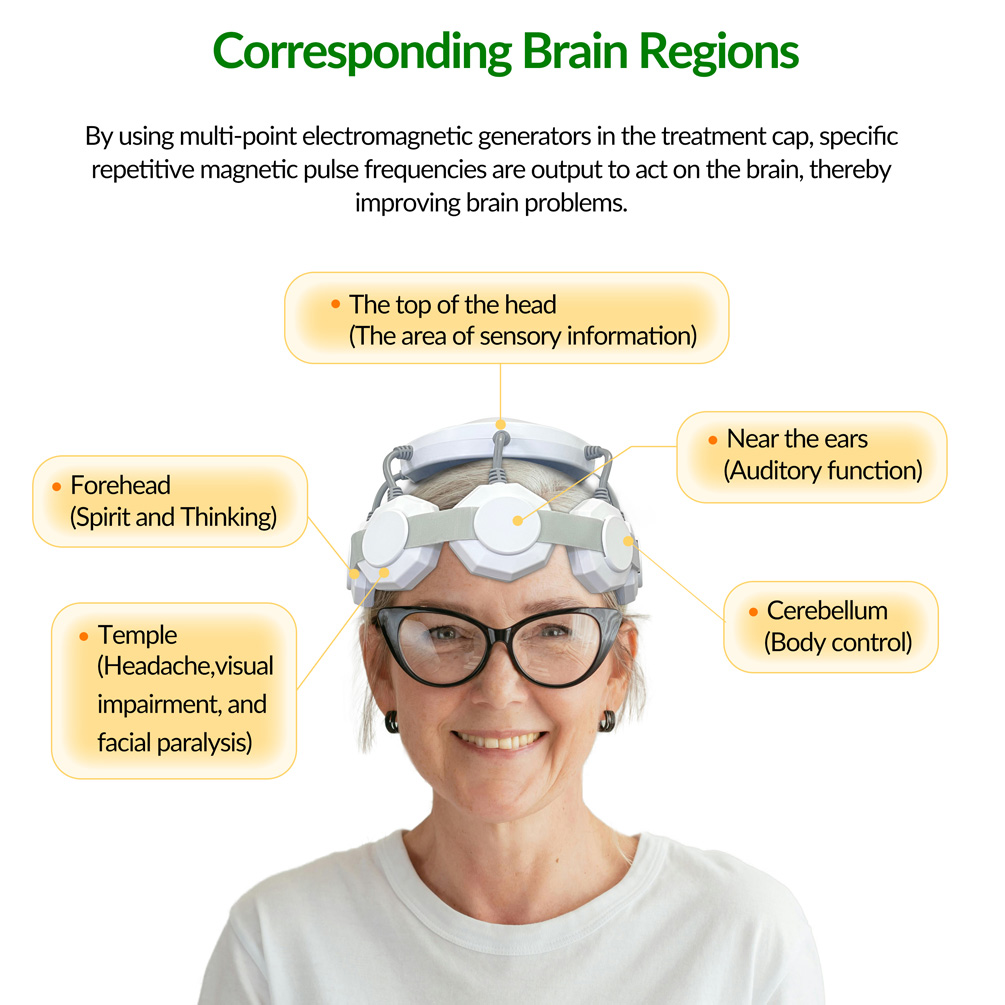
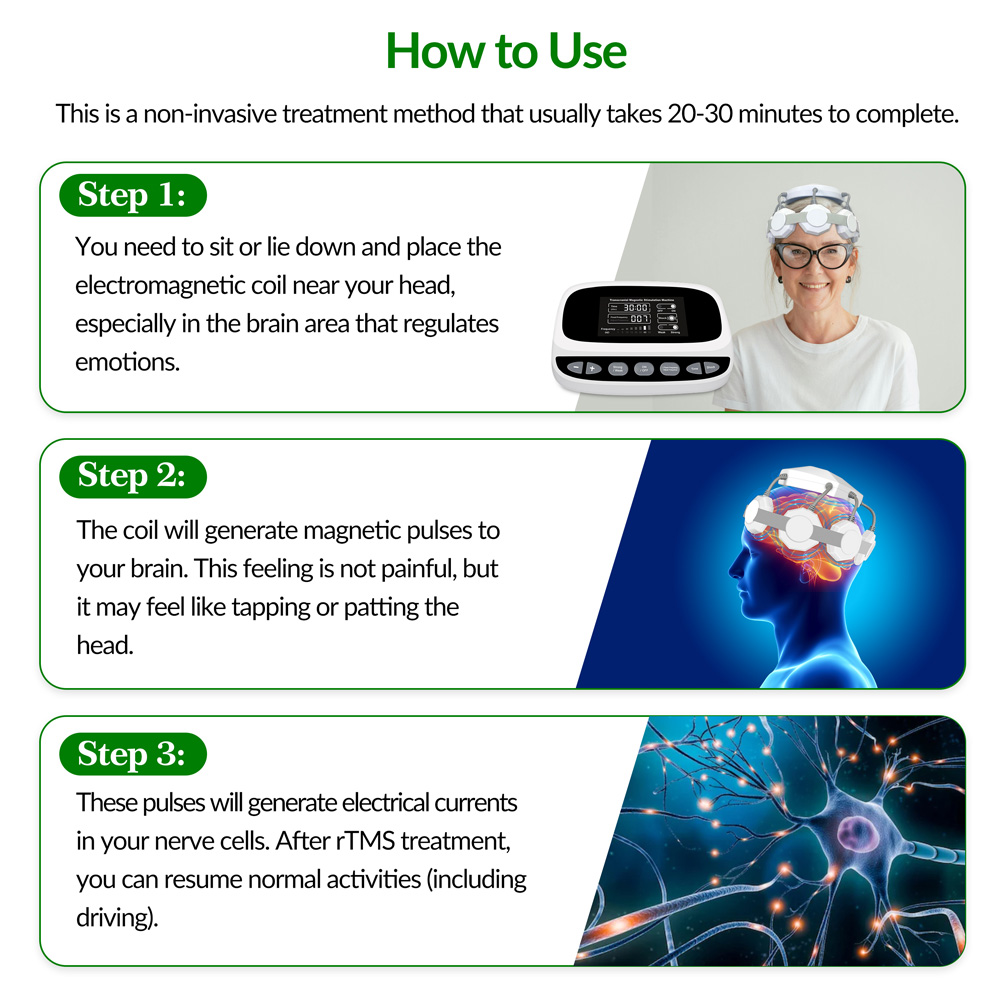
【Principle of TMS Treatment】Magnetic Coil: During a TMS session, an electromagnetic coil is placed against the patient's scalp, usually near the forehead. Magnetic Pulses: The coil generates magnetic pulses that pass through the skull and induce small electric currents in the brain. These currents can stimulate nerve cells in specific areas of the brain.
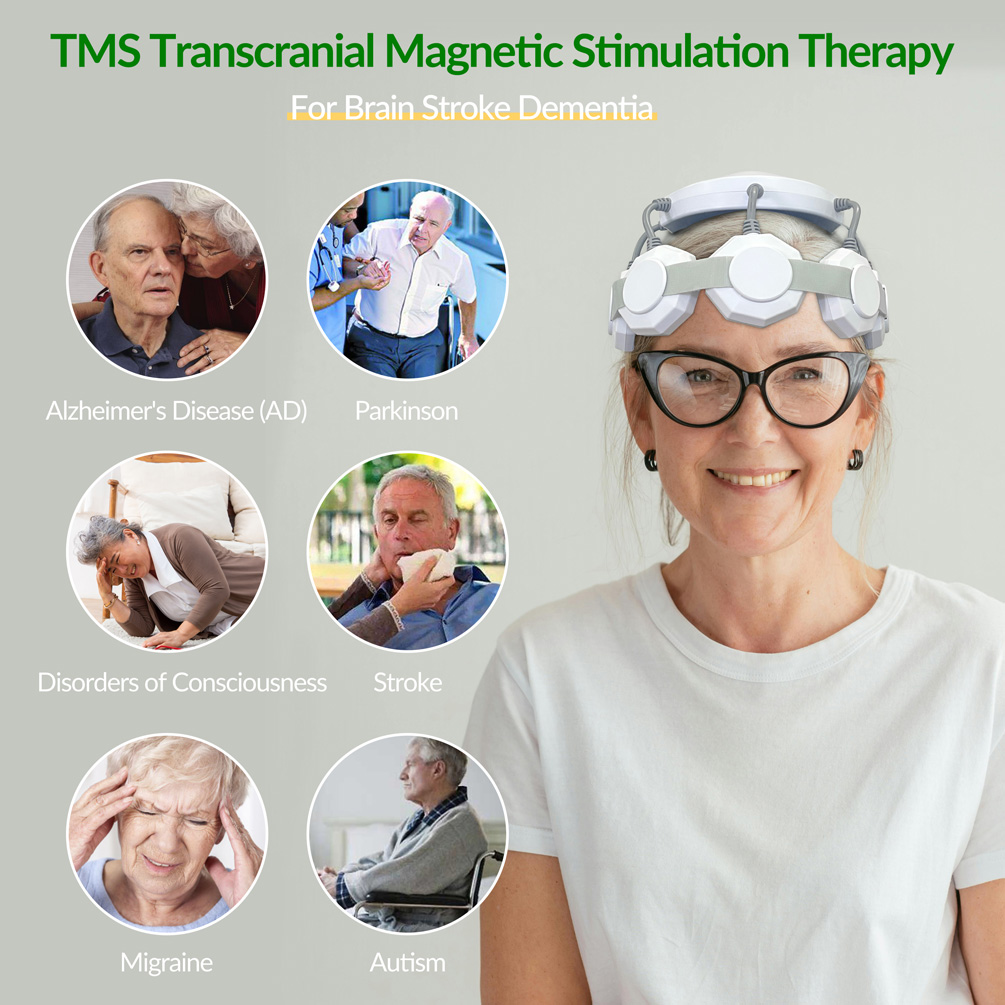
【More Application】The nerves and healing diseases, cerebral hemorrhage recovery, cerebral infarction rehabilitation, limb dysfunction, the language barrier, nervous headaches, stroke prevention, hemiplegia rehabilitation, senile dementia, brain atrophy,Parkinson's disease (PD), epilepsy, etc. Mental diseases: depression, autism, schizophrenia (negative symptoms), obsessive-compulsive disorder, mania, migraine,neurasthenia, insomnia, cognitive dysfunction and other mental brain diseases.
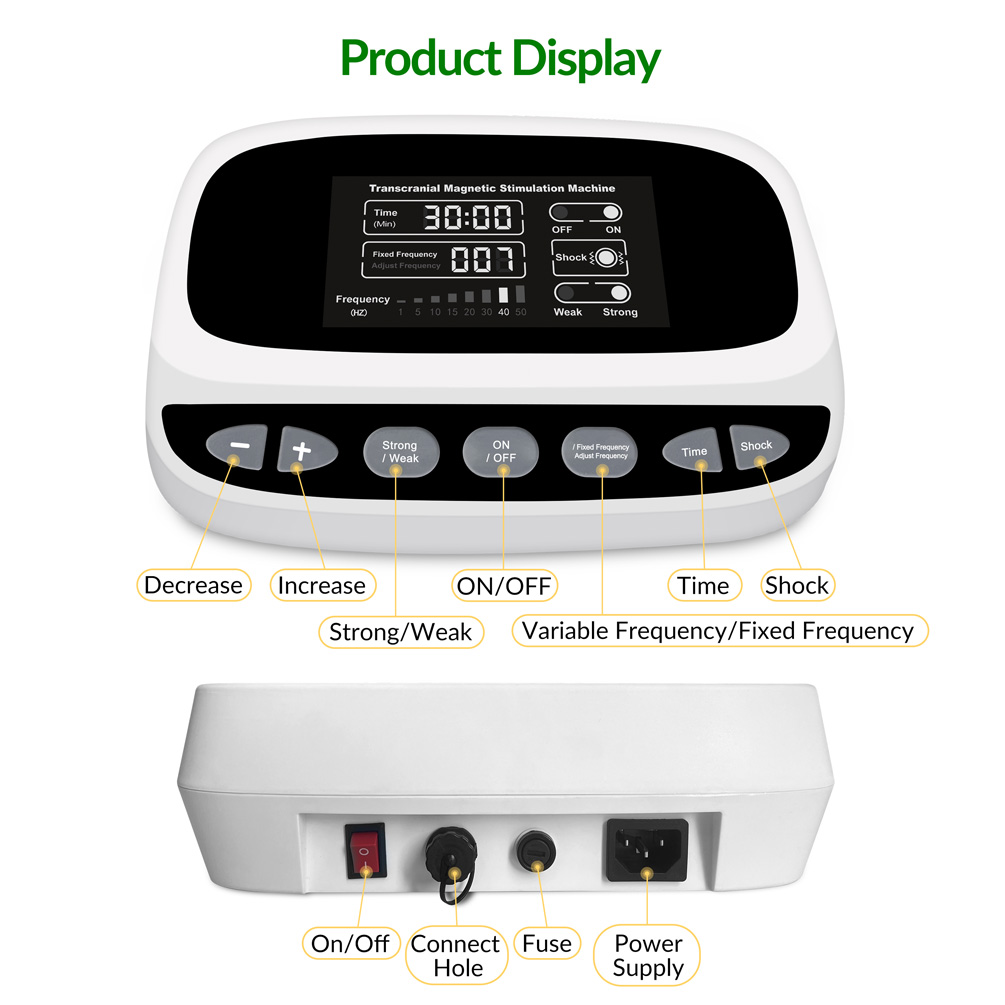
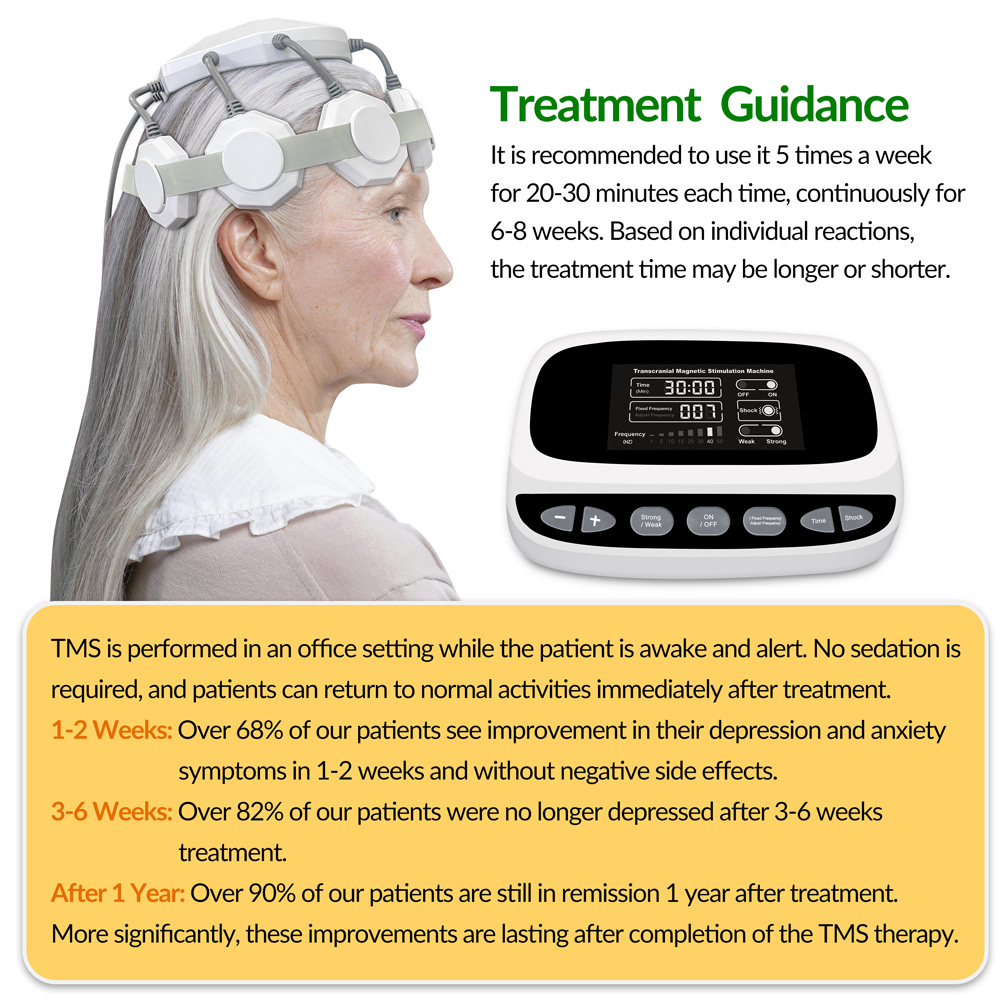
【Multi-functions of rTMS Therapy】This rTMS therapy device has 8 fixed frequency modes: 1/5/10/15/20/30/40/50Hz, adjustable; Transmagnetic stimulation therapy has 11 frequency conversion modes to choose from; Magnetic field strength of transcranial therapy can be optional: strong(11mT-19mT), weak(6mT-10mT); Shock, no shock optional; Time: 0-95 minutes, adjustable. The transcranial magnetic brain stimulation is recommended 20-30min each time, 5 times a week, continuously for 6-8 weeks or more.
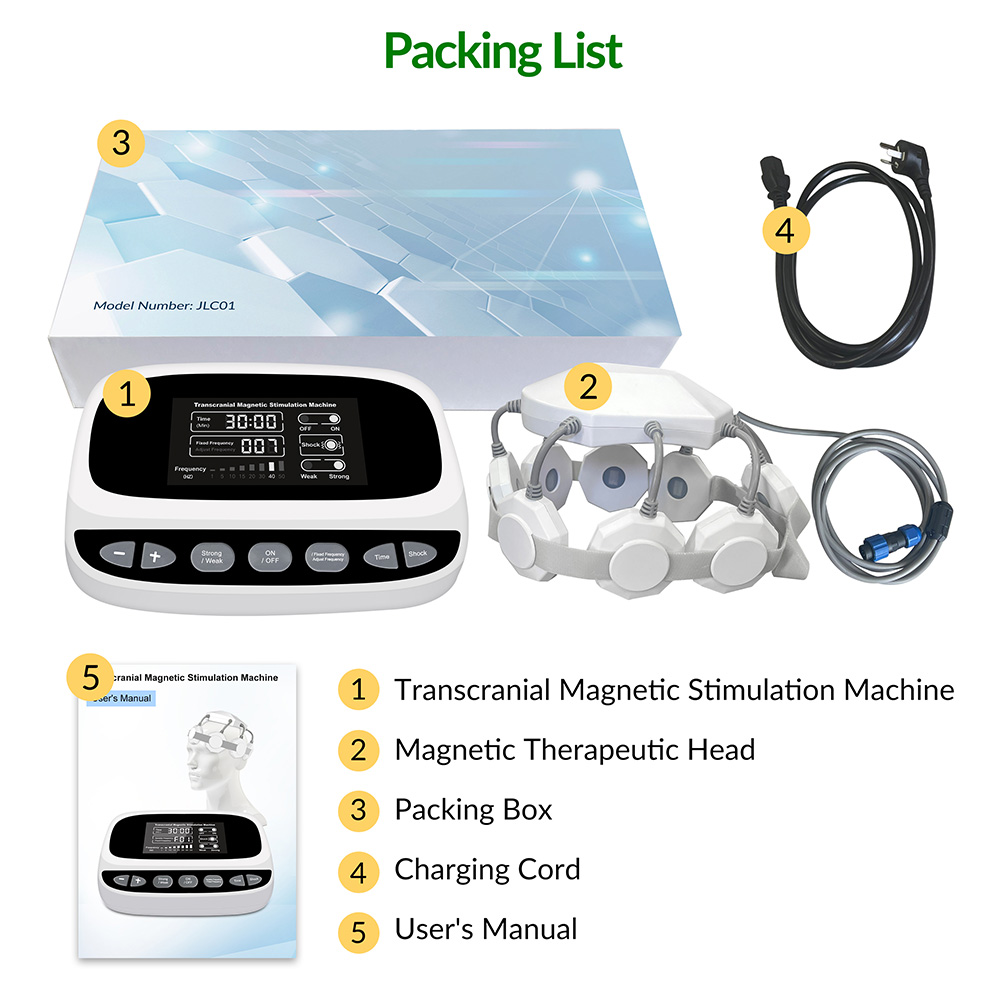
【Package Details】Safe and Effective. includes 1x Transcranial Magnetic Stimulation Machine+ 1 set x Magnetic Therapeutic Head, 1x Charging Power Supply,1x User's Manual, and 1x Packing Box. Also we provides one year warranty. More detail information, please see the product manual. If you have any questions about Our transcranial magnetic stimulation treatment, please contact us.

1. Magnetic Coil:
• A magnetic coil is placed on the scalp, usually over the prefrontal cortex (a region often linked with mood regulation).
• The coil generates a rapidly changing magnetic field, which can penetrate the skull and induce electric currents in the underlying brain tissue.
2. Induction of Electrical Currents:
• The magnetic field induces small electrical currents in the brain. These currents can depolarize neurons (nerve cells) in targeted regions, effectively stimulating or modulating their activity.
3. Stimulation of Neurons:
• Depending on the frequency and pattern of the magnetic pulses, rTMS can either increase or decrease the activity of specific brain regions.
• High-frequency rTMS (e.g., 10 Hz and above): Typically enhances neuronal activity in the targeted area.
• Low-frequency rTMS (e.g., 1 Hz): Generally suppresses neuronal activity.
4. Repetition and Neuroplasticity:
• The "repetitive" nature of the treatment involves delivering these pulses repeatedly over multiple sessions. This repeated stimulation can lead to lasting changes in neuronal connectivity and function, a process known as neuroplasticity.
1. Major Depressive Disorder (MDD):
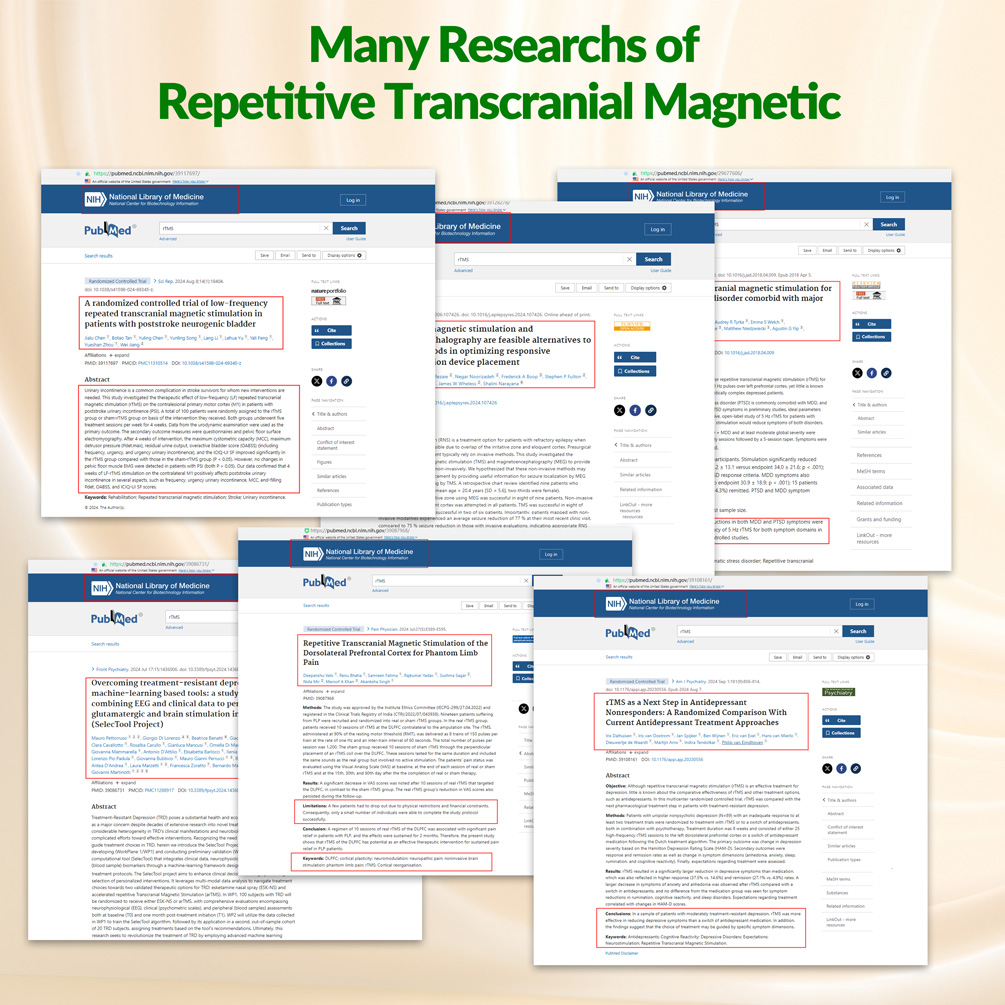
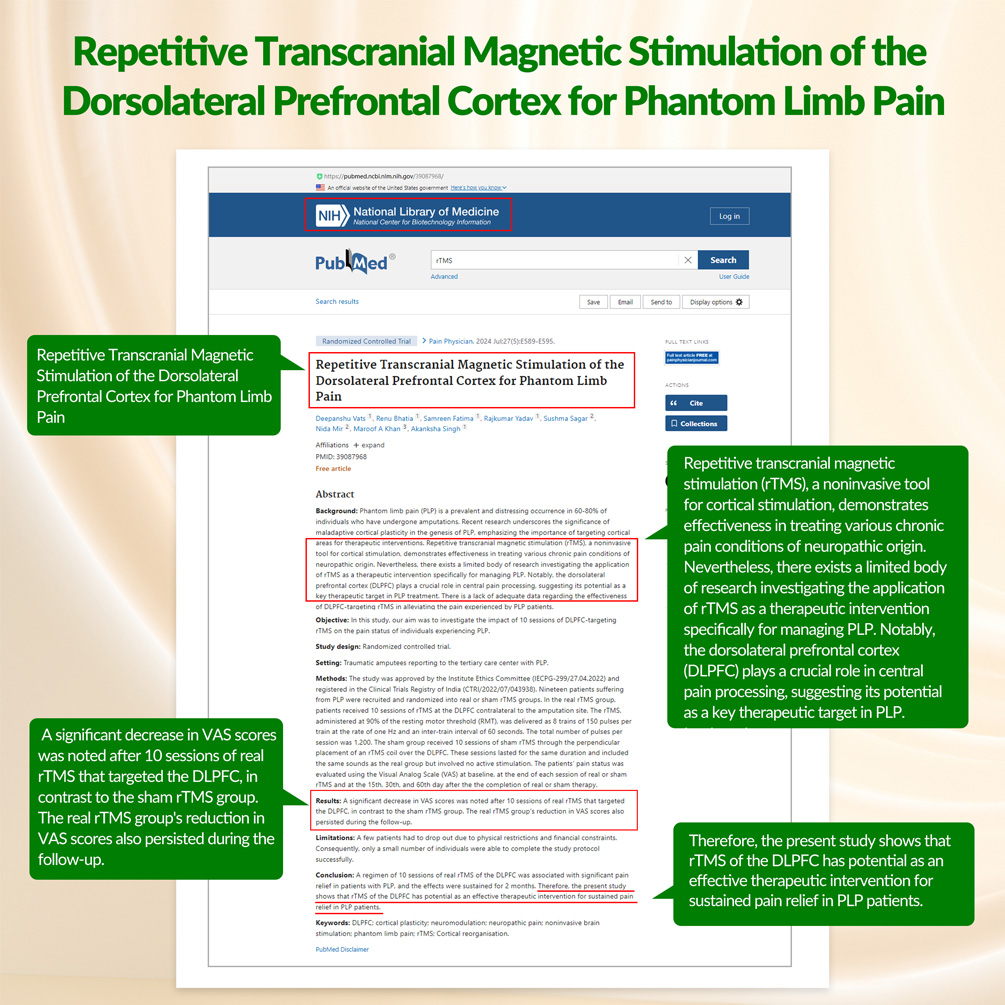
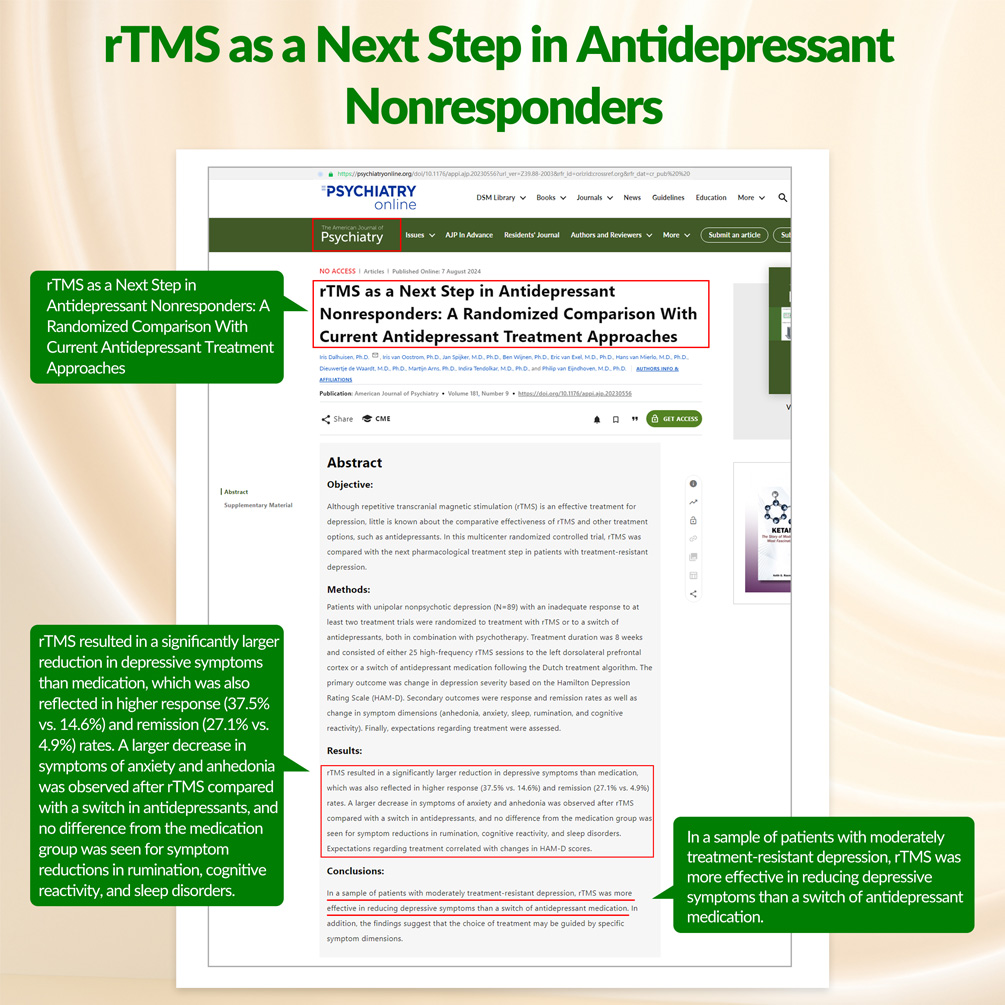
In depression, certain areas of the brain (particularly the left dorsolateral prefrontal cortex) may show reduced activity. High-frequency rTMS can stimulate this region, enhancing its activity and improving mood. rTMS has been shown to be effective in patients with treatment-resistant depression, where traditional medications have failed.
2. Anxiety Disorders:
Anxiety disorders are often associated with abnormal activity in specific brain circuits. rTMS can modulate these circuits, particularly by stimulating or inhibiting areas like the prefrontal cortex.
3. Obsessive-Compulsive Disorder (OCD):
OCD involves overactivity in certain brain regions, such as the orbitofrontal cortex. Low-frequency rTMS can help reduce this overactivity, leading to symptom relief. rTMS is FDA-approved for OCD treatment, showing moderate effectiveness.
4. Post-Traumatic Stress Disorder (PTSD):
PTSD is associated with dysregulation in the brain’s fear and memory circuits. rTMS can help recalibrate these circuits, reducing symptoms like hyperarousal and intrusive memories.
5. Neuropathic Pain:
Neuropathic pain involves abnormal nerve signaling. rTMS can modulate pain-processing regions in the brain, reducing pain perception.Some patients experience significant pain relief, particularly when other treatments have failed.
6. Migraine:
Migraines involve abnormal brain excitability. rTMS can help by normalizing activity in regions associated with pain and headache triggers. rTMS has been shown to reduce the frequency and intensity of migraines in some patients.
7. Stroke Rehabilitation:
After a stroke, affected brain areas can show reduced activity. rTMS can stimulate these areas, promoting recovery of motor and cognitive functions. rTMS has shown promise in improving motor recovery and speech in stroke patients.
8. Schizophrenia:
rTMS can reduce symptoms of schizophrenia, particularly auditory hallucinations. It works by targeting areas involved in abnormal sensory perception and auditory processing.
9. Chronic Pain:
Neuropathic pain and fibromyalgia have been treated with rTMS by modulating pain pathways in the brain. It can help reduce pain intensity and improve quality of life in patients with chronic pain conditions.
10. Parkinson's Disease:
rTMS has shown promise in reducing symptoms such as bradykinesia (slowness of movement), rigidity, and even improving cognitive function in patients with Parkinson’s disease.
11. Autism Spectrum Disorder (ASD):
rTMS is being researched for its potential to improve social functioning, repetitive behaviors, and communication in individuals with autism, although more research is needed.
12. Dementia and Alzheimer's Disease:
There is ongoing research on the potential of rTMS to improve cognitive function and slow down cognitive decline in patients with dementia or Alzheimer’s disease. It may enhance memory and executive function.
1. Targeted Modulation of Brain Activity:
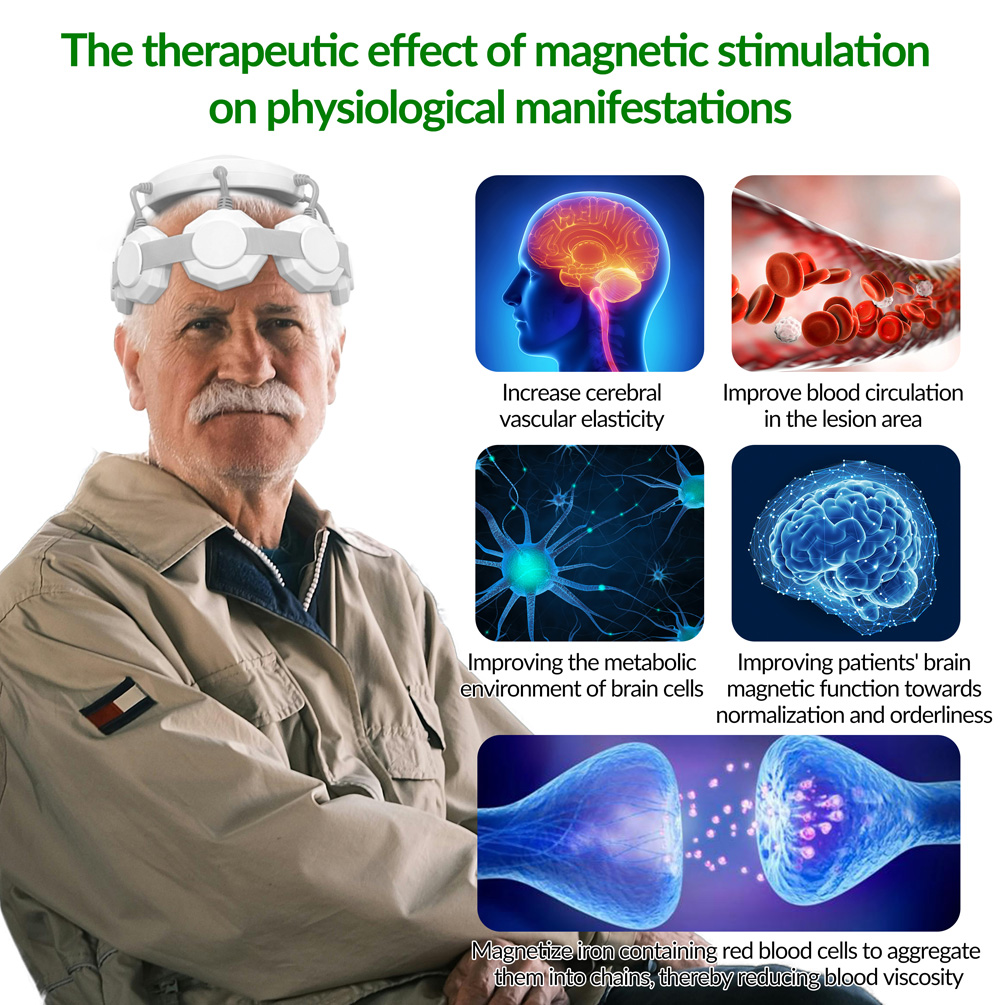
rTMS allows for precise targeting of specific brain regions. By modulating the activity of these areas, rTMS can help restore normal brain function in conditions like depression, OCD, and chronic pain.
2. Non-Invasive and Well-Tolerated:
Unlike invasive procedures such as deep brain stimulation, rTMS does not require surgery or anesthesia. Most patients tolerate the procedure well, without side effects.
3. Neuroplasticity:
The repeated stimulation of rTMS promotes neuroplasticity, leading to lasting changes in brain circuits. This can result in sustained improvements in mood, cognitive function, and pain relief, even after treatment ends.
4. Alternative to Medication:
For patients who do not respond well to medications or cannot tolerate their side effects, rTMS offers a drug-free alternative.This is particularly valuable in treatment-resistant cases.
5. Customization:
rTMS protocols can be customized in terms of frequency, intensity, and location of stimulation, allowing for tailored treatments based on the specific needs of the patient.
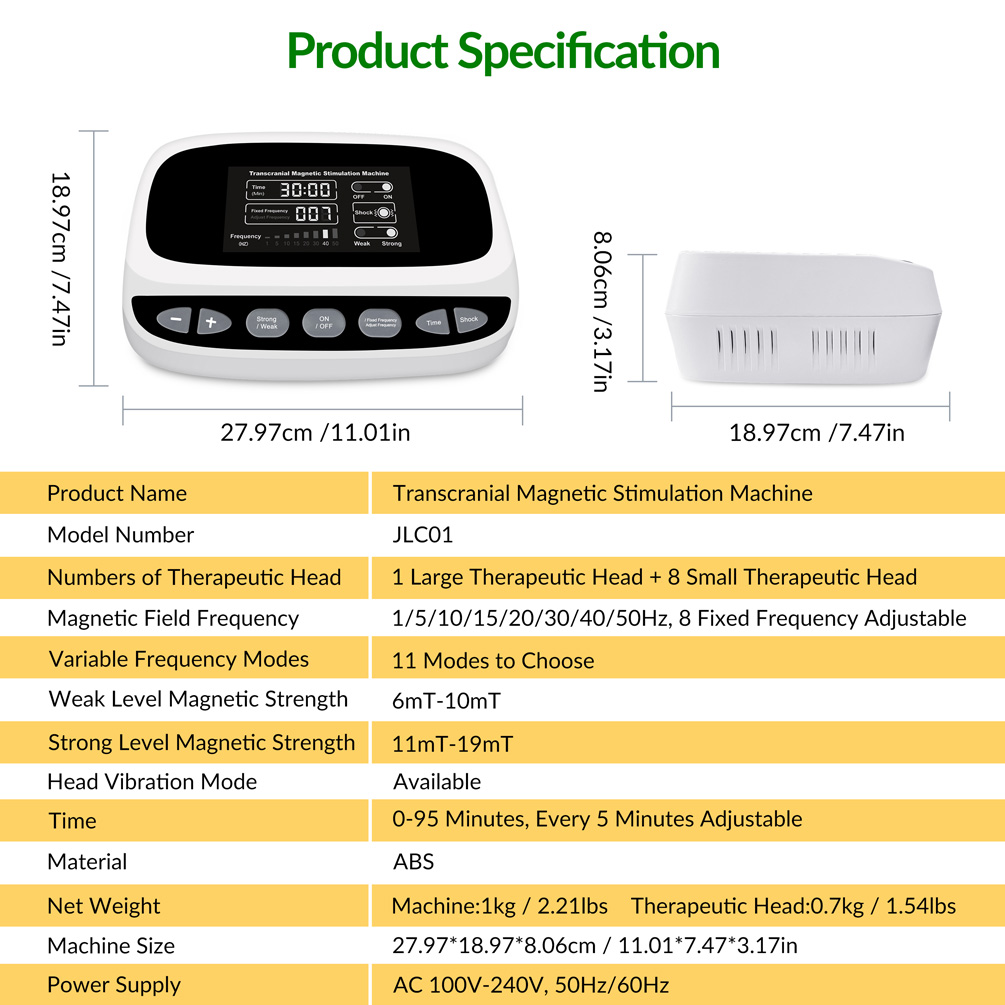
Model Number: JLC01
Number of Therapeutic Heads: 1 Large Therapeutic Head + 8 Small Therapeutic Head
Magnetic Field Frequency: 1/5/10/15/20/30/40/50Hz, 8 Fixed Frequency Adjustable
Variable Frequency Modes: 11 Modes to Choose
Weak Level Magnetic Strength: 6mT-10mT
Strong Level Magnetic Strength: 11mT-19mT
Vibration Function: Magnetic Therapy Head Vibration Mode
Time: 0-95 Minutes, Every 5 Minutes Adjustable
Material: ABS
Net Weight: Machine: 1kg / 2.21lbs; Therapeutic Head: 0.7kg / 1.54lbs"
Machine Size: 27.97*18.97*8.06cm / 11.01*7.47*3.17in
Working Voltage: AC 110V-240V, 50Hz/60Hz
1. For all your inquiries about us or our products, we will reply you in detail at the first time.
2. We have well-trained and professional sales & after- sale staff and services.
3. We offer OEM &ODM services. We can print your own logo on product and customize the retail box packing and other details.And we also support wholesale&dropshiping service.
4. We have experienced R&D engineers and strong ability in professional guidance.
5. For our ZJZK products,we provide one year warranty from the date of purchase.