We have a 100 percent guarantee of authenticity and a 30 day return policy.
NO REASONABLE OFFERS REFUSED ON 7,000 OTHER ITEMS! CLICK
"Empress"
by Nancy Denison
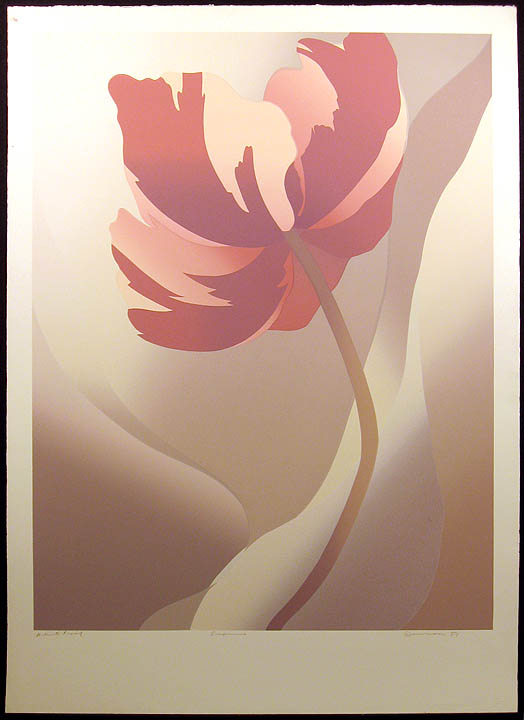
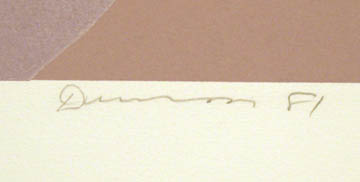
Hand signed, titled & numbered by the artist
Image
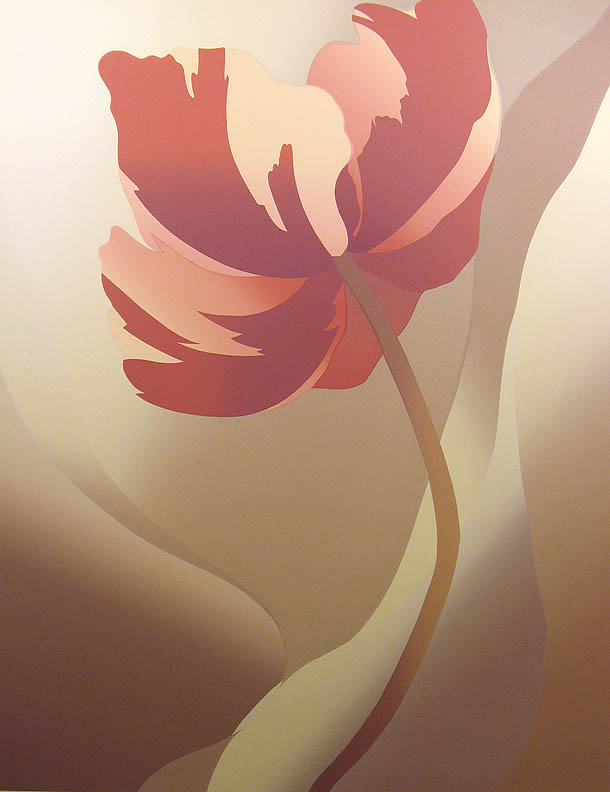
"Empress"
Unframed
Limited Edition Serigraph
Hand signed by the artist
Paper Size: 41" x 29.75"
Image Size: 35" x 26.75"
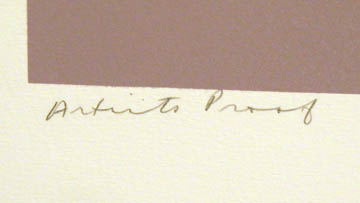
Edition Number: Artist's Proof
Circa 1981
Condition is Excellent/Near Mint. A couple dots of ink on the top left margin.
100 percent guarantee of authenticity
Certificate of Authenticity & appraisal is included
Gallery Retail : $1,000.00 unframed
MAKE AN OFFER!!
Shipping Info :
Buyer pays $15 within the continental US. If outside the continental US shipping may be higher. Send a message for estimate to your overseas location. If you can come to our Aurora, CO office you can pick it up (local taxes apply). If you have any questions or concerns about the shipping please send us a message.
International buyers:
- Import duties, taxes and charges are not included in the item price or shipping charges. These charges are the buyer's responsibility.
- Please check with your country's customs office to determine what these additional costs will be prior to bidding/buying.
Shipping Notice:
Shipping is provided by experts in handling the transportation of fine art. The price includes pick up, professional packaging/crating, insurance for the actual sale price, and delivery to your door.
WE SHIP WORLDWIDE!!
*** For Colorado residents: When shipping to an address in CO the applicable tax will be added to your total.
Be sure to add me to your favorites list!
Serigraph definition:
A stencil method of printmaking in which an image is imposed
on a screen of silk or other fine mesh, with blank areas coated with an
impermeable substance, and ink is forced through the mesh onto the printing
surface. Also called silkscreen process and screen-printing. A serigraph is a
print made by this method.
The word Serigraph is a combination of two Greek
words, seicos,
meaning silk, and graphos,
meaning writing. Silkscreen printing and other stencil-based printing
methods are the oldest forms of printmaking.
Printmaking is a process for producing editions
(multiple originals) of artwork. Painting, on the other hand, is a process
for producing a single original piece of artwork. In printmaking, each
print in an edition is considered an original work of art, not a copy.
Silkscreen printing can be traced as far
back as 9000 BC, when stencils were used to decorate Egyptian tombs and Greek
mosaics. From 221-618 AD stencils were used in China for production of images
of Buddha. Japanese artists turned screen printing into a complex art by
developing an intricate process wherein a piece of silk was stretched across a
frame to serve as the carrier of hand cut stencils.
Silkscreen printing found its way to the west in
the 15th century. The original material used in screen printing was silk, hence
the name Silkscreen printing. Today polyester is the fabric of
choice.