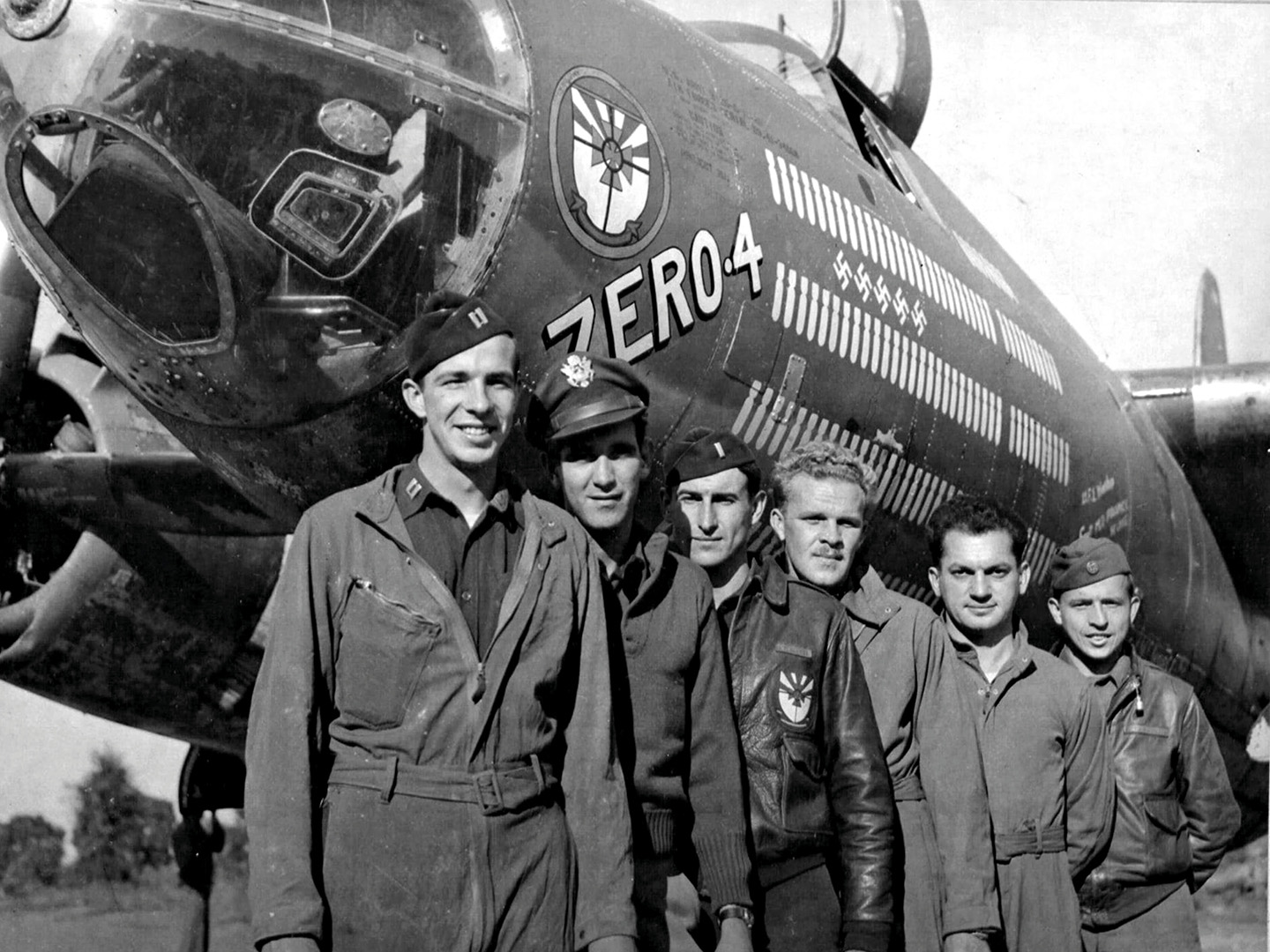
The Martin B-26B Marauder was a twin-engine medium bomber used by the United States Army Air Forces during World War II.
Designed and built by the Glenn L. Martin Company, the B-26B variant was an improved version of the original B-26, featuring enhanced defensive armament, increased fuel capacity, and more powerful engines.
The B-26B Marauder was known for its distinctive, sleek design and high-speed capabilities. It was powered by two Pratt & Whitney R-2800 Double Wasp radial engines, allowing it to achieve speeds of up to 315 mph (507 km/h).
The aircraft had a wingspan of 65 feet (20 meters) and a maximum bomb load of 4,000 pounds (1,814 kilograms).
Despite its initial reputation for being difficult to fly, especially during takeoff and landing due to its high wing loading and fast landing speeds, the B-26B's performance in combat proved highly effective.
It was used extensively in both the European and Pacific theaters, excelling in medium-altitude precision bombing missions.
The Marauder's speed and durability made it one of the most survivable bombers of the war, earning it the nickname "The Widowmaker" among pilots, though this reputation improved significantly with later operational success.
The B-26B Marauder's contributions were significant in various campaigns, including the Battle of Midway, the bombing of German industrial targets, and support for the D-Day landings.
Its operational record demonstrated the effectiveness and resilience of the aircraft and its crews, solidifying its place in aviation history.