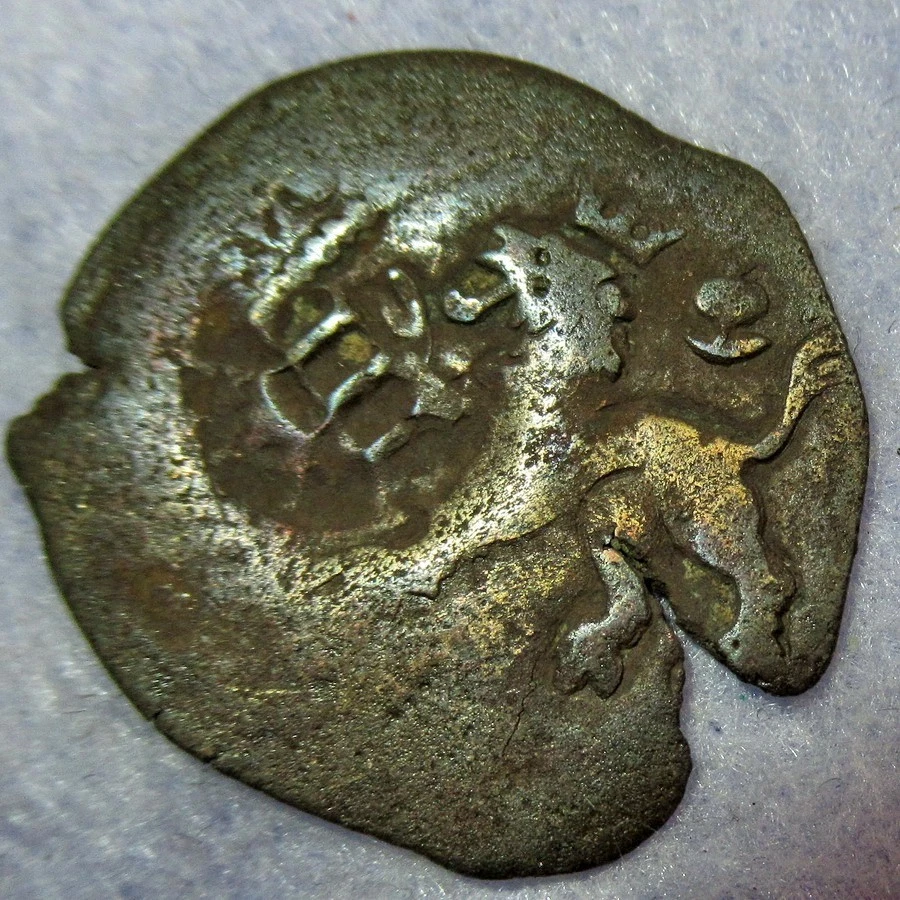
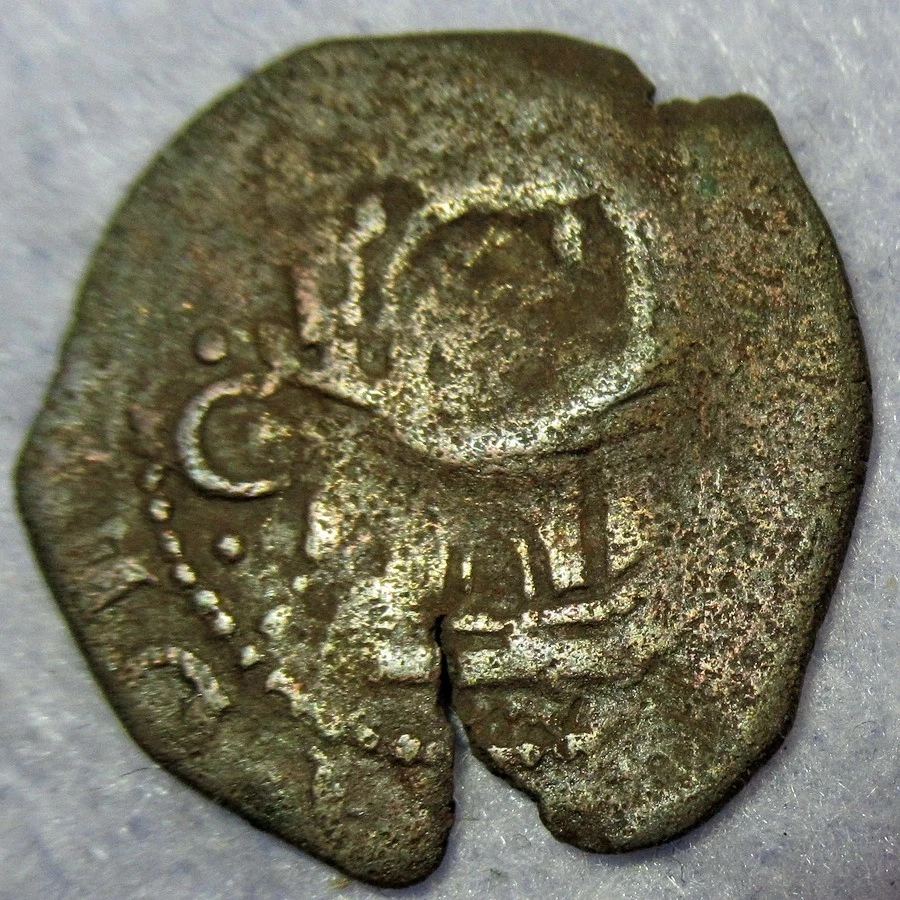
|
King
Philip II of Spain
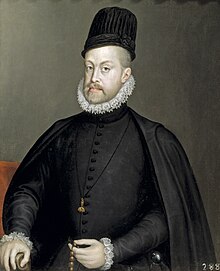
Philip II of Spain (Spanish: Felipe II; 21
May 1527 – 13 September 1598) was King of
Spain(as Philip II in Castille and Philip
II in Aragon) and Portugal as Philip
I (Portuguese: Filipe I). During his
marriage to Queen Mary I, he was King of
England and Ireland and pretender to the
kingdom of France.[1][2] As heir to
the Duchy of Burgundy, he was lord of
the Seventeen Provinces of the Netherlands.
Known in Spanish as "Philip the Prudent"
(Felipe el Prudente), his empire included
territories in every continent then known to
Europeans and during his reign Spain was the
foremost Western European power. Under his
rule, Spain reached the height of its
influence and power, directing explorations
all around the world and settling the
colonization of territories in all the known
continents including his namesake Philippine
Islands. However, he was also responsible
for four separate state bankruptcies in
1557, 1560, 1575, and 1596; precipitating
the declaration of independence which
created the Dutch Republic in 1581; and the
disastrous fate of the 1588 invasion of
England.
Philip was born in Valladolid, the son
of Charles V, Holy Roman Emperor and King of
Spain, and his wife, Isabella of Portugal.
He was described by the Venetian ambassador
Paolo Fagolo in 1563 as "slight of stature
and round-faced, with pale blue eyes,
somewhat prominent lip, and pink skin, but
his overall appearance is very attractive."
The Ambassador went on to say "He dresses
very tastefully, and everything that he does
is courteous and gracious."
Spanish
Coins in New World
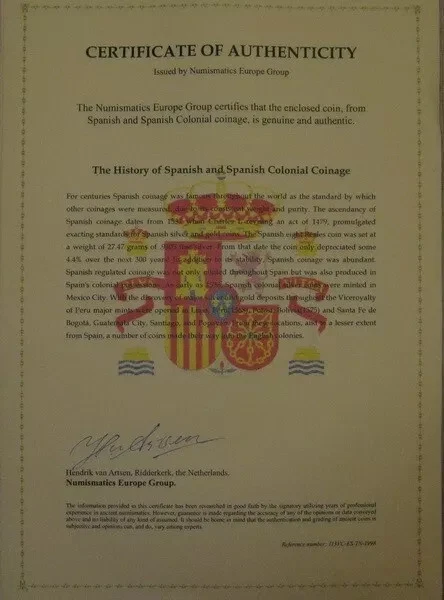
For centuries Spanish silver coinage was
famous throughout the world as the standard
by which other coinages were measured, due
to its consistent weight and purity. The
ascendancy of Spanish coinage dates from
1537 when Charles I, revising an act of
1479, promulgated exacting standards for
Spanish silver and gold coins. The Spanish
eight reales coin was set at a weight of
423.9 grains (27.47 grams) of .9305 fine
silver. From that date the coin only
depreciated some 4.4% over the next 250
years! In addition to its stability, Spanish
coinage was abundant. Spanish regulated
coinage was not only minted throughout Spain
but was also produced in Spain's colonial
possessions. As early as 1536, a year before
the coinage reform, Spanish colonial silver
coins were minted in Mexico City. With the
discovery of major silver and gold deposits
throughout the Viceroyalty of Peru (which
included all of Spanish South America from
what is now Panama down to Venezuela) major
mints were opened in Lima, Peru (1568-1589
then reopened in 1684), Potosí, Bolivia
(from 1575) and Santa Fe de Bogotá, Columbia
(from 1620). Later, additional mints were
located in Guatemala City (from 1733),
Santiago, Chile (from 1750), and Popayan,
Columbia (from 1758). From these locations,
and to a lesser extent from Spain, a number
of coins made their way into the English
colonies.
|