
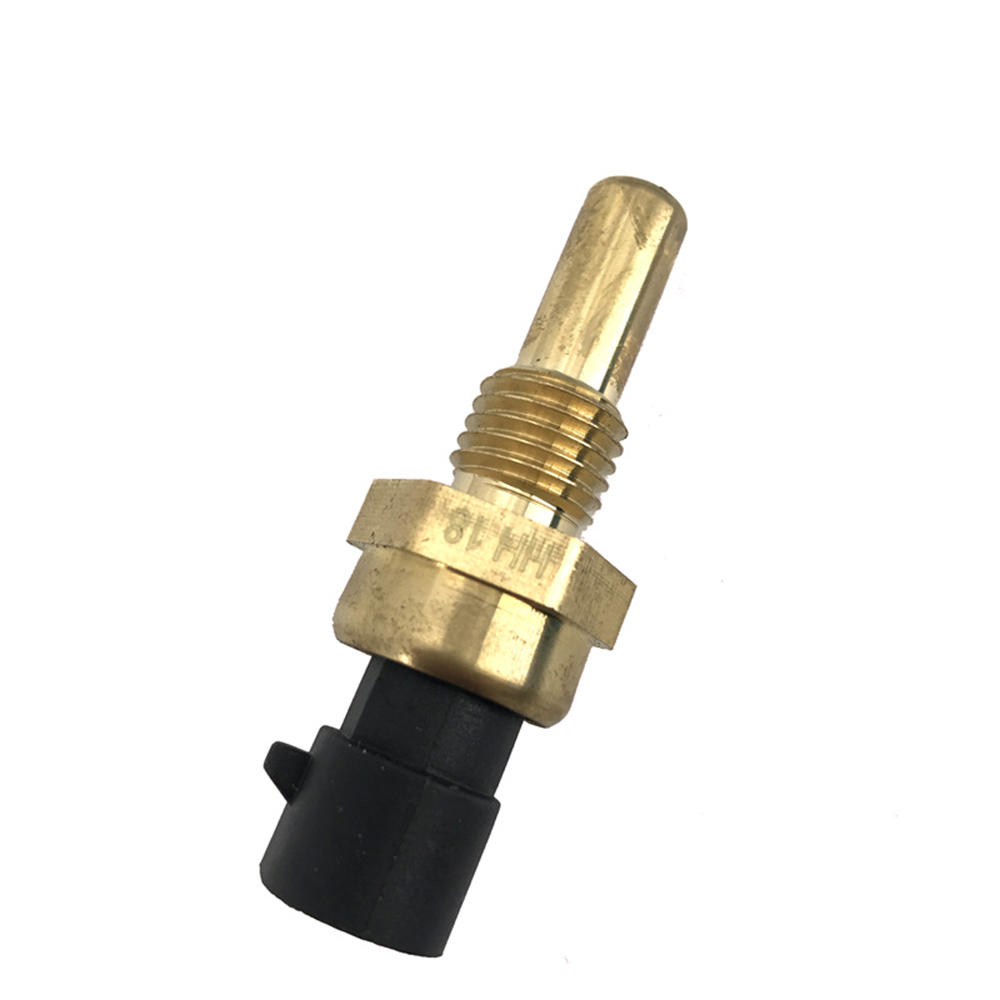
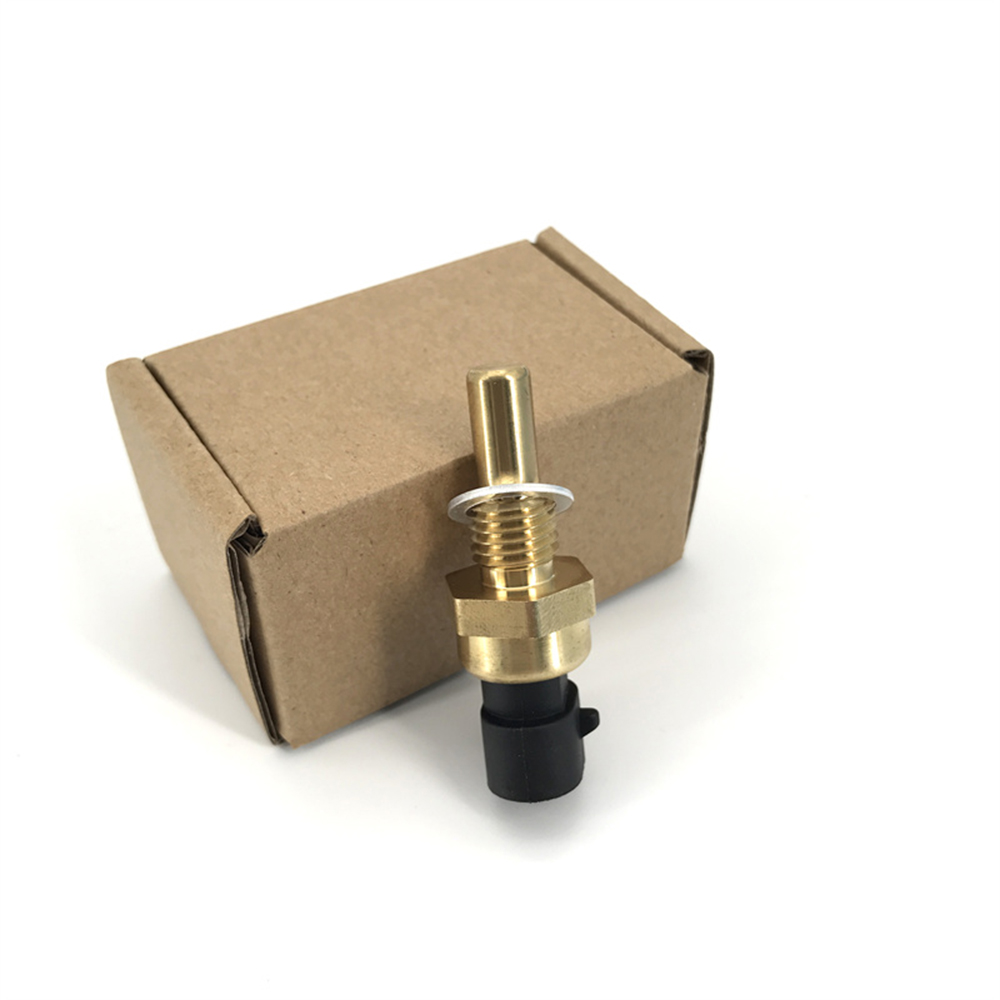


Function: Monitor the internal temperature of the engine coolant or radiator, transmit data to the ECU (Electronic Control Unit), and adjust the fan start stop, fuel injection, and ignition timing to ensure that the engine operates within the optimal temperature range.
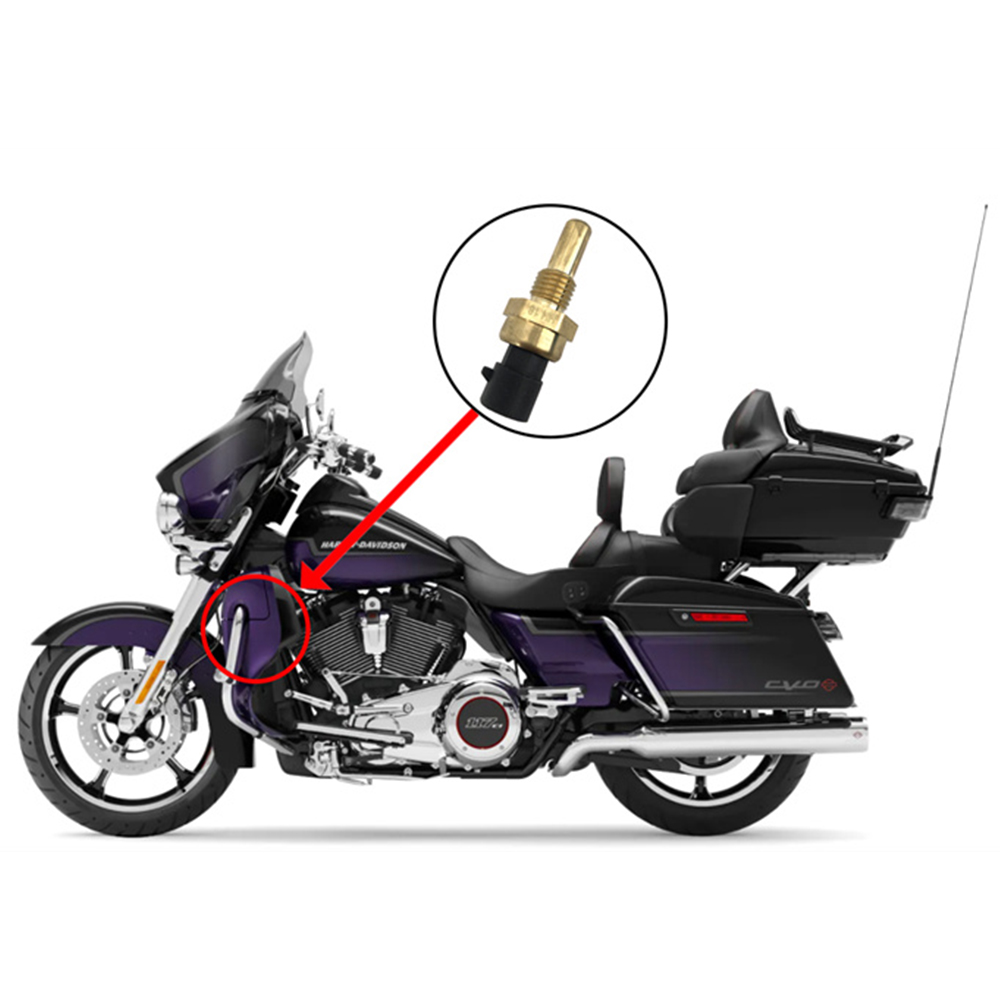
Applicable vehicle models: mainly equipped with liquid cooled engine gliding models (such as Twin Cooled models installed in some models after 2014) ™ Dual cooling system).
Characteristics of Copper Material Sensors
Durability and Thermal Conductivity
Efficient thermal conductivity: Copper material can quickly respond to temperature changes and provide more accurate real-time data.
Corrosion resistance: Copper alloy surfaces are often plated with nickel or chromium to enhance corrosion resistance and adapt to different climates and road conditions (such as rain and salt spray).
Mechanical strength: More resistant to high pressure and vibration than plastic or aluminum materials, suitable for long-distance cycling.
Compatibility and Design
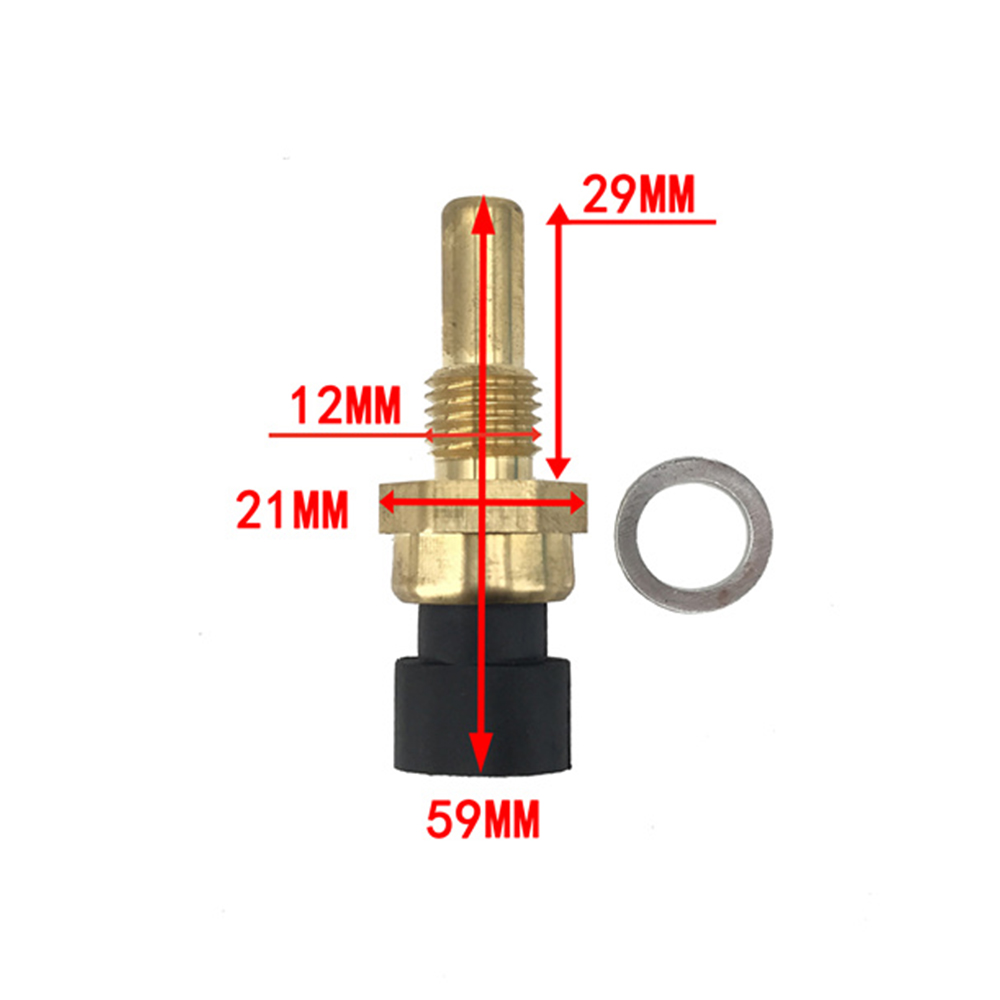
Threaded interface: Standardized threads (such as M12 × 1.5) ensure sealing with the radiator or engine block to prevent coolant leakage.
O-ring seal: usually equipped with high-temperature resistant rubber rings to further enhance sealing performance.
Electrical Performance
Resistance type output: Most use NTC (Negative Temperature Coefficient) thermistors, and as the temperature increases, the resistance value decreases, and the ECU calculates the temperature based on this.
Scope of work: Typical coverage from -40 ° C to+150 ° C, meeting extreme environmental requirements.
Improvement Points for 2014-2025 Models
Precision improvement: The new model adopts higher precision thermistor components, reducing the error range to ± 2 ° C.
Integrated design: Sensors and heat sinks are integrated to simplify maintenance.
Anti interference optimization: Shielded cable design reduces electromagnetic interference (especially for models equipped with ABS/traction control).
Common Problems and Maintenance Suggestions
Fault manifestations: abnormal temperature reading, fan not starting, instrument alarm (such as "Check Engine" light).
Replacement reminder: If the surface of the sensor is severely oxidized or the seal fails, it needs to be replaced in a timely manner.
Installation precautions: Use a torque wrench (usually 10-15 N · m) to avoid thread damage, and drain the coolant before operation.
Packaging
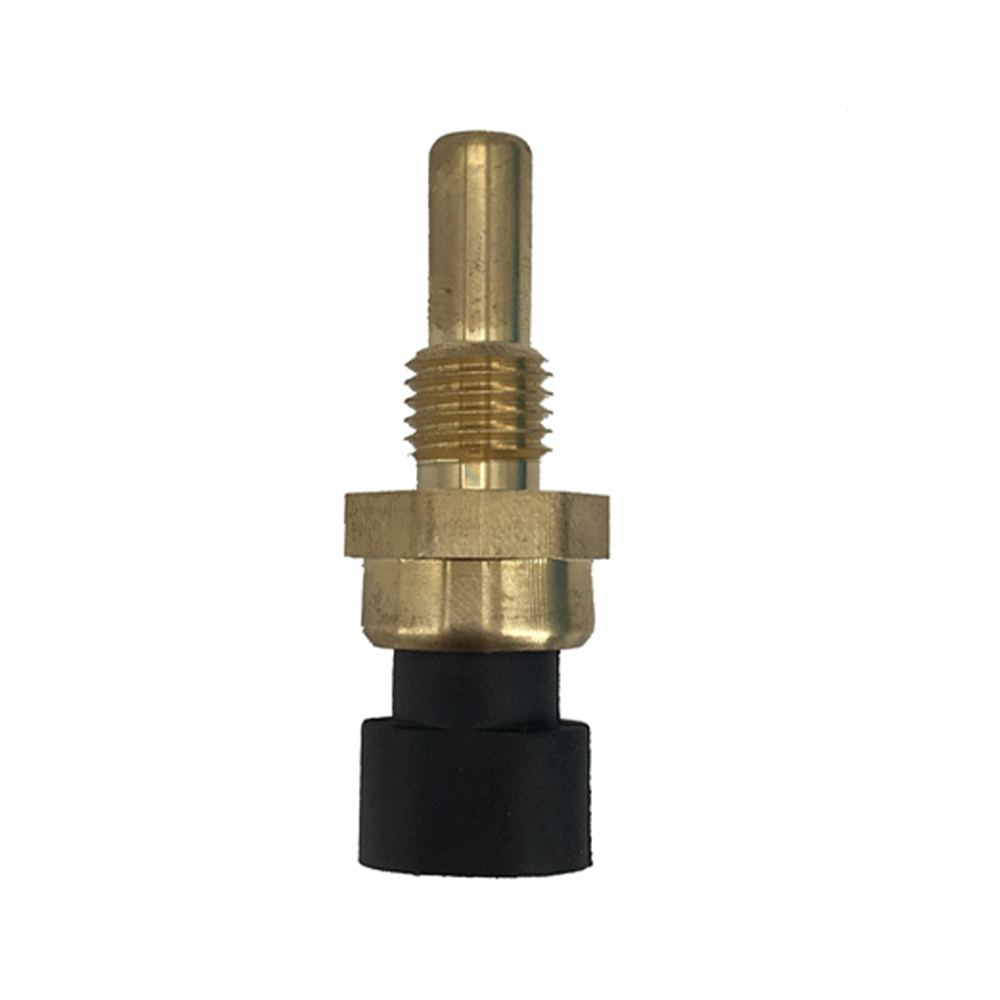
1 x Radiator Temperature Sensor
Applicable vehicle models: mainly equipped with liquid cooled engine gliding models (such as Twin Cooled models installed in some models after 2014) ™ Dual cooling system).
Characteristics of Copper Material Sensors
Durability and Thermal Conductivity
Efficient thermal conductivity: Copper material can quickly respond to temperature changes and provide more accurate real-time data.
Corrosion resistance: Copper alloy surfaces are often plated with nickel or chromium to enhance corrosion resistance and adapt to different climates and road conditions (such as rain and salt spray).
Mechanical strength: More resistant to high pressure and vibration than plastic or aluminum materials, suitable for long-distance cycling.
Compatibility and Design
Threaded interface: Standardized threads (such as M12 × 1.5) ensure sealing with the radiator or engine block to prevent coolant leakage.
O-ring seal: usually equipped with high-temperature resistant rubber rings to further enhance sealing performance.
Electrical Performance
Resistance type output: Most use NTC (Negative Temperature Coefficient) thermistors, and as the temperature increases, the resistance value decreases, and the ECU calculates the temperature based on this.
Scope of work: Typical coverage from -40 ° C to+150 ° C, meeting extreme environmental requirements.
Improvement Points for 2014-2025 Models
Precision improvement: The new model adopts higher precision thermistor components, reducing the error range to ± 2 ° C.
Integrated design: Sensors and heat sinks are integrated to simplify maintenance.
Anti interference optimization: Shielded cable design reduces electromagnetic interference (especially for models equipped with ABS/traction control).
Common Problems and Maintenance Suggestions
Fault manifestations: abnormal temperature reading, fan not starting, instrument alarm (such as "Check Engine" light).
Replacement reminder: If the surface of the sensor is severely oxidized or the seal fails, it needs to be replaced in a timely manner.
Installation precautions: Use a torque wrench (usually 10-15 N · m) to avoid thread damage, and drain the coolant before operation.
Packaging
1 x Radiator Temperature Sensor