|
|
||||
|
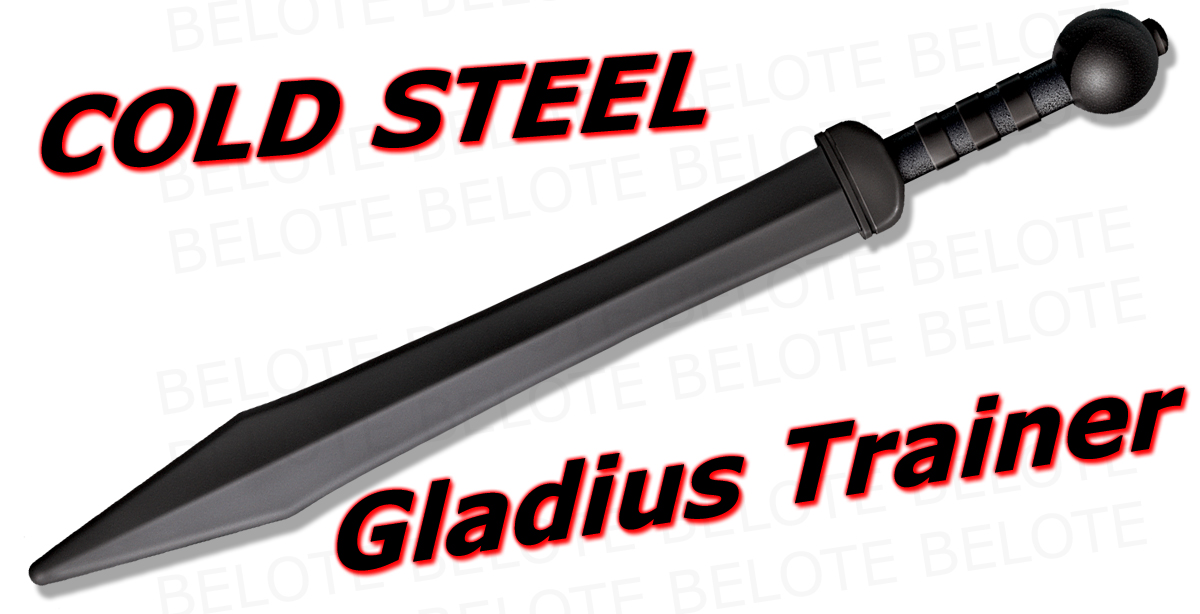
Gladius Trainer |
||||
|
The best of the world's sword fighters have known a simple
truth for ages... if you want to become a reasonably good sword fighter you
should endeavor to learn sword fighting techniques, footwork and the basic
stances. However, if you want to be a master at sword fighting you have to
eventually start fighting with a "live blade". If your ultimate goal is to wield
a razor sharp sword safely and effectively, you need to train with a sword that
approximates the size, feel and heft of a live blade, yet minimizes the
possibility of causing grievous, permanent, or life-threatening injury to
yourself or your training partner.
This concept was implemented by the ancient Romans, who used dull wooden swords to train their Gladiators and soldiers. And Japanese |
|
|||
|
Blade Length: |
22" |
|||
| Overall Length: | 31" | |||
| Material: | Polypropylene | |||
| Weight: | 13.3 oz. | |||
|
|
||||
|
Samurai used a wooden training sword that was called a
Bokken. It's an elegant solution to a vexing problem and effective enough to
still be used today. The only problem is that a wooden sword can rot, crack,
chip or splinter and eventually become useless.
Cold Steel's solution to these dilemmas was to design a synthetic substitute, low in price and impervious to the elements. The Cold Steel line of Training Swords are made of heaviest grade polypropylene available and closely duplicate a real sword in length, size, weight and feel. While they're not quite as rigid as wood, they have the winning advantages of being virtually unbreakable, remarkably stiff and cut resistant.
|
||||






| Bonus: PayPal buyers get complimentary access to belote's weekly newsletter. |

|