The "ebayPRYANKEE" watermark shown across some of the images is NOT on the actual items. This was simply added to the ebay images to keep others from copying without permission.
WWII Jewish Refugee Japan Diary
THE QUASTLER ARCHIVE: A Jewish Refugee's Odyssey in Wartime & Occupied Japan (1939-1948)
This premier historical archive documents the harrowing and ultimately triumphant survival of a German-Jewish family in Japan during World War II and the subsequent U.S. Allied Occupation.
Centered on the meticulously illustrated personal diary of Renate Quastler-a young refugee from Stuttgart-this collection provides a singular, first-hand account of a "stateless" life caught between the fading traditions of Imperial Japan and the rising influence of the American military. Unlike the well-documented narratives of the Shanghai Ghetto, this archive records the rare experience of "industrial refugees" saved by the Niels Foerster Network, living as sequestered specialists on the Japanese main islands and in the mountain enclave of Karuizawa.
From the total destruction of the family home during the 1945 Tokyo Firebombing to serving as high-ranking specialists for the U.S. 1164th Engineer Combat Group under General MacArthur, the Quastler Archive is a definitive primary source. It tracks a transformative decade through hand-painted watercolors, architectural sketches, and rare Japanese-language ephemera, marking the family's journey from German professionals to naturalized American citizens.
The Foerster Connection: A Rare "Bridge to Asia" Narrative:
Unlike the well-documented masses of the Shanghai Ghetto, the Quastler family belonged to an elite group of "industrial refugees" saved by the Niels Foerster Network. Foerster, a Norwegian-born businessman in Tokyo, utilized his corporate influence to provide high-level employment contracts to Jewish specialists from Stuttgart, enabling them to bypass standard immigration quotas. Ernst Quastler was one such hire. Together with his wife and daughter Renate, Quastler escaped from Stuttgart after Foerster hired him to be his plant manager.
This archive is a primary record of the "Foerster Jews," who lived not in a ghetto, but as sequestered specialists on the Japanese main islands. It documents their transition from German professionals to protected residents of Karuizawa, and finally to high-ranking specialists for the U.S. 1164th Engineer Combat Group under General MacArthur.
The Primary Manuscript:
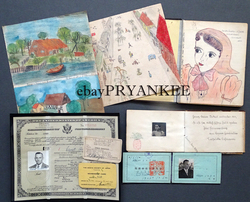
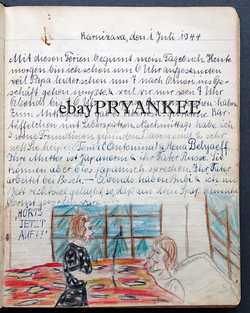
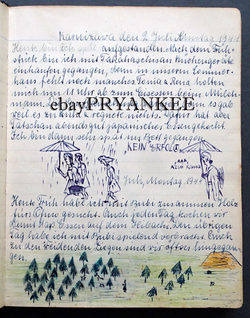
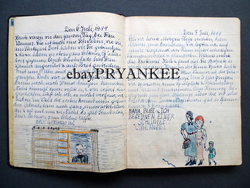
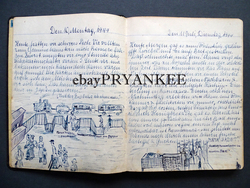
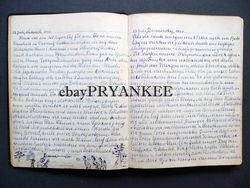
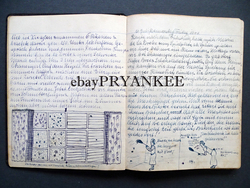
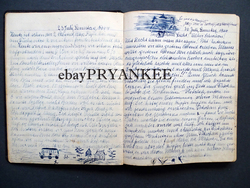
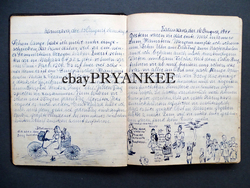
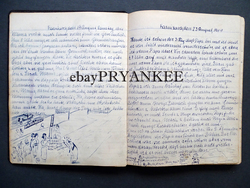
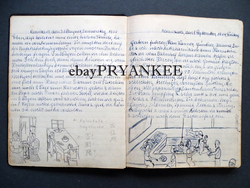
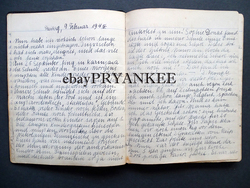
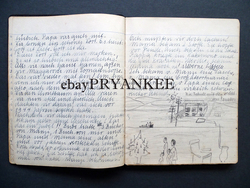
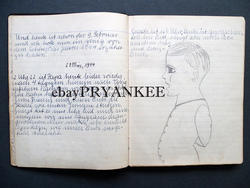
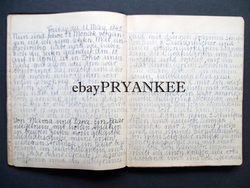
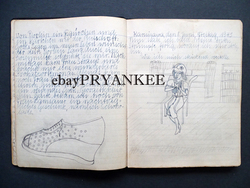
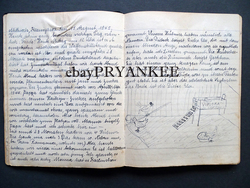
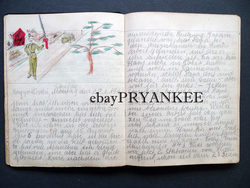
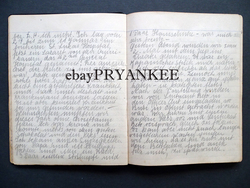
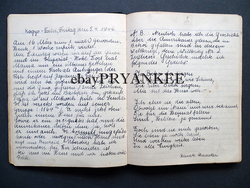
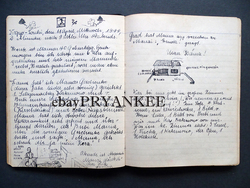
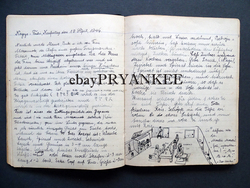
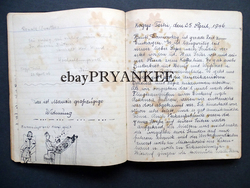
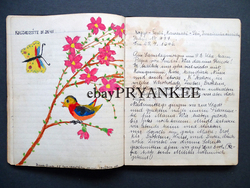
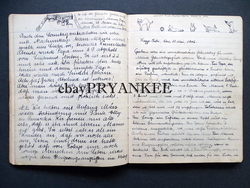
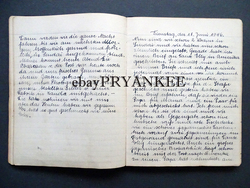
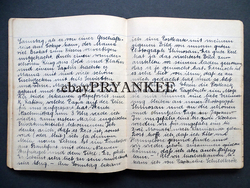
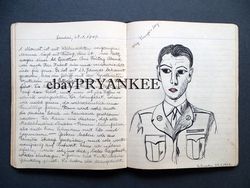
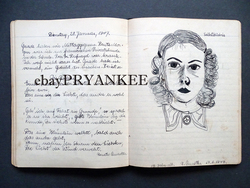
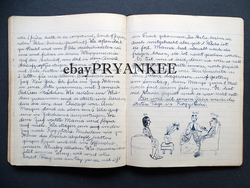
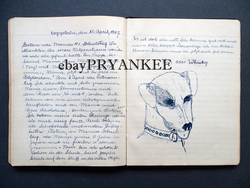
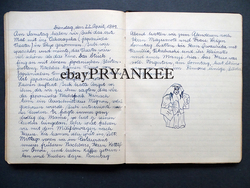
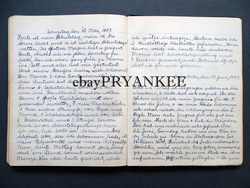
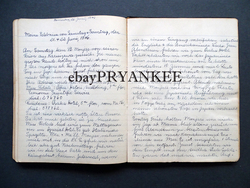
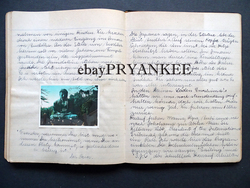
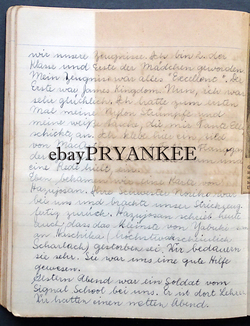
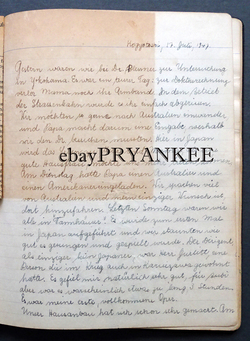
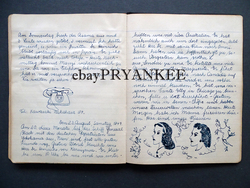
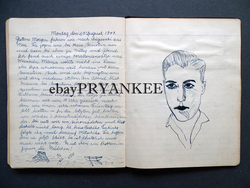
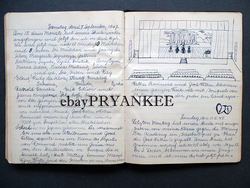
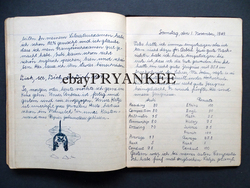
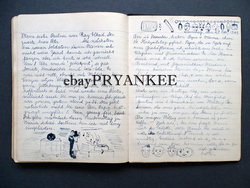
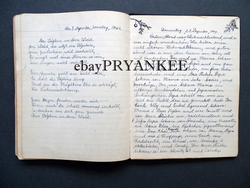
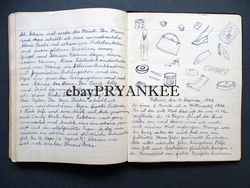
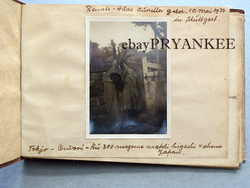
The Renate Quastler Diary: A vintage journal measuring 6 1/4" x 8", with over 120 pages of densely written German-language entries, dating from 1944 to 1948, capturing the climax of WWII and the transformative early years of the Allied Occupation. Not all pages are shown in this listing.
Key Historical Highlights of the Diary:
*** The Firebombing of Tokyo: A stoic and haunting entry from April 15-16, 1945, recording the total destruction of the family home. Renate writes: "Our house in Tokyo burned down with everything that was in it. But that doesn't matter to us anymore."
*** The Karuizawa "Mountain Ghetto": Detailed accounts of the secluded life in the Japanese Alps, where Jewish refugees, "stateless" Europeans, and anti-Nazi German clergy (such as Pastor Jaeckel) were sequestered. Includes descriptions of "Hamster" trips-clandestine journeys to rural farms to trade possessions for food.
*** Witness to History: Rare sightings and descriptions of the era's most powerful figures, including General Douglas MacArthur and Sir William Webb (President of the International Military Tribunal for the Far East).
*** The "Australia Plan": Historically significant documentation of the family's 1947 attempt to immigrate to Australia, including required medical exams in Yokohama-a rare recorded instance of secondary migration goals for Jewish refugees in Asia.
*** The Americanization of a Refugee: The journal tracks Renate's evolution into a modern teenager, recording her first Nylon stockings, her introduction to Coca-Cola and the Jitterbug, and the transition from German school-girl to a top student at Saint Joseph's College in Yokohama.
The diary is a masterpiece of personal documentation, featuring:
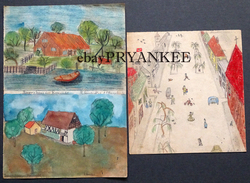
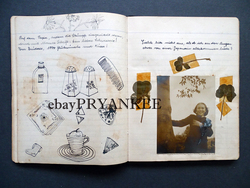
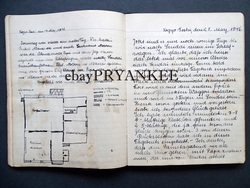
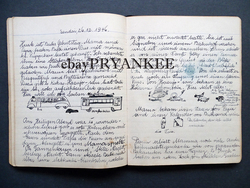
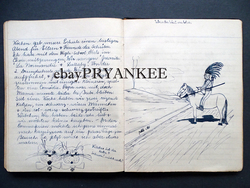
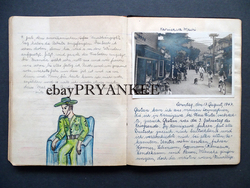
*** Original Illustrations: Meticulous sketches in pencil and colored ink depicting traditional Japanese attire, wartime "little houses" (including architectural floor plans), and American military life. One notable sketch, "When the West was Wild," illustrates the profound impact of American pop culture on a refugee child.
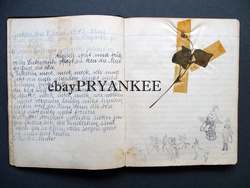
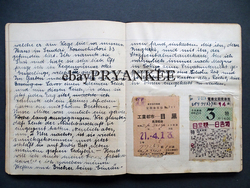
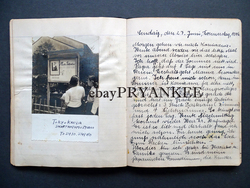
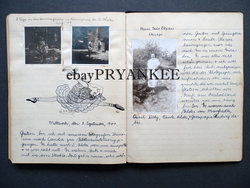
*** Photography & Ephemera: Taped into the pages are original family photographs taken in Tokyo and Karuizawa, pressed mountain flora, and authentic 1946 Tokyo-Kawasaki commuter rail passes with the "Quastler" name written in Japanese Katakana.
Associated Archive Materials
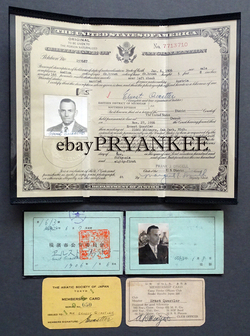
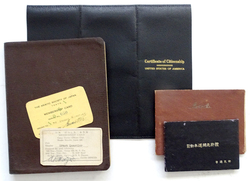
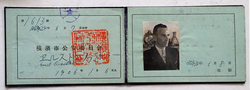
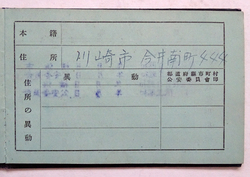
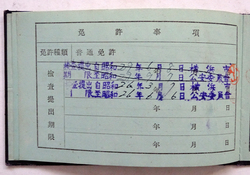
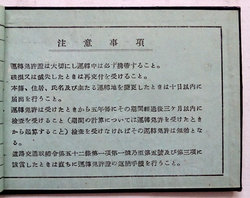
*** Ernst Quastler's Official Papers: Includes his Yokohama City Public Safety Commission driver's license for a foreign resident in Japan, his Camp Fowler Officers Club membership card, his 1941 Asiatic Society of Japan membership card, and his 1956 U.S. Naturalization Certificate, marking the formal end of the family's stateless journey.
*** Three separate watercolors and sketches by Renate, providing a visual inventory of their domestic life in exile.
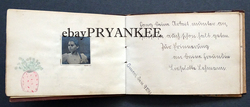
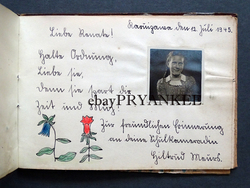
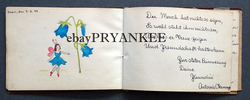
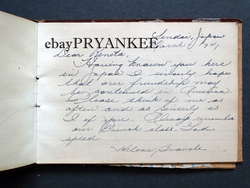
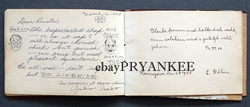
*** Also included is an autograph album owned by Renate, and signed by multiple schoolmates and friends in Stuttgart, and people she later met in Japan. Filled with photos and small drawings. The first entry is dated 1943, and the last 1948.
This archive is a direct family record and represents a critical primary source for scholars of Holocaust studies, the Jewish diaspora in the Far East, and the social history of Occupied Japan. It offers a rare perspective on the small, industrial network of refugees who survived the war within the Japanese main islands.