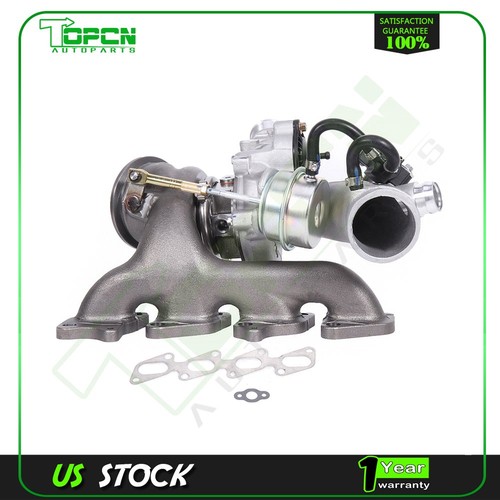
Fitment:
1992-1993 Buick Roadmasterbr/>1990-1992 Cadillac Broughambr/>1991-1992 Cadillac Devillebr/>1993 Cadillac Fleetwoodbr/>1987-1995 Chevrolet Astrobr/>1988-1995 Chevrolet Blazerbr/>1988-1995 Chevrolet C1500 Pickupbr/>1992-1995 Chevrolet C1500 Suburbanbr/>1988-1995 Chevrolet C2500 Pickupbr/>1992-1995 Chevrolet C2500 Suburbanbr/>1988-1995 Chevrolet C35br/>1988-1995 Chevrolet C3500 Pickupbr/>1989-1993 Chevrolet Capricebr/>1987-1995 Chevrolet G10br/>1987-1995 Chevrolet G20br/>1987-1995 Chevrolet G30br/>1988-1995 Chevrolet K1500 Pickupbr/>1992-1995 Chevrolet K1500 Suburbanbr/>1988-1995 Chevrolet K2500 Pickupbr/>1992-1995 Chevrolet K2500 Suburbanbr/>1988-1995 Chevrolet K3500 Pickupbr/>1988 Chevrolet R10 Suburbanbr/>1989-1991 Chevrolet R1500 Suburbanbr/>1988 Chevrolet R20 Pickupbr/>1988 Chevrolet R20 Suburbanbr/>1989 Chevrolet R2500 Pickupbr/>1989-1991 Chevrolet R2500 Suburbanbr/>1988 Chevrolet R30 Pickupbr/>1989-1991 Chevrolet R3500 Pickupbr/>1988-1994 Chevrolet S10 Blazerbr/>1988-1995 Chevrolet S10 Pickupbr/>1995 Chevrolet Tahoebr/>1988 Chevrolet V10 Suburbanbr/>1989-1991 Chevrolet V1500 Suburbanbr/>1988 Chevrolet V20 Suburbanbr/>1989-1991 Chevrolet V2500 Suburbanbr/>1988 Chevrolet V30 Pickupbr/>1989-1991 Chevrolet V3500 Pickupbr/>1988-1995 Gmc C1500 Pickupbr/>1992-1995 Gmc C1500 Suburbanbr/>1988-1995 Gmc C2500 Pickupbr/>1992-1995 Gmc C2500 Suburbanbr/>1988-1995 Gmc C3500 Pickupbr/>1987-1995 Gmc G1500br/>1987-1995 Gmc G2500br/>1987-1995 Gmc G3500br/>1988-1995 Gmc Jimmybr/>1988-1995 Gmc K1500 Pickupbr/>1992-1995 Gmc K1500 Suburbanbr/>1988-1995 Gmc K2500 Pickupbr/>1992-1995 Gmc K2500 Suburbanbr/>1988-1995 Gmc K3500br/>1988-1991 Gmc R1500 Suburbanbr/>1988-1989 Gmc R2500 Pickupbr/>1988-1991 Gmc R2500 Suburbanbr/>1988-1991 Gmc R3500 Pickupbr/>1988-1991 Gmc S15 Jimmybr/>1988-1990 Gmc S15 Pickupbr/>1987-1995 Gmc Safaribr/>1991-1995 Gmc Sonomabr/>1991 Gmc Syclonebr/>1992-1993 Gmc Typhoonbr/>1988-1991 Gmc V1500 Suburbanbr/>1988-1991 Gmc V2500 Suburbanbr/>1988-1991 Gmc V3500 Pickupbr/>1992-1995 Gmc Yukonbr/>1995-1996 Hummer H1br/>1991-1994 Oldsmobile Bravadabr/>1991-1992 Oldsmobile Custom Cruiser
What is a fan clutch?
A fan clutch is a thermostatic engine cooling fan that can freewheel at low temperatures when cooling is not needed, allowing the engine to warm up faster, relieving unnecessary load on the engine. As temperatures increase, the clutch engages so that the fan is driven by engine power and moves air to cool the engine.
Most fan clutches are viscous or "fluid" couplings, combined with a bi-metallic sensory system similar to that in a thermostat. Some clutches are electronically controlled (instead of bi-metallic strip). These provide the potential to control the level of engagement depending on any number of inputs. Common controlling factors might include engine oil temperature, transmission oil temperature, coolant temperature, AC system pressures and ambient air temperature.
How to Detect a Faulty Fan Clutch?
-Fan spins excessively when engine is stopped.
-Poor A/C performance at idle or low vehicle speeds.
-Fan speed does not increase when engine is hot.
-Fan speed does not increase until engine is excessively hot.
-Fan blade tip moves more than 1/4” front to back.
-Fan turns roughly or does not turn at all.
-Excessive fan noise at all speeds due to failed bearing.
-Vibration that increases with engine speed.
How to Replace a Fan Clutch?
Materials Needed
-Pulley locking tool
-Wrench
-Socket set with ratchet
-Rubber mallet
Step 1: Remove the fan shroud. Because every application is different, some of these steps may need to be altered in order to fit your specific application. On most applications, however the fan shroud is fastened by several bolts which will need to be removed in order to remove the shroud. Most applications will also require removal of the top radiator hose in order to get the fan shroud out. If this is the case, be sure to drain your coolant system prior to doing this. Once this is done, you can remove the fan shroud from the engine compartment.
Step 2: Remove the fan. There are typically two types of ways the fan will be attached; one will be with four large bolts, in which case you will need just a basic wrench of the appropriate size to remove. The other method of attachment is a large nut that will likely require the use of a special pulley locking tool that is used to keep the pulley from moving while removing the nut.
Since this is a specialty tool, most people may not have access to this tool. If this is the case, an alternative to using this specialty tool can be the use of a screwdriver. Use the screwdriver to hold keep the bolt in place while loosening the nut. Pay special attention to the placement of the screwdriver while doing this as this can damage the edges of the bolts if not done properly.
Step 3: Rock from side to side. Once all bolts and/or nuts have been removed, hold the fan with both hands slightly rocking it from side to side sliding it off of the water pump shaft.
Step 4: Remove the bolts. Secure the fan on a work table with plenty of room to work with the fan shaft facing your direction. There are four large bolts in the center of the fan assembly that hold the clutch in place. Remove these bolts and the clutch will be free from the fan.
Step 5: Install the new fan clutch. Hold the new fan clutch in place aligning the bolt holes in the same place as the old clutch.
Lightly run the bolts into the holes making sure the threads are lining up properly
Tip: The bolts should run into the threads freely with little or no resistance. If they feel tight or like you are using too much force, you are likely cross threading them which can lead to the bolts not staying in tightly and eventually falling out. Note, this is extremely important.
Step 6: Tighten the bolts. Once you’ve run all bolts in finger tight, use your wrench to tighten them according to factory specifications (refer to your service manual or instructions with the new fan clutch).
Step 7: Put the fan back into the engine. Slide the fan assembly back into the engine compartment paying special attention to the water pump shaft alignment.
Once in place, gently run the four bolts back into place holding the fan with one hand and running the bolts back in with the other. This may take some maneuvering to keep things straight, but remember, slow and steady and paying attention to detail is important.
When all four bolts are back in place and run in finger tight, use the same wrench you used to remove them with to tighten them back up according to factory specifications (Again, refer to your service manual for exact specifications).
If your application requires you to remove the top radiator hose to get the fan shroud out, now would be the time to reinstall that same radiator hose. Be sure to also remember to refill your coolant system if draining it was part of the removal process.
Slide the fan shroud back into place lining up the bolt holes in the same position as it was removed. Run each bolt back in finger tight until all are accounted for and tighten per factory specifications (Refer to service manual for torque specs).
You have now replaced your fan clutch. A good practice as always is to start the vehicle and listen for abnormal noises and watch for movements in the replacement parts that are not consistent.