 Additional Information
To contact our Customer Service Team, simply click the button here and our Customer Service team will be happy to assist.
© Botanical Archive

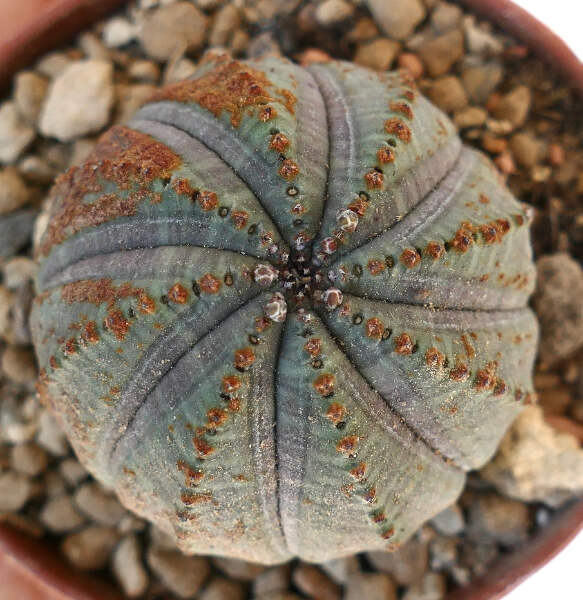
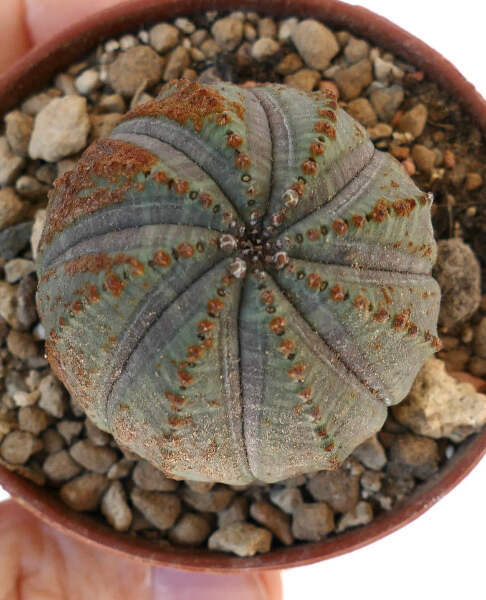
Unveiling the Beauty of Euphorbia Obesa: History, Description, and Expert Cultivation Tips
Introduction: Embark on a journey to explore the captivating allure of Euphorbia Obesa, a botanical wonder renowned for its unique appearance and resilience. In this comprehensive guide, we delve into the fascinating history of its discovery, provide a detailed description, and offer expert cultivation tips to ensure your success in nurturing this extraordinary succulent.
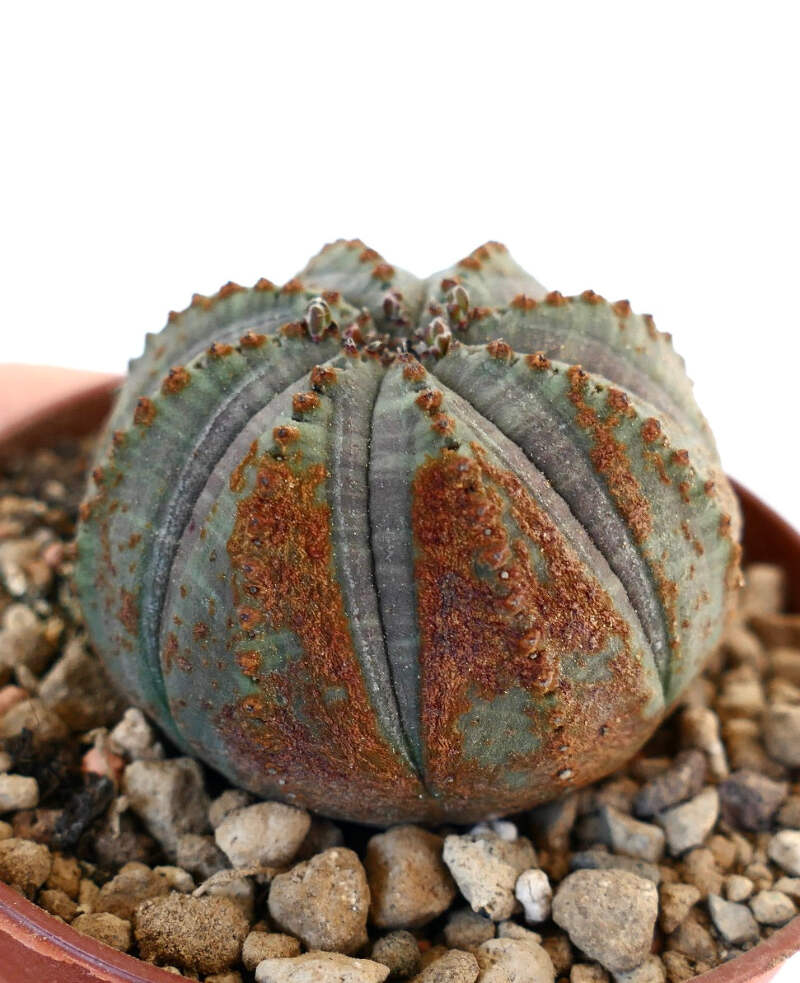
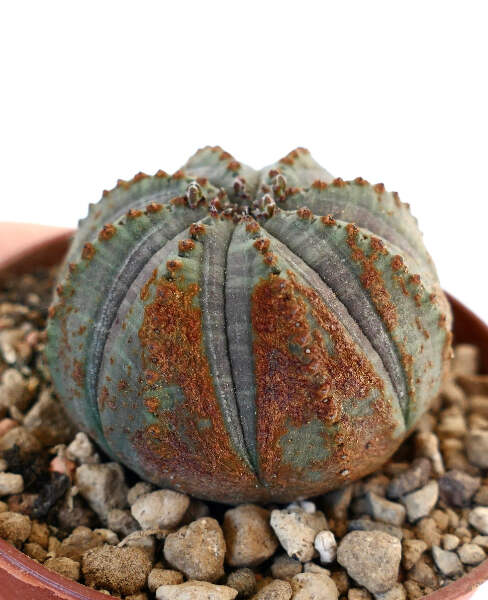
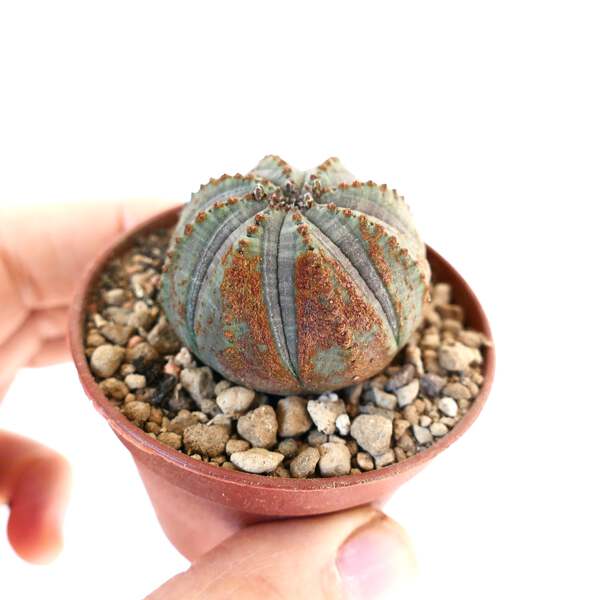
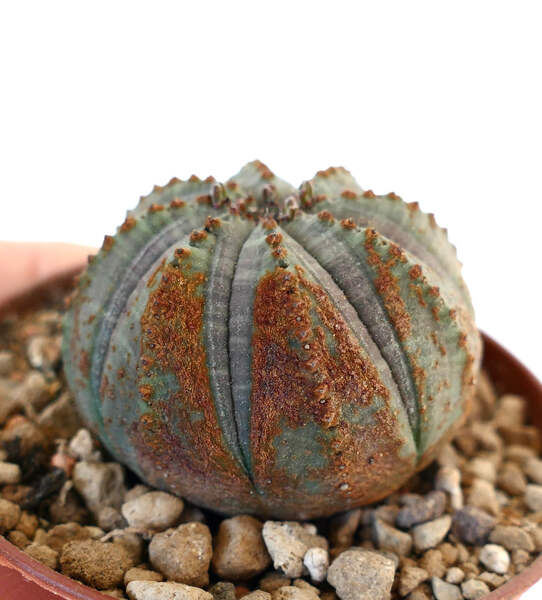
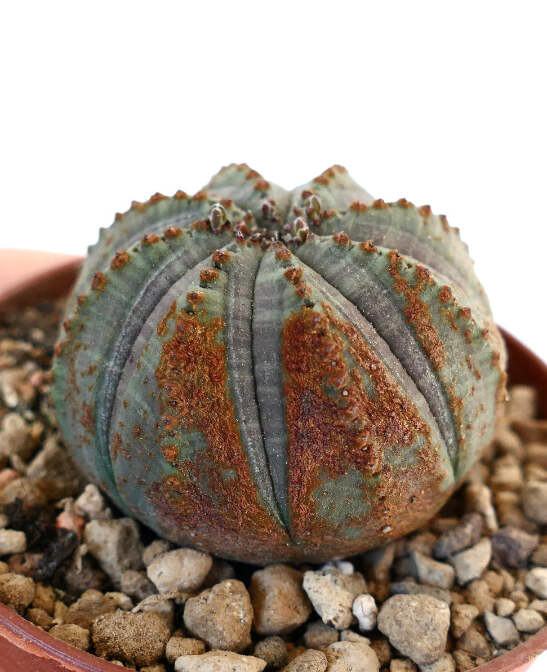
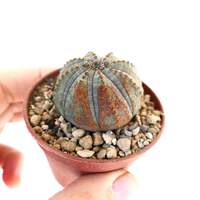
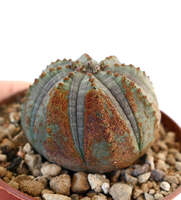
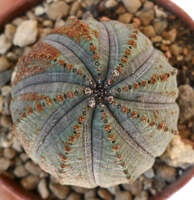
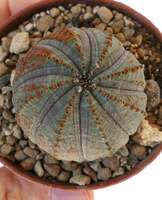
Description: Euphorbia Obesa, often referred to as the "baseball plant" or "hedgehog cactus," is a striking succulent native to the arid regions of South Africa. Its spherical, ribbed form resembles a small, green baseball, making it a standout addition to any botanical collection. The plant's compact size, coupled with its intriguing geometric patterns and distinctive ridges, lends it an air of otherworldly charm. With proper care, Euphorbia Obesa thrives indoors or outdoors, adding a touch of exotic elegance to any environment.
History of Discovery: Discovered in the early 19th century by botanists exploring the arid landscapes of South Africa, Euphorbia Obesa quickly captured the imagination of the botanical world. Its unusual appearance and ability to adapt to harsh desert conditions fascinated plant enthusiasts and collectors alike. Since its discovery, this remarkable succulent has gained popularity worldwide, earning a place as a cherished addition to succulent gardens, botanical gardens, and private collections.
Cultivation Tips: Unlock the full potential of your Euphorbia Obesa with these expert cultivation tips:
Well-Draining Soil: Plant Euphorbia Obesa in well-draining soil to prevent waterlogged conditions, which can lead to root rot. A mixture of cactus potting mix and perlite or coarse sand ensures optimal drainage.
Sunlight Exposure: Position the plant in a sunny location where it receives plenty of indirect sunlight or partial shade. Euphorbia Obesa thrives in bright, indirect light, but avoid exposing it to harsh, direct sunlight, which can cause sunburn.
Watering Regimen: Water sparingly, allowing the soil to dry out completely between waterings. Overwatering is a common mistake that can be detrimental to the health of Euphorbia Obesa. During the growing season (spring and summer), water every 2-3 weeks, and reduce watering frequency in the dormant season (fall and winter).
Temperature and Humidity: Euphorbia Obesa prefers warm temperatures and low humidity levels. Protect it from frost and extreme cold, as prolonged exposure to freezing temperatures can damage the plant. Additionally, ensure good air circulation to prevent fungal diseases.
Fertilization: Feed Euphorbia Obesa with a balanced, diluted fertilizer once every 4-6 weeks during the growing season. Use a fertilizer specifically formulated for succulents, and follow the manufacturer's instructions for application.
| Plants: Pictures | Keep on mind that the plant may have grown since pictured. |
| Plants: Seasonality | Be aware that most plants change across seasons. If present foliage could have been fallen or change in its color. |
| Plants: Shipment | Plants will be sent bare roots and with no soil. |
| Plants: Phytosanitary Certificates | A phytosanitary certificate (for additional costs of 20,00 EURO) is necessary for export plants from Italy to ALL destinations out of EUROPEAN COMMUNITY. Among which: United Kingdom Turkey, South America, USA, Canada, Australia, Japan, Singapore, Philippines, South Korea, Thailand, etcetera. You can buy it in our eBay store. 1 single certificate can cover several plants purchase that are sent together in same shipment. If you will not buy the certificate and the plants, we will not be responsible for any capture by customs of destination. |
| Plants: Recognition and Nomenclature | Plants nomenclature has been done at our best knowledge, please see picture to see the product. |
| Seeds: Legal Purchases | We ship worldwide but please be sure that the seeds are legal in your country. We will not accept any claims in case the seeds are confiscated by your local authorities |
| Seeds: Shipment | Seeds are clean and each species is handled in a transparent small bag. Latin names of nomenclature are indicated in each bag of seeds. |
Click the Postage tab above the listing description for more info
Click the Postage tab above the listing description for more info!
 Additional delivery notes
PICK UP OPTION
Sorry, our items are NOT available for pick-up.

|
PAYING VIA PAYPAL |
We accept PayPal on our all our items so you can shop with confidence.
Simple choose the PayPal option when proceeding through the checkout.
To contact our Customer Service Team, simply click the button here and our Customer Service team will be happy to assist.
© Botanical Archive
Click the Postage tab above the listing description for more info
Accepted Payment Methods
Returns are accepted
Items must be returned within 30 days of the auction ending
Buyer will pay for return shipping.