
We thrive to deliver the best customer service for our customers. When you leave positive feedback & a 5-star rating, you are eligible for a 5% discount off your next order, please contact us to claim!

Scotch-Brite lapping mops are abrasive tools made from non-woven nylon web impregnated with abrasive grains, commonly used for polishing, deburring, surface finishing, and blending on various metals and materials. They're often attached to lapping or buffing machines and are prized for their controlled, uniform finish and non-loading, non-gouging action.
Key Features:
-
Material: Non-woven nylon (Scotch-Brite), sometimes with aluminum oxide or silicon carbide abrasives.
-
Structure: Open web design prevents clogging and overheating.
-
Uses:
-
Final surface preparation before coating or painting
-
Blending scratches from previous grinding steps
-
Removing rust, oxides, or surface contaminants
-
Creating satin or brushed finishes on metals (e.g., stainless steel, aluminum)
Material: Non-woven nylon (Scotch-Brite), sometimes with aluminum oxide or silicon carbide abrasives.
Structure: Open web design prevents clogging and overheating.
Uses:
-
Final surface preparation before coating or painting
-
Blending scratches from previous grinding steps
-
Removing rust, oxides, or surface contaminants
-
Creating satin or brushed finishes on metals (e.g., stainless steel, aluminum)
Common Types:
-
Convolute wheels – for consistent finishes on flat surfaces
-
Flap wheels or mops – flexible, ideal for contours and curves
-
Disc mops – for rotary tools or angle grinders
Convolute wheels – for consistent finishes on flat surfaces
Flap wheels or mops – flexible, ideal for contours and curves
Disc mops – for rotary tools or angle grinders
Applications:
-
Metal fabrication
-
Aerospace
-
Automotive detailing and repair
-
Jewelry and watchmaking
-
Tool and die polishing
Metal fabrication
Aerospace
Automotive detailing and repair
Jewelry and watchmaking
Tool and die polishing
Scotch-Brite is a line of abrasive products. The product line includes scouring pads and tools for home uses such as dish washing and scrubbing, as well as various types of surfaces for industrial applications, such as discs, belts, and rotating brushes, with varying compositions and levels of hardness.
The structure of Scotch-Brite pads is created by a sparse unwoven polymer such as cellulose, nylon or spun polypropylene fibre. Products use several variations of hardening and abrasive materials, such as aluminium oxide (alumina), titanium dioxide and resins. Although the base polymers may be considered benignly soft, the composition with other materials greatly enhances their abrasive powers; to the extent that a heavy-duty Scotch-Brite pad (which contains both aluminium oxide and titanium dioxide) will scratch glass.
History
Scotch-Brite was introduced during the 1950s. Development continues into the 21st century with new products for various cleaning uses.
Scotch-Brite, and similar abrasives, have largely replaced the use of bronze wool, which had been used as a non-rusting alternative to steel wool, for use on materials such as oak that would be sensitive to rust.
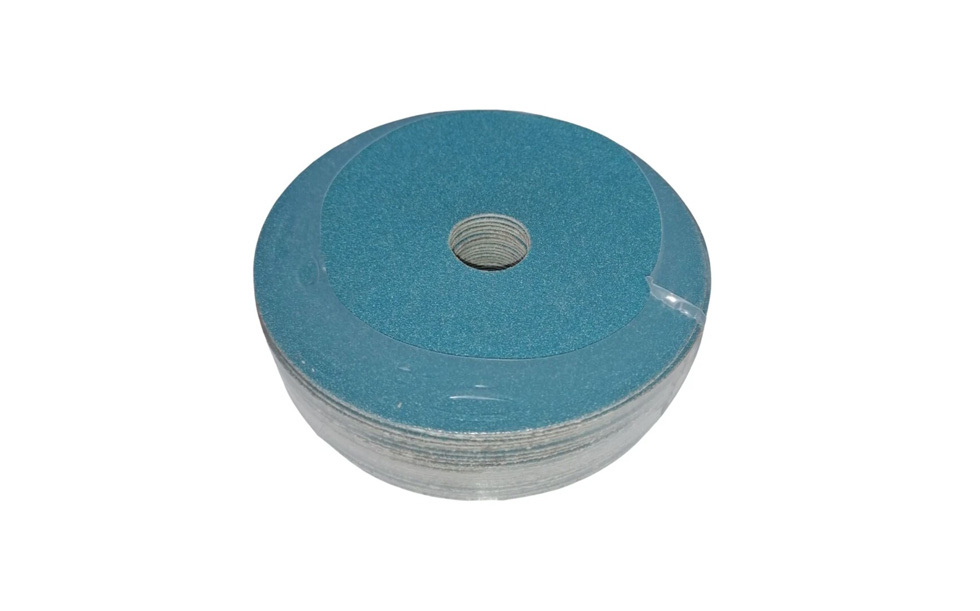
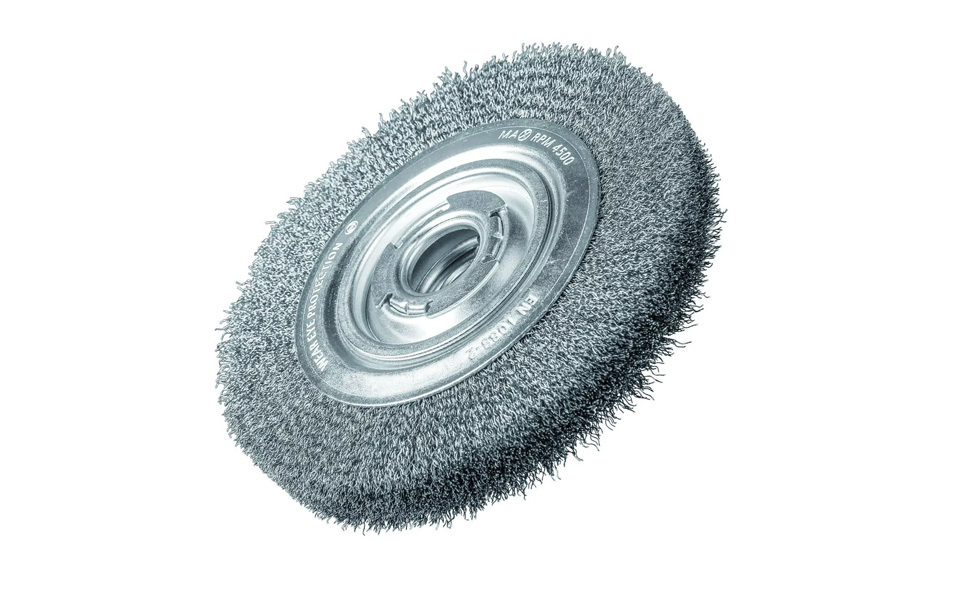
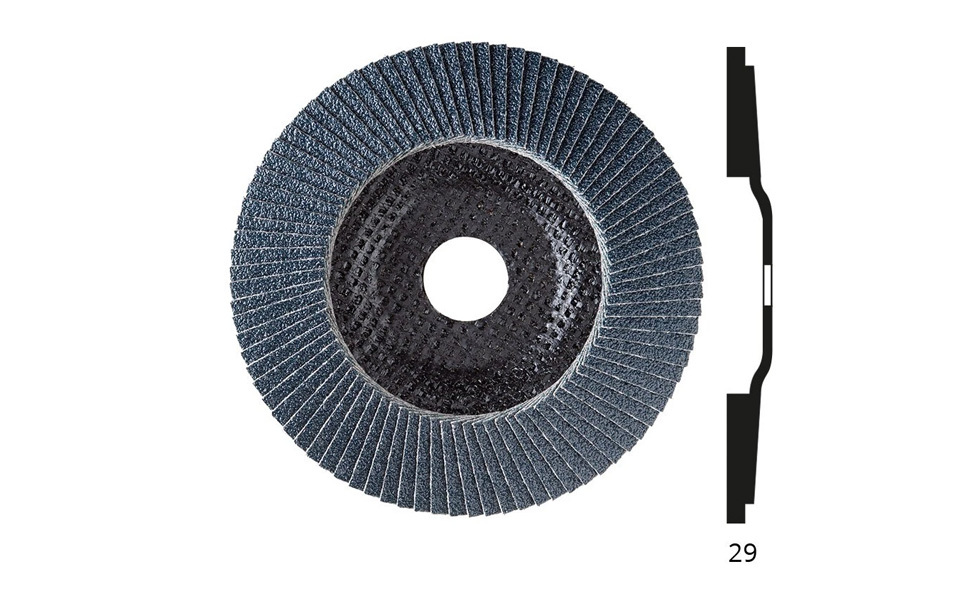
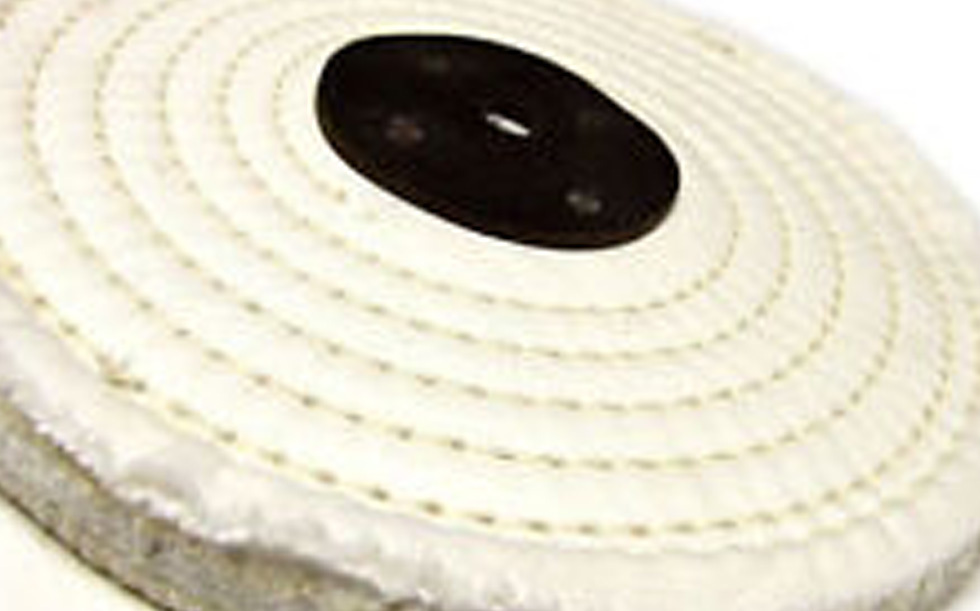
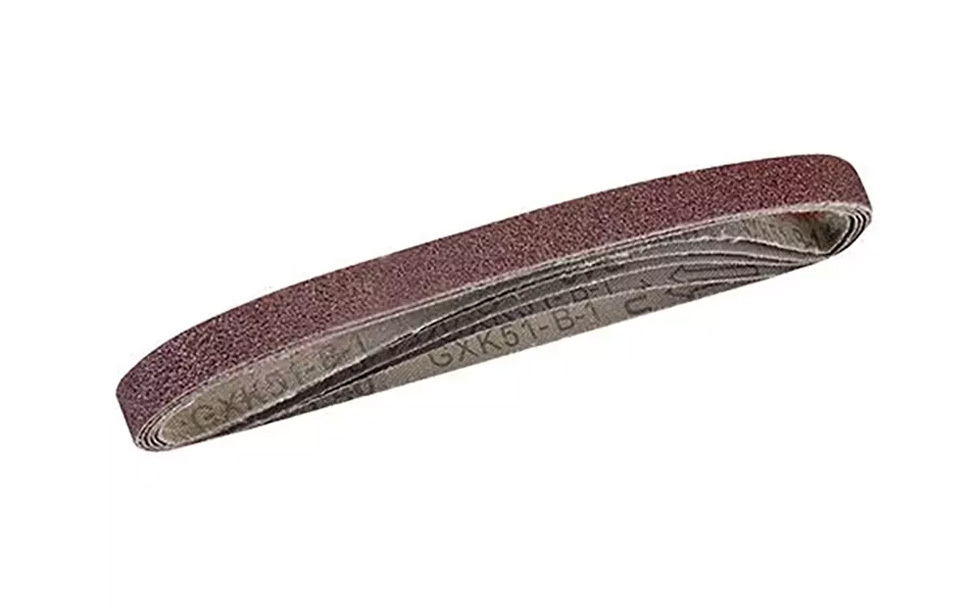
Scotch-Brite lapping mops are abrasive tools made from non-woven nylon web impregnated with abrasive grains, commonly used for polishing, deburring, surface finishing, and blending on various metals and materials. They're often attached to lapping or buffing machines and are prized for their controlled, uniform finish and non-loading, non-gouging action.
Key Features:
-
Material: Non-woven nylon (Scotch-Brite), sometimes with aluminum oxide or silicon carbide abrasives.
-
Structure: Open web design prevents clogging and overheating.
-
Uses:
-
Final surface preparation before coating or painting
-
Blending scratches from previous grinding steps
-
Removing rust, oxides, or surface contaminants
-
Creating satin or brushed finishes on metals (e.g., stainless steel, aluminum)
Material: Non-woven nylon (Scotch-Brite), sometimes with aluminum oxide or silicon carbide abrasives.
Structure: Open web design prevents clogging and overheating.
Uses:
-
Final surface preparation before coating or painting
-
Blending scratches from previous grinding steps
-
Removing rust, oxides, or surface contaminants
-
Creating satin or brushed finishes on metals (e.g., stainless steel, aluminum)
Common Types:
-
Convolute wheels – for consistent finishes on flat surfaces
-
Flap wheels or mops – flexible, ideal for contours and curves
-
Disc mops – for rotary tools or angle grinders
Convolute wheels – for consistent finishes on flat surfaces
Flap wheels or mops – flexible, ideal for contours and curves
Disc mops – for rotary tools or angle grinders
Applications:
-
Metal fabrication
-
Aerospace
-
Automotive detailing and repair
-
Jewelry and watchmaking
-
Tool and die polishing
Metal fabrication
Aerospace
Automotive detailing and repair
Jewelry and watchmaking
Tool and die polishing
Scotch-Brite is a line of abrasive products. The product line includes scouring pads and tools for home uses such as dish washing and scrubbing, as well as various types of surfaces for industrial applications, such as discs, belts, and rotating brushes, with varying compositions and levels of hardness.
The structure of Scotch-Brite pads is created by a sparse unwoven polymer such as cellulose, nylon or spun polypropylene fibre. Products use several variations of hardening and abrasive materials, such as aluminium oxide (alumina), titanium dioxide and resins. Although the base polymers may be considered benignly soft, the composition with other materials greatly enhances their abrasive powers; to the extent that a heavy-duty Scotch-Brite pad (which contains both aluminium oxide and titanium dioxide) will scratch glass.
History
Scotch-Brite was introduced during the 1950s. Development continues into the 21st century with new products for various cleaning uses.
Scotch-Brite, and similar abrasives, have largely replaced the use of bronze wool, which had been used as a non-rusting alternative to steel wool, for use on materials such as oak that would be sensitive to rust.

and finishing mops compounds


- SHOP
- ABOUT
- NEW IN
- CONTACT US
- FEEDBACK
All Rights Reserved