Home
Home- Car Parts
- ABS Reluctor Rings
- Acura ABS Rings
- Alfa Romeo ABS Rings
- Alpina ABS Rings
- Audi ABS Rings
- BMW ABS Rings
- Buick ABS Rings
- Chevrolet ABS Rings
- Chrysler ABS Rings
- Citroen ABS Rings
- Dacia ABS Rings
- Daewoo ABS Rings
- Dodge ABS Rings
- Fiat ABS Rings
- Ford ABS Rings
- FSO ABS Rings
- Holden ABS Rings
- Honda ABS Rings
- Hyundai ABS Rings
- Isuzu ABS Rings
- Jaguar ABS Rings
- Jeep ABS Rings
- Kia ABS Rings
- Lancia ABS Rings
- Land Rover ABS Rings
- LDV ABS Rings
- Lexus ABS Rings
- Lotus ABS Rings
- Mazda ABS Rings
- Mercedes ABS Rings
- Mercury ABS Rings
- Mitsubishi ABS Rings
- Nissan ABS Rings
- Opel ABS Rings
- Peugeot ABS Rings
- Plymouth ABS Rings
- Pontiac ABS Rings
- Porsche ABS Rings
- Proton ABS Rings
- Renault ABS Rings
- Rover (MG) ABS Rings
- Saab ABS Rings
- Seat ABS Rings
- Skoda ABS Rings
- Smart ABS Rings
- Ssangyong ABS Rings
- Subaru ABS Rings
- Suzuki ABS Rings
- Toyota ABS Rings
- Vauxhall ABS Rings
- Volkswagen ABS Rings
- Volvo ABS Rings
- ABS Reluctor Ring Retainer
- ABS Ring & ABS Sensor Kits
- ABS Sensors
- Aston Martin ABS Sensors
- Audi ABS Sensors
- BMW ABS Sensors
- Chevrolet ABS Sensors
- Chrysler ABS Sensors
- Citroen ABS Sensors
- Daewoo ABS Sensors
- Dodge ABS Sensors
- Fiat ABS Sensors
- Ford ABS Sensors
- Honda ABS Sensors
- Hyundai ABS Sensors
- Jaguar ABS Sensors
- Jeep ABS Sensors
- Kia ABS Sensors
- Land Rover ABS Sensors
- Lexus ABS Sensors
- Mazda ABS Sensors
- MG ABS Sensors
- Mercedes ABS Sensors
- Mini ABS Sensors
- Mitsubishi ABS Sensors
- Nissan ABS Sensors
- Opel ABS Sensors
- Peugeot ABS Sensors
- Renault ABS Sensors
- Rover ABS Sensors
- Scion ABS Sensors
- Seat ABS Sensors
- Skoda ABS Sensors
- Suzuki ABS Sensors
- Toyota ABS Sensors
- Vauxhall ABS Sensors
- Volkswagen ABS Sensors
- Volvo ABS Sensors
- TPMS Tyre Pressure Sensors
- Abarth TPMS Sensors
- Alfa Romeo TPMS Sensors
- Alpina TPMS Sensors
- Alpine TPMS Sensors
- Aston Martin TPMS Sensors
- Audi TPMS Sensors
- Bentley TPMS Sensors
- BMW TPMS Sensors
- Bugatti TPMS Sensors
- BYD TPMS Sensors
- Chevrolet TPMS Sensors
- Chrysler TPMS Sensors
- Citroen TPMS Sensors
- Dacia TPMS Sensors
- Dodge TPMS Sensors
- Ferrari TPMS Sensors
- Fiat TPMS Sensors
- Ford TPMS Sensors
- Genesis TPMS Sensors
- Hyundai TPMS Sensors
- Ineos TPMS Sensors
- Infiniti TPMS Sensors
- Jaguar TPMS Sensors
- Jeep TPMS Sensors
- Kia TPMS Sensors
- Lamborghini TPMS Sensors
- Lancia TPMS Sensors
- Land Rover TPMS Sensors
- Lotus TPMS Sensors
- Lucid TPMS Sensors
- MAN TPMS Sensors
- Maserati TPMS Sensors
- Maybach TPMS Sensors
- Mazda TPMS Sensors
- McLaren TPMS Sensors
- Mercedes TPMS Sensors
- Mini TPMS Sensors
- Nissan TPMS Sensors
- Opel TPMS Sensors
- Pagani TPMS Sensors
- Peugeot TPMS Sensors
- Polestar TPMS Sensors
- Porsche TPMS Sensors
- RAM TPMS Sensors
- Renault TPMS Sensors
- Rivian TPMS Sensors
- Rolls Royce TPMS Sensors
- Saab TPMS Sensors
- Skoda TPMS Sensors
- Smart TPMS Sensors
- Ssangyong TPMS Sensors
- Tesla TPMS Sensors
- Toyota TPMS Sensors
- Vauxhall TPMS Sensors
- Volkswagen TPMS Sensors
- Volvo TPMS Sensors
- TPMS Sensors - Sets of 4
- TPMS Tyre Valve Repair Kits
- Abarth TPMS Repair Kits
- Alfa Romeo TPMS Repair Kits
- Alpina TPMS Repair Kits
- Alpine TPMS Repair Kits
- Aston Martin TPMS Repair Kits
- Audi TPMS Repair Kits
- Bentley TPMS Repair Kits
- BMW TPMS Repair Kits
- Bugatti TPMS Repair Kits
- Buick TPMS Repair Kits
- BYD TPMS Repair Kits
- Cadillac TPMS Repair Kits
- Chery TPMS Repair Kits
- Chevrolet TPMS Repair Kits
- Chrysler TPMS Repair Kits
- Citroen TPMS Repair Kits
- Dacia TPMS Repair Kits
- Daewoo TPMS Repair Kits
- Dodge TPMS Repair Kits
- DS TPMS Repair Kits
- Ferrari TPMS Repair Kits
- Fiat TPMS Repair Kits
- Ford TPMS Repair Kits
- Genesis TPMS Repair Kits
- GMC TPMS Repair Kits
- Honda TPMS Repair Kits
- Hongqi TPMS Repair Kits
- Hummer TPMS Repair Kits
- Hyundai TPMS Repair Kits
- Ineos TPMS Repair Kits
- Infiniti TPMS Repair Kits
- Isuzu TPMS Repair Kits
- Jaecoo TPMS Repair Kits
- Jaguar TPMS Repair Kits
- Jeep TPMS Repair Kits
- Kia TPMS Repair Kits
- Lada TPMS Repair Kits
- Lamborghini TPMS Repair Kits
- Lancia TPMS Repair Kits
- Land Rover TPMS Repair Kits
- Lotus TPMS Repair Kits
- Mahindra TPMS Repair Kits
- MAN TPMS Repair Kits
- Maserati TPMS Repair Kits
- Maybach TPMS Repair Kits
- Mazda TPMS Repair Kits
- McLaren TPMS Repair Kits
- Mercedes TPMS Repair Kits
- MG TPMS Repair Kits
- Mini TPMS Repair Kits
- Mitsubishi TPMS Repair Kits
- Nissan TPMS Repair Kits
- Opel TPMS Repair Kits
- Pagani TPMS Repair Kits
- Peugeot TPMS Repair Kits
- Polestar TPMS Repair Kits
- Porsche TPMS Repair Kits
- Qoros TPMS Repair Kits
- RAM TPMS Repair Kits
- Renault TPMS Repair Kits
- Rolls Royce TPMS Repair Kits
- Skoda TPMS Repair Kits
- Ssangyong TPMS Repair Kits
- Subaru TPMS Repair Kits
- Smart TPMS Repair Kits
- Suzuki TPMS Repair Kits
- Tata TPMS Repair Kits
- Tesla TPMS Repair Kits
- Toyota TPMS Repair Kits
- Vauxhall TPMS Repair Kits
- Volkswagen TPMS Repair Kits
- Volvo TPMS Repair Kits
- Tyre & TPMS Consumables
- Tesla BLE TPMS Sensors
- Car Batteries
- ABS Reluctor Rings
- iCarsoft UK Diagnostics
- OBDStar UK Bike Diagnostics
- Workshop
- The Pit Stop
- PC1 Bike Cleaning
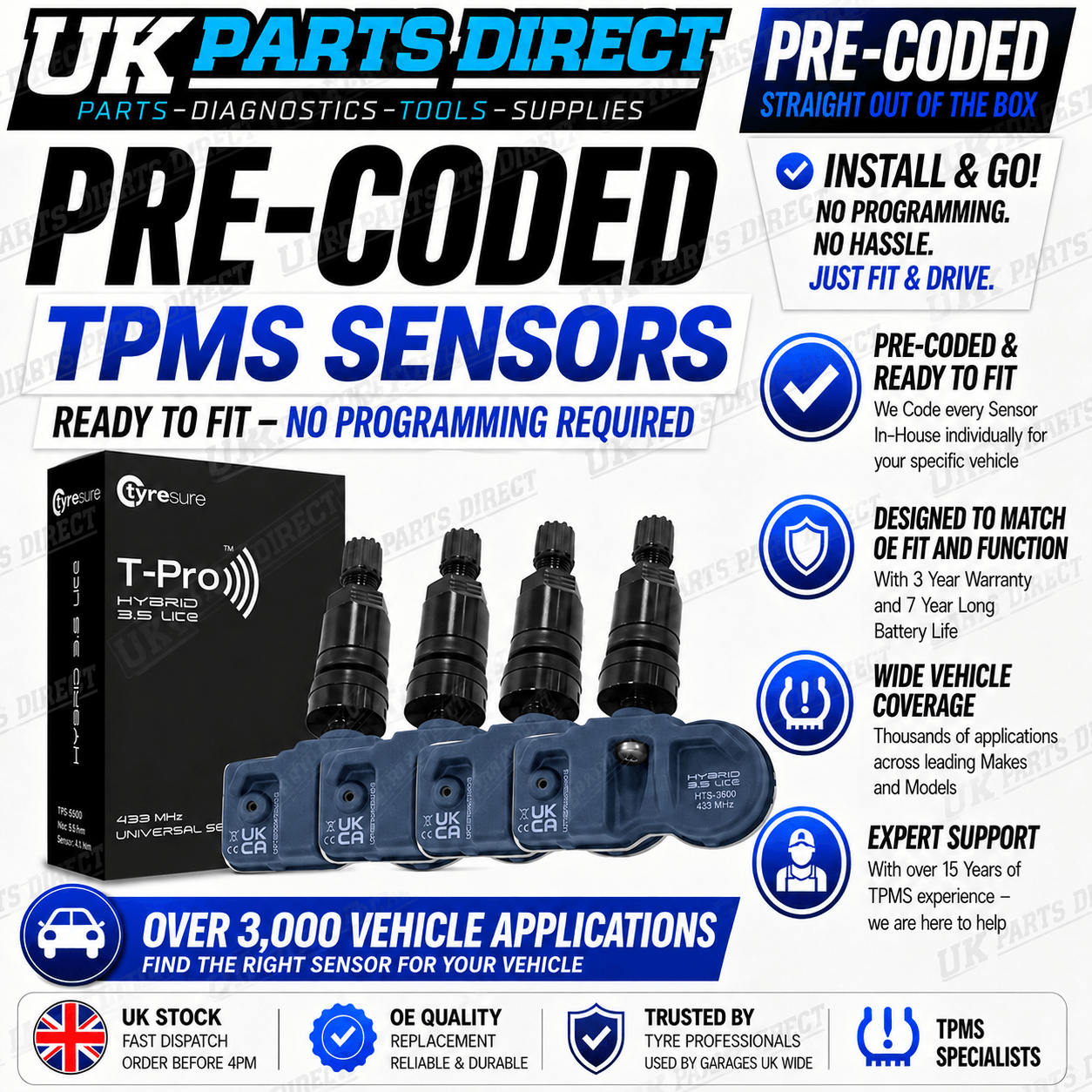
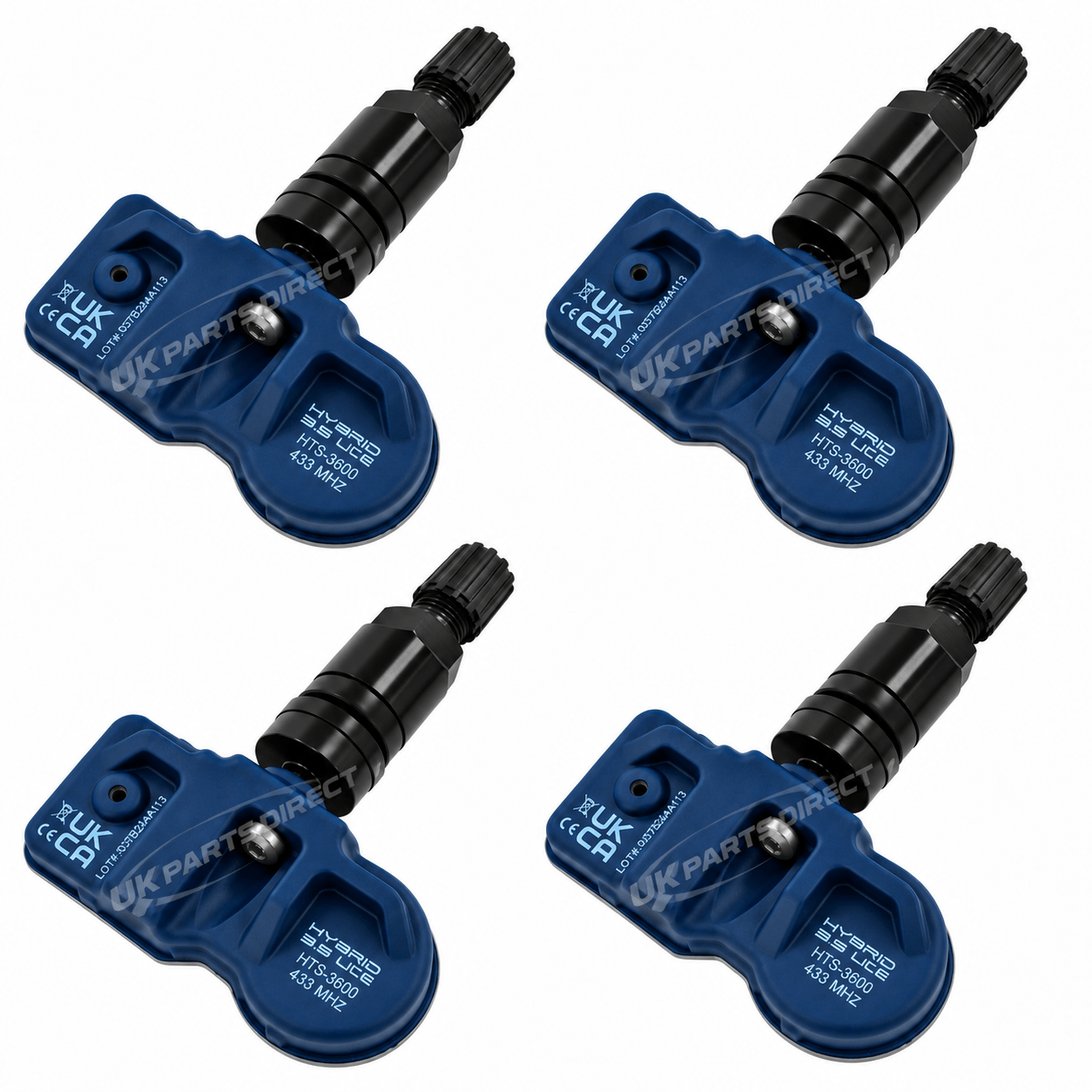

TPMS Tyre Pressure Sensors for BMW X5 (13-18) (F15) - SET OF 4 - BLACK STEM
Only: £124.98


KEY FEATURES
- Backed by 15 Years of specialist TPMS experience + FREE UK Phone & Email technical support
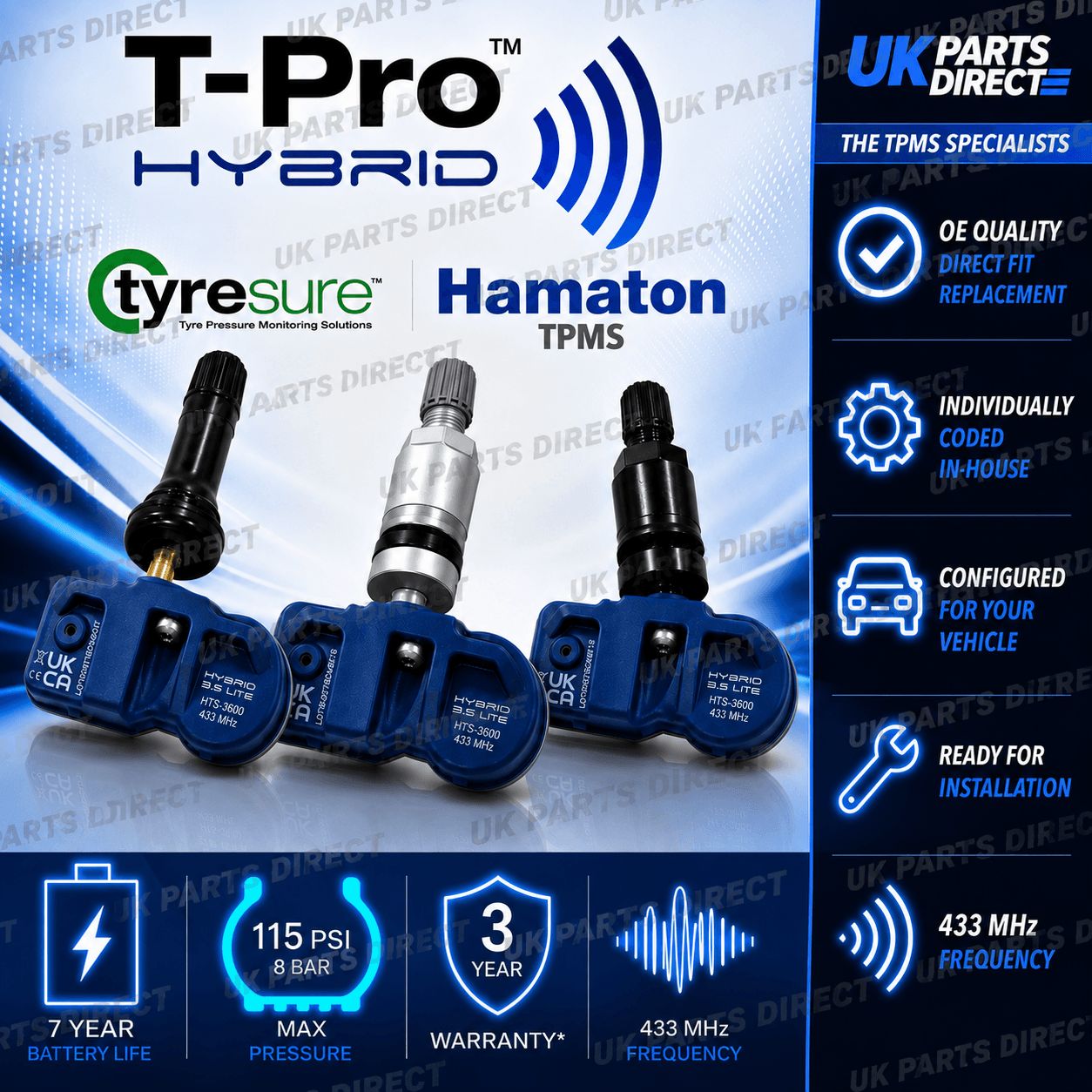
- BLACK HIGH GLOSS STEM VERSION - Looks great with Black Wheels (Silver, Graphite & Rubber versions also available)
- 3 Year / 25,000 mile warranty
- 7 Year long battery life
- Utilizes a reliable Maxell battery with an NXP chipset
- Weighs only 26g thanks to a laser-welded rear cover
- FREE UK Express Delivery - GET IT FAST
- Built to replace the OE Sensor - meeting or exceeding OE signal quality, durability and functionality
- Produced to withstand severe weather conditions
- High precision air valve to prevent leakage
- Replaceable aluminium valve stem - anodised for corrosion resistance
- Robust clamp-in stem design
- Fast and simple fitment on to wheels
OUR EXPERTS SAY...
15+ years of specialist TPMS experience • FREE UK phone & email technical support • 3 Year warranty • 7 Year long battery life
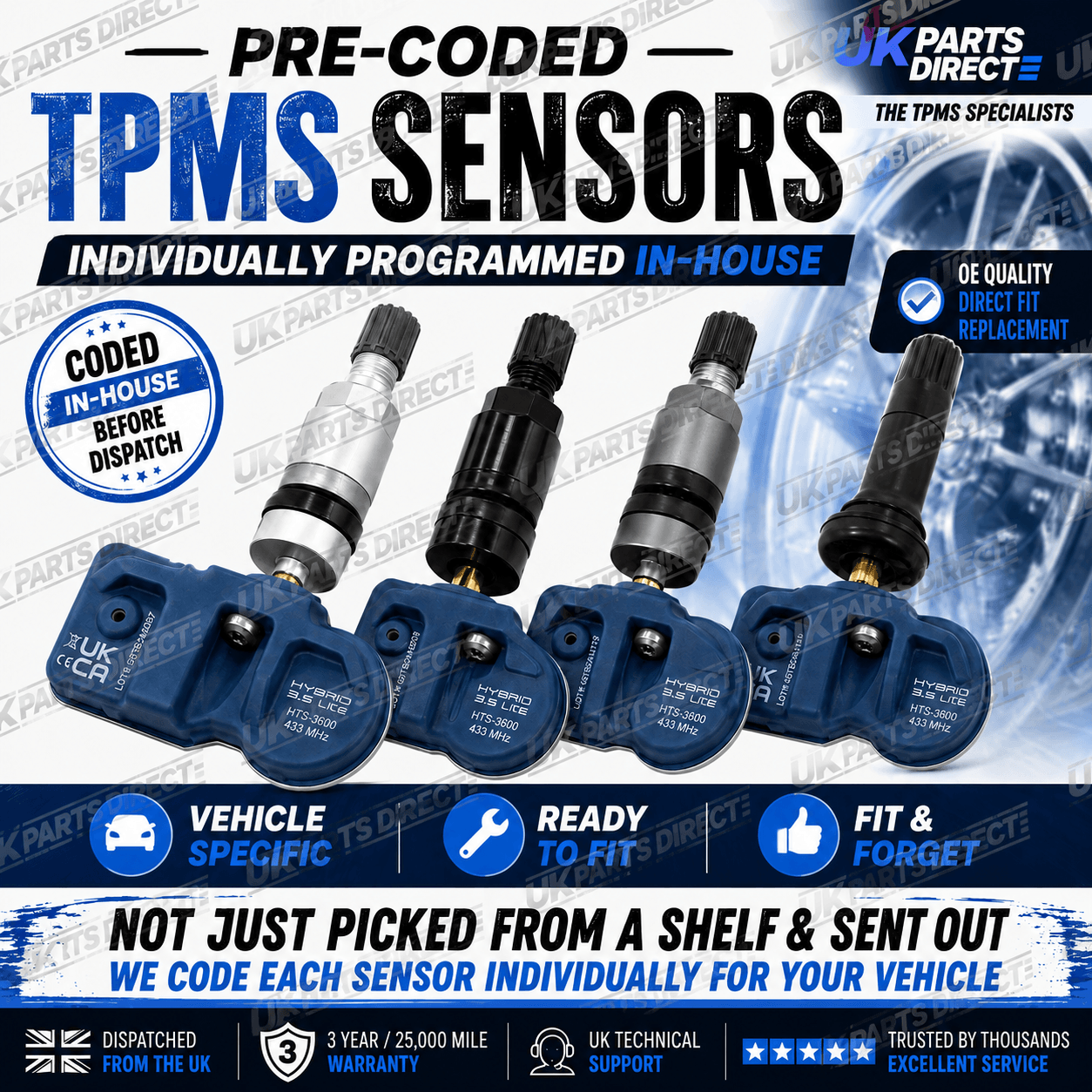
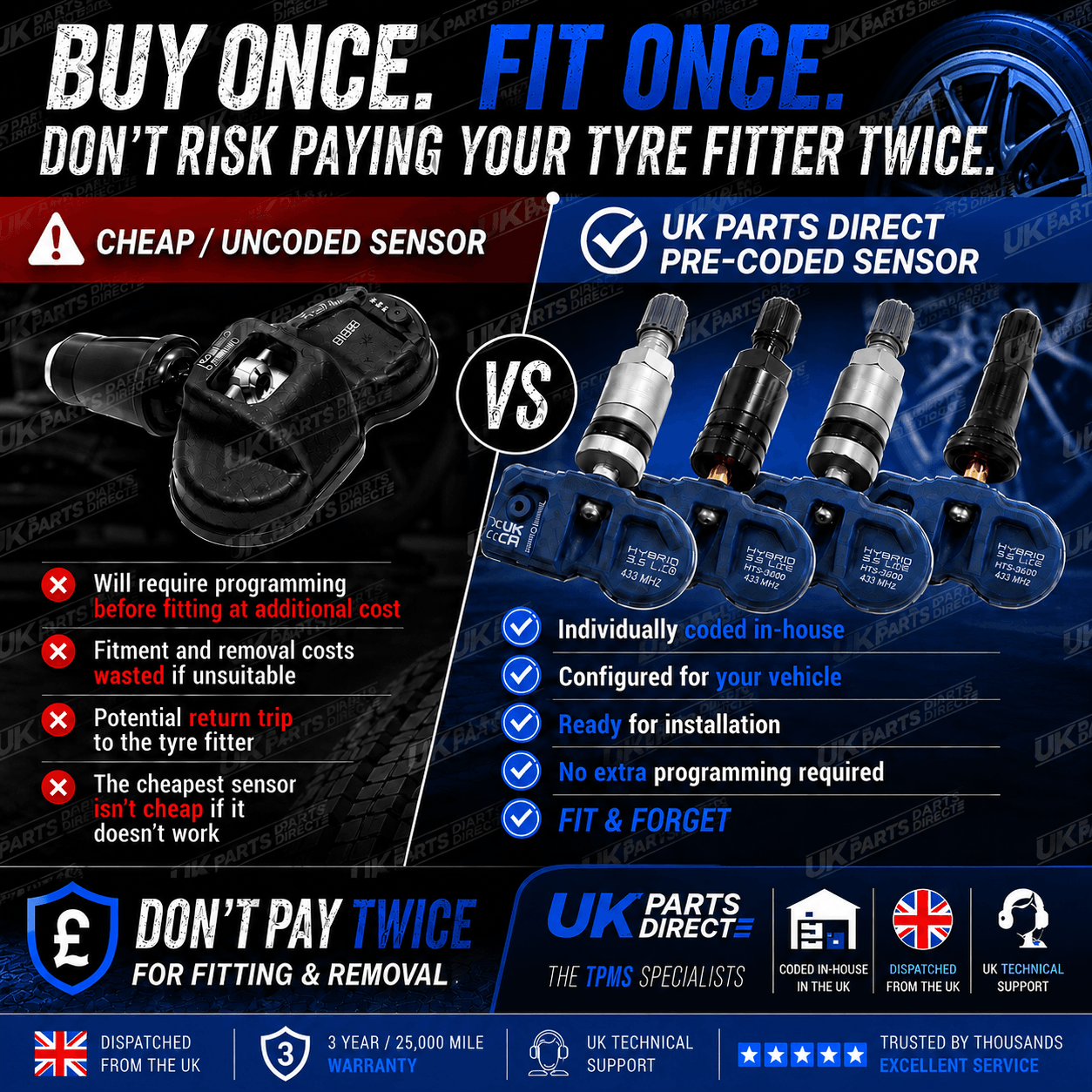
Fully pre-programmed TPMS Sensors - FIT AND FORGET...
Fancy Silver, Graphite or Rubber Valve Stems to match your wheels?
- ✔ We also stock a complete range of Silver, Graphite or Rubber Stemmed TPMS Sensors - message us for more details or visit our shop.
Item Condition
 Brand New with at least 12 Month Guarantee
Super Fast Delivery
 Rapid Shipping using the Best Couriers
Returns
 Peace of Mind with 30 Day Returns
Welcome to UK Parts Direct... As we hope you may have noticed, we have a very personal approach in how we service your business. We really do care about our Customer Service and will always go the extra mile to help...
EASY AS 1 - 2 - 3
Our simple 3-step TPMS solution has been developed alongside the global leader in the manufacture and supply of TPMS products.
By combining their manufacturing expertise with our own TPMS knowledge and development, we've taken much of the stress and confusion out of replacing TPMS sensors.
The result is a straightforward, cost-effective solution that's ideal for replacing faulty sensors or fitting TPMS sensors to a second set of winter or summer wheels.
|
STEP
1
|
ORDER
Choose the correct sensors for your vehicle
|
Simply order the correct TPMS sensors from the listing for your vehicle make, model and year.
Once your order has been received, we individually prepare and programme your TPMS sensors specifically for your vehicle application.
Each sensor is programmed for the vehicle application ordered, helping make the installation process as simple and straightforward as possible.
|
STEP
2
|
FIT
Have the sensors installed into your wheels
|
Have your new TPMS sensors fitted by an experienced tyre fitter. The sensors arrive already prepared for the vehicle application you've ordered.
We've already taken care of the technical sensor programming before dispatch, leaving your tyre fitter to concentrate on installing the sensors correctly into the wheels.
|
STEP
3
|
DRIVE
Allow the vehicle to recognise the new sensors
|
Once the new TPMS sensors have been fitted, ENSURE that the old sensor/s are removed from the vehicle. The next step is simply to drive the vehicle at speed (A-road, dual carriageway, motorway etc).
During a steady drive, the vehicle communicates with the newly fitted sensors and learns their signals.
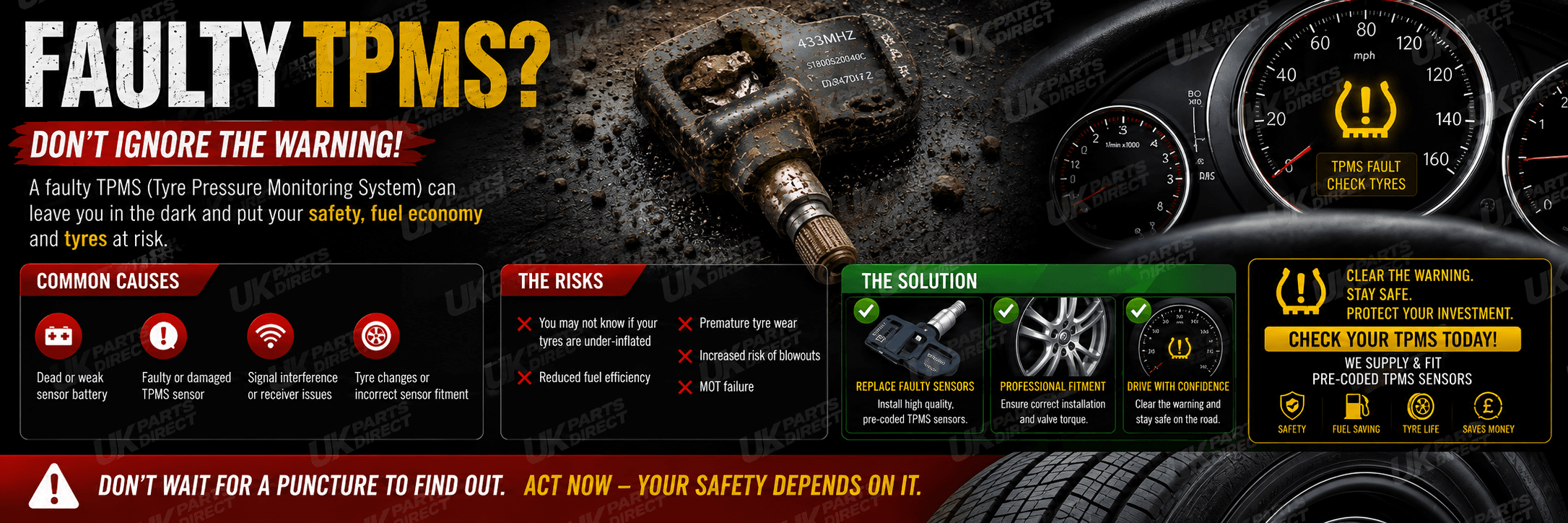
Once the vehicle successfully recognises the new sensors, the TPMS system should return to normal operation and the warning light should extinguish, assuming there are no other faults within the system.
1
ORDER
|
2
FIT
|
3
DRIVE
|
Although uncommon, some vehicles may require an OBD TPMS relearn procedure after new sensors have been fitted. This requires a compatible diagnostic or TPMS tool to instruct the vehicle to learn the new sensor IDs.
Any additional labour, diagnostic or relearn costs charged by a third party are not included with the purchase of the sensors and remain the responsibility of the vehicle owner.
TPMS Frequently Asked Questions
Everything you need to know about TPMS faults, sensors, fitment, frequencies and replacement parts.
How do I know if I have a faulty TPMS sensor?
The first step with any diagnosis is to make sure you actually have a TPMS problem. The TPMS warning light can illuminate when one or more tyres are below the recommended pressure.
Firstly, check all tyre pressures and inflate any low tyres to the vehicle manufacturer's recommended setting.
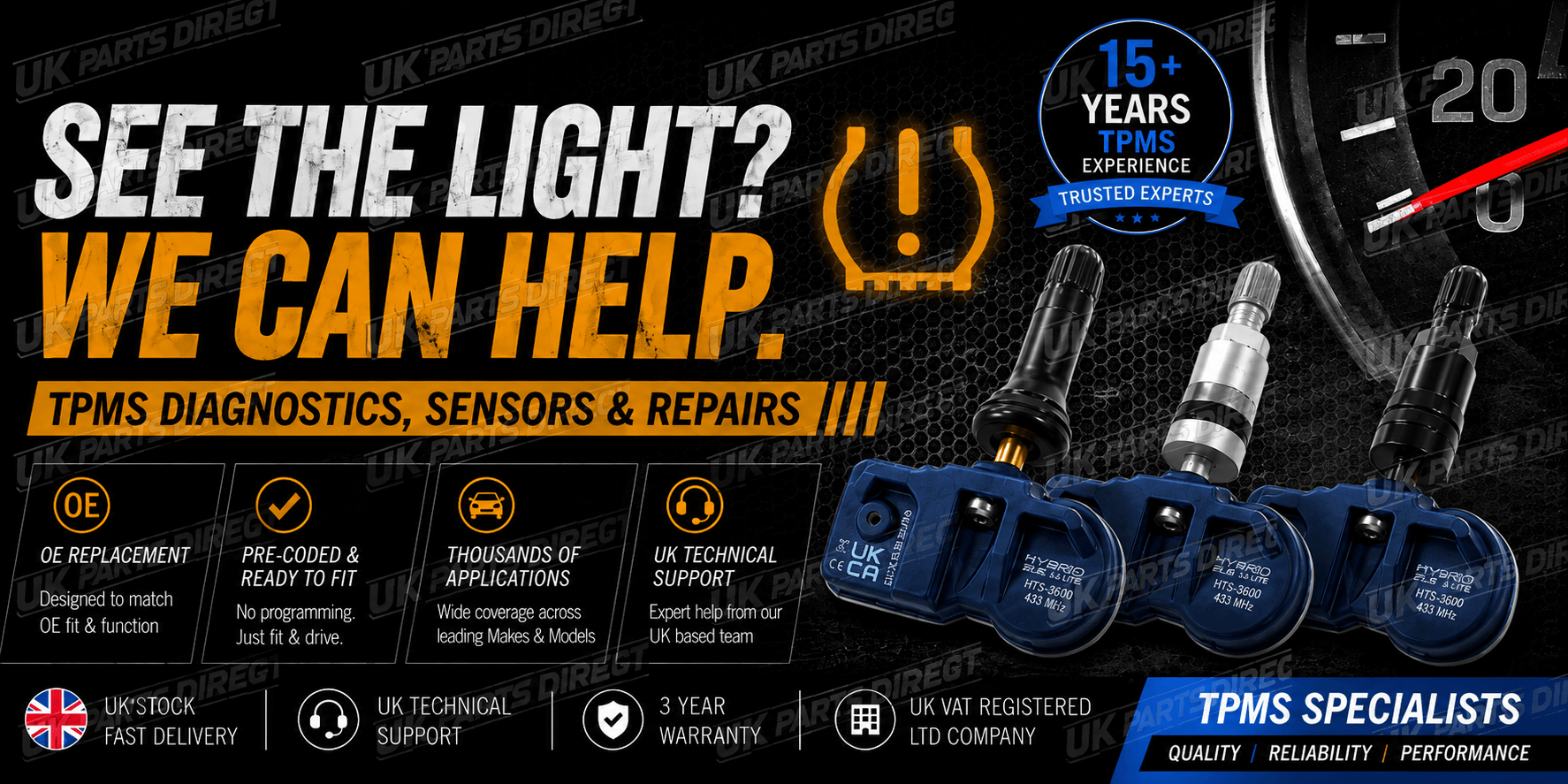
If the light remains illuminated after correcting tyre pressures, or flashes before remaining on, you may have a faulty TPMS sensor that requires further diagnosis or replacement.
What are the usual causes of a TPMS fault?
Every TPMS sensor contains a small internal battery that operates continuously. Because TPMS sensors are sealed units, the battery cannot simply be replaced. A typical sensor battery lifespan is around 5 years, although this can vary.
TPMS sensors operate in a harsh environment where moisture, road salt and dirt can contribute to corrosion. Over time this can weaken the valve stem and potentially cause leaks, cracking or failure.
Metal or decorative valve caps can corrode and seize onto TPMS valve stems, potentially causing damage when removal is attempted.
Kerbing wheels, potholes and other heavy impacts can damage the sensor, valve stem or internal components.
Will my car fail its MOT if the TPMS warning light is on?
Applicable vehicles displaying a TPMS malfunction warning during an MOT test will fail the test. If your TPMS warning light remains illuminated, it is important to have the system checked and any fault rectified.
Will these TPMS sensors fit my style of wheels?
Hamaton Hybrid TPMS sensors are designed to suit a wide range of wheel styles and applications. Their versatile design allows installation across many different alloy wheel types.
Different sizes, colours, widths and spoke designs can normally be accommodated.
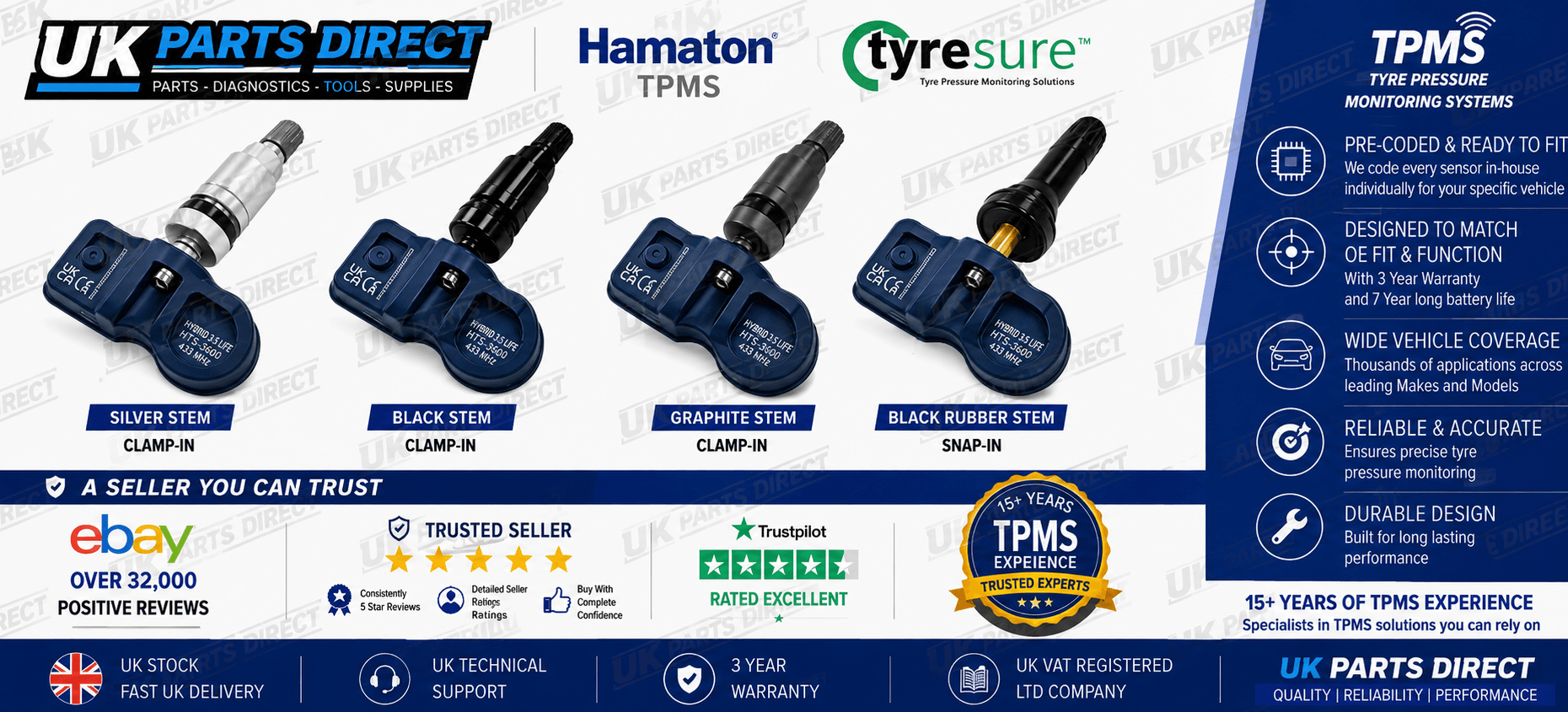
We offer our TPMS sensors with Silver, Black, Graphite or Rubber valve stems for customers to better suit their colour of wheels.
Can I buy replacement components?
Yes. We offer a range of replacement TPMS components, so accidental damage does not always mean replacing the complete sensor.
| Valve Stems | Valve Caps |
| Valve Cores | Washers |
Damage one of the replaceable components and you may not need to purchase an entirely new sensor.
What's the deal with TPMS frequency?
TPMS systems predominantly operate using two different radio frequencies depending on the market.
|
433 MHz
UK & Europe
|
315 MHz
North America & other markets
|
CONTENTS
SPECIFICATIONS
| Feedback/item | From Buyer | Date/time |
 Information
 See our other items
 Contact Us
 Payment
Secure Online Shopping by: