Condition: This sculpture is in perfect condition.
Bronze Dimensions with Marble Base: Height 16" X Width 6 1/2"
Marble Dimensions: Diameter 6"
Height without base:14.5"
Weight:10 LBS
Inventory:29YRD11144792
Bourgeois, the recipient of the Prix de Rome in 1863, showcased his artistic talent that same year with the creation and exhibition of the plaster version of "The Snake Charmer." Recognizing its appeal, Emperor Napoleon III (reigned 1852ndash;1870) commissioned a life-size bronze reproduction, which now proudly stands in the Jardin des Plantes in Paris. This particular sculpture being offered is a reduction of the original, reflecting the widespread popularity of Bourgeois's work.
"The Snake Charmer" holds significance in the artistic realm as it embodies the ongoing debate within academic art, particularly the influence of the classical ideal. At the time, artists sought to expand the boundaries of this ideal by portraying individuals of diverse backgrounds, including Africans and people of color. Bourgeois's sculpture represents one such attempt to introduce diversity and cultural representation into the artistic narrative.
The critical reception of this sculpture, along with similar works, was a topic of discussion at the 1863 Salon. Critics, like de Rialle, acknowledged the departure from academic conventions and applauded the introduction of ethnographic sculpture as a means to broaden the horizons of art.
Acquiring this reduction of "The Snake Charmer" offers an opportunity to appreciate Bourgeois's artistic vision and contribute to the dialogue surrounding diversity and inclusivity in art. Displaying this sculpture will not only serve as a testament to Bourgeois's talent but also enrich your collection with a thought-provoking piece that transcends the boundaries of the classical ideal.
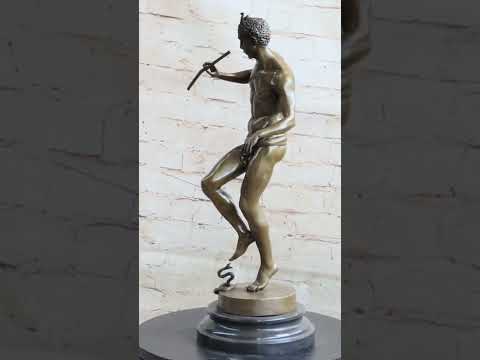
The Snake Charmer by Bourgeois Bronze Sculpture Statue Figure on Marble Base YRD-1114 bronzhaus.com
Video will open in a new window
Using the eBay App? Paste link into a browser window:


