|
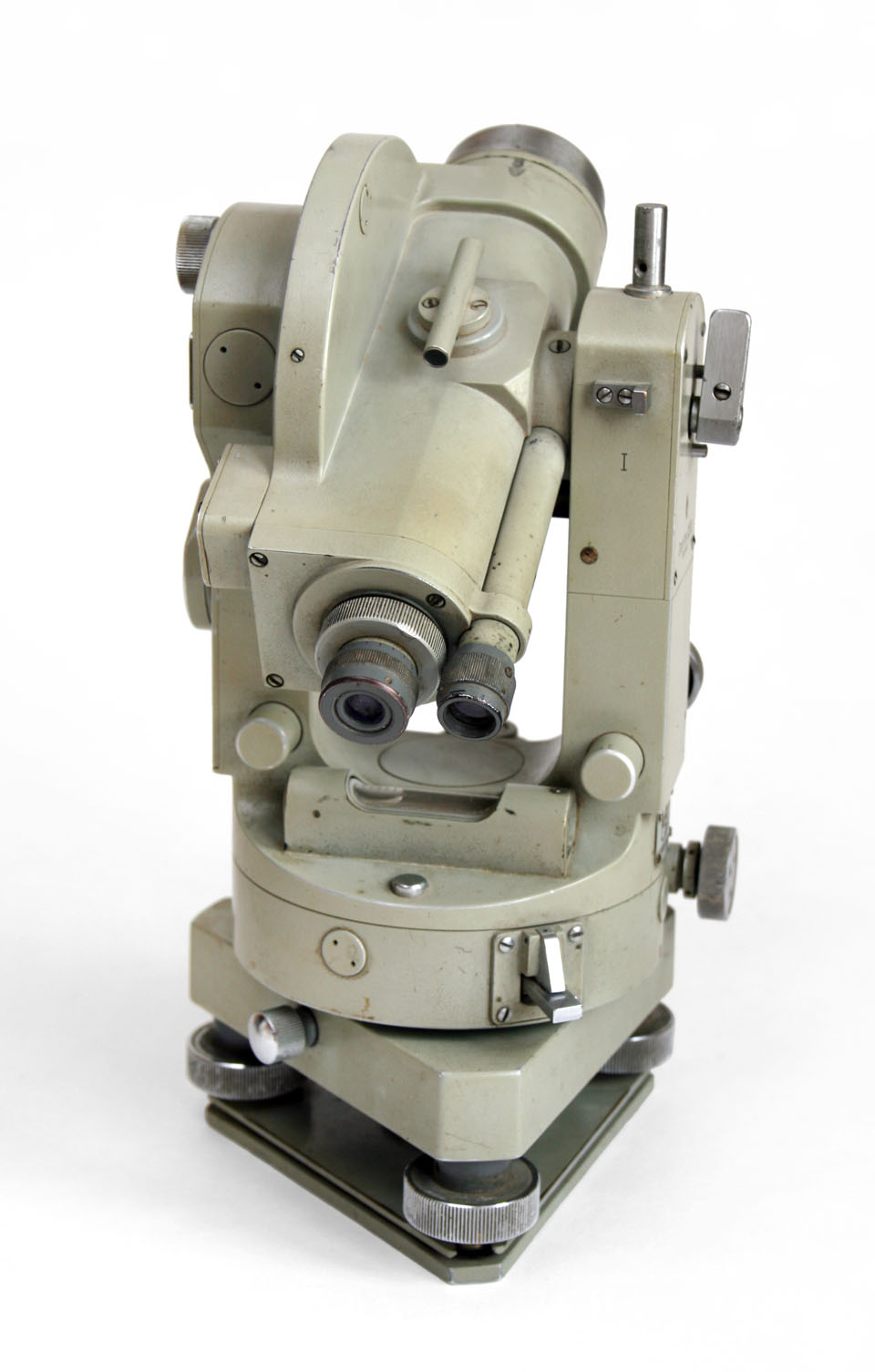
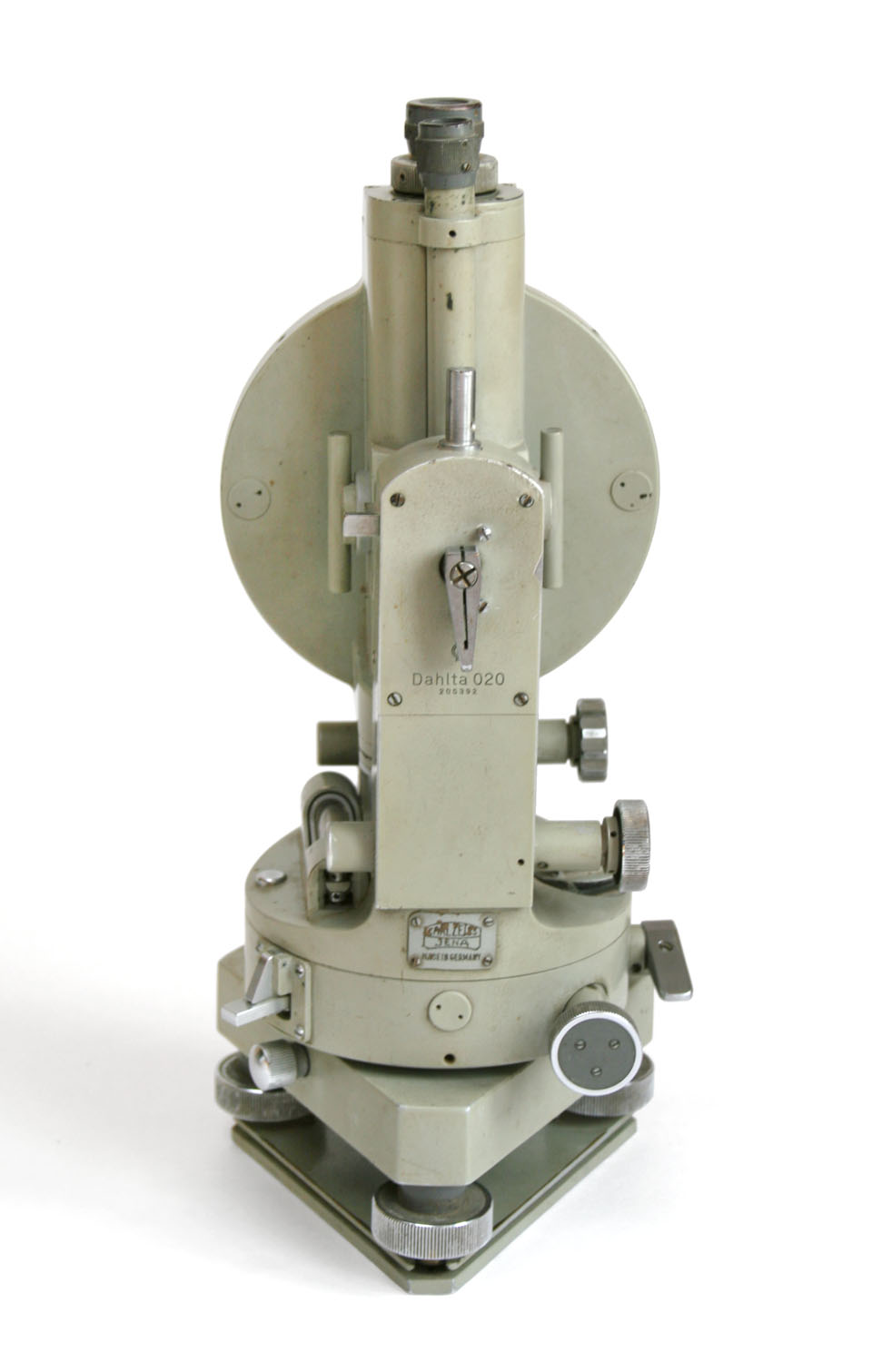
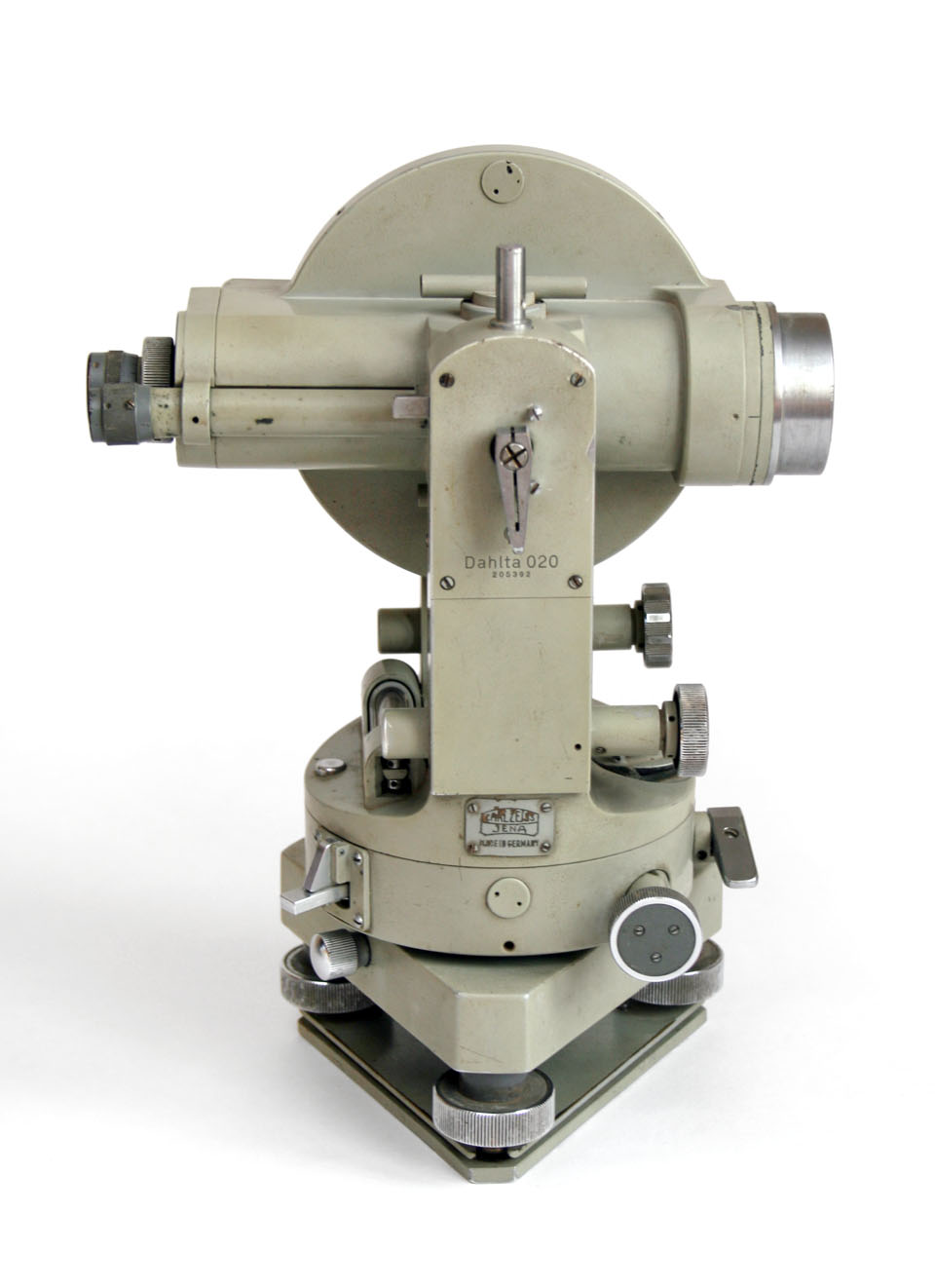
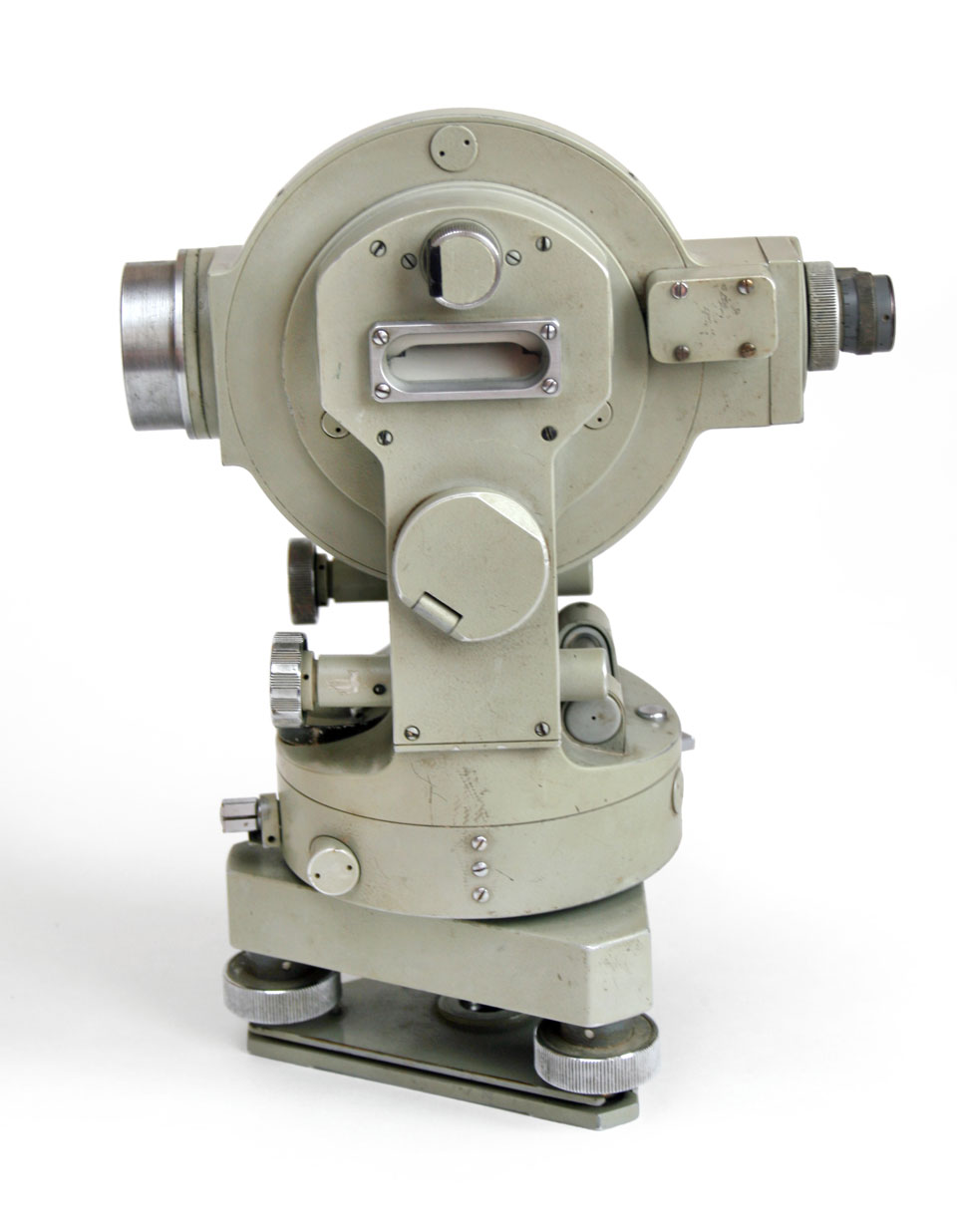
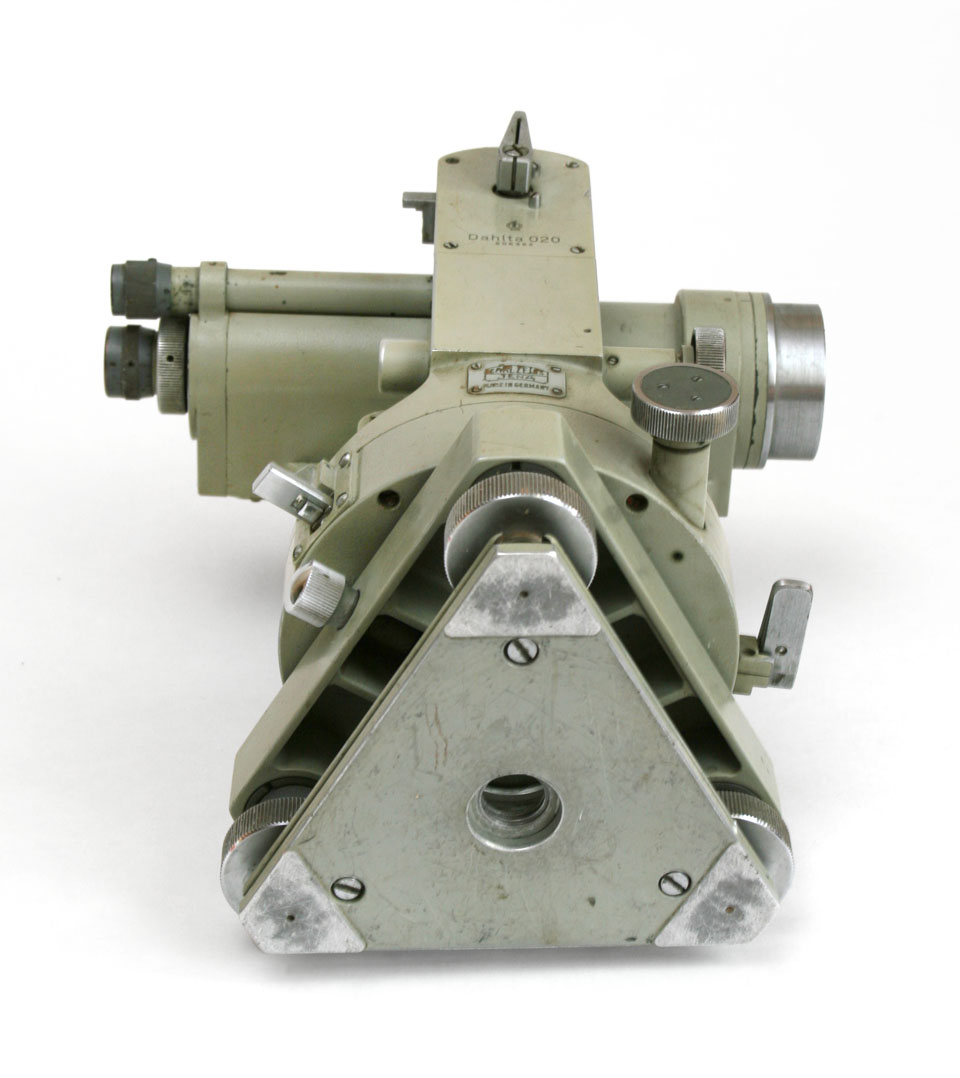
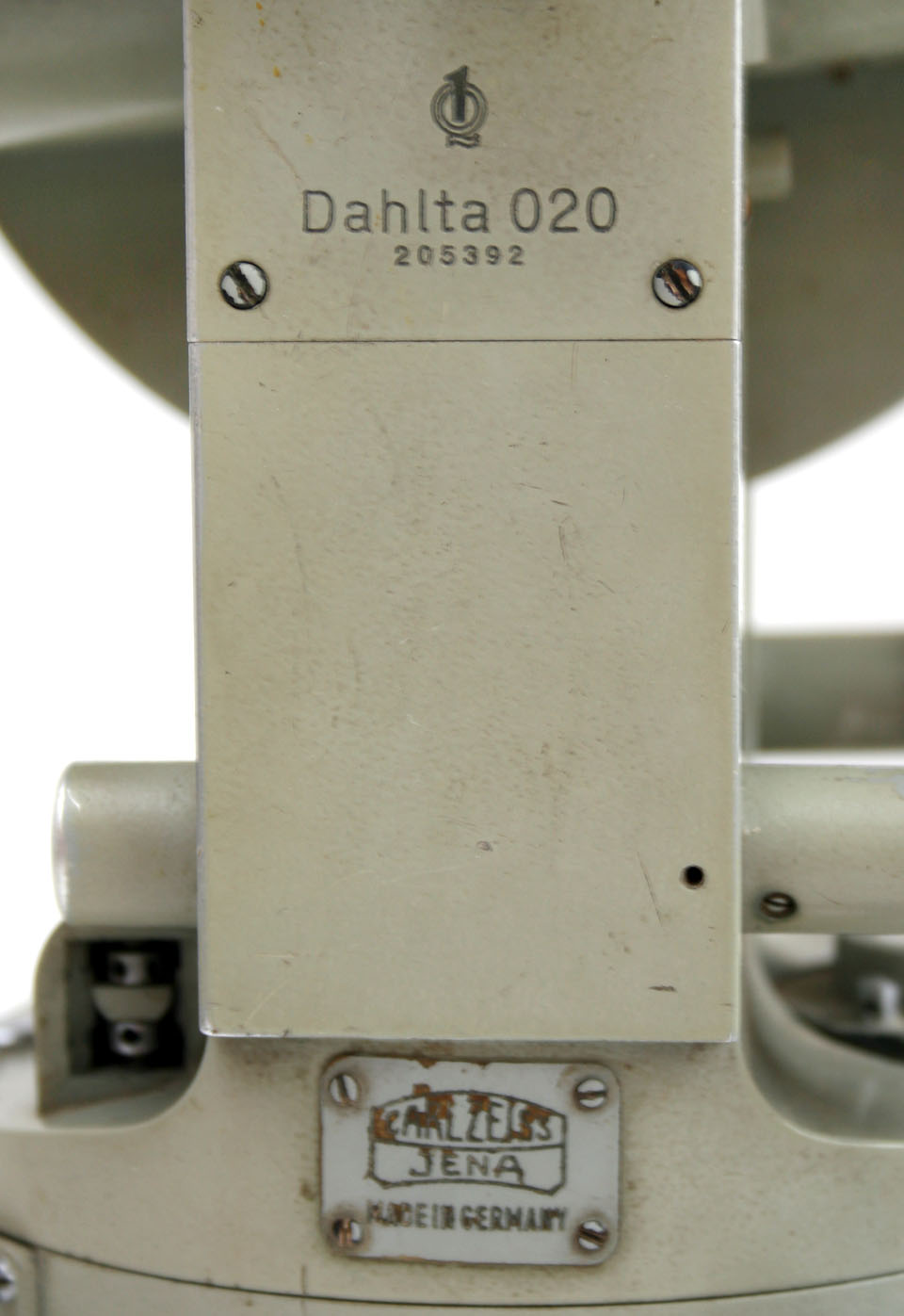
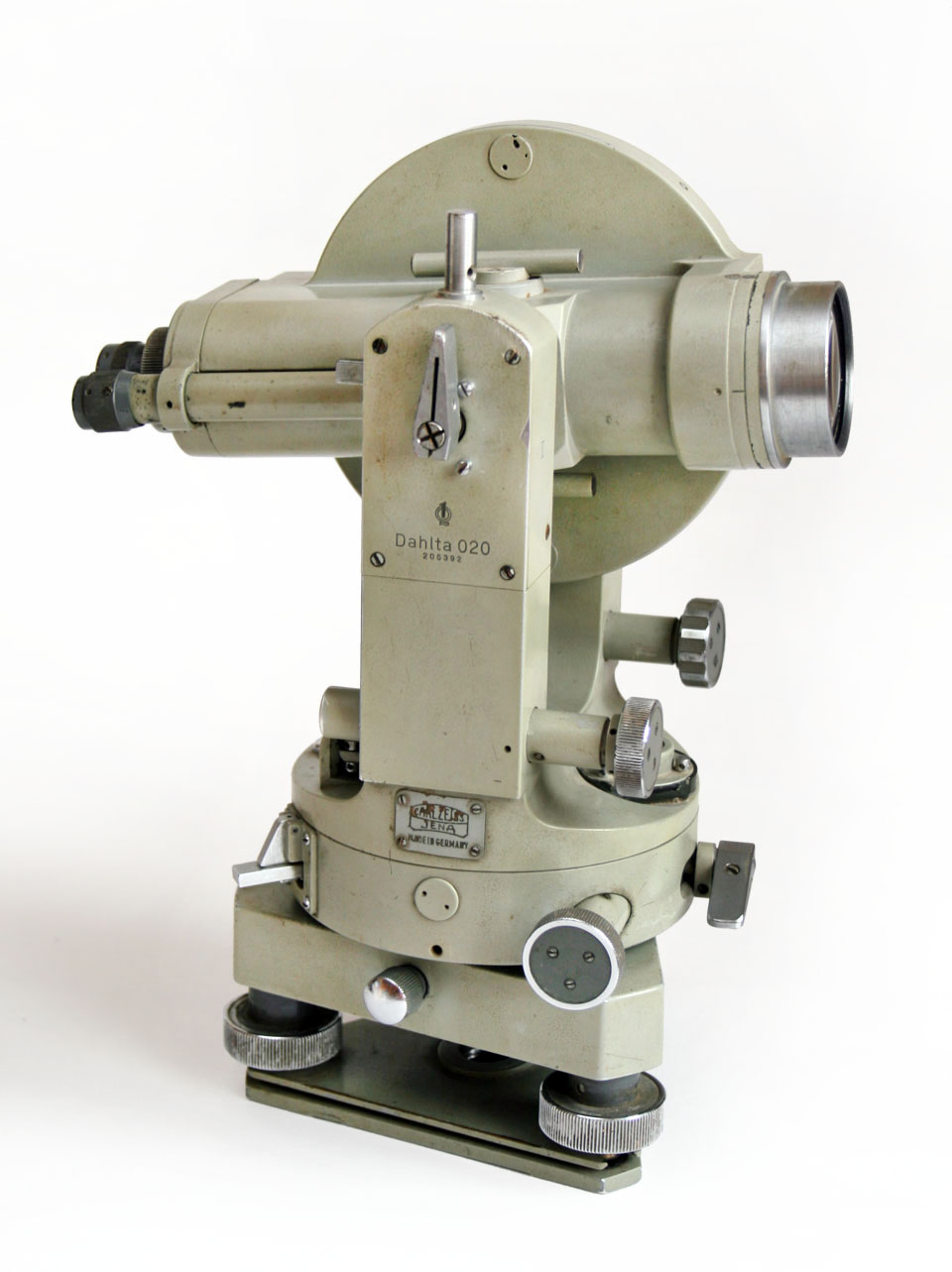 Appeared on the market in 1950-s, this Dahlta tacheometeris named after the Norwegian designer J.Dahlu.
These instruments did not yet have the improvements that were found in later instruments, such as magnification of the image in the spotting scope, installation of an improved lens with greater sharpness, blue optics, two vertical dials (a separate vertical circle and a circle with a curved diagram), a free field of view for reading the vertical circle, illumination of both circles with a rotating and tilting mirror, direct image, full image (in auto-reducing Hammer-Fennel tacheometers, field of view was limited to half) and the possibility of forced centering.
The operation of this chart tacheometer is based on the idea of Professor Hammer from Stuttgart. Instead of rigid marks for measuring lengths and height differences, a pair of curves is applied to the image plane of the eyepiece, the distance between which varies depending on the elevation angle. This solution was first used by the Fennel company from Kassel in the Hammer-Fennel tacheometer. So-called Atdaltash rods (rods with a reference point at a height of 1.40 meters) were used to measure lengths and height differences. The device allows direct measurement of horizontal lengths and height differences. It was followed in 1968 by the Dahlta 010 series, then in 1971 by the Dahlta 010A, and the latest model of this device, the Dahlta 010B, appeared on the market in the late 1980s.
The serial number of the device is #205392.
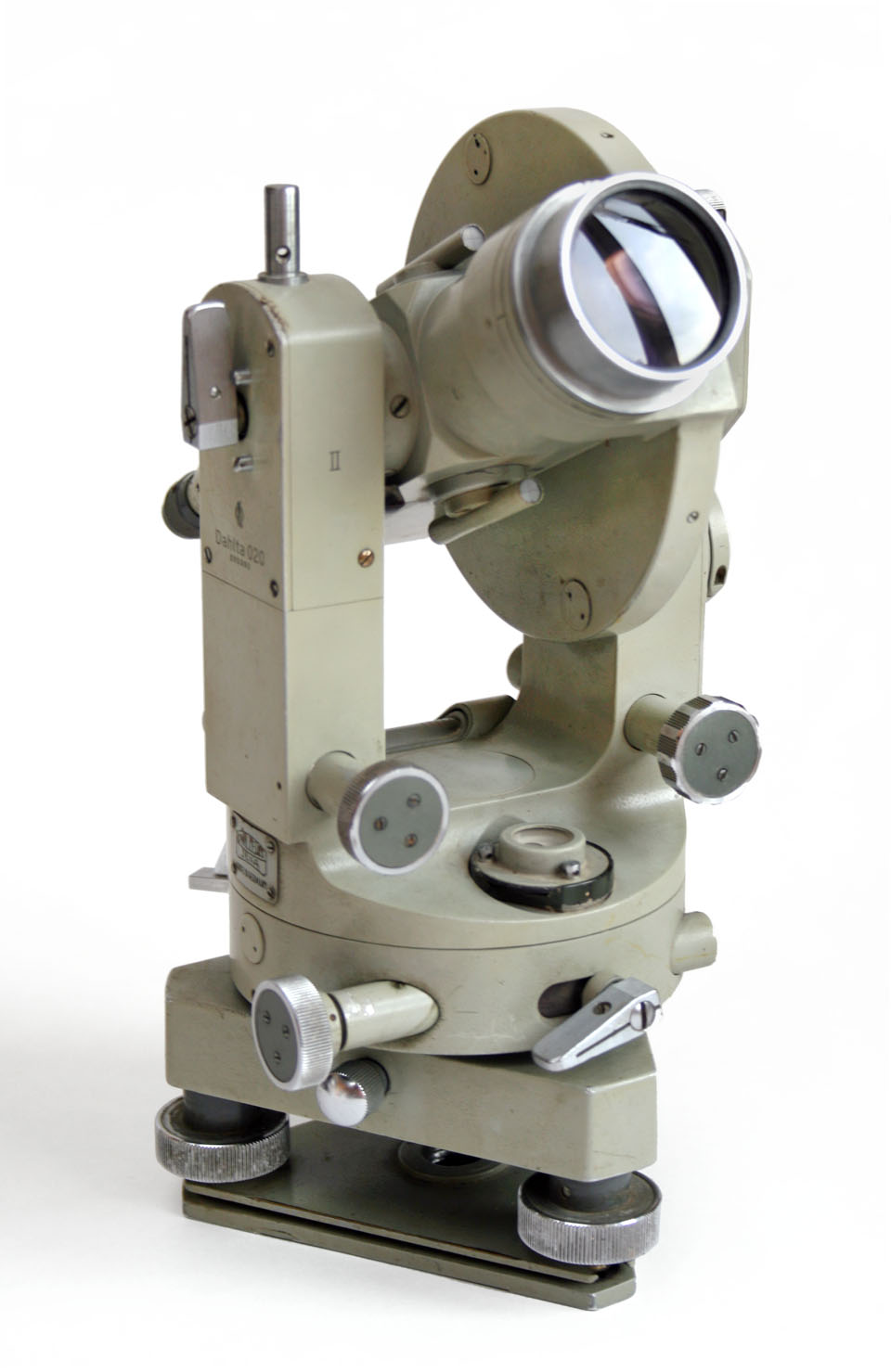
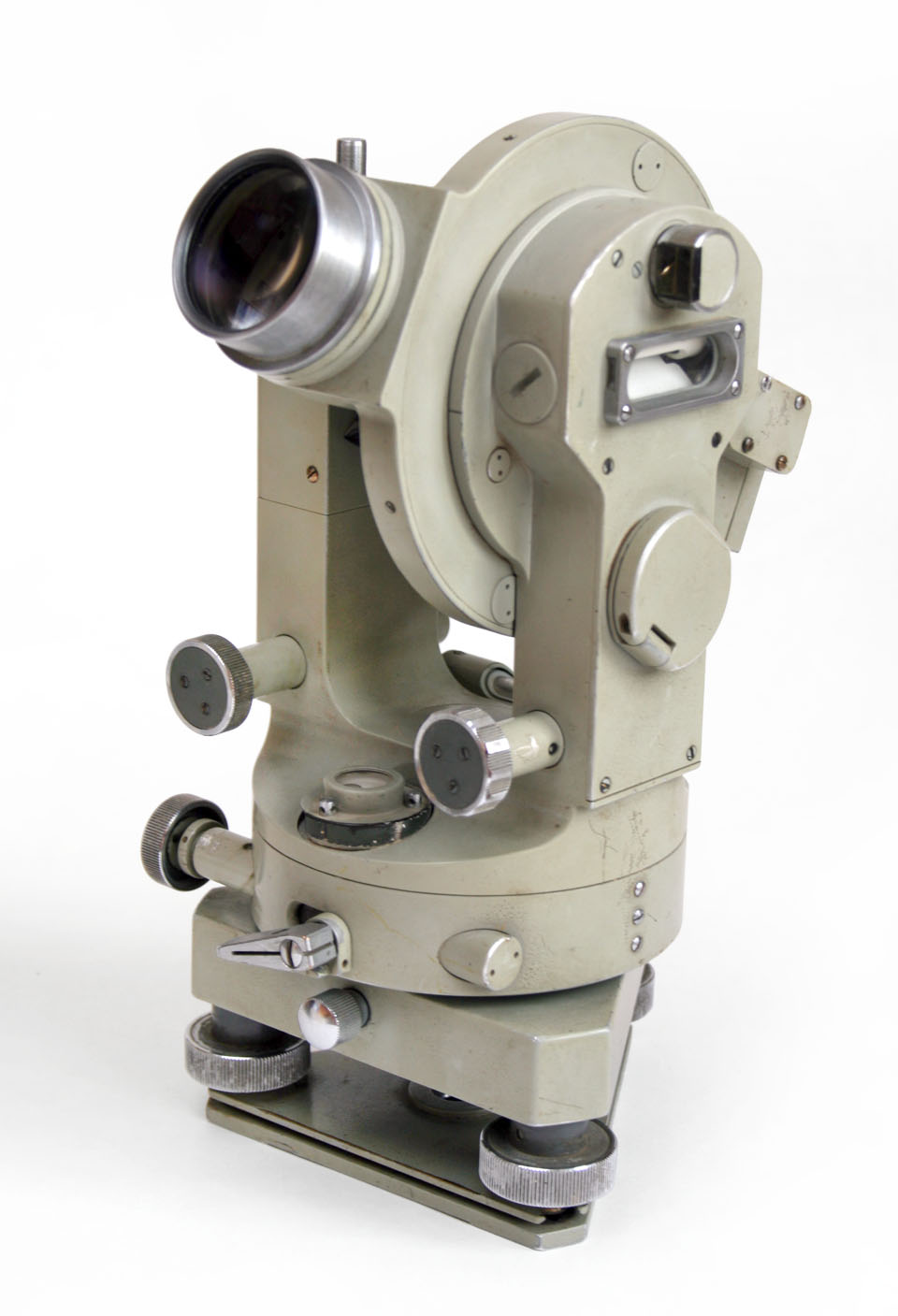
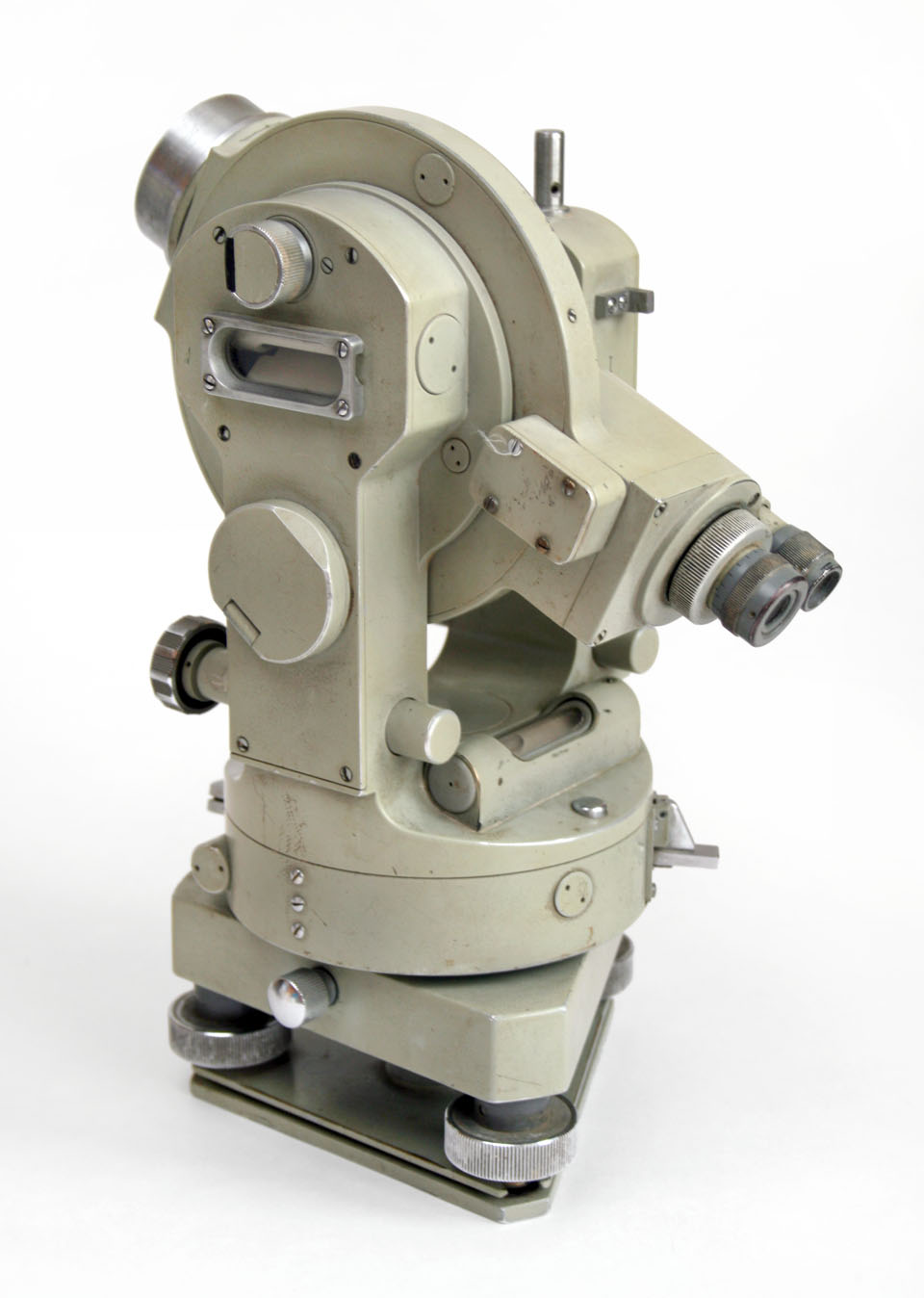
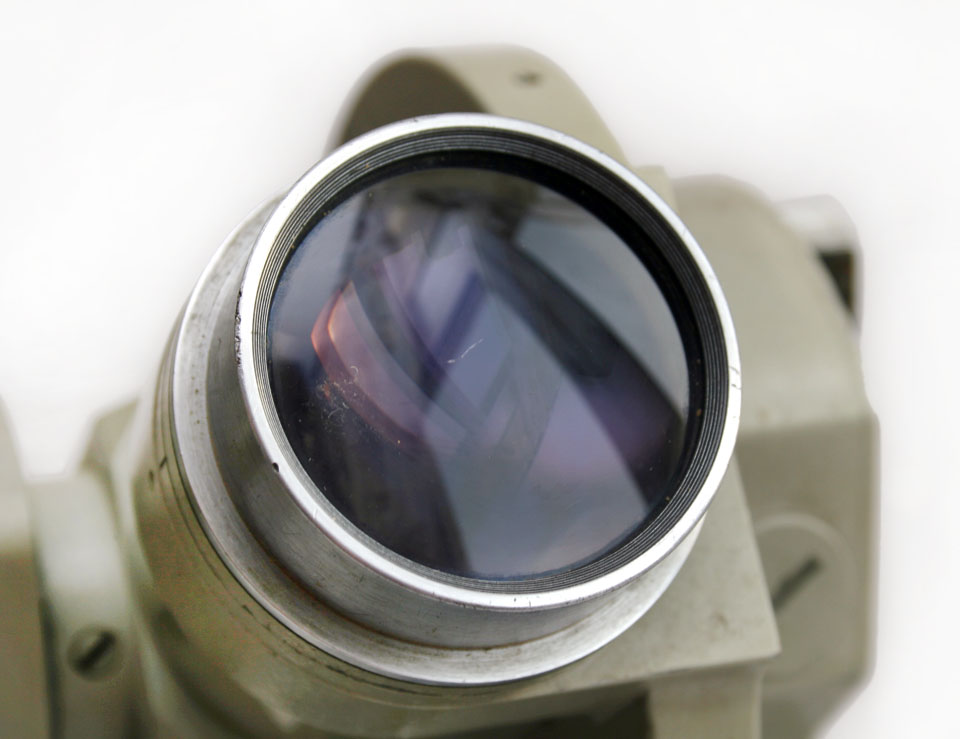
CONDITION - very good for its age. All movable mechanical parts move smoothly, despite the scratches and the signs of dirt and rust. There are some minor artefacts on the telescope front lens coating. The instrument has no original box, paper manual or accessories. Only the tacheometer, as shown on the photos.
Technical parameters
|
telescope type: flip over
tripod connection: tribrach
type of clamp: clamp on the axis
compensator: no
unite: gon
distance meter type: optical
construction of the distance meter: integrated
autoreduction of the length: yes
view in the telescope: erected
variable telescope length: no
telescope length with retracted eyepiece: 210 mm
telescope diameter: 40 mm
minimum telescope focusing distance: 3100 mm
telescope magnification: 25
type of optical plummet: none
compass: none
horizontal circle diameter: 115 mm
main reading scale of the horizontal circle: reading microscope
|
number of reading scales of the horizontal circle: 1
the smallest segment of the horizontal circle: 1'
setting the horizontal circle to zero: circle clamp
vertical circle: yes
segment of the vertical circle: no
vertical circle diameter: 125 mm
main reading scale of the vertical circle: reading microscope
number of reading scales of the vertical circle: 1
the smallest segment of the vertical circle: 1'
cross level: yes
length of the cross level/level perpendicular with line of collimation: 70 mm
bubble length of the cross level/level perpendicular with line of collimation: 20 mm
altitude buble: yes
lenght of the altitude level: 70 mm
leveling vial: no
striding level: no
sensitivity of the alidade level: 30 "
designed for work: basic work
|
|


