1910 HOUSEHOLD DECOR GRAND RAPIDS FUNITURE COMPANY DESIGN STYLE AD A-2896 The 1911 Grand Rapids furniture workers' strike was a general strike performed by furniture workers in Grand Rapids, which was then a national leader of furniture production. Furniture businessmen of Grand Rapids held control of the city's industry and banking sectors, growing so influential that they were able to price fix national furniture production. While Grand Rapids' economy grew, the wages of furniture laborers did not increase, with the city's furniture businesses collaborating on controlling their workers by establishing identical wages and creating an identification system that monitored the political sympathies and productivity of individual employees. Displeased with their treatment by employers, workers demanded furniture companies to provide increased pay, lower work hours and the creation of collective bargaining between laborers and employers. After months of businesses refusing to meet with their workers, the strike began on April 19, 1911. It lasted for four months until leaders of the Christian Reformed Church – its Dutch American members comprised the majority of the labor movement – publicly denounced the efforts of workers, effectively ending the strike. The strike resulted with city businesses becoming more direct with their political involvement, with companies placing their own representatives into public office and successfully lowering the number of city wards from twelve wards that accurately represented the city's various ethnicities to three wards that provided more voting power to the larger demographic of Dutch Americans. The furniture industry was instrumental in developing Grand Rapids, with the 1876 World’s Fair in Philadelphia boosting the city's furniture craftsmanship into the national spotlight and provided an opportunity for the Grand Rapids to rebound from the Panic of 1873 economic crisis. The furniture industry in the city then began to grow significantly; in 1870 there were eight factories employing 280 workers and by the time of the strike, the Old National Bank wrote that about 8,500 were employed by forty-seven factories. At the end of the nineteenth century, business alliances in the United States experienced rising popularity in order to establish a monopoly for controlling the production of goods, with bankers and furniture manufacturers in Grand Rapids uniting in order to compete with larger cities and to monitor the cost of labor. The first of these alliances in Grand Rapids was the Furniture Manufacturers Association (FMA), established in 1881. That same year, the Peninsular Club was founded by wealthy citizens – including department store owners, attorneys and newspaper owners – alongside the most prominent furniture businessmen who sought to control the city's banking industry. Half of the banks in Grand Rapids had furniture businessmen as their directors. Local businessmen then created a complex network to share insider information amongst each other about local factories and banks. The state of Grand Rapids' industry developed a parochialism solely focusing on the interests of furniture businessmen while ignoring wider economic implications with one-in-three workers in Grand Rapids were employed by furniture companies in 1890. The Grand Rapids' furniture businesses at the time were so influential that they were able to engage in price fixing the industry beginning in 1898, controlling thirty percent of the national market.[4] By the early twentieth century, Grand Rapids experienced some of the largest economic growth in the United States at the time; the city's value added by manufacturing was forty-second in the country, ahead of Atlanta, Denver, Omaha, Portland and Seattle. In 1905, the Furniture Manufacturers Employers' Association (FMEA) was created by the local furniture industry to monitor employees to determine if they were "competent or worthy" to be employed and to protect businesses from political and governmental "encroachments". The FMEA created cards for every employee in each furniture factory; the cards listed the worker's productivity, union-sympathies and wage. Despite economic growth, governmental reports in 1907 revealed that while Grand Rapids lead the furniture industry in product output, its furniture workers were paid lower wages compared to other areas despite the renowned quality of laborers. The groups of businesses collaborated to maintain low wages to discourage competition, with some skilled workers leaving their factories to work for other businesses demanding increased wages only to be told by their new employer that they would not pay more than at the former factory. Similar complaints would negatively affect the FMEA cards of furniture workers. Workers also required mortgage loans in order to afford ownership of basic homes near factories; furniture businessmen in contrast lived in opulent homes on the east side of the city and would receive income from their employees' home loans due to their positions in banking. Such disparities instituted a rat race sentiment among workers, further fueling discontent with their employers.
ITEM SIZE CAN BE FOUND BY USING RULERS ALONG EDGE IN PHOTO
At ADVERTISING SHOP we look for rare & unusual ADVERTISING, COVERS + PRINTS of commercial graphics from throughout the world.
DATE OF THIS **** ORIGINAL **** ADVERTISEMENT / ADVERT / AD : 1910
ADDITIONAL DESCRIPTION OF THIS ITEM :
ILLUSTRATOR/ARTIST:
GREAT DECOR / ART FOR: HOME OFFICE BUSINESS SHOP STORE CASINO LOFT STUDIO GARAGE BEDROOM COLLECTION
MOST ITEMS ARE VERY GOOD AND BETTER... THE ACTUAL CONDITION CAN BE SEE BY HOVERING OVER THE PHOTO FOR A CLOSEUP.
WE SELL ONLY .... ORIGINAL .... ITEMS : 100% GUARANTEED ... WE STAND BEHIND OUR PRODUCTS AUTHENTICITY ... FOREVER !
ITEMS ARE SHIPPED WITHIN A PLASTIC BAG AND A MAILING TUBE.
**For multiple purchases please wait for our combined invoice. Shipping discount are ONLY available with this method. Thank You.
We ship via United States Postal Service. We have a 3 day handling time not including weekends or holidays.
A Note to our international buyers (Including Canada). Please read before placing a bid or buying an item:
**Import taxes, duties and charges are not included in the item price or shipping charges. These charges are the buyer's responsibility. Please check with your country's customs office to determine what these additional costs will be prior to bidding/buying on items.
We ask that payments be made within 3 days or notify us via email otherwise. We send out a reminder payment email once and then proceed with unpaid item report on the 7 th day.
****** WE PRIDE OURSELVES ON ACCURATE DESCRIPTION..... GREAT SERVICE ..... AND FAST...SAFE...SHIPPING *******

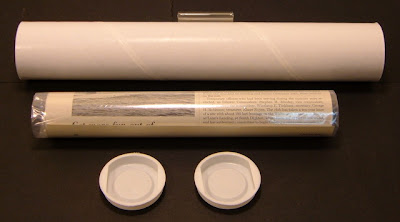
YOUR AD WILL BE SHIPPED ROLLED IN A PROTECTIVE PLASTIC BAG IN AN 80mm (TWICE USPS RECOMMENDED) THICK, 2 INCHES IN DIAMETER (SO AS NOT TO STRESS THE PAPER) SHIPPING TUBE WITH PRESS TIGHT PLASTIC END CAPS.
A-2896

Powered by SixBit's eCommerce Solution