ITEM SIZE CAN BE FOUND BY USING RULERS ALONG EDGE IN PHOTO - IN INCHES
THESE ARE 1/2 PAGE ADS, WHICH HAVE BEEN CUT - SO PAY ATTENTION TO SIZE AND CONDITION.
DETAILS OF ITEM:
British Railways (BR), which from 1965 traded as British Rail, was a state-owned company that operated most of the overground rail transport in Great Britain from 1948 to 1997. It was formed from the nationalisation of the Big Four British railway companies, and was privatised in stages between 1994 and 1997. Originally a trading brand of the Railway Executive of the British Transport Commission, it became an independent statutory corporation in January 1963, when it was formally renamed the British Railways Board.[1]
The period of nationalisation saw sweeping changes in the railway. A process of dieselisation and electrification took place. By 1968 steam locomotives had been entirely replaced by diesel and electric traction, except for the Vale of Rheidol Railway (a narrow-gauge tourist line). Passengers replaced freight as the main source of business, and one-third of the network was closed by the Beeching cuts of the 1960s in an effort to reduce rail subsidies.
On privatisation, responsibility for track, signalling and stations was transferred to Railtrack (later brought under public control as Network Rail), with services run by train operating companies. The British Rail Double Arrow logo remains in place and is now employed as a generic symbol on street signs in Great Britain denoting railway stations.[2]
The rail transport system in Great Britain developed during the 19th century. After the grouping of 1923 under the Railways Act 1921, there were four large railway companies, each dominating its own geographic area: the Great Western Railway (GWR), the London, Midland and Scottish Railway (LMS), the London and North Eastern Railway (LNER) and the Southern Railway (SR). During World War I, the railways were under state control, which continued until 1921. Complete nationalisation had been considered, and the Railways Act 1921[3] is sometimes considered as a precursor to that, but the concept was rejected. Nationalisation was subsequently carried out after World War II, under the Transport Act 1947. This Act made provision for the nationalisation of the network as part of a policy of nationalising public services by Clement Attlee's Labour Government. British Railways came into existence as the business name of the Railway Executive of the British Transport Commission (BTC) on 1 January 1948 when it took over the assets of the Big Four.[4]
There were also joint railways between the Big Four and a few light railways to consider (see list of constituents of British Railways). Excluded from nationalisation were industrial lines like the Oxfordshire Ironstone Railway. The London Underground – publicly owned since 1933 – was also nationalised, becoming the London Transport Executive of the British Transport Commission. The Bicester Military Railway was already run by the government. The electric Liverpool Overhead Railway was also excluded from nationalisation.[5]
The Railway Executive was conscious that some lines on the (then very dense) network were unprofitable and hard to justify socially, and a programme of closures began almost immediately after nationalisation. However, the general financial position of BR became gradually poorer until an operating loss was recorded in 1955. The Executive itself had been abolished in 1953 by the Conservative government, and control of BR transferred to the parent Commission. Other changes to the British Transport Commission at the same time included the return of road haulage to the private sector; however, BR retained its own (smaller) inhouse road haulage service.
ARTIST / ILLUSTRATOR:SPORT GOLF SCOTTISH DANCER KILT SCOTTISH GLENEAGLES AT ANDREWS MELROSE DRYBURGH EDINBURGH
THEME:
EXTRA INFO (TEXT &IMAGE): BLACK AND WHITE INSERT PHOTOGRAPHY CAN EVOKE MANY MOODS / EMOTIONS.... WHEN FRAMED FOR DECOR USE. THESE INSERT PHOTO'S COME FROM VINTAGE PERIODICALS AND MOST OFTEN ARE THE *ONLY* GIVEN SOURCE OF THAT PHOTO. HAVING NEVER BEEN AVAILABLE FOR PURCHASE IN OTHER FORMATS THESE INSERT PHOTO'S ARE UNIQUE IN THIS FORM. THEY MAT AND FRAME UP WONDERFULLY WELL FOR THE WALL DECOR OF ANY HOME OR OFFICE. BLACK AND WHITE PHOTOGRAPHY HAS THAT DISTINCTIVE TOUCH OF ROMANTICISM AND NOSTALGIA THAT, THEREFORE, MAKES THEM BASICALLY TIMELESS IN STYLE.
CONDITION: CLEAN, PERFECT FOR FRAMING AND DISPLAYING.
INSERT PHOTO'S ARE CAREFULLY REMOVED FROM VINTAGE PERIODICALS AND MAY BE TRIMMED IN PREPARATION FOR DISPLAYING.
MARGINS ARE INCLUDED IN ADVERT SIZE.
**NOTE**: PAGES MAY SHOW AGE WEAR AND IMPERFECTIONS TO MARGINS, WITH CLOSED NICKS AND CUTS, WHICH DO NOT AFFECT AD IMAGE OR TEXT WHEN MATTED AND FRAMED.
THE ADVERT OR ARTICLE YOU RECEIVE WILL BE CRISP AND LEGIBLE, WE HAVE PURPOSEFULLY BLURRED THE IMAGE A LITTLE.
At ADVERTISINGSHOP(DIVISION OF BRANCHWATERBOOKS) we look for rare &unusual ADVERTISING, COVERS + PRINTS of commercial graphics from throughout the world.
ALL items we sell are ORIGINALand 100% guaranteed --- (we code all our items to insure authenticity) ---- we stand behind this.
As graphic collectors ourselves, we take great pride in doing the best job we can to preserve and extend to you wonderful historic graphics of the past.
PLEASE LOOK AT OUR PHOTO'S CLOSELY AS THEY ARE IMAGES OF THE PRODUCT BEING SOLD..... NOT STOCK PHOTO'S
**We pride ourselves on quality products, great service, accurate gradations and fast shipping.**
GREAT DECOR / ART FOR: HOME OFFICE BUSINESS SHOP STORE CASINO LOFT STUDIO GARAGE BEDROOM COLLECTION
MOST ITEMS ARE VERY GOOD AND BETTER... THE ACTUAL CONDITION CAN BE SEE BY HOVERING OVER THE PHOTO FOR A CLOSEUP.
**For multiple purchases please wait for our combined invoice. Shipping discount are ONLY available with this method. Thank You.
We ship via United States Postal Service. We have a 3 day handling time not including weekends or holidays.
A Note to our international buyers (Including Canada). Please read before placing a bid or buying an item:
**Import taxes, duties and charges are not included in the item price or shipping charges. These charges are the buyer's responsibility. Please check with your country's customs office to determine what these additional costs will be prior to bidding/buying on items.
We ask that payments be made within 3 days or notify us via email otherwise. We send out a reminder payment email once and then proceed with unpaid item report on the 7 th day.
****** WE PRIDE OURSELVES ON ACCURATE DESCRIPTION..... GREAT SERVICE ..... AND FAST...SAFE...SHIPPING *******

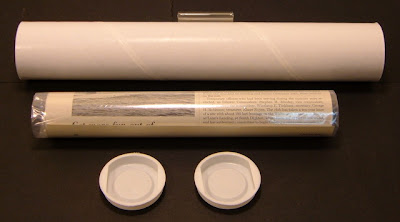
YOUR AD WILL BE SHIPPED ROLLED IN A PROTECTIVE PLASTIC BAG IN AN 80mm (TWICE USPS RECOMMENDED) THICK, 2 INCHES IN DIAMETER (SO AS NOT TO STRESS THE PAPER) SHIPPING TUBE WITH PRESS TIGHT PLASTIC END CAPS.
FDA105

Powered by SixBit's eCommerce Solution