
Terrapin Trading
Fair Trade | Ethical | Sustainable
Fair Trade Gifts | Musical Instruments | Slippers | Homeware & More
Ethical Amazon Samba Nose Whistle Light Ethnic Unusual Tribal Music Instrument
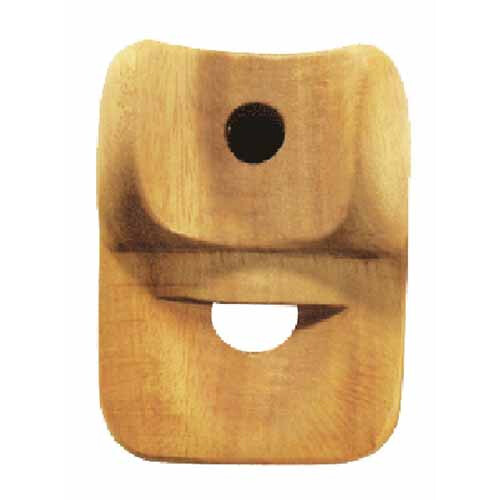
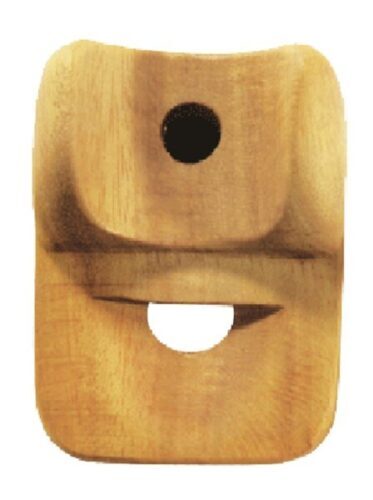
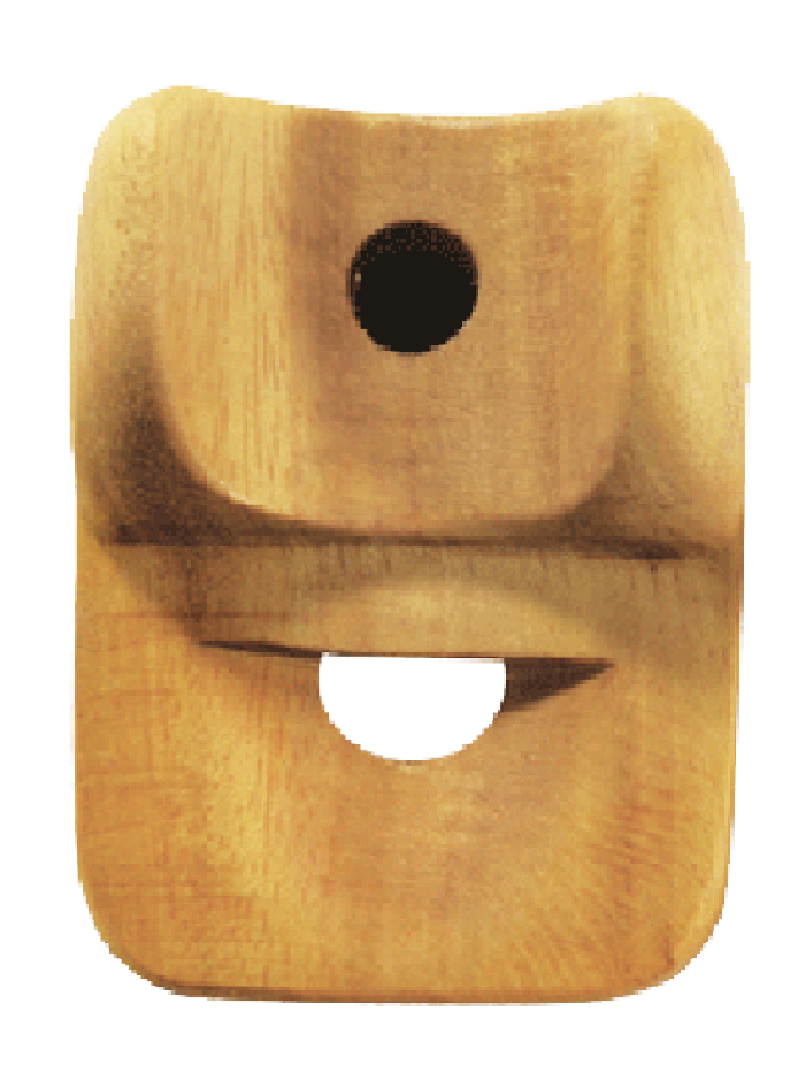
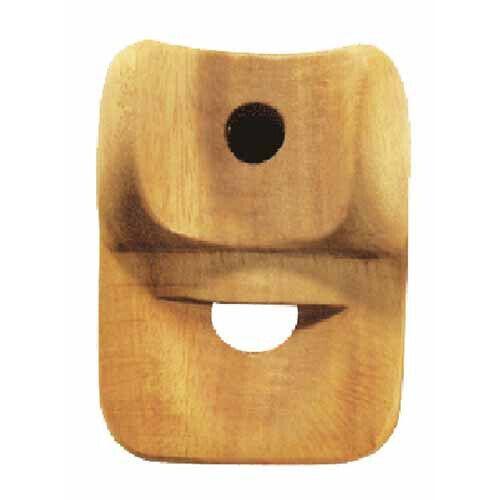
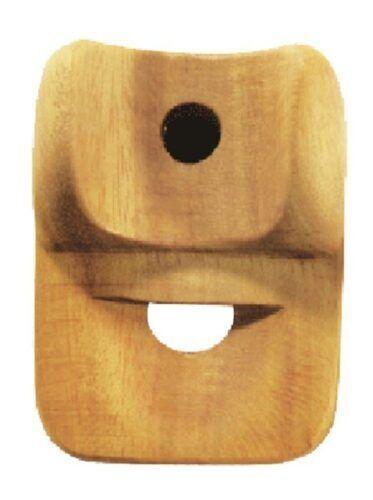
Extremely versatile instruments used by Yagua Indians in Brazil.
Used to make a wide variety of exotic bird calls. they were also used communicate news through the rainforest.
They are carved from a single piece of wood.
The whistle is played by blowing air from the nose into the top hole while manipulating the tongue, lips and soft pallet to change the note while keeping an open mouth.
It's easier than it sounds and is great fun.
You can get cheap plastic versions of these whistles called humanatones but they are a rubbish imitation of the real thing which we have here.
Size 6cm
Please note due to the hand made nature of the product, actual design may vary slightly from those pictured but all are the same style.
Heres a fun video of what can be achieved with a bit of practice.
This is not a toy - unsuitable for children History Nose whistles are traditionally used by various South American indigenous peoples of the Amazon rainforest, such as the Nambikwara.
Representing fertility or of war some groups in Nambikwara, nose flute "that tu su" in Nambikwaran was not used as a ritual tool, and often a childs toy.
In the opposite Piaroa used the tool "Chuvo" in Wotha tivene along with other flutes in ritual situations where he represented manhood, and played during the war.
Despite their ethnic origins, the models were developed and patented in the 19th and 20th centuries.
James J.
Stivers, co-founder of Humanatone, is credited with coining the "Humanatone".
The view from new York, hes whistling nose was made of tin plates.
Today, whistles of the nose are often sold as childrens novelties and is made of plastic, while the enthusiasts are using to change the tools for more convenient use by adults, and better sound.
Using wax to extend the Cup nose for adults large jaws is one of such methods Acoustic The nose blows the air into the tools open Cup of the nose, where it is directed through the duct in the direction of the sharp edge of the fipple, which is located above the players opening the mouth.
The location of the edge helps to create a vortex which excites in the acoustic field in the players mouth.
The pitch and tone changes then the musician through the movement of their mouth and tongue, and also by varying the air flow and, possibly, through a small hole in the plate for the tremolo.
Since the oral cavity is the functional resonance chamber defining a tonality of the instrument, as opposed to the volume of the chamber is changed by the holes or buttons, like in the case of flutes and recorders, whistle nose produces tones along a glissando.
Product Highlights
- Solid single piece of wood
- Fair Trade
- Used to make a wide variety of exotic bird calls.
- Extremely versatile instruments used by Yagua Indians, Brazil
- Fair Trade
Shipping & Returns
We dispatch from the UK, offer worldwide shipping, and provide free UK postage on most items. Please check the postage details shown by eBay on this listing, as some larger or heavier items may vary.
UK & Worldwide Dispatch
Free UK postage on most items.
Packed by our professional packing team.
We ship Monday, Wednesday & Friday.
Daily dispatch during busy periods.
30-Day Returns
Returns form included.
Simple, helpful aftercare.
A Note About Handmade Items
Many of our products are handmade or made using natural materials. Small variations in colour, pattern, size or finish may occur, which is part of their unique character.
Shop Categories
Ethical Promise
We are committed to fair trade principles and aim to source products with respect for people, craft and culture. We are members of the Scottish Fair Trade Forum and have been trading since 2007.