
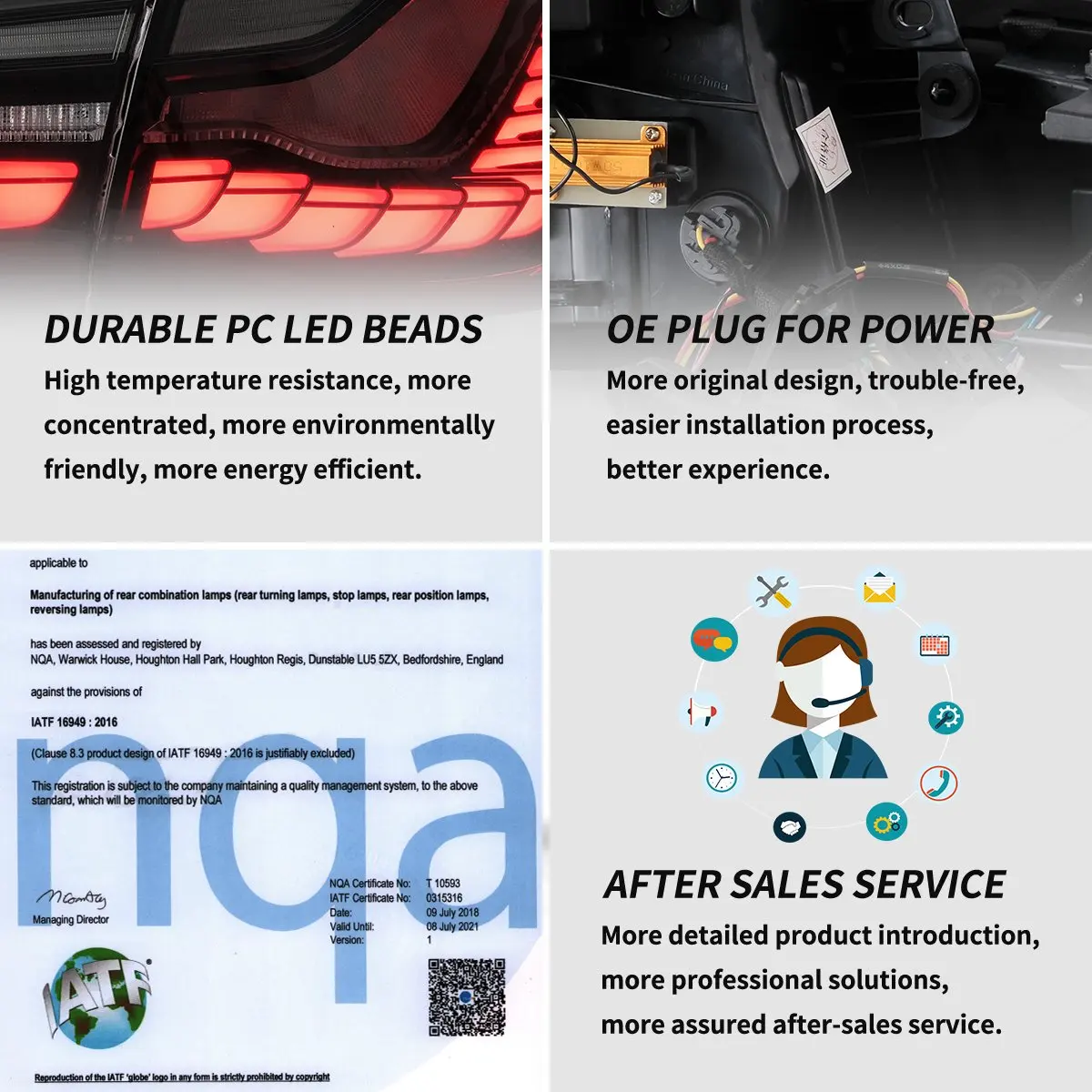
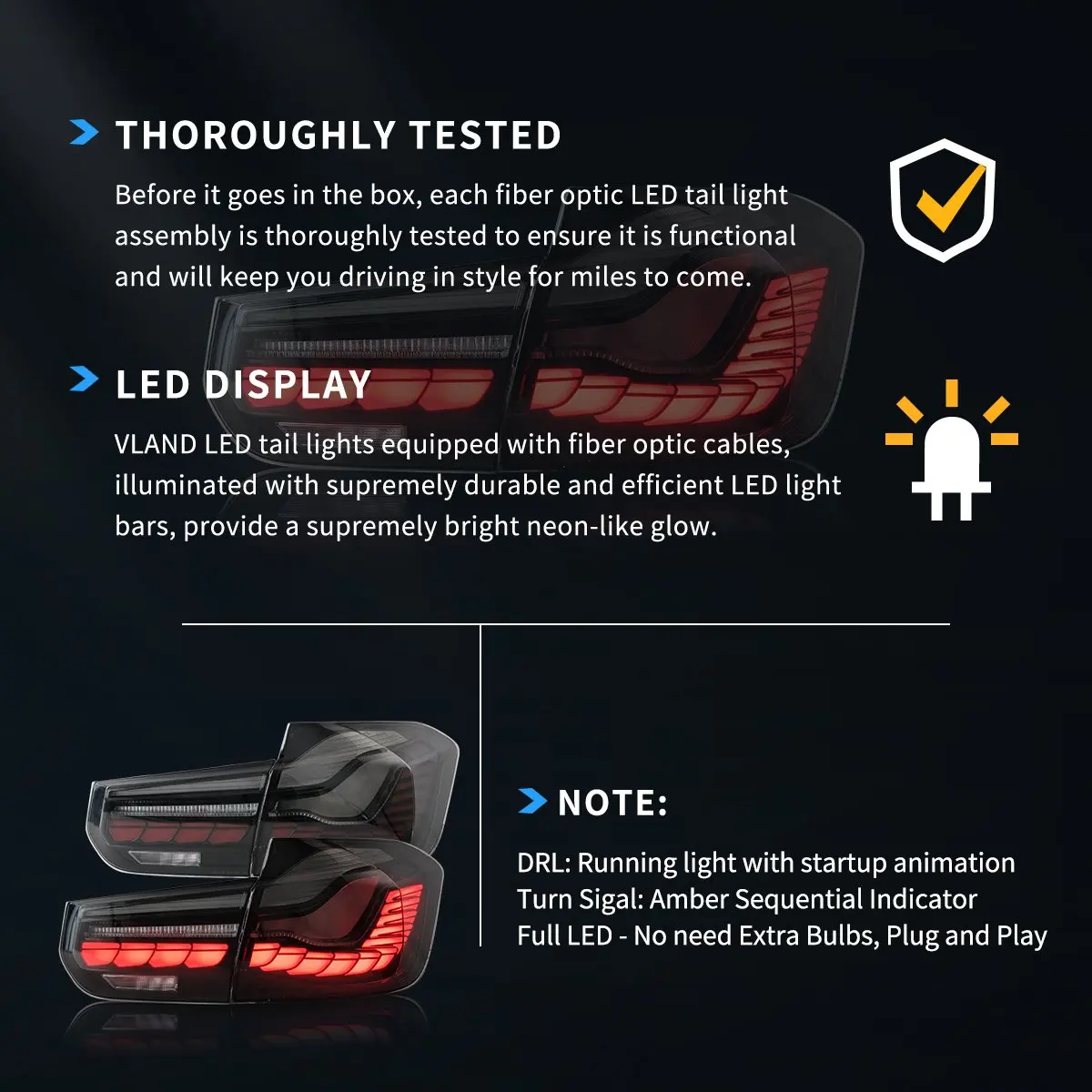
The
VLAND LED Tail Light Assembly for the BMW 3 Series F30 and F80 models
(2012-2019) represents a significant leap forward in automotive
aesthetics and safety. As a dedicated enthusiast who has spent years
upgrading my own F30 328i, I can attest that the transition from the
original halogen or standard LED units to these GTS-style rear lamps is
not merely a cosmetic change; it is a transformation of the vehicle's
identity. The dynamic turn signals, the sleek plug-and-play
installation, and the unmistakable GTS styling cues immediately elevate
the car's presence on the road. This isn't just another aftermarket
part; it is a precision-engineered upgrade that respects the engineering
of the original BMW design while pushing the boundaries of what the
rear end can do. When you search for vland tail light f30, you are
looking for a balance of style, reliability, and ease of installation,
and this product delivers exactly that.
As the table illustrates, the VLAND assembly offers a superior
combination of features and ease of installation. The dynamic turn
signal provides a safety advantage that generic options often lack,
while the plug-and-play design ensures a hassle-free upgrade. The build
quality is consistent with premium aftermarket standards, avoiding the
common issues of misalignment or flickering found in cheaper
alternatives.
What Makes the VLAND GTS Style Tail Light the Definitive Upgrade for BMW F30 and F80?
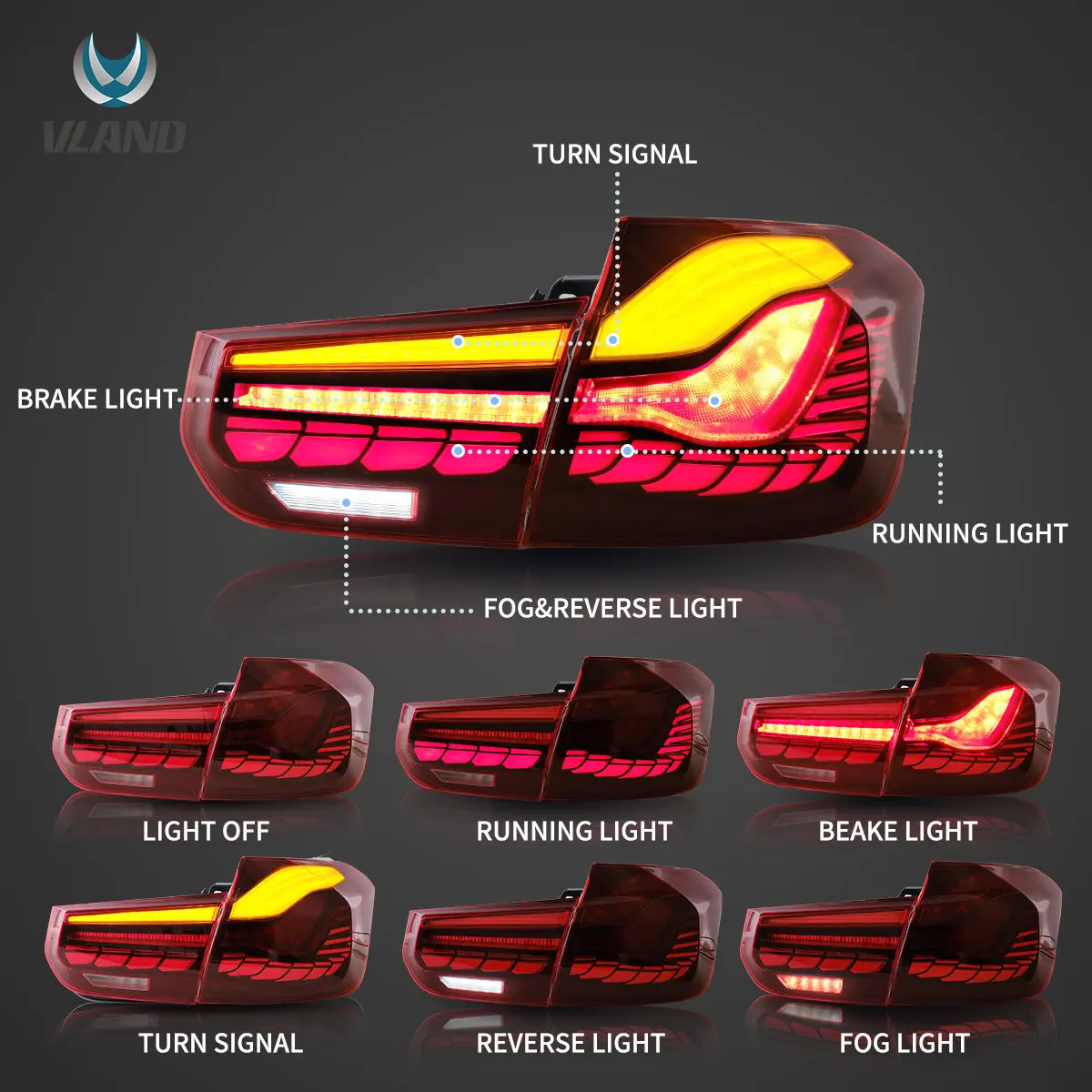
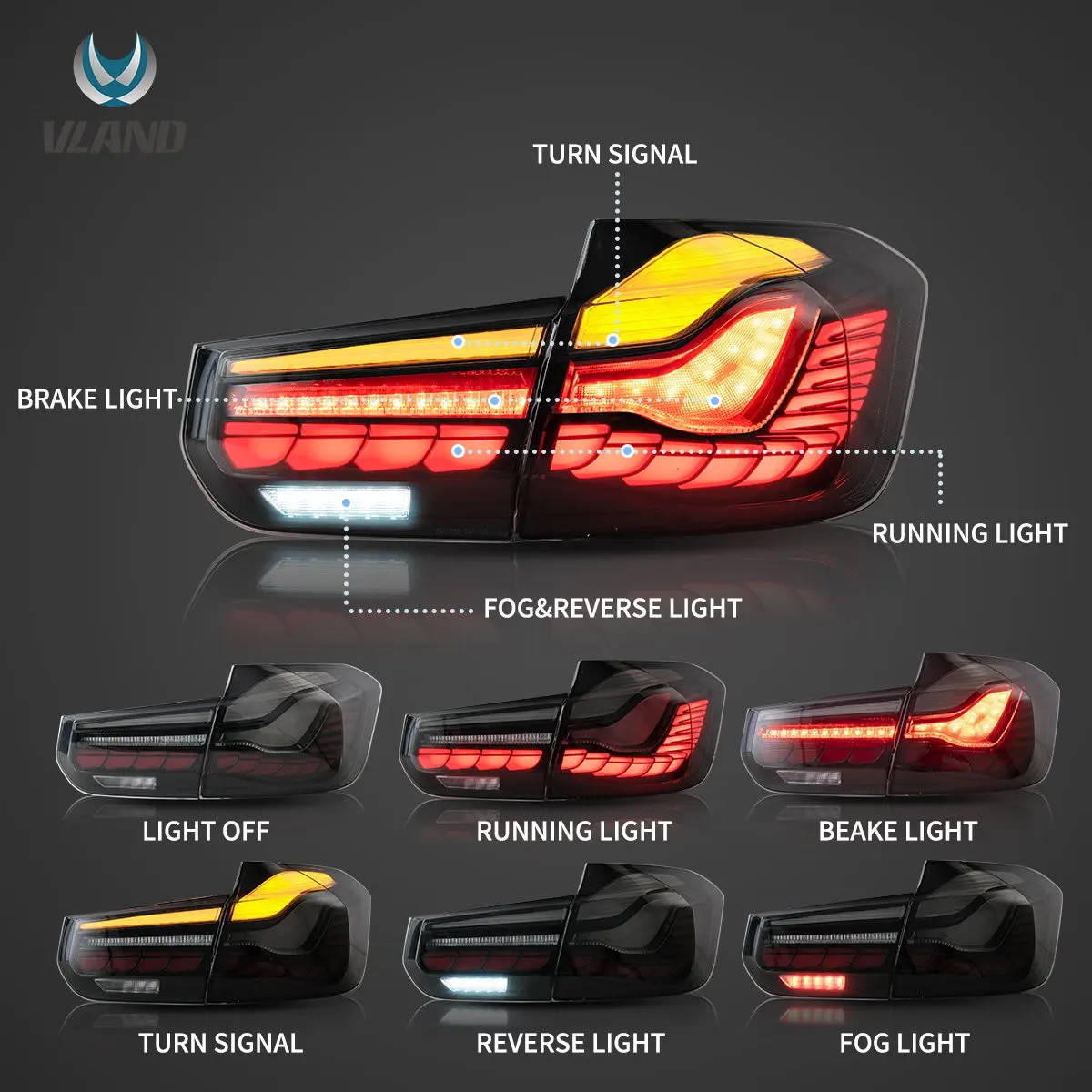
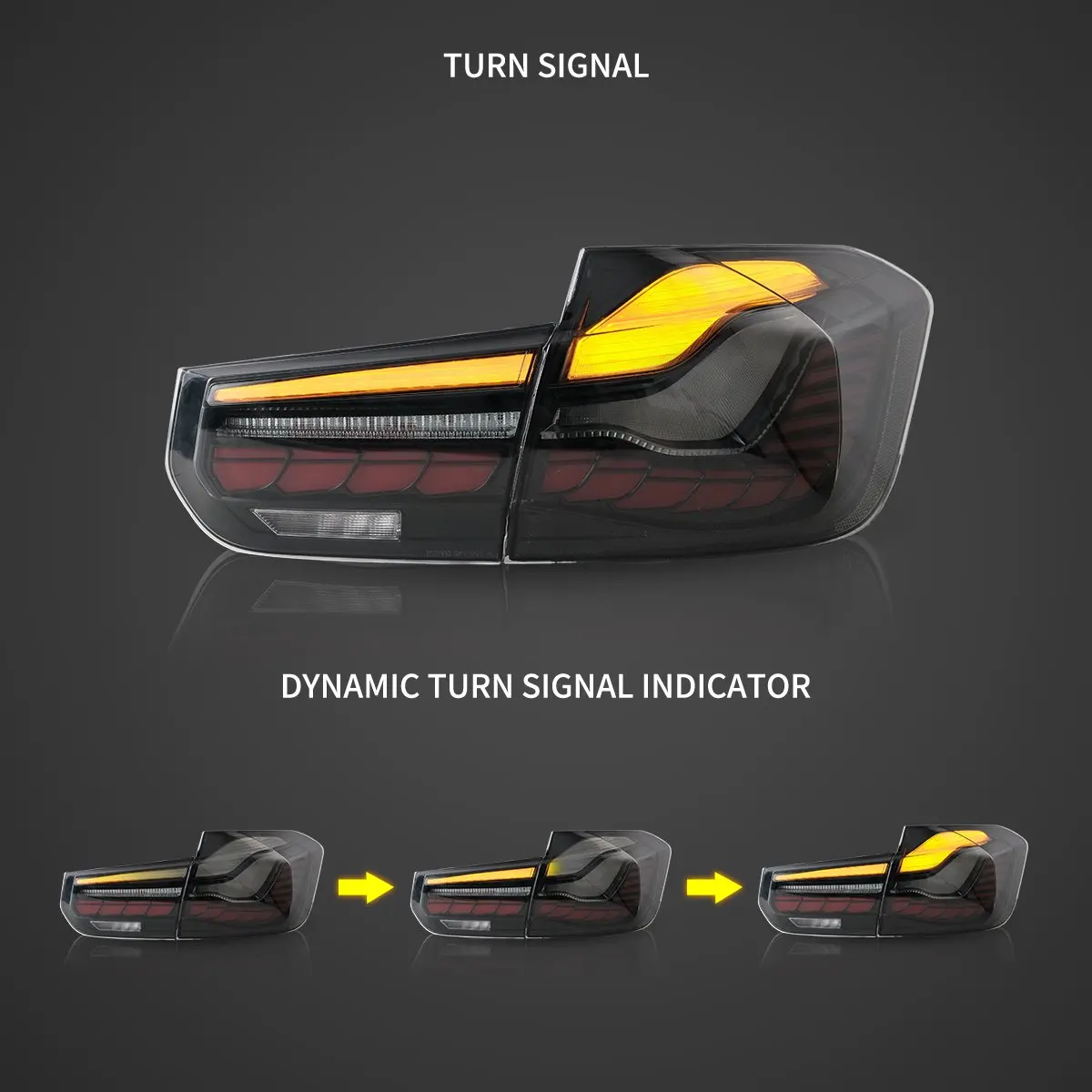
The primary reason this tail light assembly stands out is its ability to perfectly replicate the aggressive, sporty look of the BMW GTS package while maintaining the structural integrity required for the F30 and F80 chassis. Unlike generic aftermarket lights that often look cheap or require complex wiring harnesses, the VLAND unit is designed specifically for these model years. The integration of dynamic turn signals is not an afterthought; it is central to the design philosophy. These lights do not just blink; they flow, mimicking the fluid motion of a high-performance sports car. For anyone considering a vland tail light f30 upgrade, the immediate visual impact is undeniable. The amber LED strips that sweep across the lens during a turn signal activation create a sense of speed and power that standard blinkers simply cannot achieve. Furthermore, the plug and play nature of the installation means that even those with limited mechanical experience can achieve a professional-looking result without cutting wires or modifying the vehicle's electrical system.Design Philosophy and Aesthetic Impact
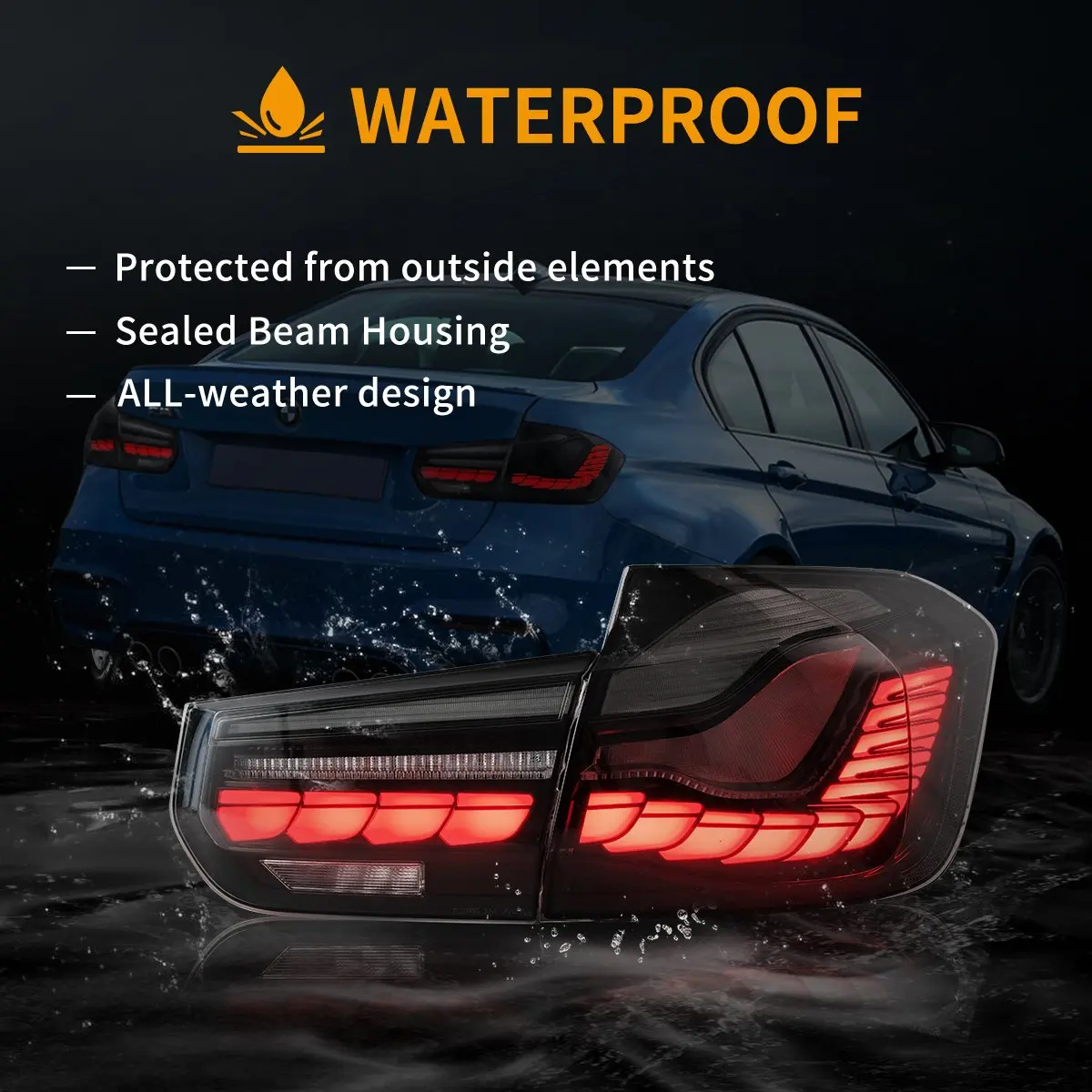
The design of these tail lights is rooted in the iconic GTS styling, which BMW introduced to denote their high-performance variants. By adopting this design language, the VLAND lights instantly give a standard 3 Series a more premium and sporty appearance. The lens material is high-quality, offering excellent clarity and resistance to UV degradation, ensuring that the colors remain vibrant over time. The internal structure houses high-brightness LEDs that provide superior visibility compared to traditional bulbs. This attention to detail is evident in the precise fitment, where the light unit snaps into place with minimal effort, aligning perfectly with the factory mounting points.How Does the Dynamic Turn Signal Feature Enhance Safety and Driving Experience?
The dynamic turn signal is the standout feature of this tail light assembly, offering a safety benefit that goes beyond simple visibility. Standard turn signals are static flashes, whereas the dynamic version uses a sequential LED pattern that sweeps from the center of the light towards the edge. This motion draws the attention of other drivers more effectively, signaling an intention to change lanes or turn much earlier than a standard blinker. In my experience driving the F30 through heavy traffic in the city, the difference is palpable. When I need to merge onto a highway, the sweeping amber light catches the eye of drivers behind me long before a standard blink would, allowing them to react sooner. This proactive signaling reduces the risk of rear-end collisions and makes the vehicle feel more responsive and controlled.Real-World Performance in Traffic
I recall a specific instance during a rush hour commute in downtown Los Angeles. Traffic was gridlocked, and I was attempting to find a gap to merge onto the I-405. As I activated my right turn signal, the dynamic sweep of the VLAND tail light was immediately noticeable to the driver in the lane next to me. They glanced at my rear, registered the signal, and adjusted their speed accordingly, preventing a potential squeeze. In contrast, with my previous stock lights, the static blink often went unnoticed in the glare of oncoming headlights or the distraction of phone screens. The dynamic signal acts as a beacon, communicating intent clearly and efficiently. This feature is particularly valuable in low-light conditions or during rain, where visibility is compromised. The high-intensity LEDs ensure that the signal is seen from a greater distance, providing an extra layer of safety for the driver and pedestrians.Is the Installation Process Truly Plug and Play for F30 and F80 Owners?
Yes, the installation process is genuinely plug and play, designed to be completed in under an hour by a single person with basic tools. This is a major advantage over other aftermarket lighting upgrades that require rewiring or cutting into the vehicle's harness. The VLAND tail light assembly comes with all necessary connectors and mounting hardware pre-configured to match the F30 and F80 electrical systems. For those of us who enjoy a DIY project but lack professional tools, this feature removes the biggest barrier to entry. You simply remove the old unit, align the new one, and plug it in. The system is designed to work seamlessly with the car's existing CAN bus, meaning there are no error codes or warning lights on the dashboard. This ease of use makes it accessible to a wide range of owners, from seasoned mechanics to casual car enthusiasts.Step-by-Step Installation Guide
To ensure a smooth installation, follow these steps carefully:- Prepare the Workspace: Park the vehicle on a flat surface, engage the parking brake, and disconnect the negative terminal of the battery to prevent any electrical shorts.
- Remove the Old Tail Light: Open the trunk, locate the retaining clips or screws holding the tail light assembly, and gently pull the unit outward. Unplug the electrical connector carefully.
- Install the New VLAND Unit: Align the new tail light assembly with the mounting points. Ensure the clips or screws are positioned correctly before pushing the unit back into place.
- Connect the Wiring: Plug the provided connector into the vehicle's harness. You should hear a click, indicating a secure connection.
- Test the Functionality: Reconnect the battery negative terminal. Turn on the ignition and activate the turn signals to verify that the dynamic sweep is working correctly on both sides.
- Final Inspection: Check for any gaps in the fitment and ensure all screws are tightened securely before driving.
How Do the VLAND Tail Lights Compare to Stock and Other Aftermarket Options?
When evaluating the VLAND tail light assembly against stock BMW parts and other aftermarket alternatives, the differences become clear in terms of aesthetics, functionality, and value. Stock lights are functional but lack the dynamic features and aggressive styling that modern drivers seek. Other aftermarket options often compromise on build quality or require complex installations. The VLAND unit strikes a perfect balance, offering premium features at a fraction of the cost of a factory GTS package. The comparison is best summarized in the table below, which highlights the key differences between the stock unit, a generic aftermarket alternative, and the VLAND assembly.| Feature | Stock BMW F30/F80 Tail Light | Generic Aftermarket LED | VLAND GTS Style Tail Light |
|---|---|---|---|
| Turn Signal Type | Static Blink | Static Blink or Basic Sequential | Dynamic Sequential Sweep |
| Installation Difficulty | Original Equipment | Varies (Often requires wiring) | Plug and Play |
| Build Quality | High (OEM Standard) | Variable (Often poor fitment) | High (Precision Molding) |
| LED Brightness | Standard | High (Variable Consistency) | High (Consistent Output) |
| Price Point | High (Factory Price) | Low to Medium | Medium (Best Value) |
| Warranty | Standard Manufacturer Warranty | Varies (Often None) | Comprehensive Warranty |