
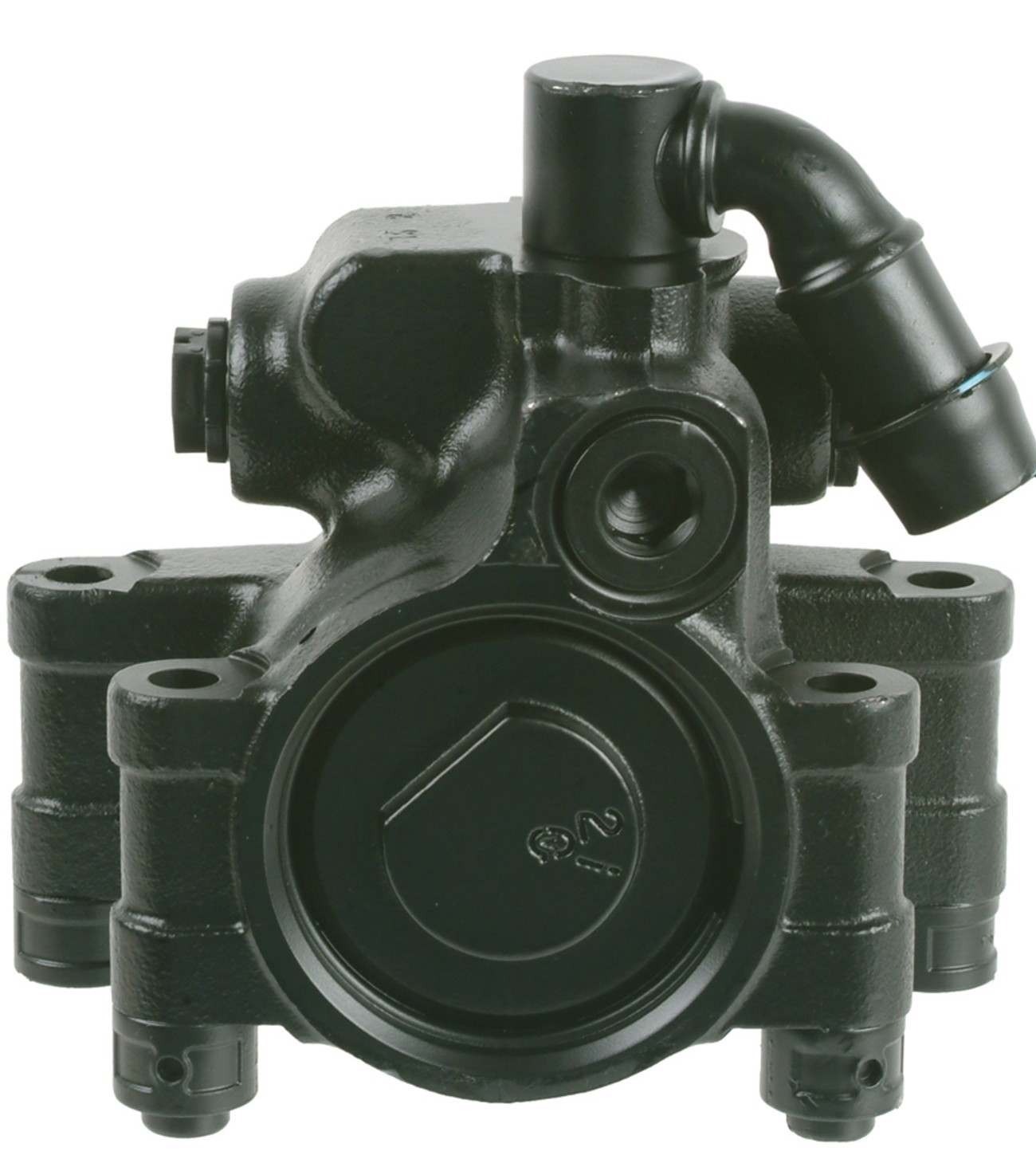
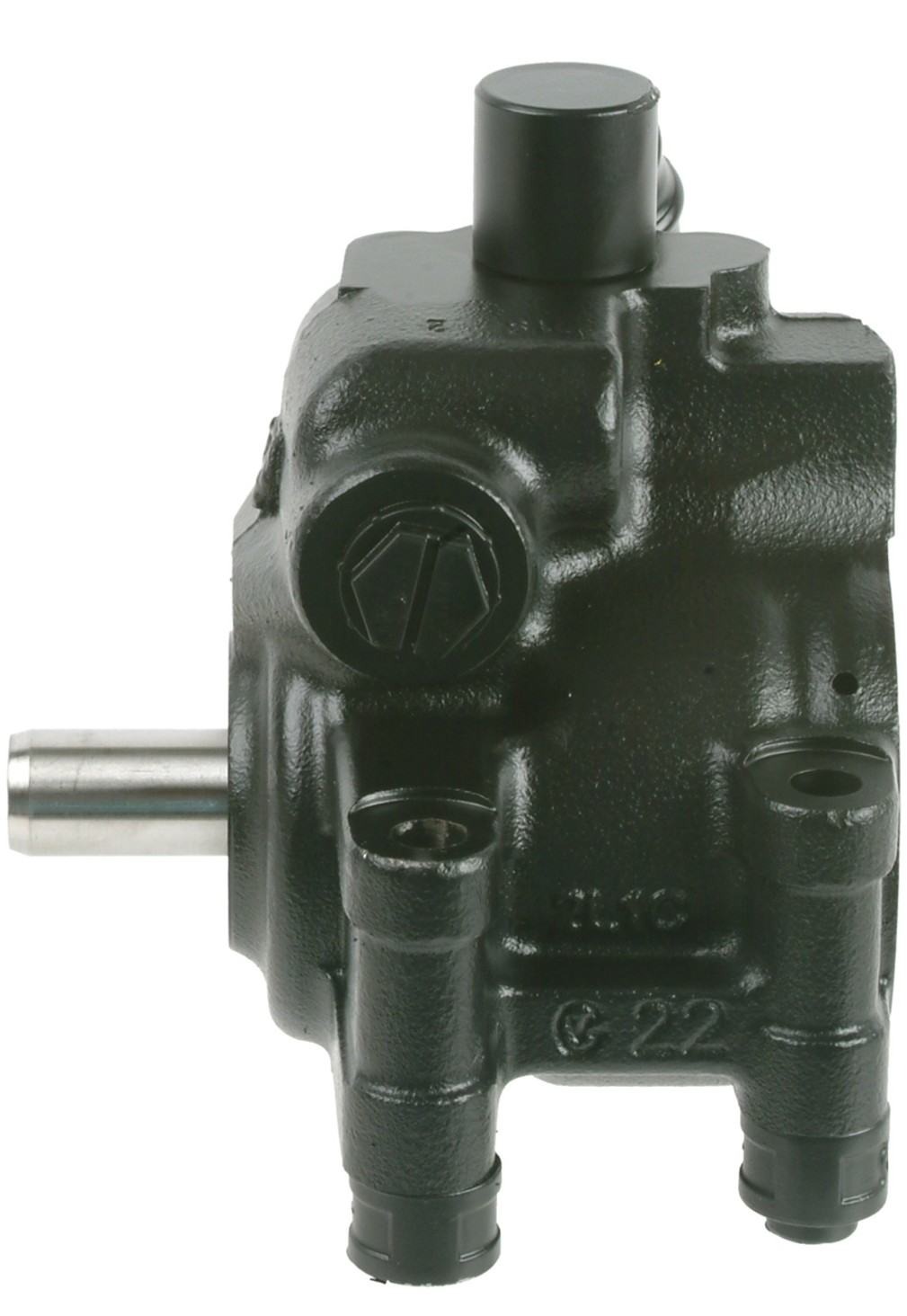
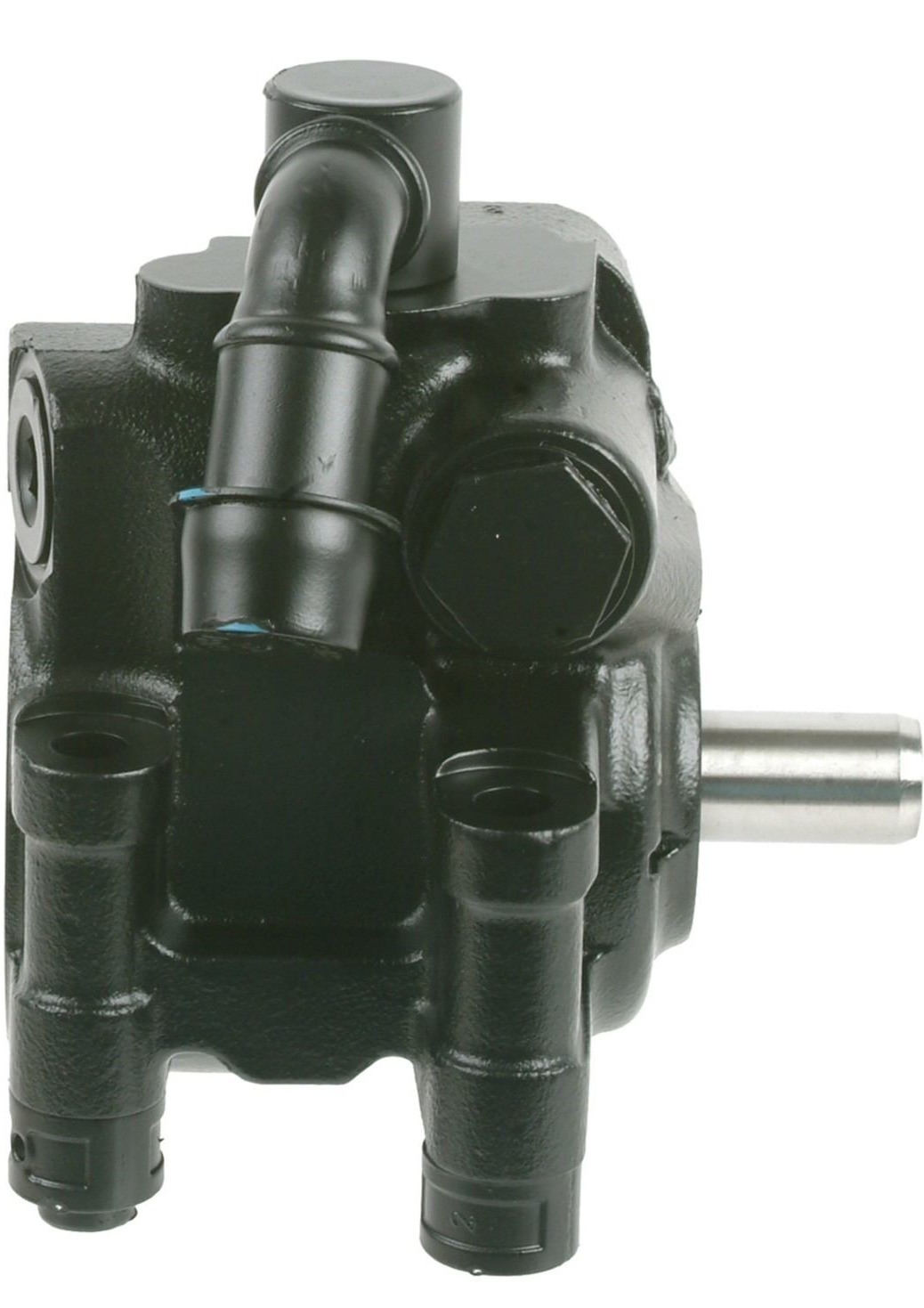
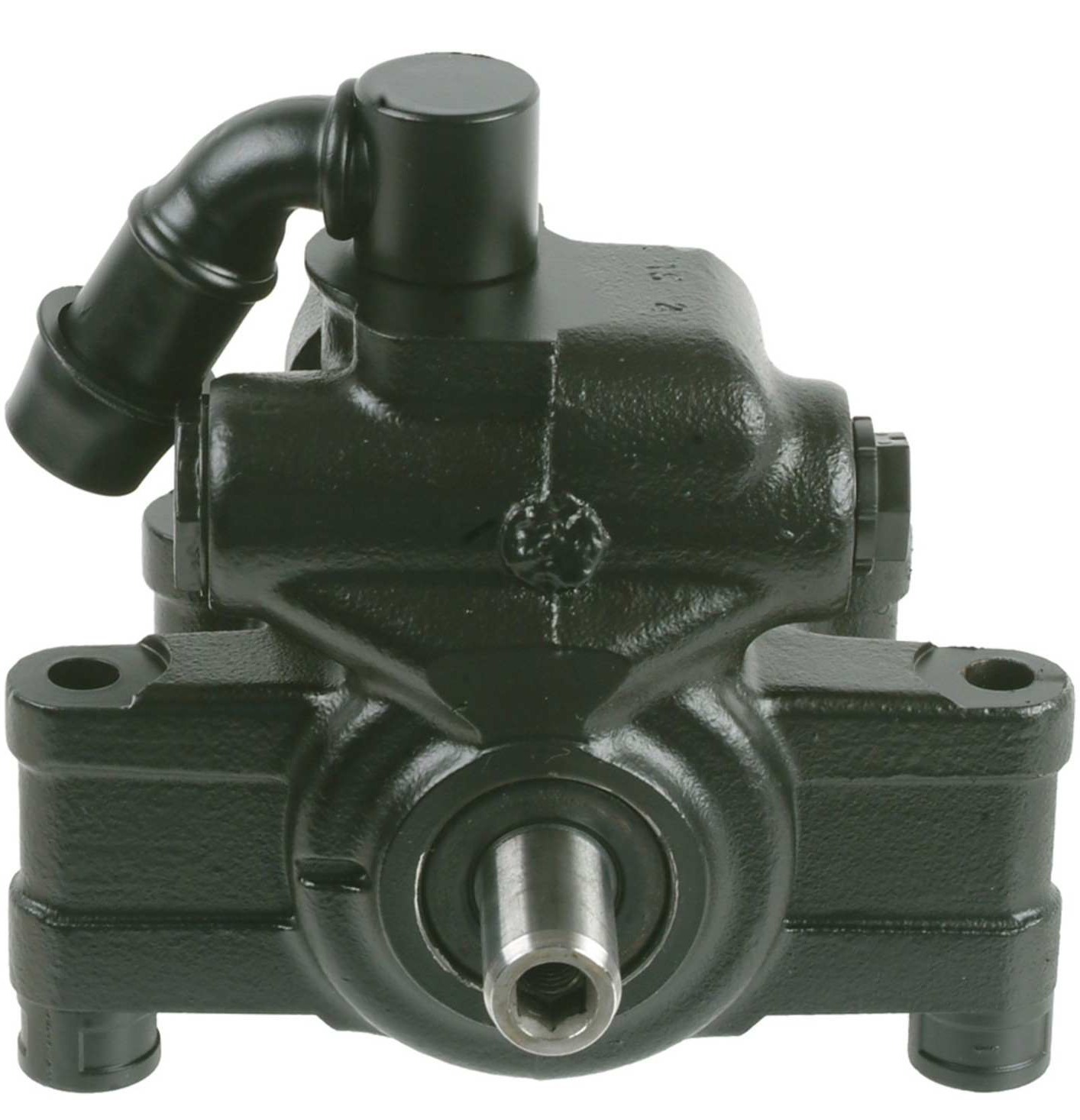
Replacement Power Steering Pump for 2009 Ford F-150, Lobo (V8 4.6L)
Product Description
Power Steering Pump
Features and Benefits: FInal pump assembly is computer-tested to measure pressure, bypass, fluid flow, valve operation, steering effort and noise to ensure reliable performance., Our remanufacturing process is earth-friendly, as it reduces the energy and raw material needed to make a new part by 80%., Shafts are surfaced to precise specifications to eliminate premature seal wear and extend pump life., Units are supplied with 100% tested and calibrated pressure relief valves., All units are built with 100% new O-rings and premium-grade HNBR seals to prevent leaks. HNBR does not break down at high temperatures like conventional seal material., As a remanufactured Original Equipment part, this unit guarantees a perfect vehicle fit., All critical components (cam packs, spool valves, etc.) are triple-tested to ensure product reliability.
FAQs: Why do I still have hard steering in one direction after I replaced the pump?, Why is the pump making a whining noise all of the time?, Yes. Some O.E. manufacturers recommend that power steering fluid be changed at 50,000 miles and continue at that interval. Just like engine oil, power steering fluid will eventually break down and carry suspended contaminants from component wear and breakdown. Follow your vehicle's O.E. manufacturer's recommendations on fluid change intervals., There may be debris in the flow control valve bore not allowing the flow control valve to move as it should. (Valve and bore are located behind the high pressure fitting on the pump). The system must be checked for contamination and flushed., The problem is most likely in the steering unitâthe pump does not know left from right. Check for binding steering components and repair as necessary., Should I ever change my fluid, even though nothing is wrong?, The pulley may have cracked upon removal. If the shaft was mushroomed before removing the pulley, it has now enlarged the bore in the pulley. The pulley must be replaced., A whining pump is usually caused by air in the system. Remove reservoir lid and inspect fluid level and condition. If fluid has foam or air bubbles present, you must bleed the system again. Some systems are very difficult to bleed manually and may require the use of a vacuum pump to extract all of the air from the system., I bought a replacement power steering pump and my original pulley has a loose fit on the replacement pump shaft. What should I do?, I only have assist when increasing engine rpm after installing the replacement pump. What's causing this?
Power Steering Pump Outlet Quantity: 1
E-Waste: No
Power Steering Pump Outlet Attachment Type: Threaded
Power Steering Pump Inlet Attachement Type: Barb
Power Steering Reservoir Cap Included: No
Remote Reservoir: Yes
Housing Material: Cast Iron
Pulley Included: No
Power Steering Outlet Thread Size: 16x1.5
Hose Port Type: O-Ring
Pulley Attachement Type: Press-On
Reservoir Included: No
Package Contents: Hydraulic Pump; Instruction Sheet; Sealing Kit
Product Condition: Remanufactured
Mounting Hardware Included: No
Compatible with the following vehicles
| Make | Model | Year | Mfrlabel | Cid | Cylinders | Liters | Notes |
|---|---|---|---|---|---|---|---|
| Ford | F-150 | 2009 | Power Steering Pump | 281 | 8 | 4.6 | Supplied without Pulley|Before 12/01/2008|Reservoir Not Included|In-Line Filter available|For warranty purposes it is recommended to always install a filter and to use suggested OE Fluid and flush the system |
| Ford | F-150 | 2009 | Power Steering Pump | 330 | 8 | 5.4 | Supplied without Pulley|Before 12/01/2008|Reservoir Not Included|In-Line Filter available|For warranty purposes it is recommended to always install a filter and to use suggested OE Fluid and flush the system |
| Ford | Lobo | 2009 | Power Steering Pump | Supplied without Pulley|Before 12/01/2008|Reservoir Not Included|In-Line Filter available|For warranty purposes it is recommended to always install a filter and to use suggested OE Fluid and flush the system |
- Autoscape gladly accepts PayPal, American Express, Discover, MasterCard, and Visa through eBay's safe and secure checkout.
- We do not accepts checks, cash, or any payments outside of PayPal.
- International Orders: Please allow an additional 3-5 business days handling time.
- We ship via the quickest, most economical method - usually UPS, FedEx, or USPS.
- We ship from multiple warehouses and will always ship from the closest warehouse to your location.
- We cannot guarantee ground shipping times, however most orders arrive in 3 business days once shipped.
- Unused and uninstalled items may be returned within 30 days of purchase. Your return must be in new and unused condition.
- All returns must include original packaging, with all hardware and accessories.
- Orders returned outside of policy may be refused or subject to a 15% re-stock fee.
- Customers are responsible for return shipping costs.
- Damage claims must be made within 3 business days of delivery. After this time period, we cannot accept a damaged return.
- Damaged items will only be exchanged once we receive the damaged item back.