By George Layman in Cooperation with Adrian Van Dyk
ISBN: 9781931464901
Binding: Softcover
Height: 11"
Width: 8.5"
Number of Books: 1
Thickness: Approximately 0.9"
Weight: Approximately 2 lbs. 5 oz.
Pages: 264
Number of Photos: More than 800 color photographs
Background
The SKS emerged during one of the most consequential transitions in modern military firearms development. Designed in the Soviet Union by Sergei Gavrilovich Simonov and adopted in 1945, the gas-operated semiautomatic carbine combined the newly developed 7.62x39mm intermediate cartridge with a fixed ten-round magazine normally loaded from stripper clips.
Its Russian designation, Samozaryadny Karabin sistemy Simonova, identifies it as the Simonov self-loading carbine. The design arrived at the end of World War II, between the era of full-power infantry rifles and the widespread adoption of selective-fire rifles using detachable magazines. Although the AK pattern soon displaced it as the principal Soviet infantry arm, the SKS remained useful as a service rifle, ceremonial arm, training weapon, and military aid firearm.
The Soviet design was subsequently manufactured, modified, or adopted by nations throughout the Communist bloc and the developing world. Albania, China, Czechoslovakia, East Germany, North Korea, Romania, the Soviet Union, Vietnam, and Yugoslavia produced or used distinctive versions, while additional countries issued, altered, or marked imported rifles for their own purposes.
To the casual observer, many SKS carbines appear nearly identical. To the knowledgeable collector, however, differences in receivers, factory codes, serial-number systems, stocks, bayonets, sights, gas systems, machining, markings, finishes, and accessories can identify a rifle's country, arsenal, period of production, and service history. Refurbishment, replacement parts, import markings, and later alterations add further complexity.
More than four million SKS carbines were imported into the United States, making the design familiar to generations of shooters and surplus-arms enthusiasts. That abundance sometimes obscures the rarity of particular makers, years, configurations, and national variants. A rifle that appears ordinary at first glance may preserve an uncommon production feature or reveal an important chapter in Cold War history.
George Layman's research, completed in cooperation with Adrian Van Dyk, draws upon recently declassified intelligence sources, an extensive serial-number and factory-code database, and the examination of a remarkable range of surviving carbines. The result brings order to a collecting field in which information was previously scattered, incomplete, or based on long-repeated assumptions.
Description
The Collector's Guide to the SKS is a comprehensive identification and collector's reference devoted to the Simonov carbine and its many national variations. George Layman examines the SKS country by country, showing how the original Soviet design was manufactured, adapted, marked, issued, and refurbished across the Cold War world.
The book covers carbines associated with Albania, Bulgaria, China, Czechoslovakia, East Germany, Egypt, Hungary, North Korea, North Vietnam, Poland, Romania, the Soviet Union, Yugoslavia, and other nations. This broad scope allows readers to compare related patterns directly while recognizing the features unique to particular countries and factories.
Detailed coverage includes arsenal and factory markings, serial numbers, dates, production characteristics, stock markings, bayonet types, sights, receivers, internal components, accessories, packaging, and other features useful in identifying and evaluating an individual rifle. The extensive serial-number and factory-code information is especially valuable when researching examples whose origins are not immediately obvious.
More than 800 color photographs illustrate complete carbines as well as the markings, components, and small manufacturing details that often separate one variation from another. The generous use of close-up images makes the book practical at a gun show, in a collection room, or whenever a rifle must be compared against documented examples.
Recently declassified intelligence material helps clarify the development, production, and international distribution of the SKS. By combining documentary research with evidence found on surviving rifles, the authors address misconceptions and provide collectors with a stronger basis for distinguishing original configurations from later refurbishment, assembly, or modification.
At 264 pages, the book serves experienced SKS specialists as well as owners encountering the subject for the first time. It is equally useful to military-firearms collectors, Cold War historians, surplus-rifle enthusiasts, and anyone considering the purchase of an unfamiliar SKS variation.
The SKS is often described as a common military-surplus rifle, but its worldwide production and service created a surprisingly deep collecting field. This reference reveals that diversity and helps the reader understand not only what a particular carbine is, but also where it fits within the larger history of Soviet influence, international arms production, and the Cold War.
For anyone who owns, collects, studies, or is considering the purchase of an SKS carbine, The Collector's Guide to the SKS is an essential modern reference and an unusually rich visual guide to the design's many variations.
Notes
The buyer will receive one new softcover copy of The Collector's Guide to the SKS, identical to the book described above. Feel free to email via the eBay messaging system for answers to any questions.
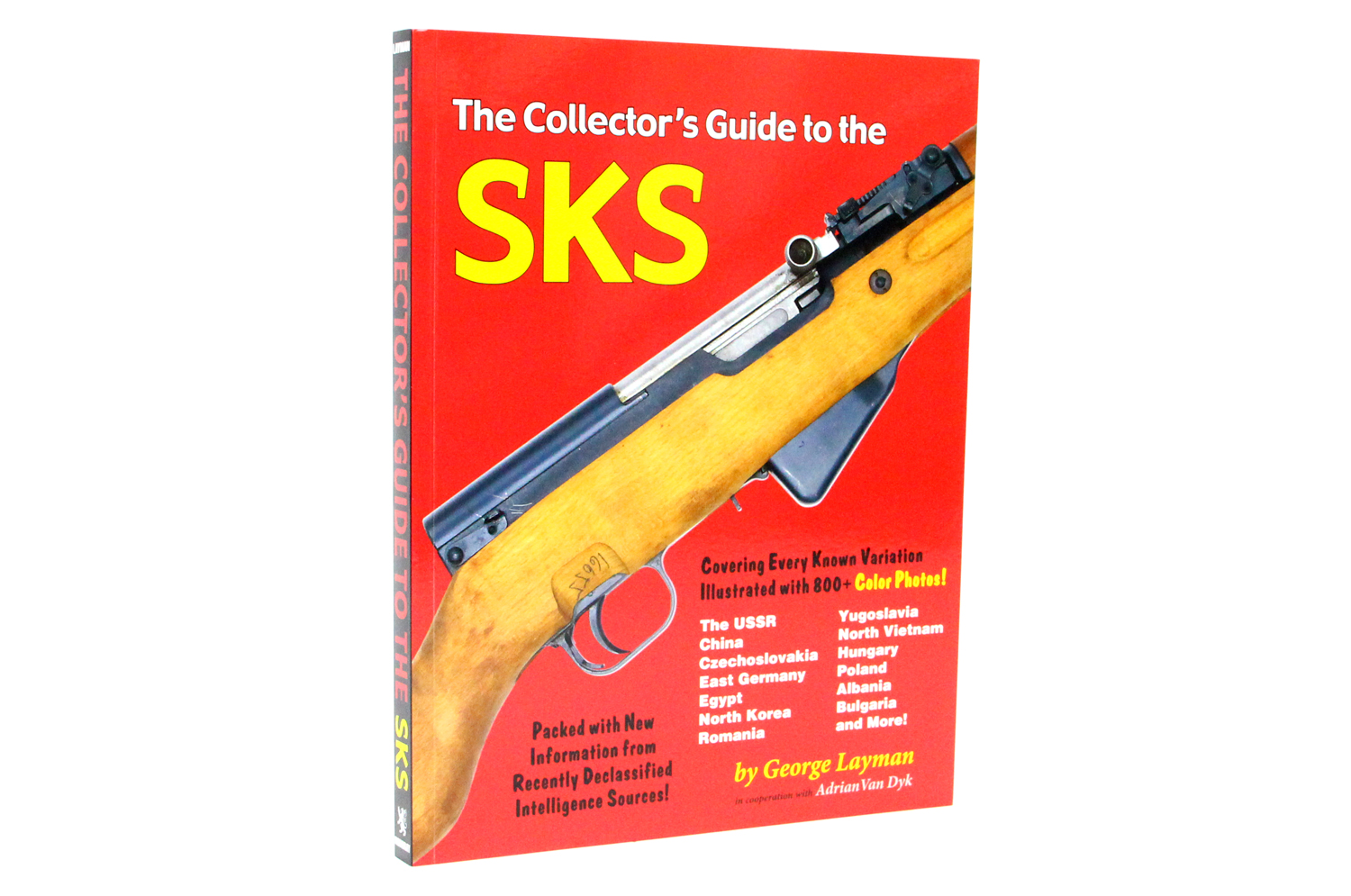
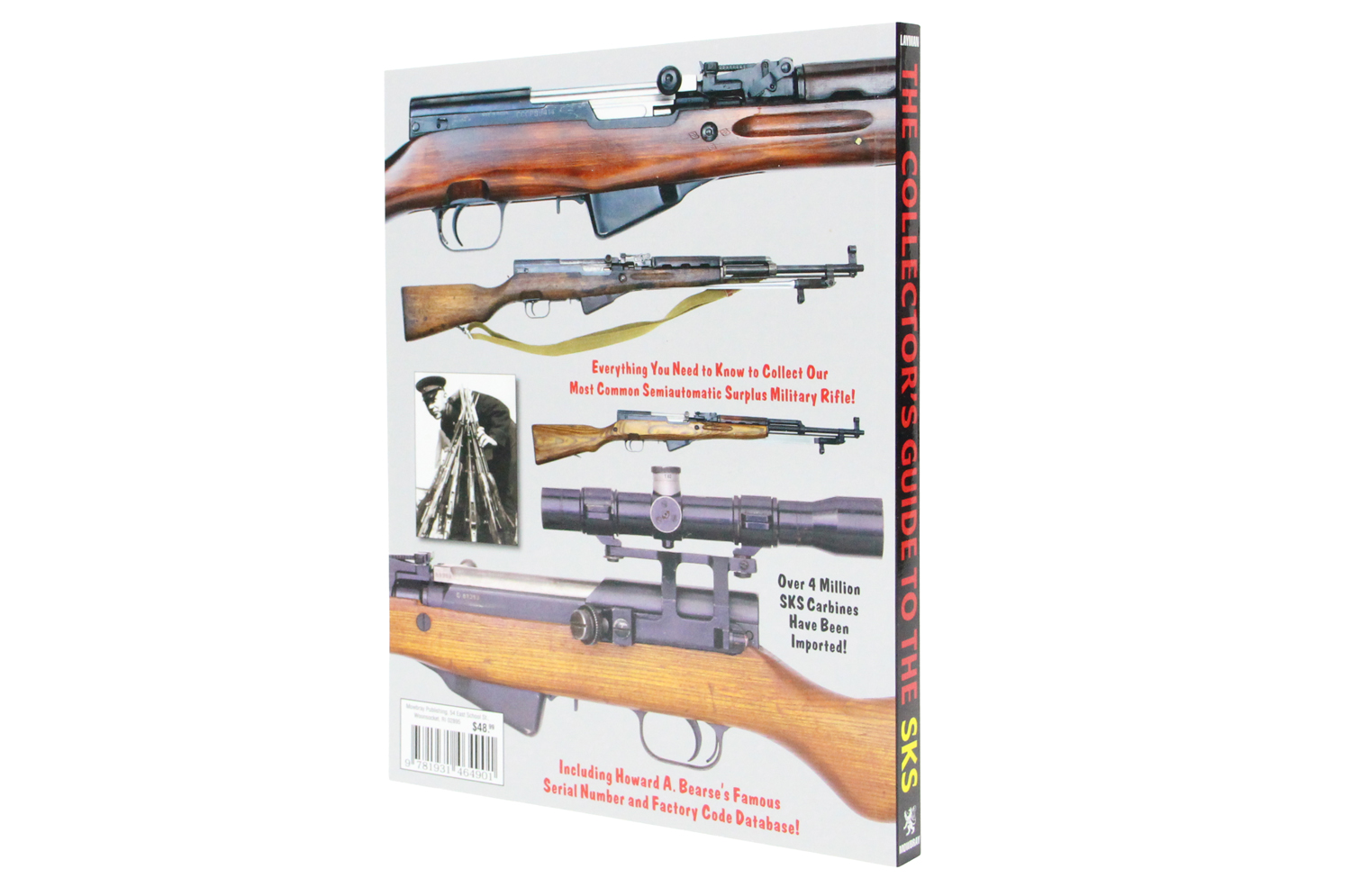
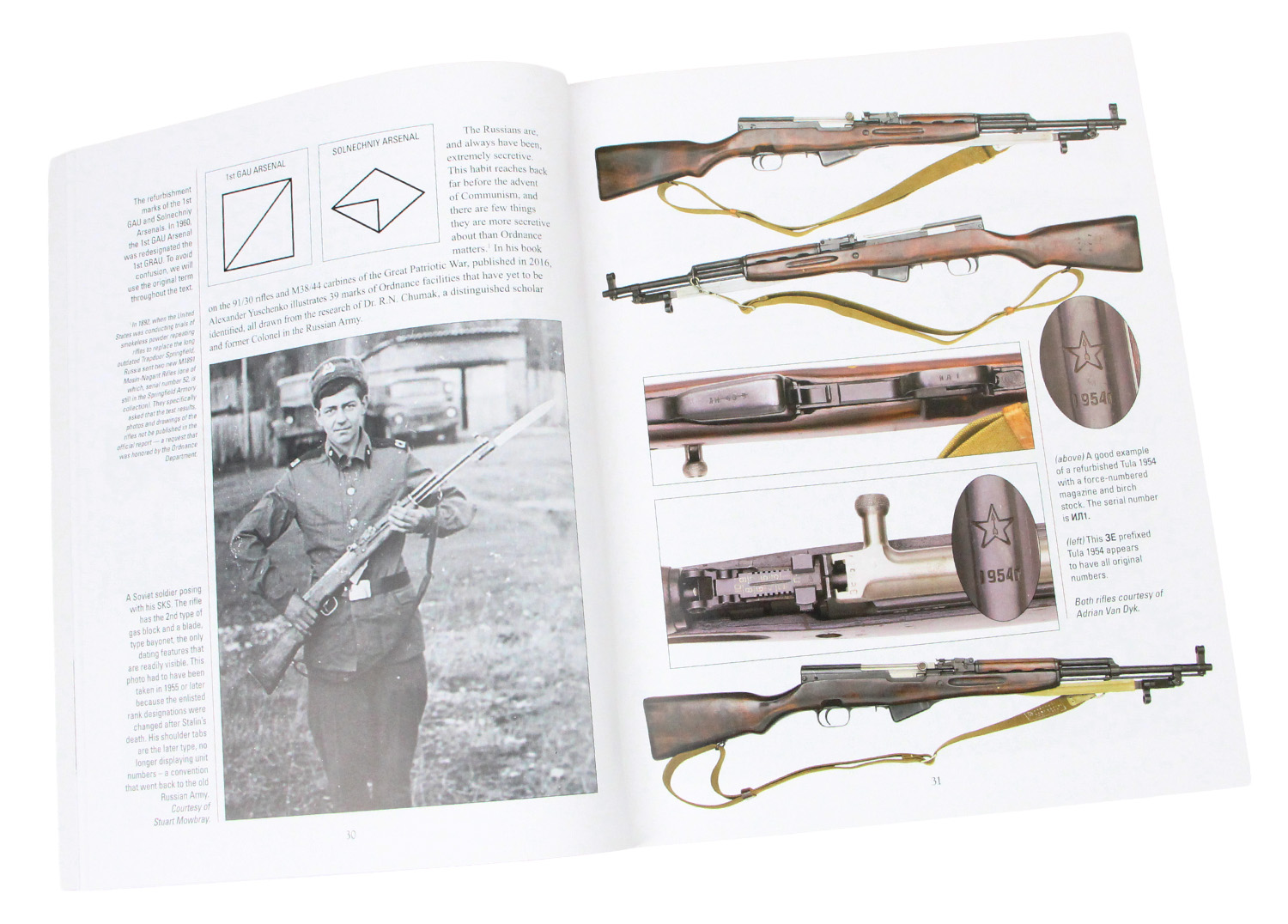
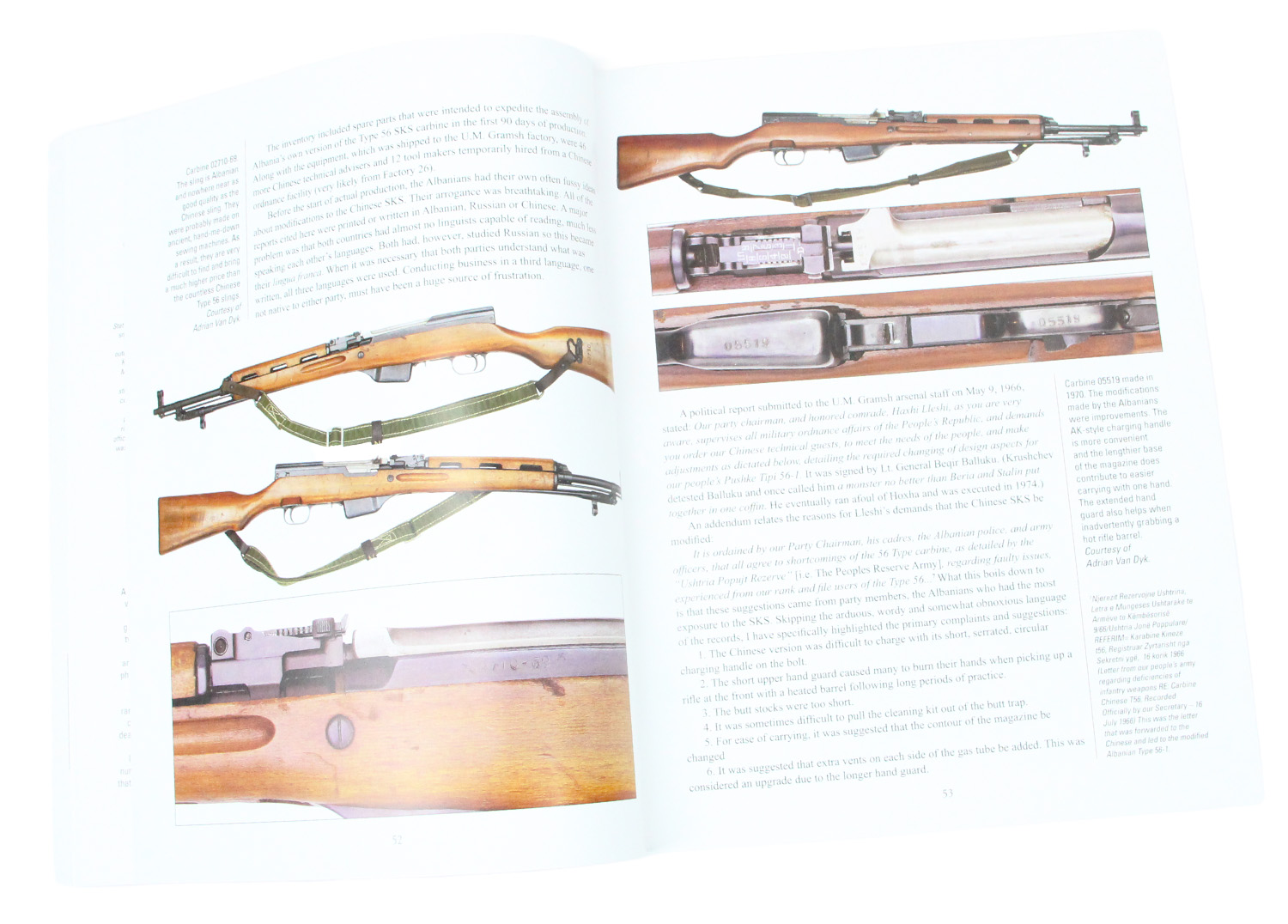
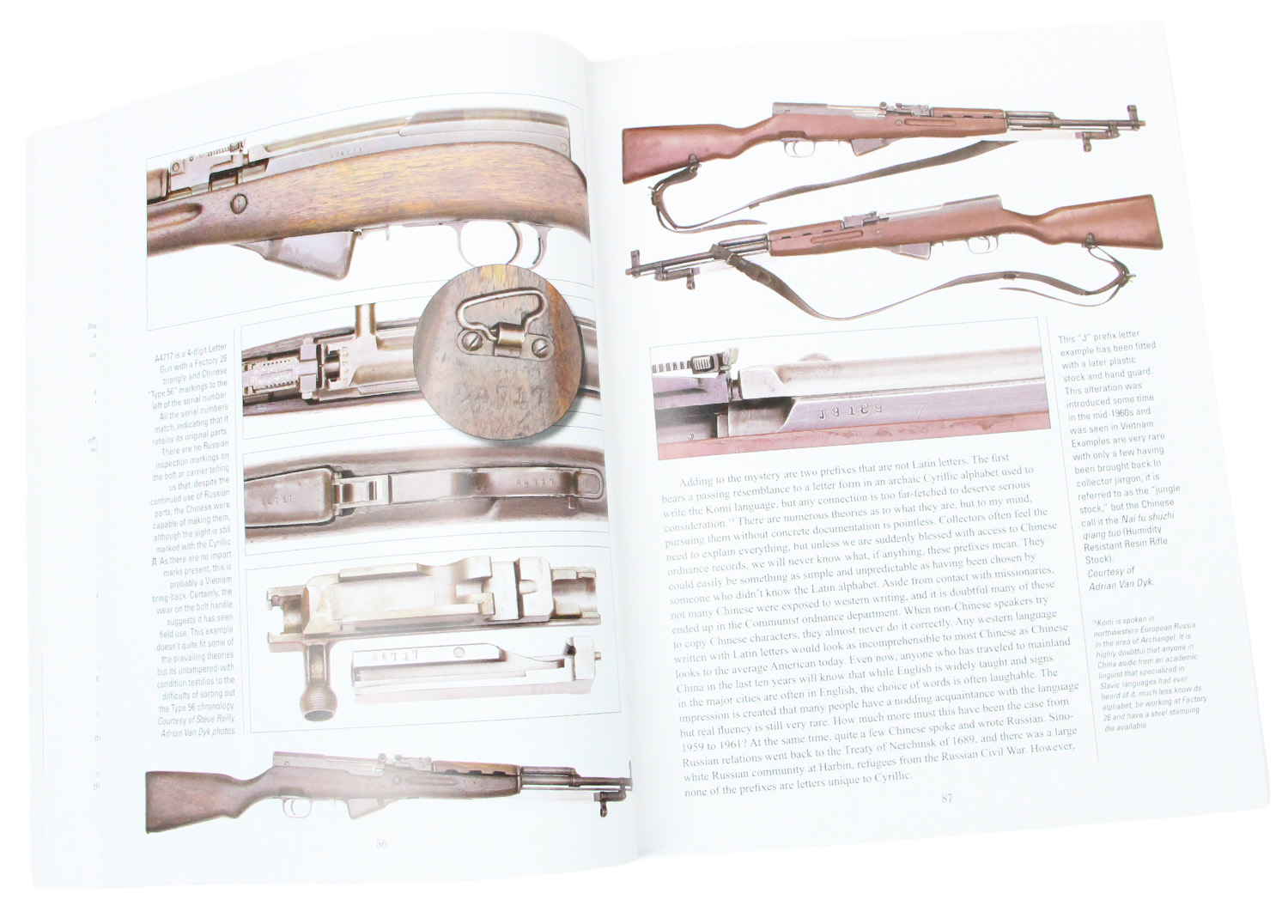
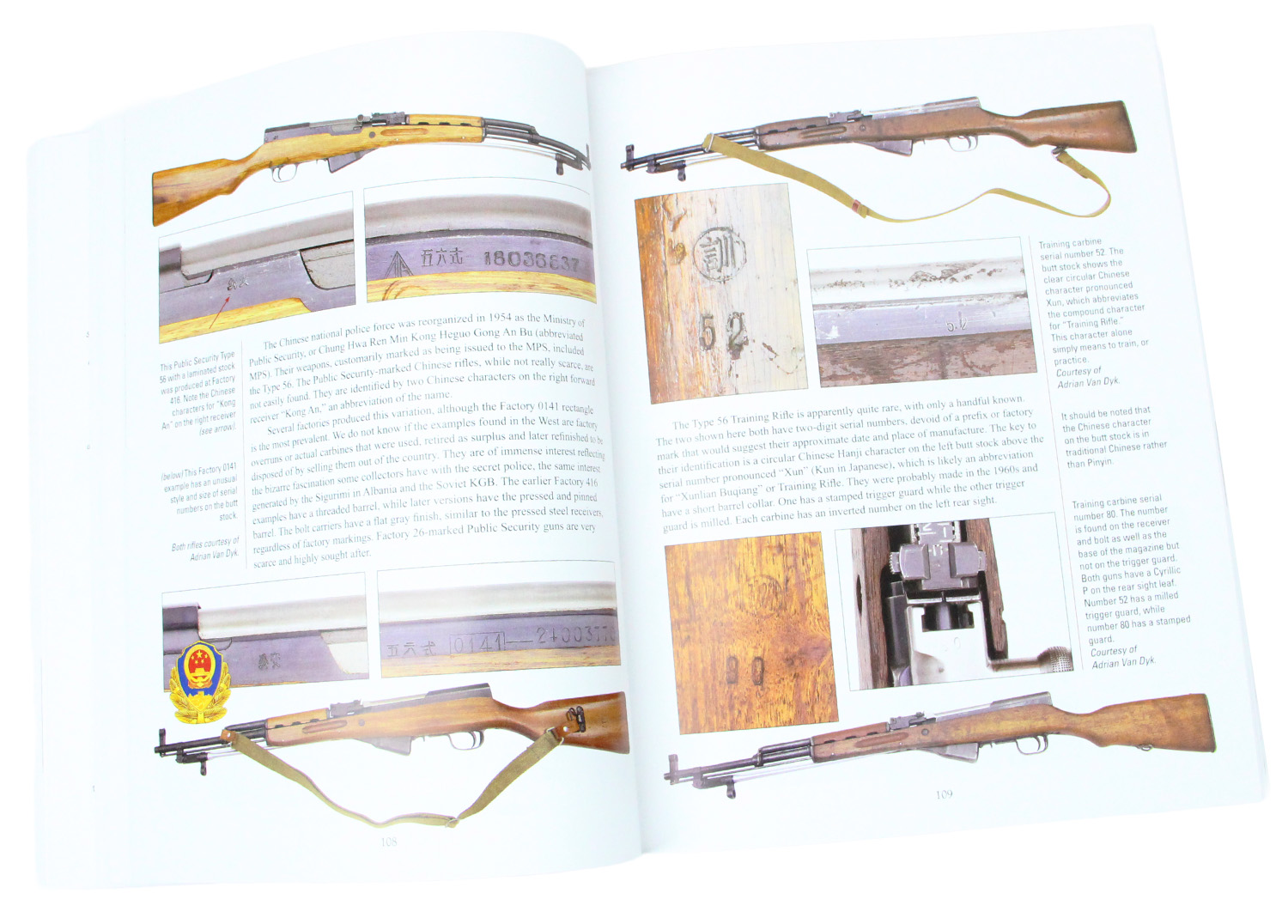
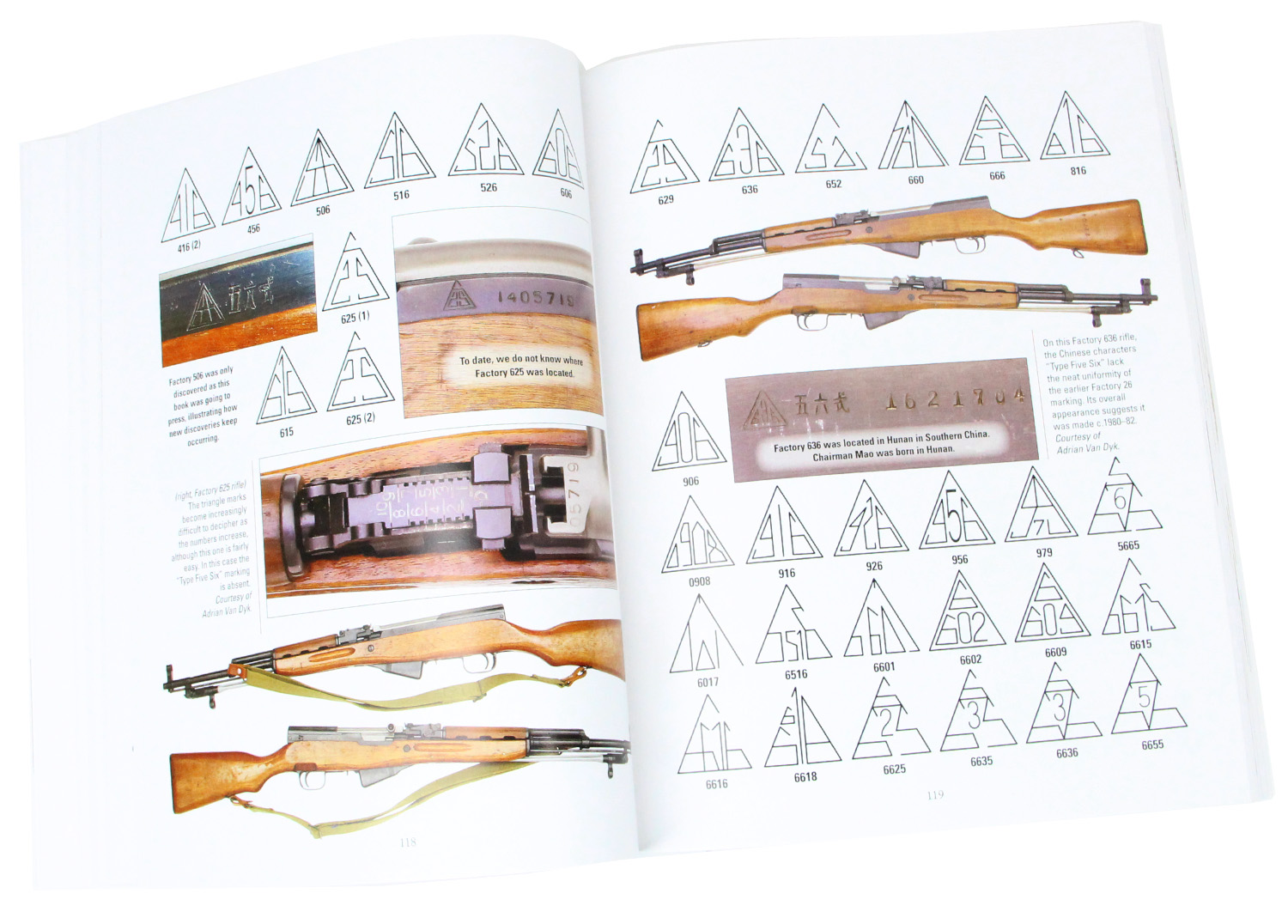

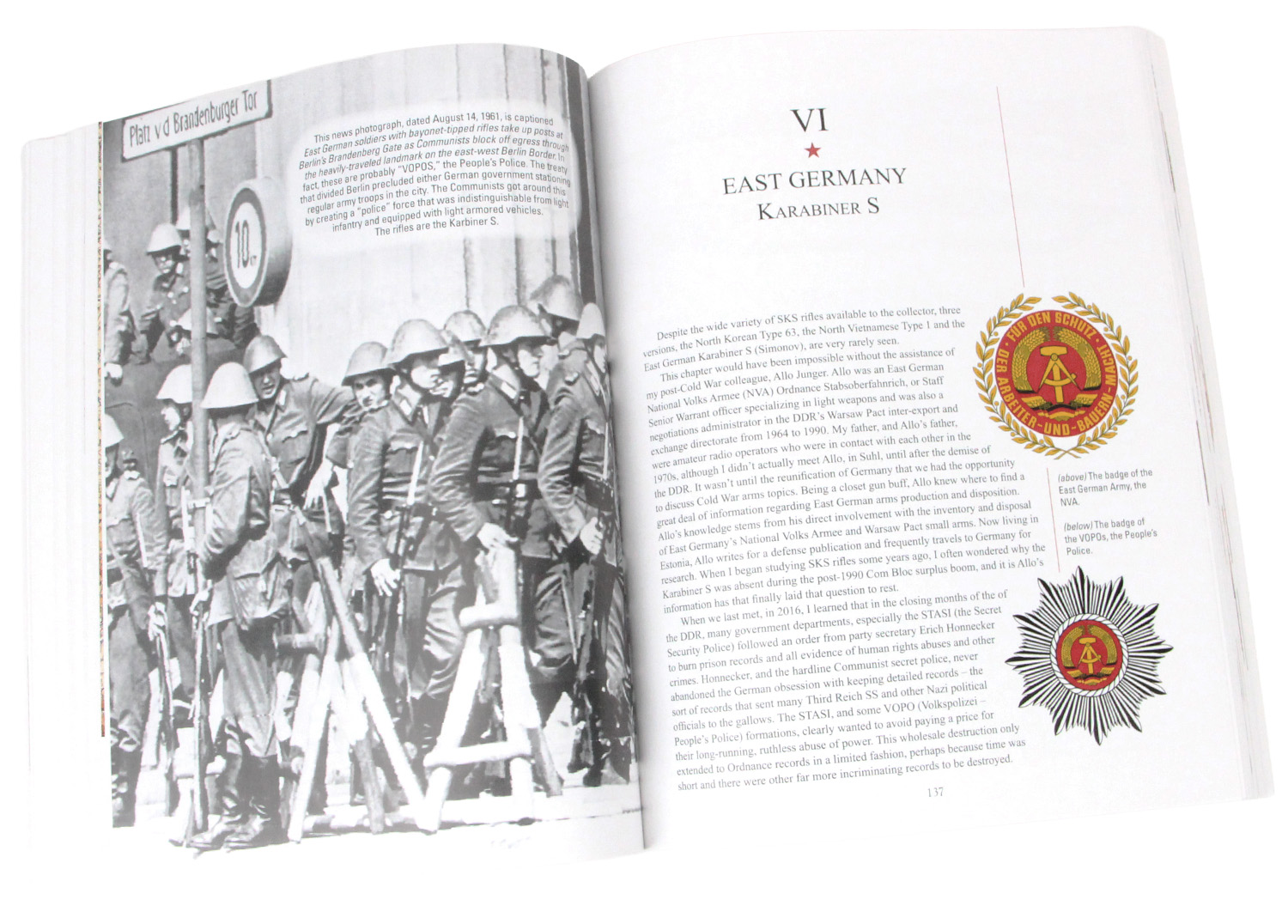
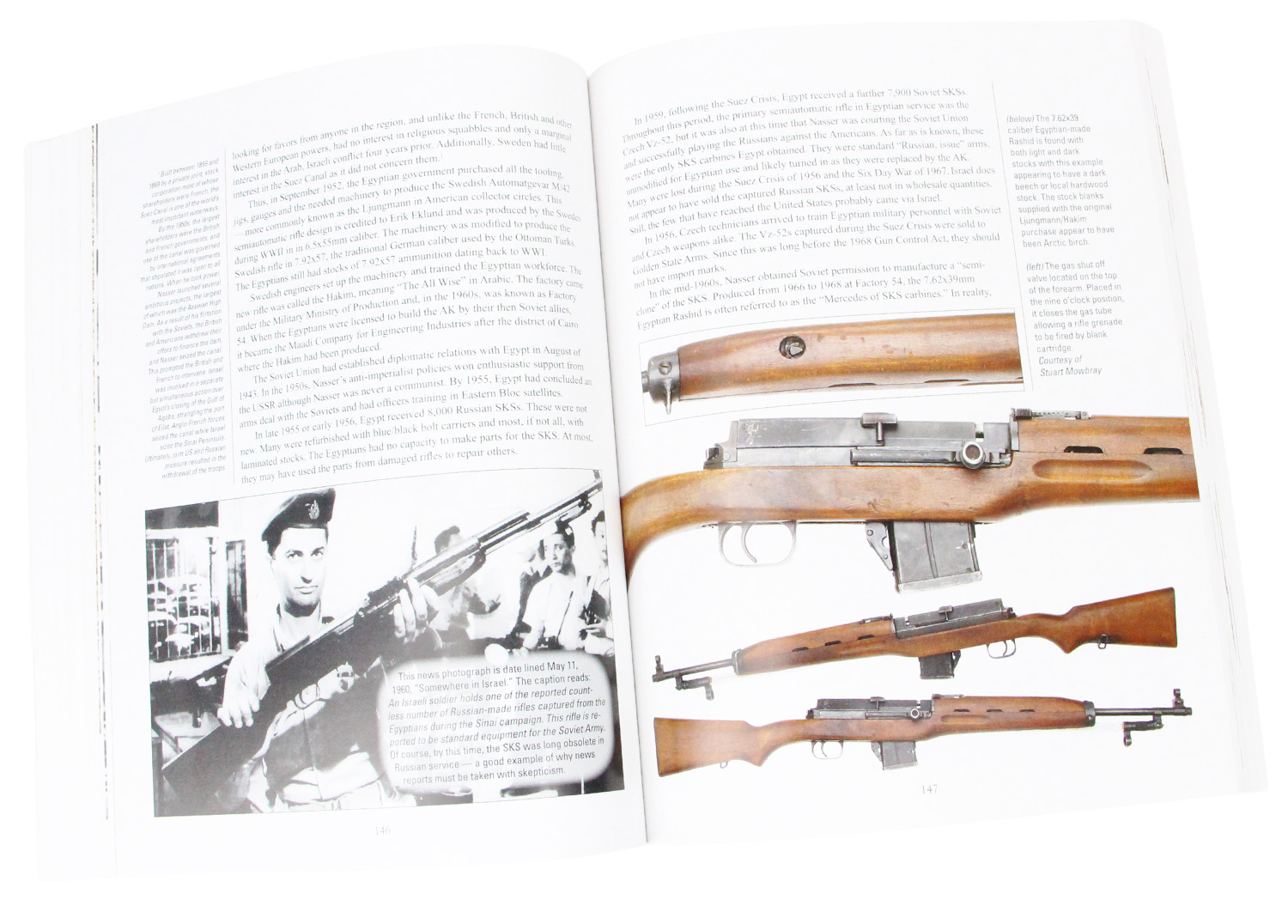
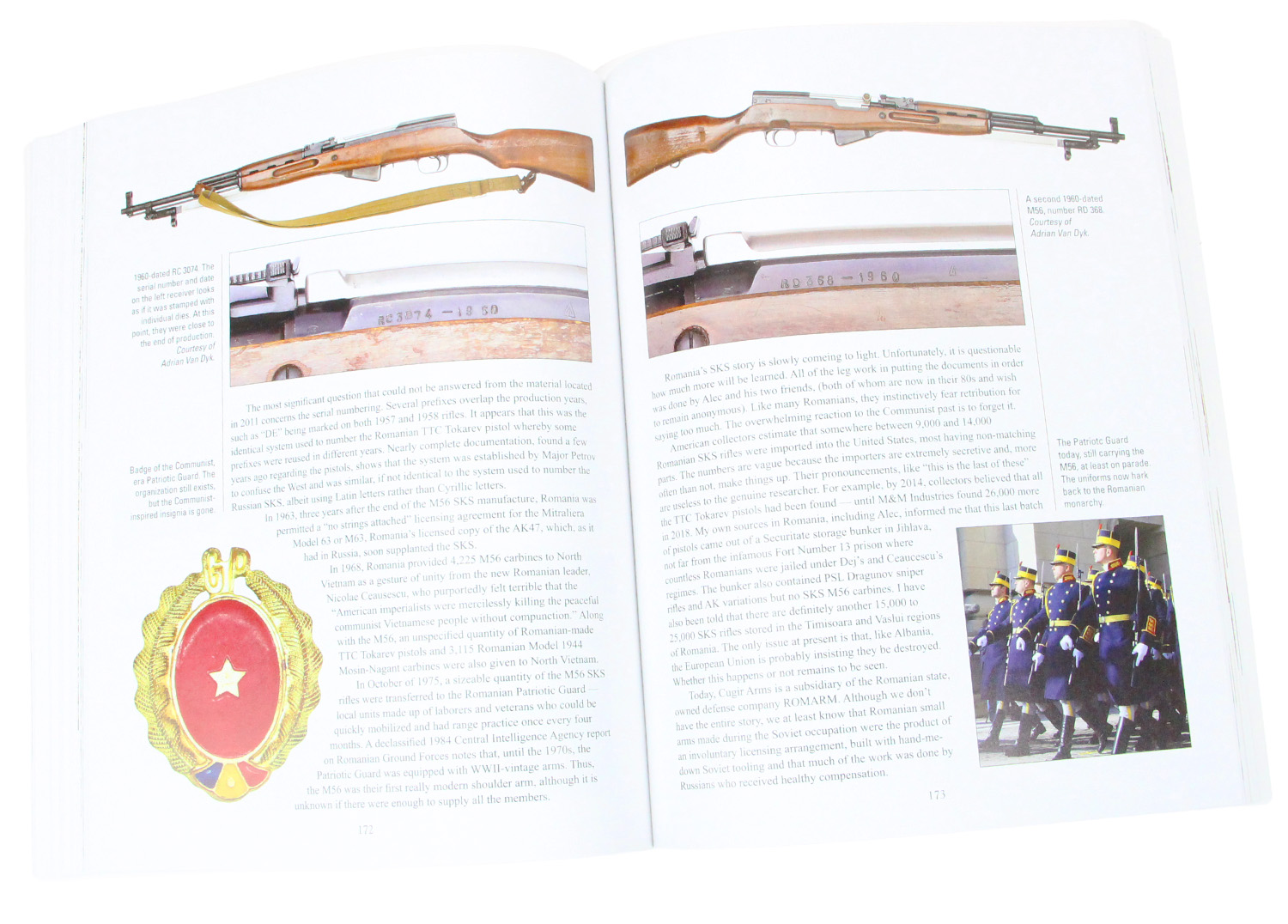
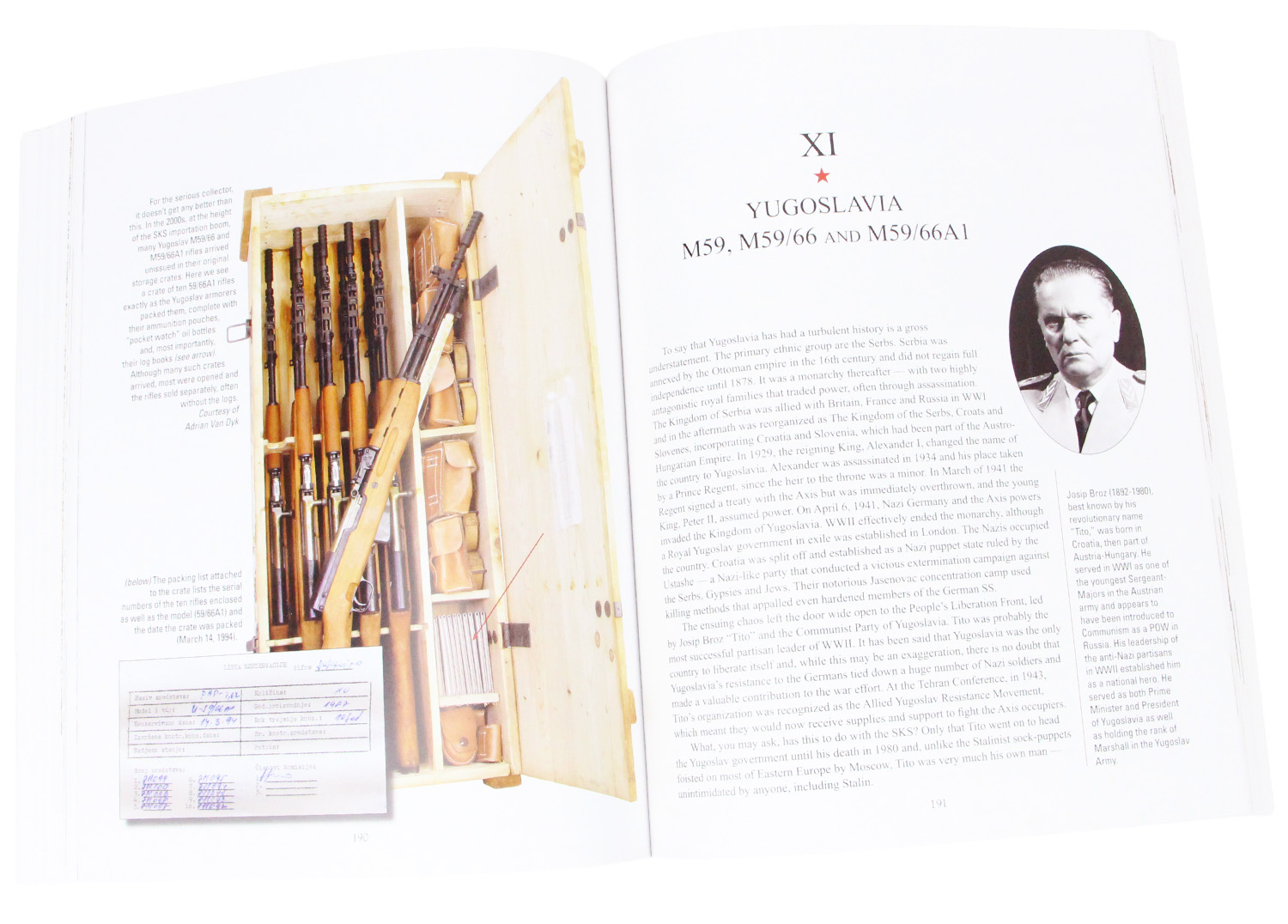
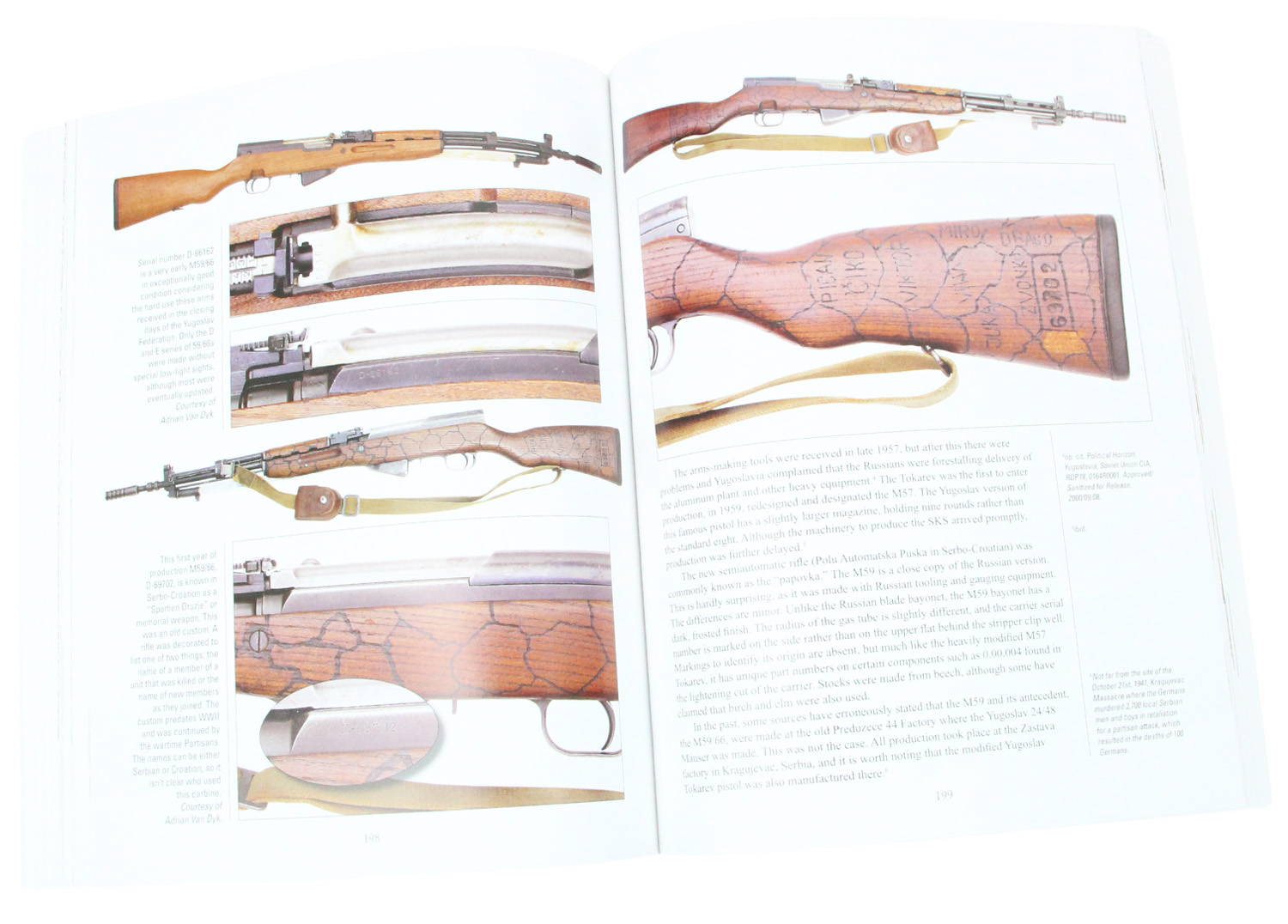
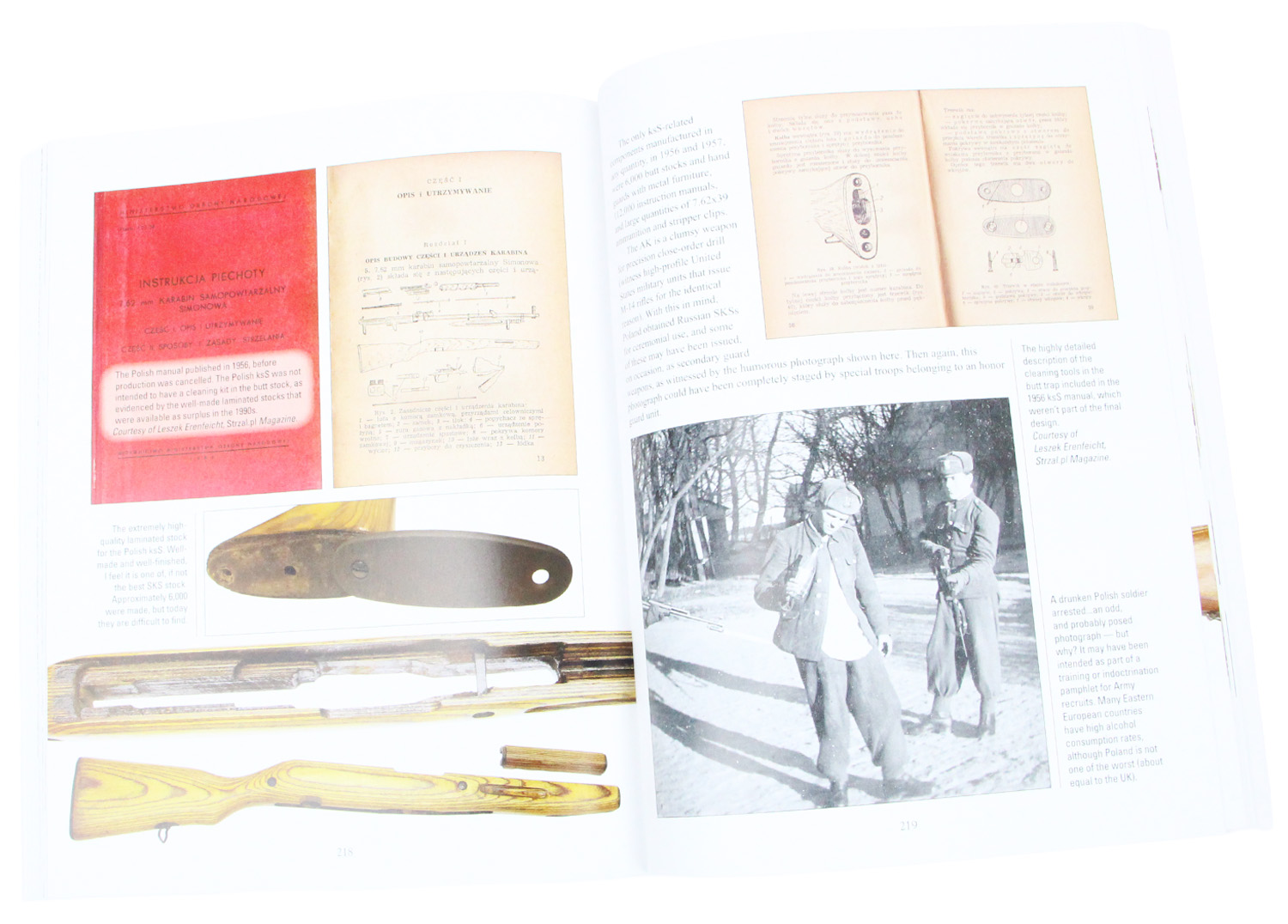
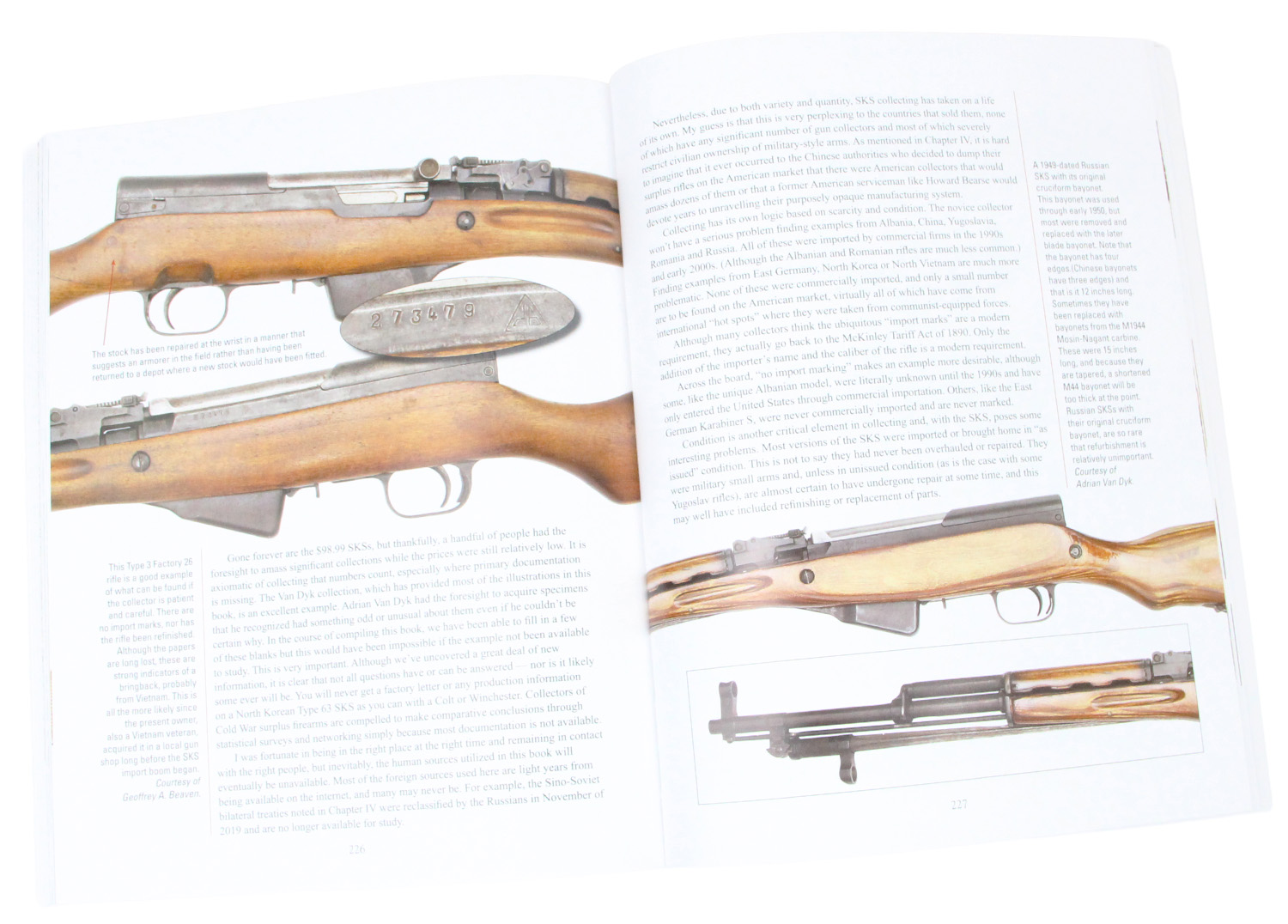
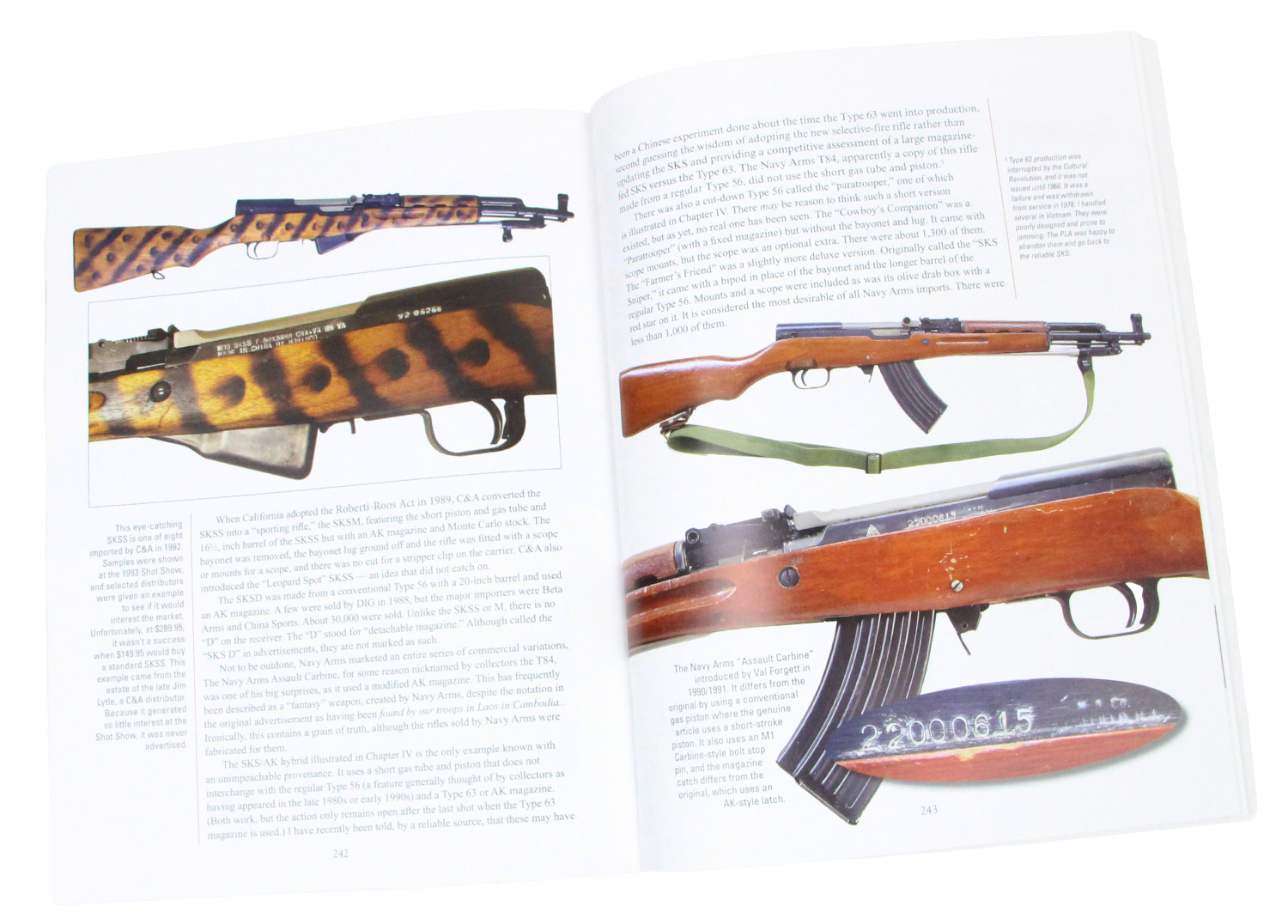
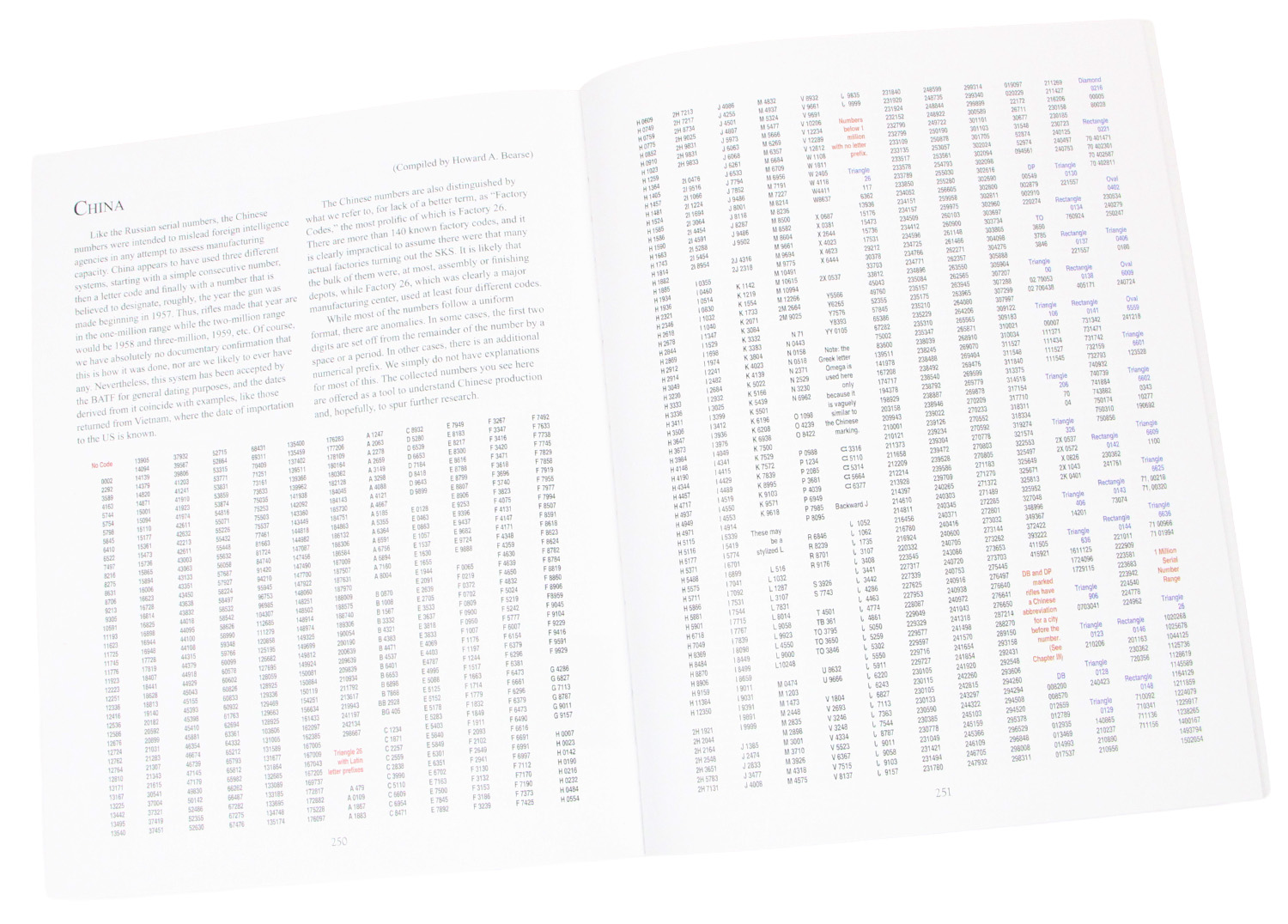
Above images: Photos of The Collector's Guide to the SKS, exactly like the book the buyer will receive.
All original photos and text Copyright © 2026 by Phil Steinschneider and Cool F/X™