|
Su embroidery
is one of the four famous Chinese embroideries, and
is mainly produced in Suzhou City of Jiangsu
Province in east China. Su is the shortened form of
Suzhou, a city of with moderate climate, which has a
prosperous industry of sericiculture and hence
highly-developed technics of embroidery.
Su embroidery has a history of about 2,000 years,
originating in the Three Kingdoms Period (220-280).
According to historical records, Su embroidery
became so popular during the Ming Dynasty
(1368-1644) that people even named lanes with names
associated with silk and its embroidery. Nearly
every family raised silkworms and embroidered. Su
embroidery reached its peak during the Qing Dynasty
(1644-1911), and Suzhou was named the Embroidery
City at that time.
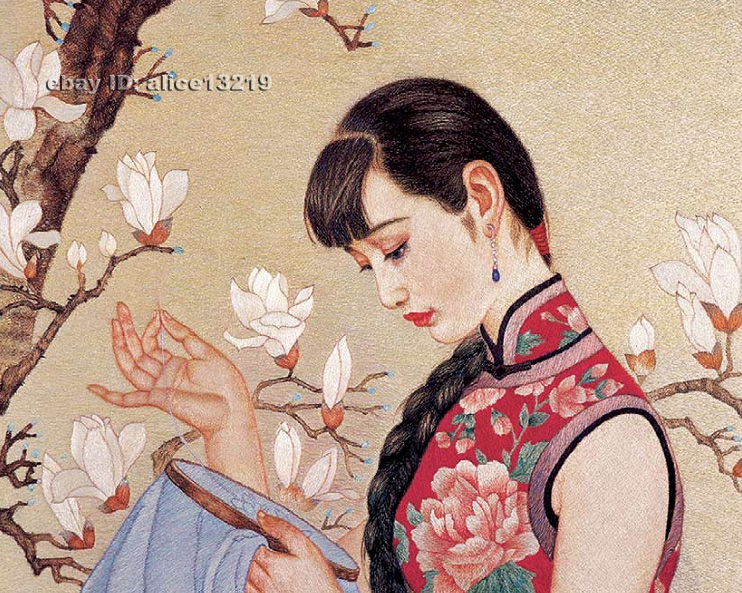
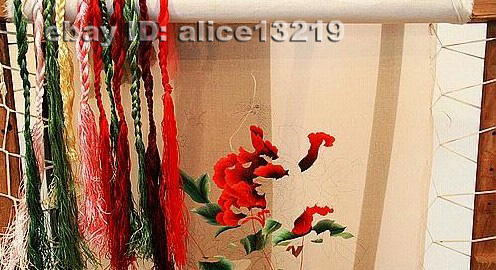
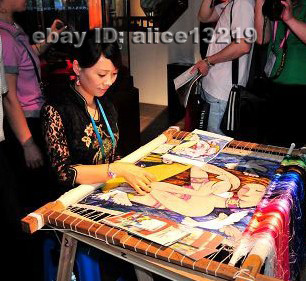
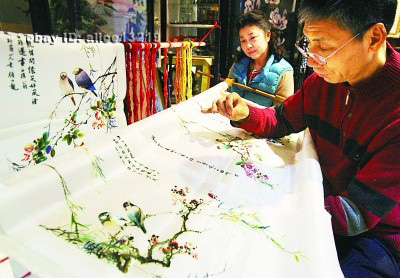
Su embroidery is known for its delicacy and
elegance. It has a wide range of themes. Its
techniques include both single faced embroidery and
unique double-faced embroidery that looks the same
from either side. Double-sided embroidery has the
same pattern on both sides and uses the same
embroidering method that does not show the joins in
the stitches. Basic features of Su embroidery are
simple composition, clear theme, vivid image, and
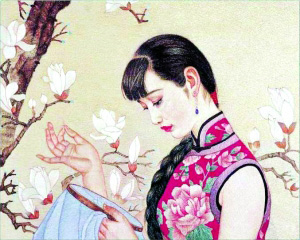
gentle color. In recent times, Su embroidery design
has absorbed some western painting techniques.
The design is
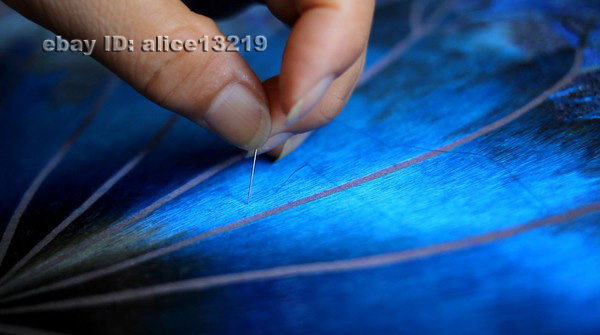
usually very simple, high lighting a main theme. Its
stitching is smooth, dense, thin, neat, even,
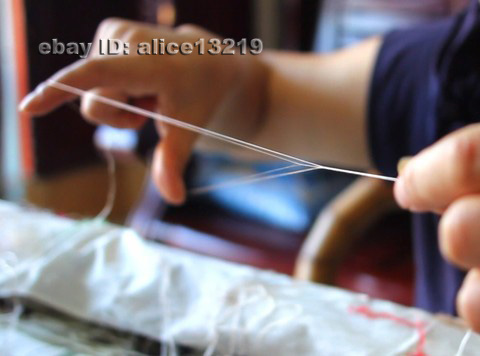
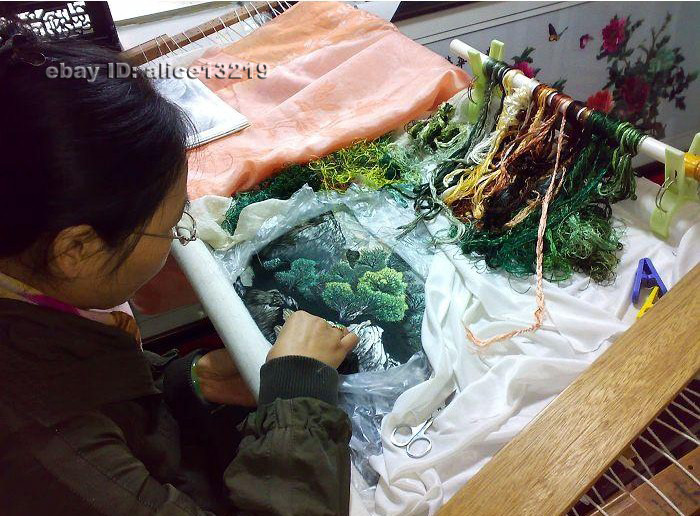
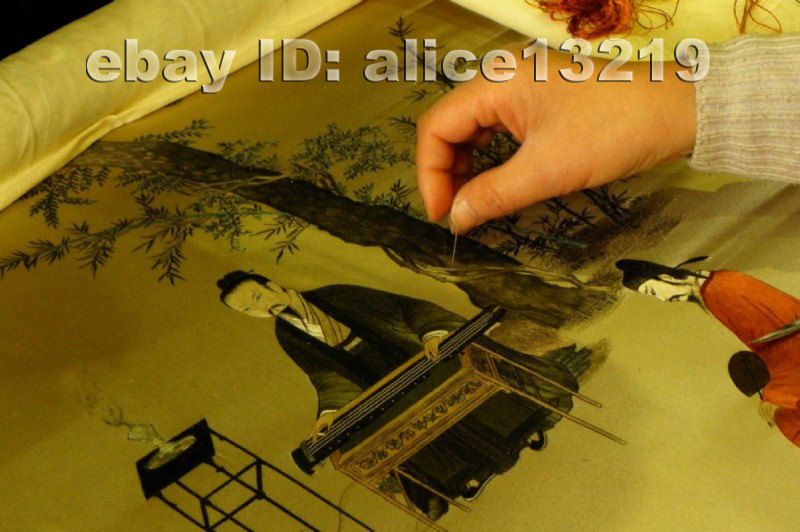
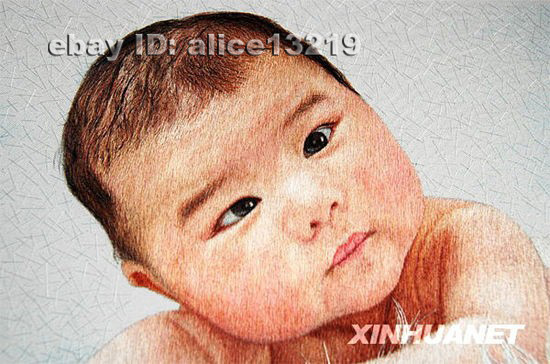
delicate and harmonious, etc. The thin thread is
divided into up to 48 strands that are barely
visible to the naked eye. In terms of categories, Su
embroidery has stage costumes, embroidery fabrics
and hanging screens, etc. Su embroidery products
were sent to participate in the Panama World Fair in
1915. Since then, the style has become increasingly
famous throughout the world.
In the long
history of its development, Su Embroidery has
gradually acquired its unique art style of pretty
design, harmonious color, sprightly lines, lively
needlework and fine workmanship. The embroidery
skill is featured with flatness, tidiness, harmony,
colorfulness, smoothness and evenness. "Flatness"
refers to the flat surface of the embroidery;
"tidiness" refers to the neat edge of the patterns;
"thinness" refers to the fine thread which can be
split into its one tenth, one twentieth and even one
thirtieth; "thickness" refers to the close
arrangement of the lines, leaving no sign of the
stitches; "harmony", means the coordination of
colors; and "colorfullness" represents the splendid
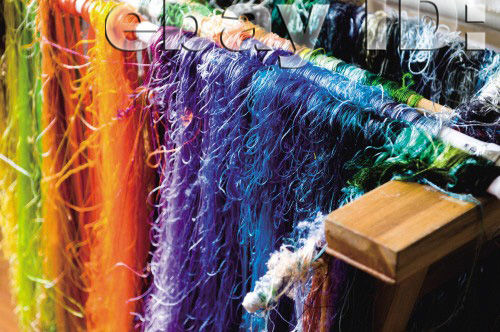
colors. There are over one thousand varieties of
thread colors, and each color is further classified
into more than ten types from lightness to darkness.
Sometimes a product will use as many as one or two
hundred colors. "Smoothness" shows that the trace of
the threads moves freely and smoothly, while
"evenness" means that the lines are fairly
consistent, whether loose or dense.
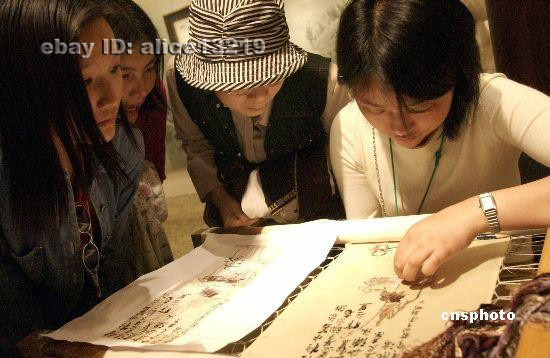
Su Embroidery
was listed among the first batch of national
intangible cultural heritages in 2006. Su Embroidery
artists have been making unremitting efforts to
carry forward, protect and develop Su Embroidery,
inputting modern elements into it by incorporating
new techniques. With the ability to recreate
pictures of all genres and styles in the western and
eastern paintings and photography, Su Embroidery is
now endowed with more fashion and modernity. |