
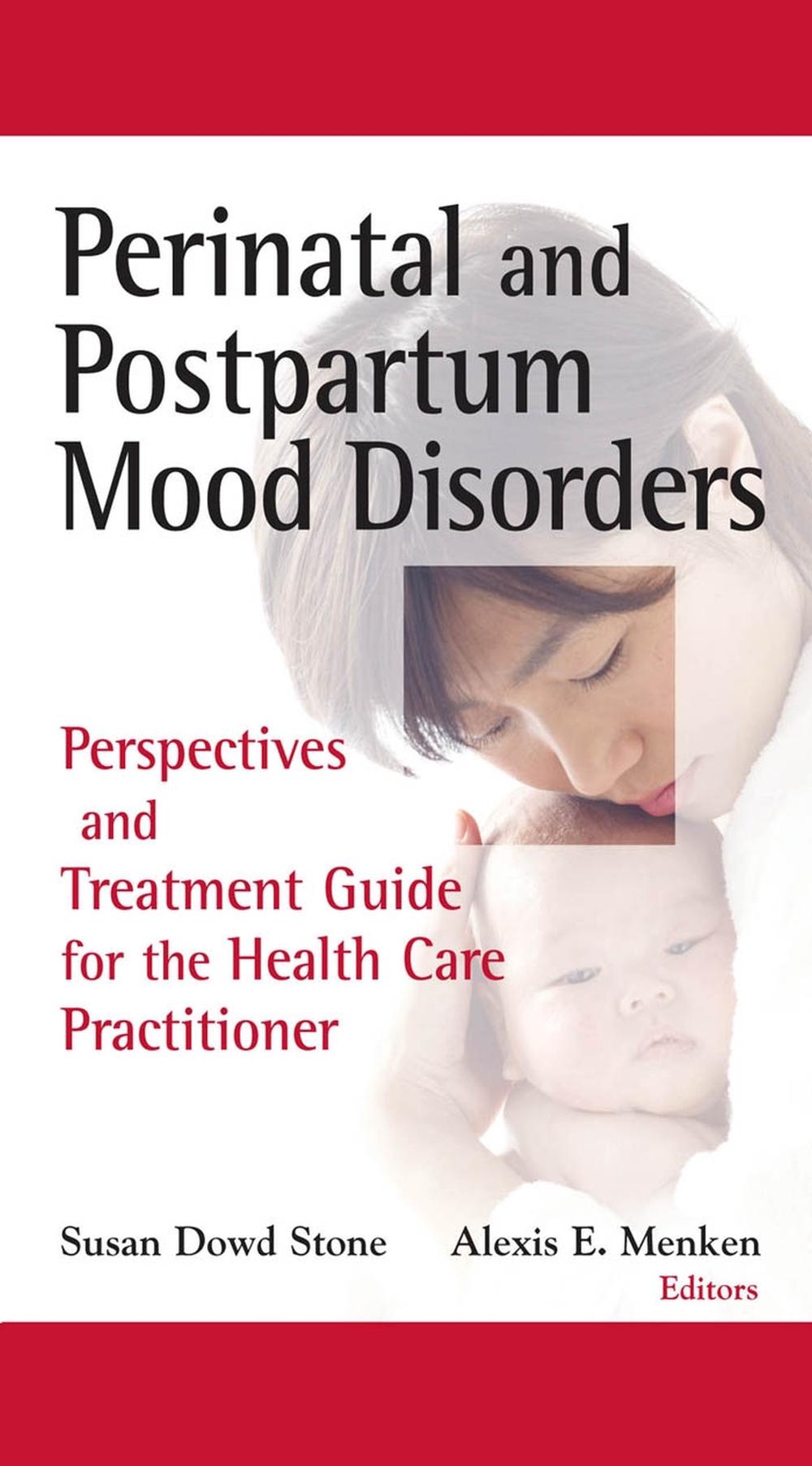
Perinatal and Postpartum Mood Disorders
by Susan Dowd Stone, Alexis E. Menken
Pregnancy related mood disorders have become the focus of healthcare advocates and legislators alike with subsequent reflection in nationwide media. This book is suitable for healthcare professionals, mental health professionals, and medical, nursing, psychology, and social work students who confront this problem in their practices.
Hardcover
English
Brand New
Publisher Description
As a psychotherapist and educator of future mental health practitioners, I believe this work fills an important gap in reference books for professionals who care for childbearing women. Since the volume provides invaluable neurobiological research on depression and anxiety, I recommend this work to all health and mental health professionals."--Illness, Crisis and LossOver the past three years, pregnancy related mood disorders have become the focus of health care advocates and legislators alike with subsequent reflection in nationwide media. Statistics on the prevalence of perinatal mood disorders suggest that up to 20% of women experience diagnosable pregnancy related mood disorders. The growing recognition of these common disorders, coupled with an increasing knowledge base about the dire consequences of untreated maternal depression, has propelled this issue to the fore of national public health priorities.This increasing awareness has also resulted in recent legislative and healthcare initiatives to screen, assess, and treat such disorders. On April 13, 2006, Governor Jon S. Corzine (D -NJ) signed a law requiring all new mothers to be educated and screened for postpartum depression. This law is the first of its kind in the country, but many states and federal advocates are proposing similar laws. The motivation for states and the federal government to adopt education and screening program is high and may soon be a federal mandate. But a major barrier to successful implementation of such programs is the lack of available resources to train healthcare professionals in this specialty.This book offers a major resource for healthcare professionals, mental health professionals, and medical, nursing, psychology, and social work students who will be confronting this problem in their practices. The contributions, by renowned experts, fill a glaring gap in the knowledge professionals need in order to successfully manage maternal mental health.
Table of Contents
ContributorsForeword, Ian Brockington, PhD, FRCPsychIntroductionAcknowledgmentsSection I: The Importance of Maternal Mental HealthThe Effects of Maternal Stress, Anxiety and Depression During Pregnancy on the Neurodevelopment of the Child, Vivette Glover, Kristin Bergman, and Thomas G. O'ConnorMaternal Attachment and Bonding Disorders, Ian BrockingtonEffects of Maternal Postpartum Depression on the Infant and Older Siblings, Julia Chase-BrandPerinatal Mood Disorders: An Introduction, Shaila Misri and Karen JoeSection II: Perspectives on Risk Factors, Screening, and DiagnosisDiagnosis and Screening of Perinatal Mood Disorders, Linda KlempnerOmega-3s, Exercise, and St. John's Wort: Three Complementary and Alternative Treatments for Postpartum Depression, Kathleen Kendall-TackettStress System Dysregulation in Perinatal Mood Disorders, Sandra N. Jolley and Tricia SpachInfertility: Challenges and Complications in Pregnancy and Postpartum, Andrea Mechanick BravermanSection III: Professional PerspectivesPerinatal Mood Disorders: An Obstetrician's Perspective, Alexandra C. SpadolaThe Pediatrician's Role in Identifying Postpartum Mood Disorders, Mary Ann LoFrumentoThe Nurses' Vantage Point, Cheryl Tatano BeckMothers Who Suffer from Postpartum Illnesses and the Pitfalls of the Criminal Justice System, George ParnhamSection IV: Treatment Options for Perinatal Mood DisordersTo Medicate or Not: The Dilemma of Pregnancy and Psychiatric Illness, Catherine Birndorf and Alexandra SacksComorbid Presentations in Perinatal Mental Health: Dialectical Behavior Therapy as a Treatment Model, Susan Dowd StoneTreating Antepartum Depression: Interpersonal Psychotherapy, Margaret SpinelliA Psychodynamic Approach to Treatment for Postpartum Depression, Alexis E. MenkenHealth Literacy and Maternal Empowerment, Lisa Bernstein and Eve WeissThe Role of Social Support in Prevention, Intervention and Treatment of Perinatal Mood Disorders, Jane Israel HonikmanIndex
Long Description
Over the past three years, pregnancy related mood disorders have become the focus of healthcare advocates and legislators alike with subsequent reflection in nationwide media. Statistics on the prevalence of perinatal mood disorders suggest that up to 20 per cent of women experience diagnosable pregnancy related mood disorders. Coupled with an increasing knowledge base about the dire consequences of untreated maternal depression, has propelled this issue to the fore of national public health priorities. This book offers a major resource for healthcare professionals, mental health professionals, and medical, nursing, psychology, and social work students who will be confronting this problem in their practices. The contributions, by renowned experts, fill a glaring gap in the knowledge professionals need in order to successfully manage maternal mental health.
Details
