*Same Day Delivery from AU.
*Trusted Aussie Seller. Local Warehouse Warranty.
*Local Pick up available Mon.-Fri. 9:00am to 4:00pm*
Description:
- The transfer case transfers power from the transmission to the front and rear axles by means of drive shafts
- Direct replacement of old, overworked, broken, deformed transfer case.
Fitment:
For Mazda CX-9 AWD (All Wheel Drive) 2007-2015
For Mazda CX-9 Grand Touring V6 3.7L Sport Utility 2008-2015
For Mazda CX-9 Touring V6 3.7L Sport Utility 2008-2015
For Mazda CX-9 Sport V6 3.7L Sport Utility 2008-2015
For Mazda CX-9 Touring Sport Grand Touring V6 3.5L Sport Utility 2007
For Mazda CX-9 AUTO, PETROL, 3.7, TB, 12/2007-12/2015
Part Number:
- AW21-27-500C, AW21-27-500D, AW21-27-500E
- AW21-27-500F,AW21-27-500G, AW21-27-500G-9U
- AW21-27-500H, AW21-27-500H-9U, AW21-27-500J
- AW21-27-500J-9U, AW21-27-500K, AW21-27-500K-9U
- AW21-27-500R-9U, AW21-27-500P-9U
Features:
- Condition: 100% Brand New
- Type: Transfer Case
- Tested For Reliability And Performance
Weight: 25 KGS
Transfer case oil:75W-90
- Direct Replacement
- Prevents Damage To Vehicle Components
- Strict Quality Control Standards
- Meet OE Standards
- Warranty:2 Years
Package:
- 1 Pcs x Transfer Case
Note:
- Instructions Are Not Included. Professional Installation is highly Recommended.
- Please double check the vehicle’s original part number before purchasing this part.
- If you are not sure if this is the correct part, please contact us with the vehicle’s 17 digit VIN. In most cases, we can usually determine which part is the correct one for your vehicle by performing a VIN search.
What are the Symptoms of a Bad Transfer Case?
HOW TO REPLACE AN AUTOMOTIVE TRANSFER CASE?
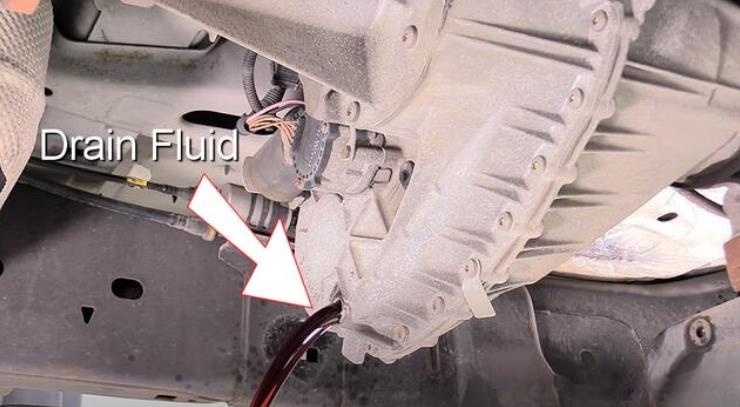
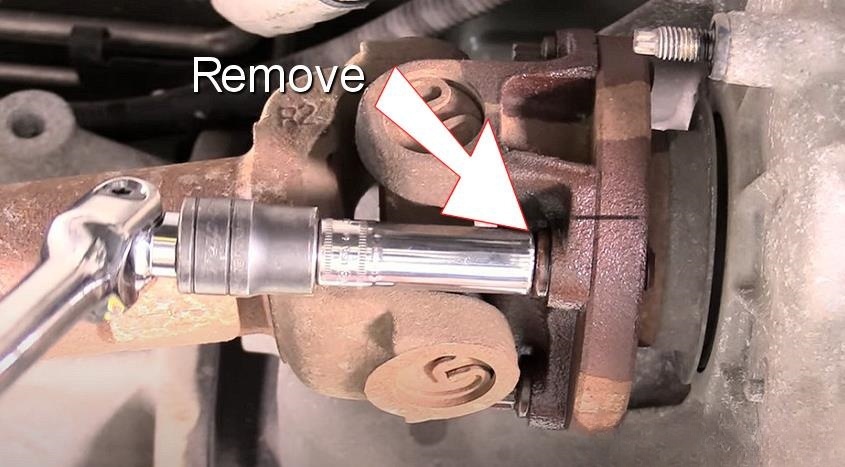
1. Drain Transfer Case
2. Remove Both Driveshafts
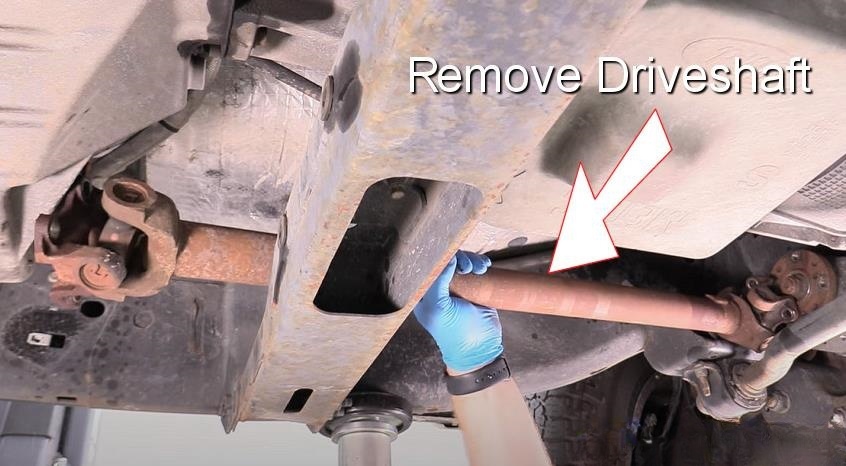
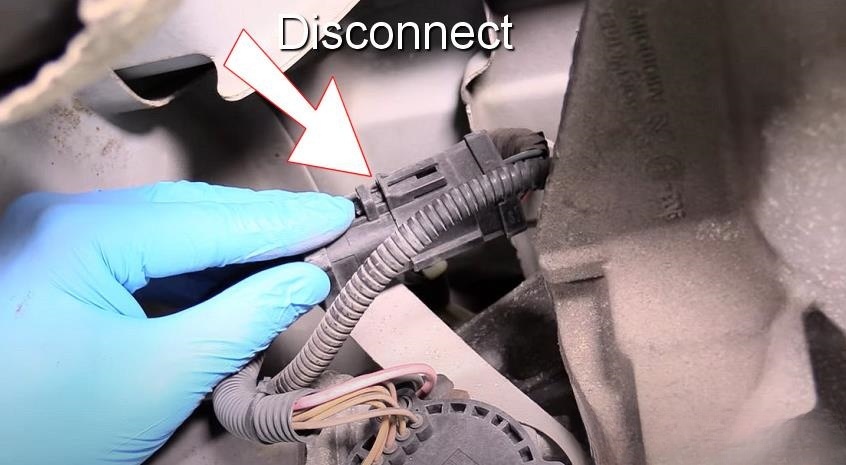
3. Disconnect Electrical Connectors
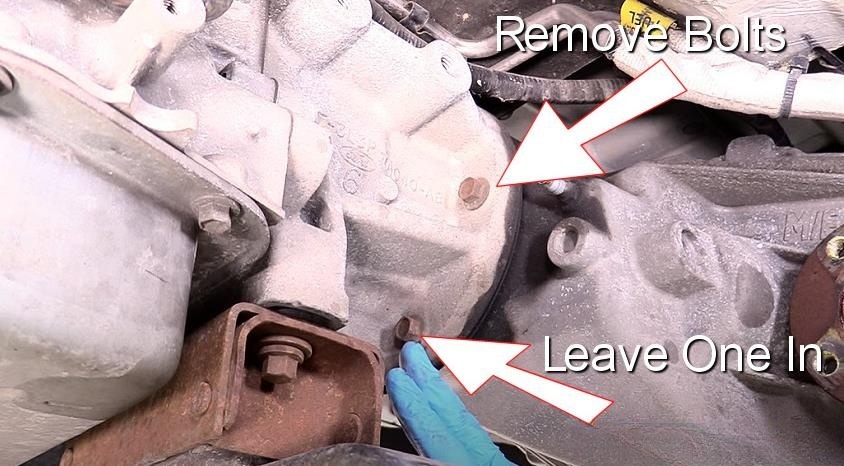
4. Remove Transfer Case Mounting Bolts
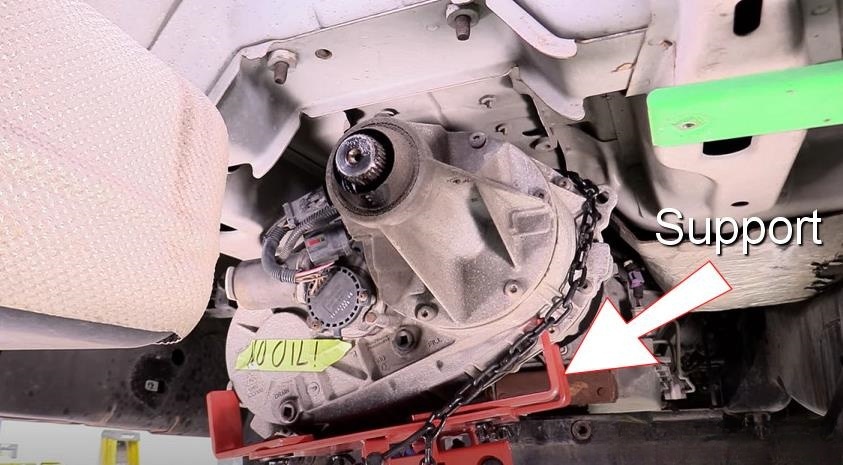
5. Support Transfer Case
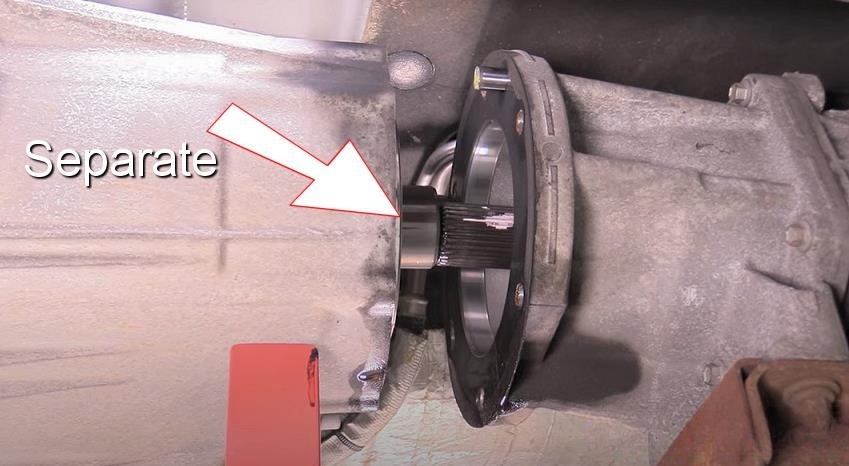
6. Remove Transfer Case
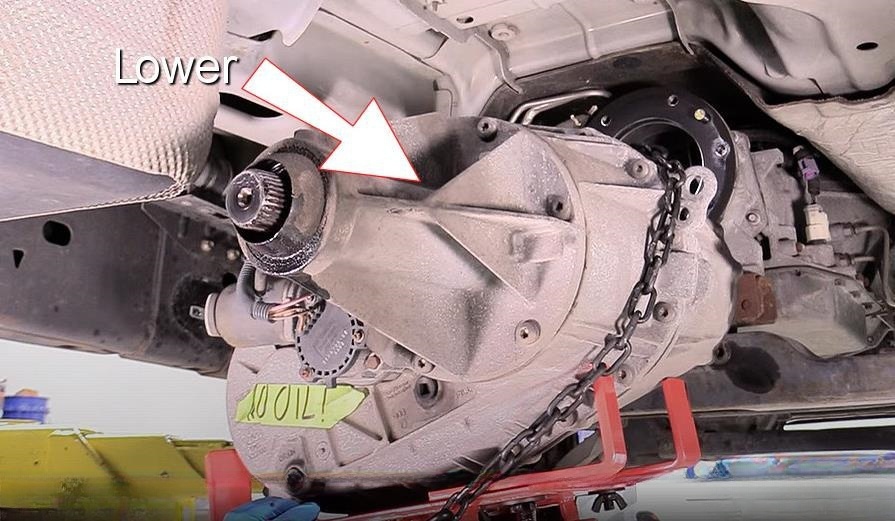
7. Lower Transfer Case
8. Installation