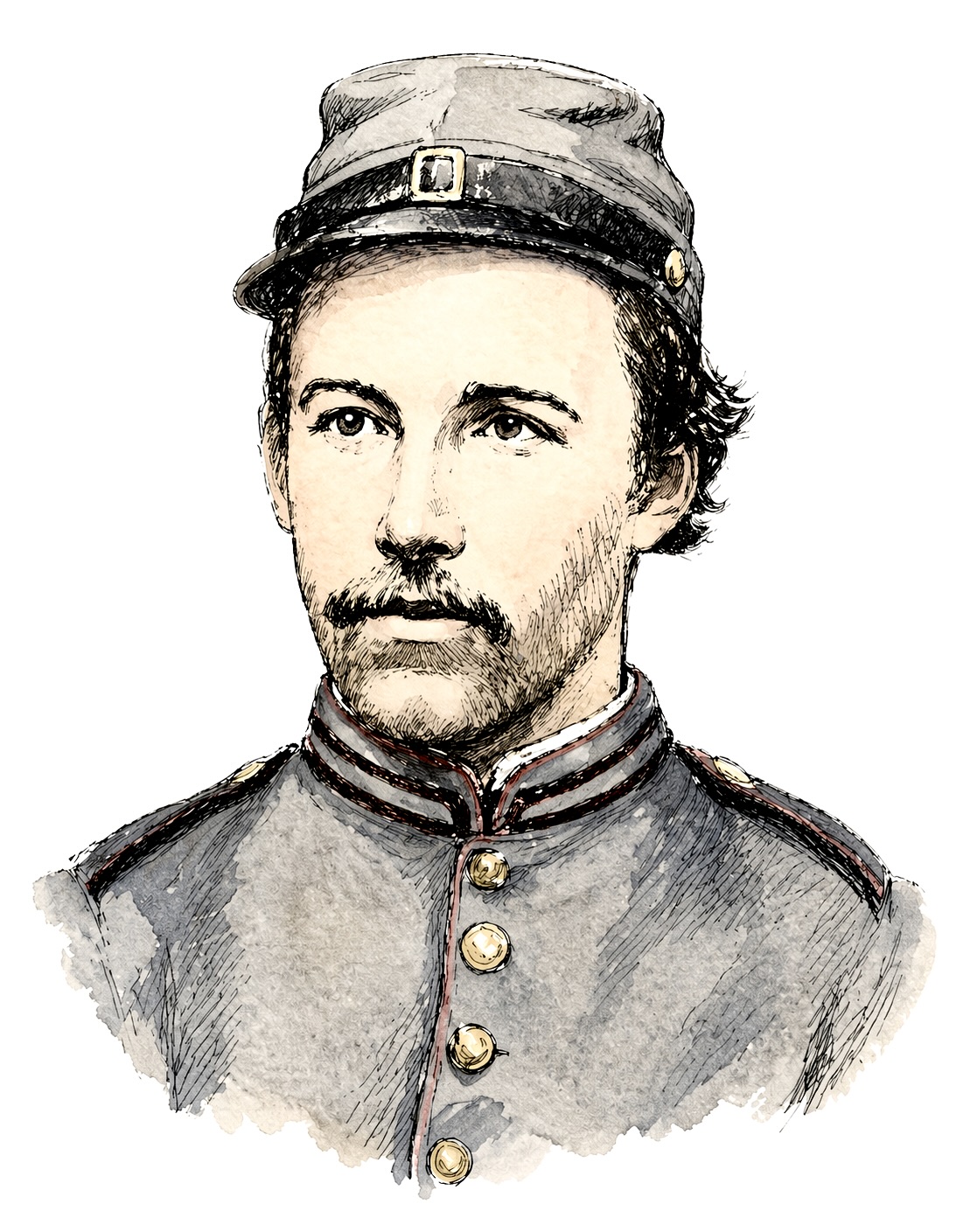
This Confederate Civil War letter was written by Sgt John West Shank while serving in the Confederate army with the Sumter Flying Artillery, a.k.a. the 11th Georgia Artillery.
Shank (1839-1875) had a younger brother, Pvt. William Baxter Shank (b. 1845). John and William were the sons of Felix Shank (1800-1874) and Mary Leverette of Wilkes county, Georgia. Their cousin was Pvt. Joseph (“Joe”) A. Shank (1843-1912), the son of George and Theresa Leverette of Wilkes county.
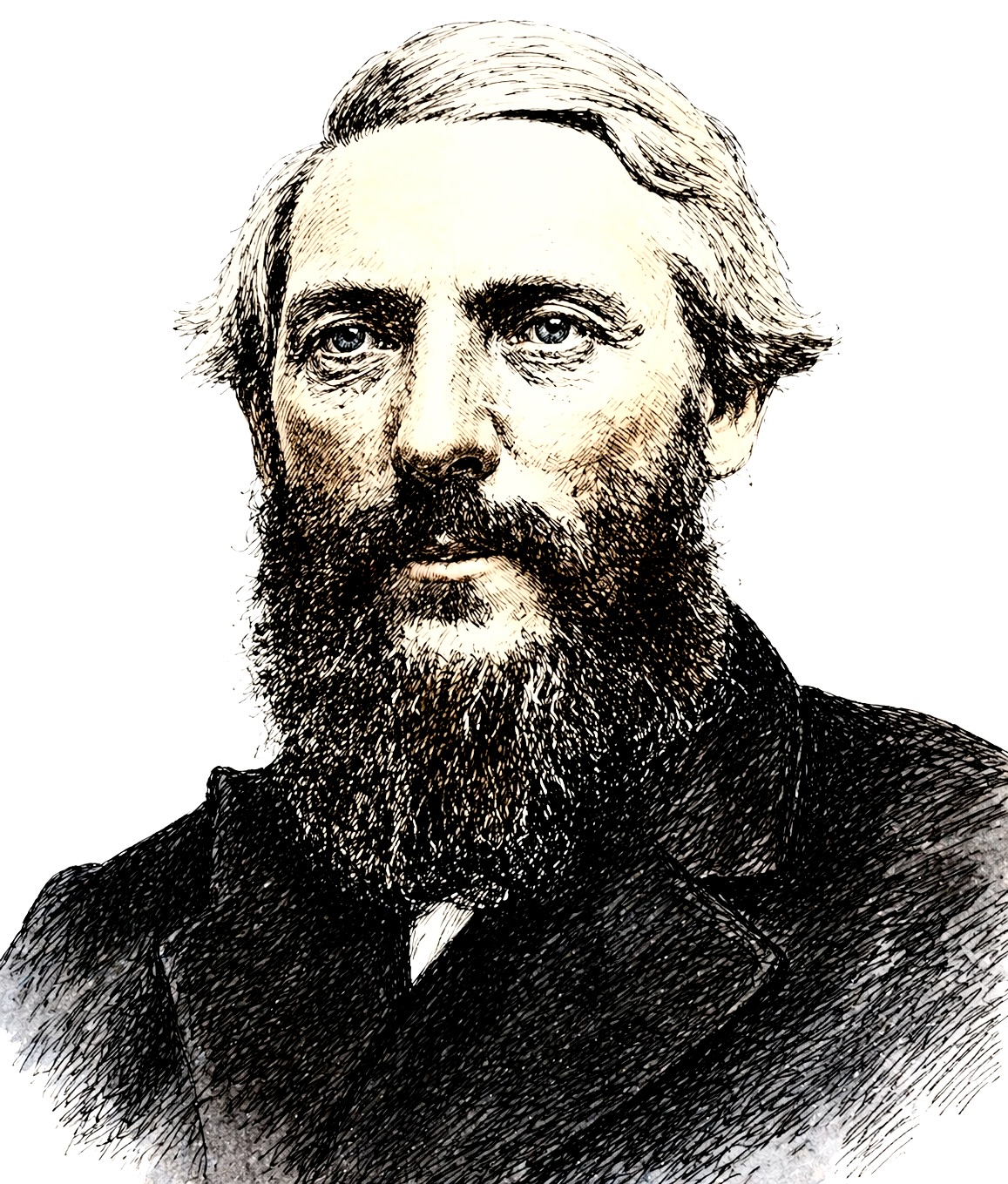
The letter was written to Col. Joseph Belknap (“J. B.”) Smith (1815-1898), the son of Joseph Nicholas Smith (1771-1857) and Polly Emerson (1784-1868) of Strafford county, New Hampshire. Joseph Belknap Smith (1802-1916) was a speculator and one of the founders of the Columbia Mining Company in eastern Georgia, not far from the Savannah river, where gold mining had been going on since the 1820s. By the 1850s, the mining operations required capital and equipment to extract the gold from veins deep in the ground. It also required steady labor for digging, hauling, and washing the ore—a labor that was supplied principally by slaves. The slaves were either owned outright by investors or hired from local slaveholders, of which there were many in the area. For example, Felix Shanks and his brother George owned 50 slaves between them, some of whom may have been hired by Smith seasonally. Smith’s operations at Columbia included a stamp mill and ore-processing machinery, producing as much as $2 million in gold before the Civil War (roughly 4 tons of gold). Records held in the Duke University Archives indicate that he employed about 120 enslaved laborers and processed 10 tons of ore per day.
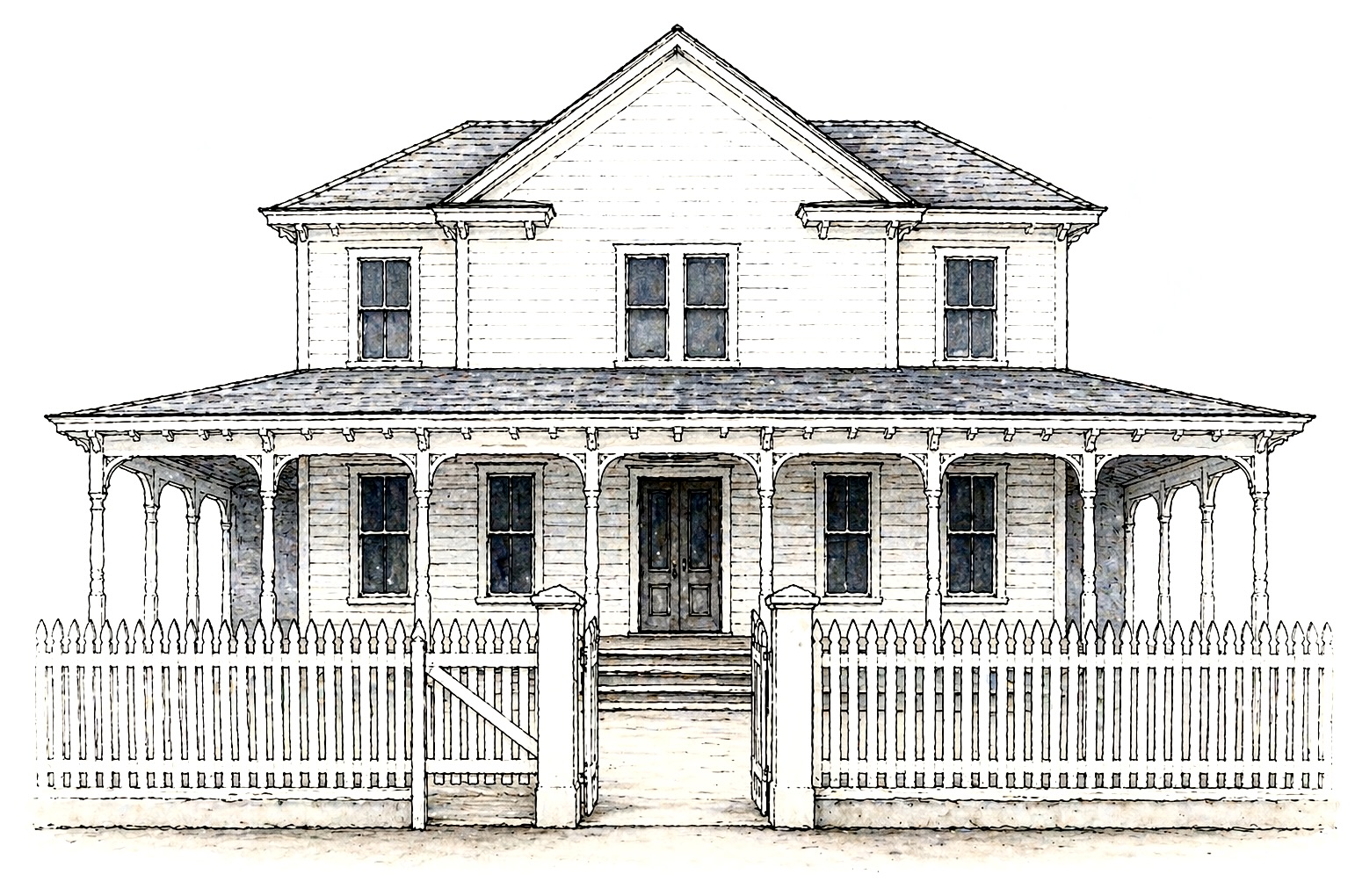
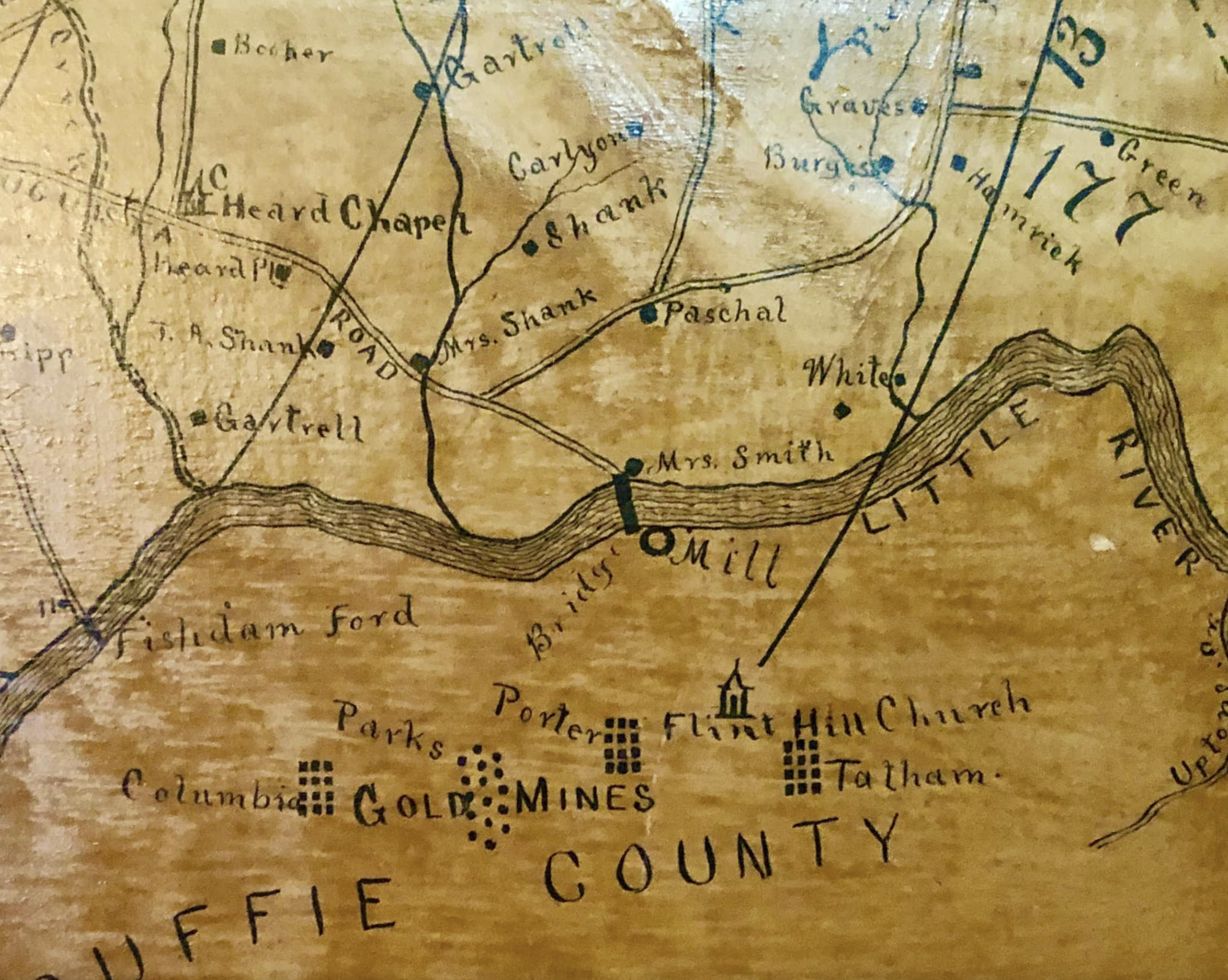
“J. B.” Smith was married and widowed twice before the Civil War. He was married a third time in April 1865 to Jane Septima (“Sep”) Shank (1841-1912), the sister of John and William Shank—thus securing the preservation of these Shank family letters. The Smith and Shank families lived in Wilkes county near the Little River—the dividing line between Wilkes and McDuffie county. Columbia gold-mining operations were in McDuffie county south of the river (see map below).
Finding collections of letters such as these by Confederate soldiers is becoming incredibly difficult—especially ones that convey such a strong optimism for victory throughout the entire war. The following paragraph, written in late March 1865, reveals just how strongly the Shank family felt right up to the bitter end:
“This army is in fine spirits. It has expressed its determination to carry this Confederacy through the struggle to independence or perish in a common heap. The blood of our fellow comrades cries for revenge from a hundred battlefields. I hope never to see a Confederate soldier that can look upon the green graves and bleaching bones of those comrades who have fallen on every battlefield from the Potomac to Mexico, and say they have died to no purpose. A desolated country with the charred ruins of once proud mansions, and desecrated temples call to us for protection. The tears of widows, and orphans, and the tears of outraged and insulted maidens appeal to us and we must not—cannot—refuse them protection. To these and the dictates of conscience, we can’t turn a deaf ear.”
T R A N S C R I P T I O N
Mount Pleasant or Archer’s Bluff, Virginia
July 2nd 1864
Col. J. B. Smith,
Dear friend, your kind letter of the 11th of May was received a day or two ago and although it was old, it was read with much pleasure. I have no news of any note to write more than all are well except. Lt. Griffin. He has been complaining some for the last two days with rheumatism but he is much better today. There are some sick men in the company. How many I am unable to say [but] not many judging from the men I see daily on the lines.
We have to fight a little most every day and work nearly every night so you see we are engaged nearly all the time but it so happened with us we have men enough to rest every other day. Things are quite different with me today compared with what they were a year ago today. One year ago we were at Gettysburg, Pennsylvania. Today we are at Petersburg, Virginia. We had a hard fight one year ago and may have another today, I am unable to say as we have fights nearly every day that passes. Our late battles have been successful. We have taken many prisoners and 19 pieces of artillery which will make back those lost by the 2nd Corps at Spotsylvania Court House.
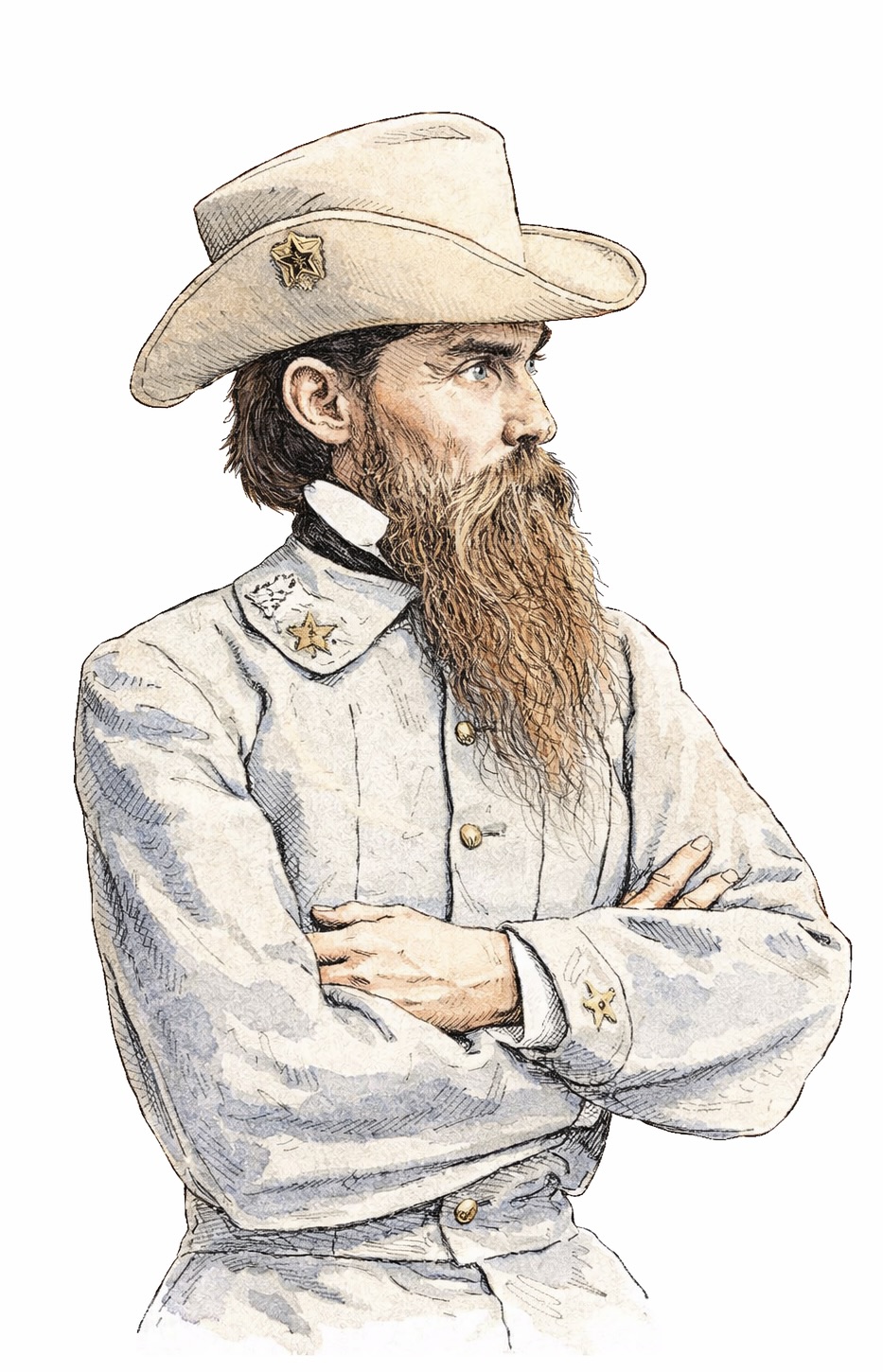
Our Corps is called the tail end of the army but we have done more here than any other in the army. Besides the guns and prisoners we have taken a good many horses from Yankee raiders. Nearly the whole of those captured have been by Mahone’s Division—as good a division as there is in the army & formerly was Anderson’s. [William, or “Little Billy”] Mahone is a small man, talks very fine, and is ugly enough to scare any set of men that did not know him. He is very sociable and will talk with a private as quick as he would with a Lt. General. He is much liked by his men.
The enemy has shelled this town a good deal. There has been some women killed—mostly black women. I have not heard of any man being killed yet. Our battery has to fire on the battery that fires on the town but we don’t do much with it as it is a good works.
No one from our neighborhood has been hurt yet. The casualties in our battalion are heavier here than they were at any other point we have fought at. Our company has lost two very fine soldiers here. They both were good men. Gus Cleveland from our county was killed on the 24th of June and Corporal Cumming from Louisiana was killed on the 28th, both by pieces of shell. One was struck in the back and the other in the face. The other two companies have lost a man each and there has been some 8 or 10 wounded—mostly slight except one or two. We get a plenty to eat and are doing pretty well.
I must close as my stamps are out. I shall have to frank my letter. Your affectionate friend, — J[oseph] A. Shank
My regards to all. Write when you can.