(FDA-compliant coating and adhesives formulation).
As a coating, it complies with CFR 175.105 Specifications for direct food contact.
Low extractables and resistance against liquids associated with foodstuffs.
Resistant to liquids and fluids associated with foodstuffs, oils, vinegars, and alcohol.
Cures to a clear, high-gloss finish that can be polished to a high luster.
100% solids; it contains no nonreactive plasticizers or solvent fillers.
Performs well in a wide range of service temperatures -10°F to 180°F.
As an adhesive, it complies with CFR 175.105 Specifications for direct food contact.
Bonds well to 3D print plastics PLA, PET, PVC, PET-G
Bonds well to wood, glass, steel, aluminum, fiberglass, and most soft metals.
This resin system should not be used for cooking or applications where it is subject to boiling or temperatures above 125°F.
For Coatings Applications
https://www.accessdata.fda.gov/scripts/cdrh/cfdocs/cfcfr/CFRSearch.cfm?fr=175.105
For Adhesives Application
https://www.accessdata.fda.gov/scripts/cdrh/cfdocs/cfcfr/CFRSearch.cfm?fr=175.300
|
24
Fluid Ounce Kit |
3
Pints |
|
|
48
Fluid Ounce Kit |
6
Pints |
|
|
96
Fluid Ounce Kit |
3/4
Gallon |
|
|
192
Fluid Ounce Kit |
1.5
Gallons |
MAX CLR THIXO Wood Lathe Turned Bowl Coating Application
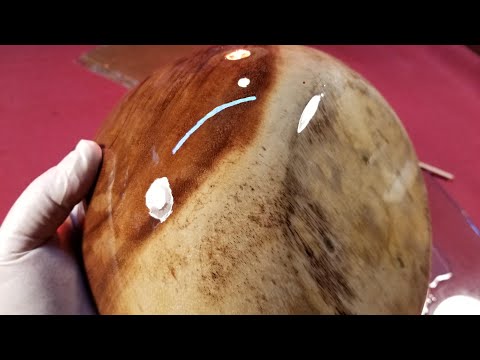
Apply Epoxy Resin On Vertical Surfaces W/ Less Drips \u0026 Runs. MAX CLR THIXO Thickened Food Safe Resin
Video will open in a new window
Using the eBay App? Paste link into a browser window:
Essential Guidelines For Food Contact Applications
Before applying any coating or adhesive, test the surface tension and determine if it is suitable for the application.
A surface that demonstrates low surface tension, such as waxed surface, oily surface or slick plastics like Teflon will prevent the liquid resin to wet-out and cause poor adhesion.
Poor Wetting Of The Resin (Crawling)
Due To Oil-based Stain Applied On Wood

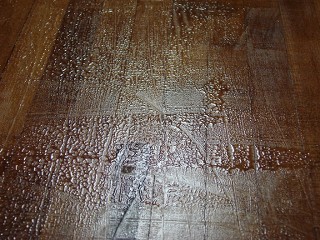
How To Test The Surface Tension To Determine Recoatability
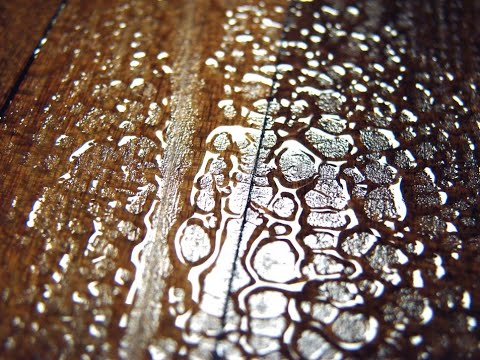
Why Epoxy Coatings Bead-up.
PHYSICAL AND MECHANICAL PROPERTIES
Viscosity- Brookfield | 1,200 - 2000 cPs @ 25°C Mixed |
Form and Color | Translucent, Gel-Like |
Cured Transparency | Visually Clear Up to 0.020 Inch Film Thickness |
Density | 1.10 g/cc |
Mix Ratio | 2:1 Part A to Part B By Weight |
Working Time | 45 Minutes @ 25°C (77°F) 100-gram mass |
Peak Exotherm | 70°C (158°F) 100-Gram Mass |
Handle Time | 5.5 Hours @ 25°C (77°F) |
Cure Time | 36 Hours Minimum @ 25°C (75°F) |
Cured Hardness | 75 Shore D @ 25°C (77°F) |
Gloss At 60° | 92 |
Tee-Peel Strength | 5.7 Lbs Per Inch Width |
Tensile Shear Strength | 1,300 psi @ 25°C (77°F) |
800 psi @ -80°C (-112°F) | |
550 psi @ 100°C (212°F) | |
Compressive Strength | 2,200 psi @ 25°C (77°F) |
Heat Distortion Temp. | 80°C (176°F) |
Elongation | 9% @ 25°C (77°F) |
The Following Surface Preparation Procedures Are Recommended.
METALS AND CONCRETE Degrease Metals– Wipe surface with lint-free rag dampened with Methyl Ethyl Ketone (MEK) or acetone to remove all oil, dirt, and grease. Etch Metals – For optimum results, metal parts should be immersed in a chromic acid bath solution consisting of:
The solution is held at 160°F (71°C), and the parts left immersed for 5 to 7 minutes. Rinse – remove metal parts from etching bath and rinse with clean water. (distilled water is recommended). Etch Concrete- Use commercially sold concrete etching solution (hydrochloric acid based works best). Neutralized per instructions, rinse and allow to dry thoroughly. ALTERNATE PROCEDURE Degrease and dry – Degrease the surface as noted above, sand or sandblast the surface lightly but thoroughly. Rinse with acetone or Methyl Ethyl Ketone (MEK), and dry. | GLASS Etch – For optimum results, degreasing can be followed by the chromic acid bath outlined above. WOOD Clean – Carefully remove all dust, or particles of wood from sanded areas. A stiff and clean brush or compressed air can be used. PLASTIC Sand – Surfaces to be bonded should be sanded lightly, but thoroughly to remove surface sheen. Clean – Carefully remove all dust or particles of plastic from the sanded area. A clean brush, lint-free cloth, or compressed air may be used. |
The two components must be mixed thoroughly to eliminate problems such as tacky or uncured
spots. Use the "two container method" as demonstrated in this video demonstration.
This mix technique is applicable to all 2 part epoxies that ensures a uniform blend and eliminate poor tacky curing.
Click Play To Watch Video Demonstration

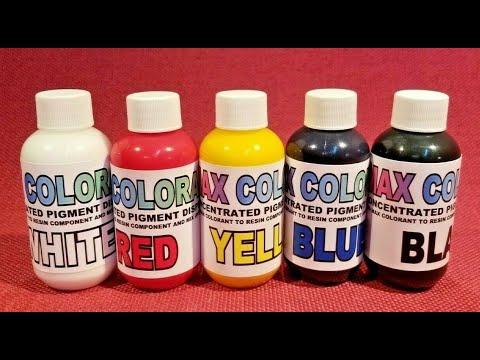
How To Mix Epoxy Resin For Food Contact Coating. Avoid Tacky Spots, Minimize Air Bubble When Mixing - YouTube
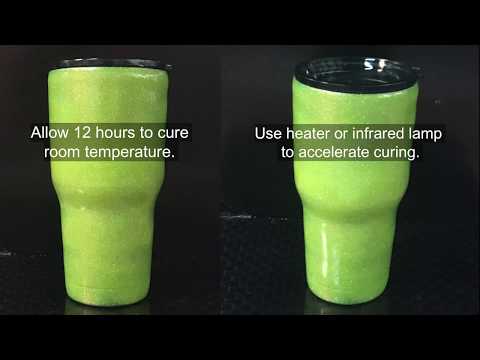

Video will open in a new window
Using the eBay App? Paste link into a browser window:


DEGLOSSING
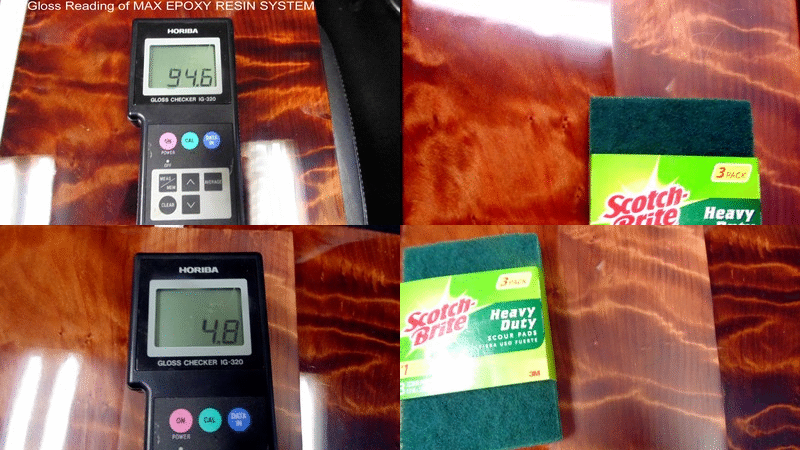
Once the MAX CLR THIXO fully cures, deglossing the surface to create a satin finish can be easily done using an abrasive pad. In this demonstration, a SCOTCHBRITE pad was used to de-gloss the surface.
Note the dramatic decrease in gloss after a light polishing with the abrasive pad.
Very-fine sandpaper (wet-sanding) also works well.
HOT WATER IMMERSION TEST WOOD COATED MUG

Epoxy Coating Boiling Water Exposure Test -MAX CLR -FDA Compliant Direct Food Contact Epoxy Resin
Visit our eBay store!
Buyer Notice
Your purchase is the acceptance of this disclaimer. Please review before purchasing this product.
The user should thoroughly test any proposed use of this product and independently conclude satisfactory performance in the application.
Likewise, if the product requires government approval or clearance, the user must obtain it.
The information contained herein is based on data believed to be accurate at the time of publication. Data and parameters cited have been obtained through published information, PolymerProducts and Polymer Composites Inc. laboratories using materials under controlled conditions. Data of this type should not be used as specifications for fabrication and design. It is the user's responsibility to determine this product's fitness for use.