MAX EPC A/B
Electronic Potting Compound
Slow Setting Epoxy Resin For Large
Casting, Potting, Encapsulating
89 Fluid Ounces Or 144 Cubic
Inches Combined Volume
64 Fluid Ounces Of Resin
25 Fluid Ounce Of Curing Agent
4:1 Mix Ratio By Weight
Due To Considerable Difference In Density Between Resin (PART A) And Curing Agent (PART B),
Each Component Must Be Weighed To Ensure Mix Ratio Accuracy AndProper Cure.
Premix The MAX EPC PART A -RESIN Jar First
Before Adding The MAX EPC PART B -Curing Agent
PRODUCT DESCRIPTION
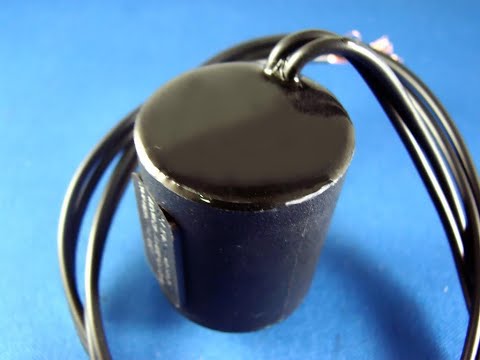
MAX EPC A/B is a room temperature cured epoxy-based electronic potting compound
designed for large mass encapsulation of printed circuit boards.
It produces low exothermic heat, suitable for large-mass or thick-section
potting and casting applications.
Upon cure, MAX EPC creates a permanent barrier against ambient air, corrosive
environments, moisture, and direct physical contact with the
circuitry.
MAX EPC demonstrates excellent dimensional stability with minimal thermal
expansion and contraction.
MAX EPC can be poured up to 4-inch-thick sections and will not generate
excessive exothermic heat during cure. It cures very hard after 36 hours
at 25°C (77°F) or can be heat cured for faster cure times.
MAX EPC A/B offers high thermal conductivity, dissipating heat away from
the circuitry and preventing 'hot spots' that can cause component failure or
reduce the lifespan of the encapsulated electronic circuit.
MAX EPC A/B bonds to metals, FRP, ABS, PVC, Plastisol, and other substrates
commonly used in wire jackets, circuit boards, and electrical enclosures.
MAX EPC A/B yields low shrinkage and excellent dimensional stability that
prevents 'component pull-outs' caused by expansion and contraction coefficients
when exposed to varying temperatures.
Its service temperature ranges from -40°C to 100°C (-40°F to 250°F).
MAX EPC A/B is mixed
4:1 by weight; it provides more than 90 minutes of working time for volumes of
4 cubic inches, and up to 45 minutes for larger volumes of 6 cubic inches.
Its mixed viscosity is 2100 cPs at 25°C, similar to the consistency of corn
syrup or honey, and it pours easily. It is self-leveling and designed to release air bubbles and cure with minimal
voids and porosity.
Upon cure, MAX EPC A/B permanently encapsulates the circuitry in an electrically non-conductive resin matrix, preventing direct contact with the electronics. It is entirely waterproof and is suitable for continuous water immersion or ground-buried potting applications.
For Encapsulating
Electronic Parts And Circuit Boards
This
technique will reduce voids and air entrapment.
Watch the video
demonstration above for potting and embedding electrical circuitry.
· Prepare the circuit board for
potting. The circuit board should be clean. Use spray flux remover if
needed. Allow the solvent flux remover to dry thoroughly before potting. Place the enclosure on a level surface and arrange the wire leads to the desire
position and secure.
· Premix the contents of the MAX EPC
Part A to redisperse any settling of the dense filler.
· Determine the amount of the MAX EPC
A/B needed for the application.
· In a clean mixing container, weigh
the PART A and Part B at a 4:1 mix ratio.Mix gently to minimize air entrapment until the components are well blended to
a uniform consistency. Pay close attention to the bottom and edges of the mix
container. Poor and inadequate mixing will cause uncured or tacky spots to
appear. Pour the mixture into another clean container and mix for another
minute. This will ensure a thoroughly mixed resin and a full cure. Pour the mixed MAX EPC into the
potting enclosure ensuring complete and level coverage. Dispense from one
corner of the component casing, allowing the material to flow completely, fill
the casing, and encapsulate the circuit.
· Allow the potting to degas at room
temperature for 20 to 30 minutes before heat curing
· For room temperature cure, allow the
potting to cure overnight at 75°F
Place on a level
surface. The MAX EPC mixture is self-leveling.
Allow the potted part
to cure at room temperature between 20°C to 30°C for 24 to 36 hours.
To mitigate
temperature variation due to seasonal change, place the MAX EPC A/B kit bottles
at a controlled 25°C ambient temperature for 4 hours to regulate the cure speed and fabrication process.
Tempering the MAX EPC
A/B temperature regulates the curing speed and mixed viscosity.
See the table below
for the accelerated curing schedule.
If available, use a
Durometer to determine the cured hardness; a reading of 65 D will be sufficient
for handling. To check the application's handling properties, attempt to indent it with your
fingernail.
It can be safely handled for the next assembly at this state of cure.
MAX EPC continues
curing until the final Shore Hardness reaches 80D to 85D.
Viscosity PART A -Resin | 8,000-8,200 cPs at 25 °C |
Viscosity PART B –Curing Agent | 180-250 cPs at 25 °C |
Density PART A -Resin | 1.57 Grams Per Cubic Centimeter |
Density PART B –Curing Agent | 0.95 Grams Per Cubic Centimeter |
Mix Ratio By Weight | 100 Parts A to 25 Parts B (4:1) By Weight |
Mixed Viscosity | 3,850 to 4,100 cPs at 25 °C |
Mixed Color | Opaque Black |
Mixed Density | 2.10 g/cc |
Working Time | 120 Minutes (500-Gram Mass) |
Peak Exotherm | 90°C Max (500-Gram Mass) |
Cure Schedule | 8 Hours Dry To The Touch @ 25°C |
| 96 Hours Full Cure Time At 25°C |
Accelerated Cure | Allow To Cure For 3 Hours @ 25°C Then Post Cure at 120°C for 2 Hours |
MECHANICAL PROPERTIES
Shore Durometer Hardness | 85 Shore D |
Dimensional Shrinkage | Less Than 0.20 % Upon Full Cure |
Compressive Strength | 13,800 psi |
Tensile Strength | 9,900 psi |
Tensile Elongation | 4% Maximum |
Thermal Conductivity | 2.36- 2.5 W/mK |
Maximum Operating Temperature | 110°C |
ELECTRICAL PROPERTIES
Volume Resistivity | 4.7 X 10¹⁵ Ohms-Cm |
Dielectric Strength-60 Cycles | 500 Volts/Mil |
Dielectric Constant | 4.0 (10 kHz) |
Dissipation Factor | .014 (10 kHz) |
RoHS Compliant Conflict-Free Minerals


Click Play To View Video Demonstration
Avoid Tacky Cure Due To Poor Mixing
Click Play To View Video Demonstration
This Video Demonstration Is Suitable For Any Two-Component Epoxy Resin System
This procedure avoids unmixed or partially mixed resin from the potting application

Video will open in a new window
Using the eBay App? Paste link into a browser window:
For Encapsulating Electronic Parts And Circuit Boards
- Watch the video demonstration above for potting and embedding electrical circuitry. Prepare the circuit board for potting.
- The circuit board should be clean, and the solder flux should be removed to ensure a good bond.
- Use spray flux remover to clean the printed circuit board before embedding in the MAX EPC A/B. Allow the solvent flux remover to dry thoroughly before potting.
- Pre-arrange the wire leads to the desired position and secure.
- Premix the contents of the MAX EPC Part A to redisperse any settling of the dense filler.
- In a clean mixing container, weigh the PART A and PART B at a 4:1 mix ratio.
- Mix gently to minimize air entrapment until the components are well blended and uniform in consistency. Scrape the bottom and edges of the mix container. Poor and inadequate mixing will cause uncured or tacky spots to appear.
- Pour the mixture into another clean container and mix for another minute.This will ensure a thorough mixture and ensure proper full cure.
- Pour the mixed MAX EPC into the component housing to be encapsulated, ensuring complete and level coverage.
- Dispense from one corner of the component casing, allowing the material to flow completely, fill the casing, and encapsulate the circuit.
IMPORTANT NOTICE
Your purchase signifies your acceptance of this disclaimer.
Please review it carefully before proceeding with the purchase of this product.The user should thoroughly test any proposed use of this product and independently conclude that it performs satisfactorily in the application.
Likewise, if the way this product is used requires government approval or clearance, the user must obtain said approval.The information contained herein is based on data believed to be accurate at the time of publication. Data and parameters cited have been obtained through published information, Polymer Composites Inc. laboratories using materials under controlled conditions. However, it is the user's responsibility to determine the product's fitness for use. Data of this type should not be used for fabrication and design specifications.
There is no warranty of merchantability for fitness of use, nor any other express or implied warranty. The user's exclusive remedy and the manufacturer's liability are limited to the refund of the purchase price or replacement of the product within the agreed warranty period. Polymer Composites, Inc. and its direct representative will not be liable for incidental or consequential damages of any kind. Determination of the suitability of any information or product for the use contemplated by the user, the manner of that use, and whether there is any infringement of patents is the sole liability of the user.