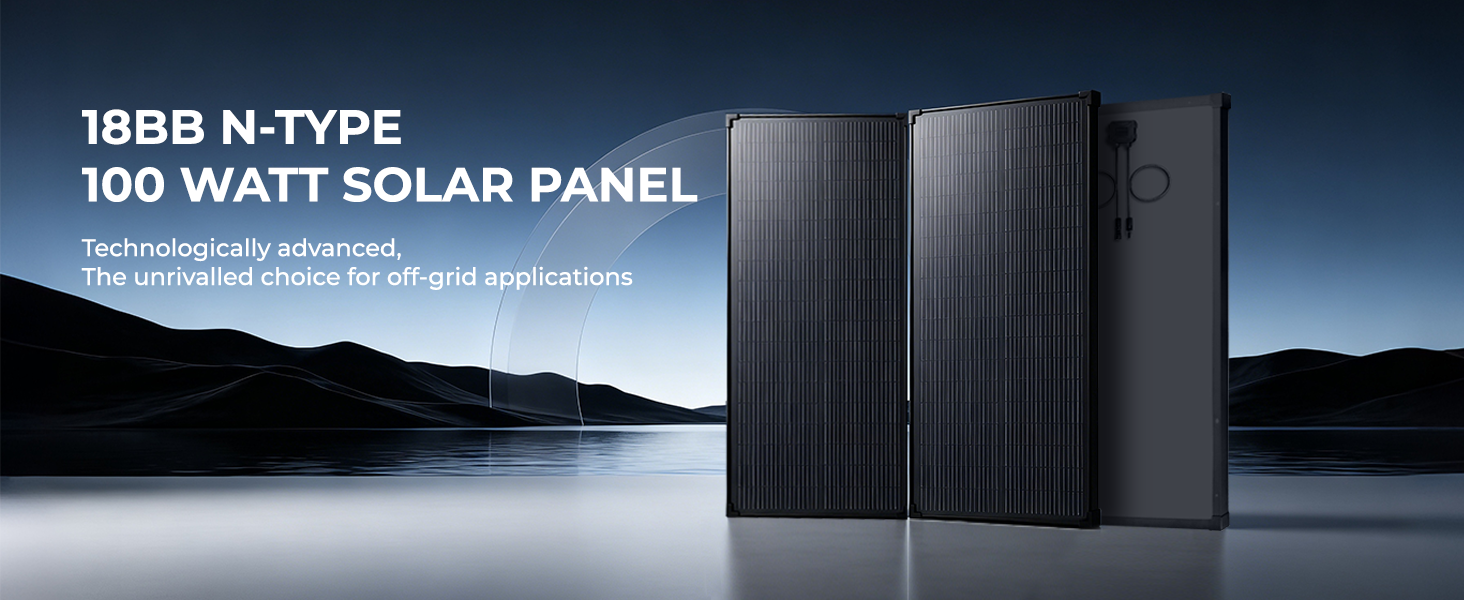
 Advanced N‑Type Full‑Welding Technology
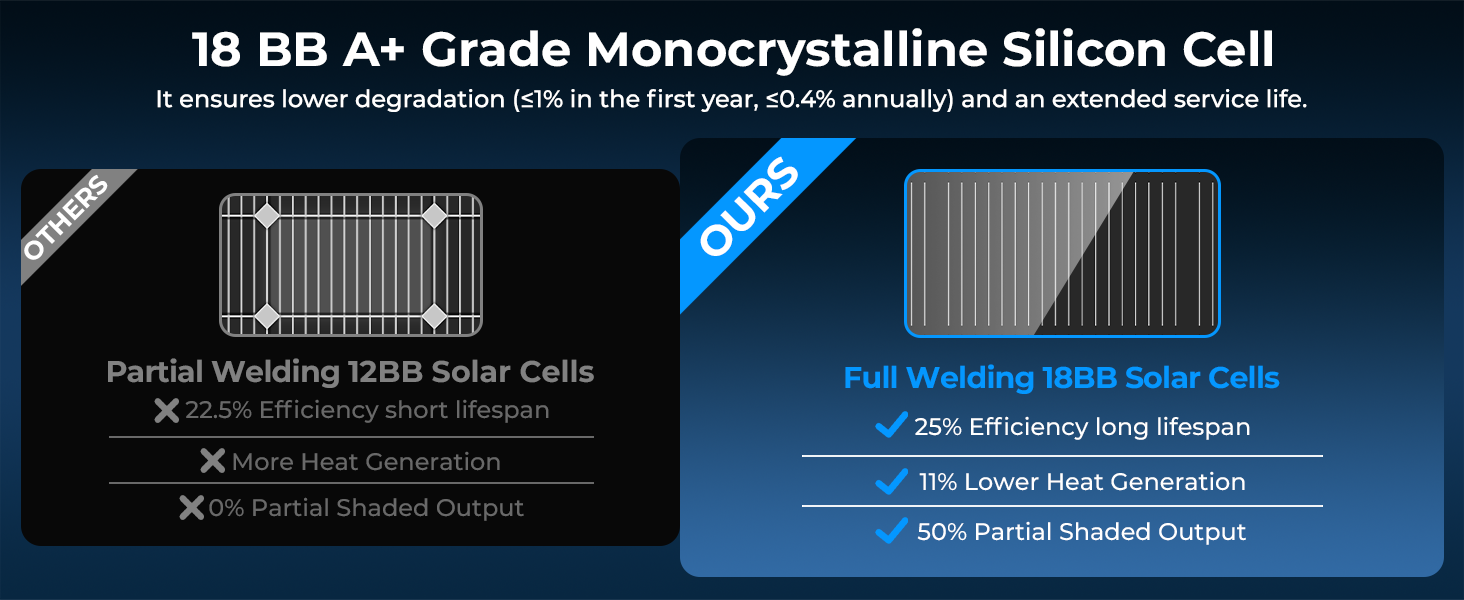
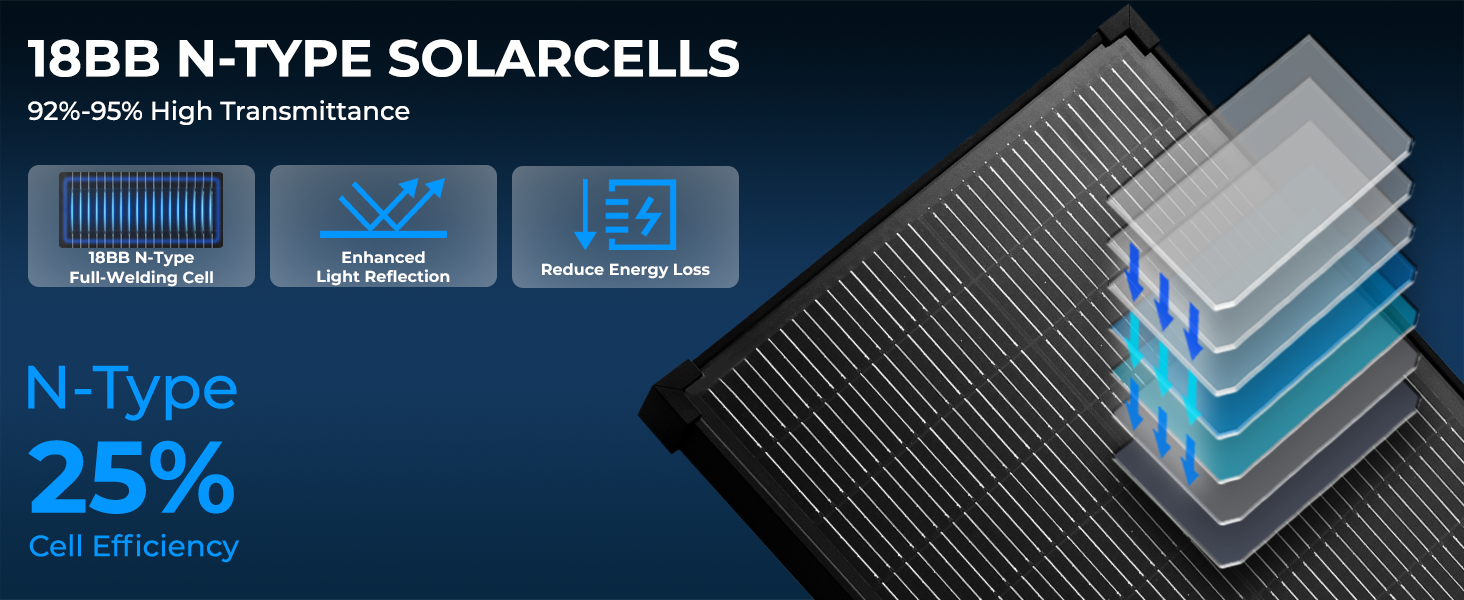
Our N‑Type solar panel uses full‑welding cell technology to reduce hot‑spot risk and improve current collection, delivering stable output and long‑term reliability.
High Conversion Efficiency
With advanced N‑Type cells, this 100W solar panel achieves conversion efficiency of up to 25%, providing more power in a limited space.
Durable & Reliable Construction
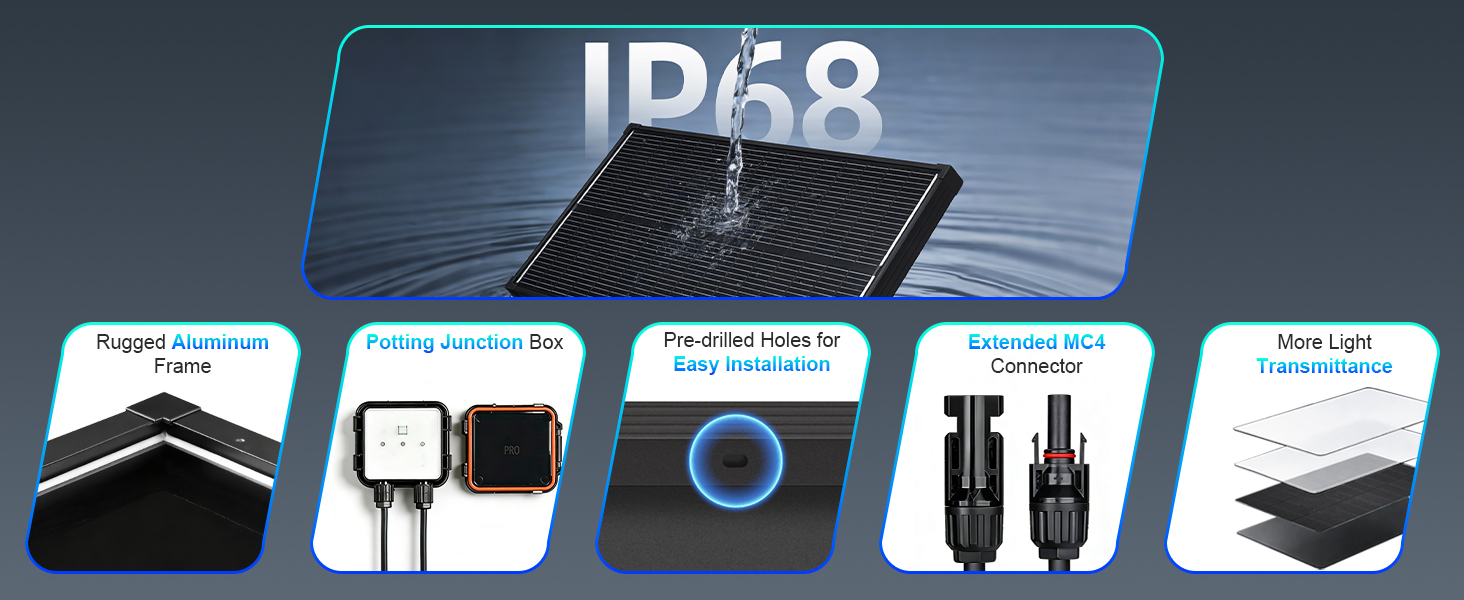
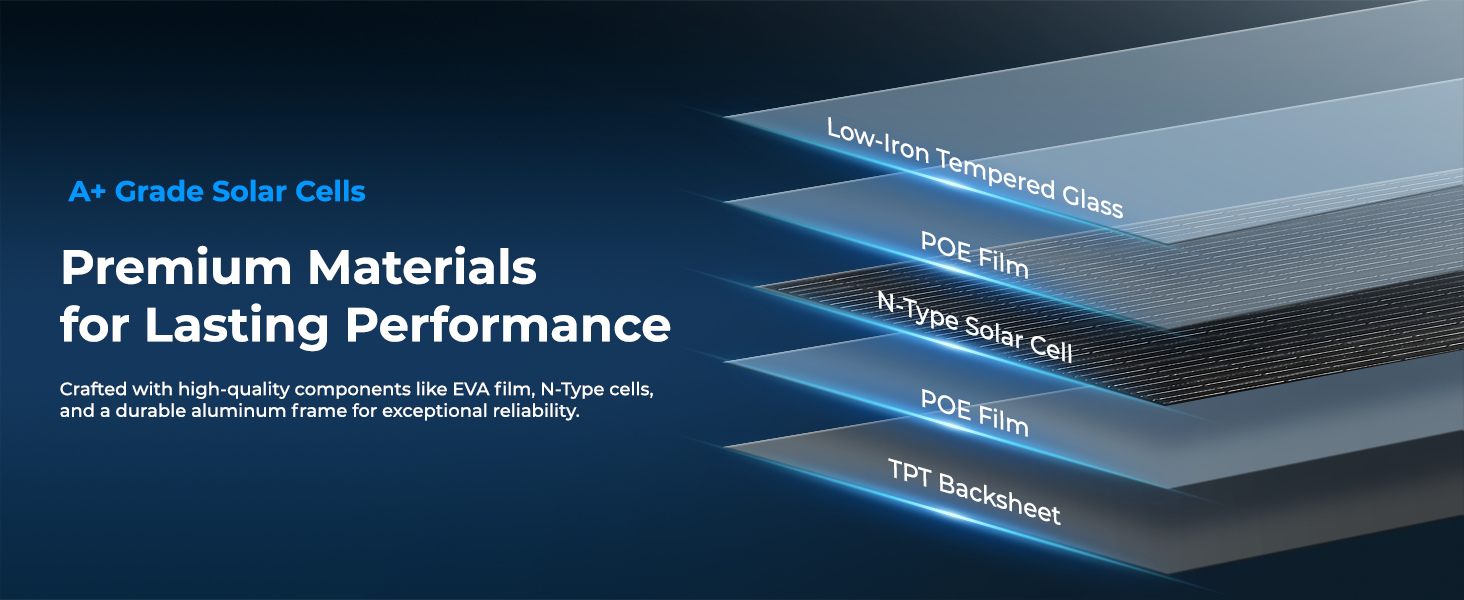
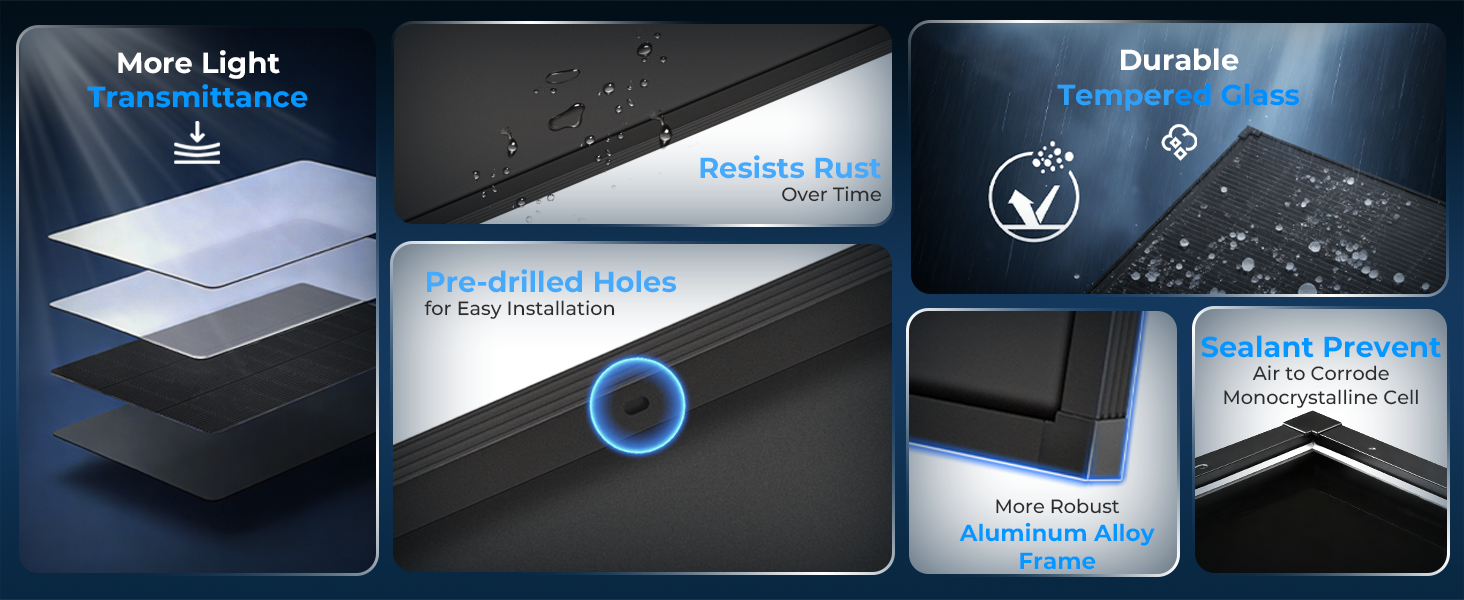
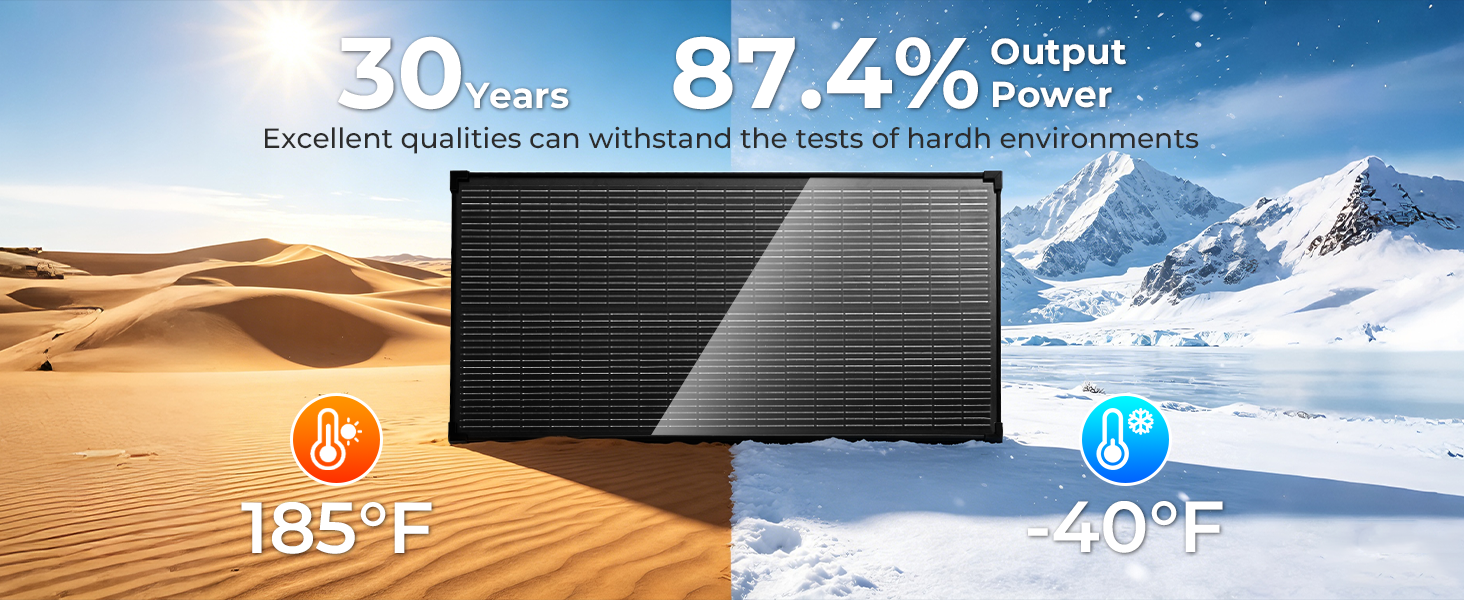
Built with advanced encapsulation materials and multi‑layer laminated sheets, the panel protects solar cells from moisture, impact, and deformation, ensuring consistent performance in outdoor environments.
Easy Installation
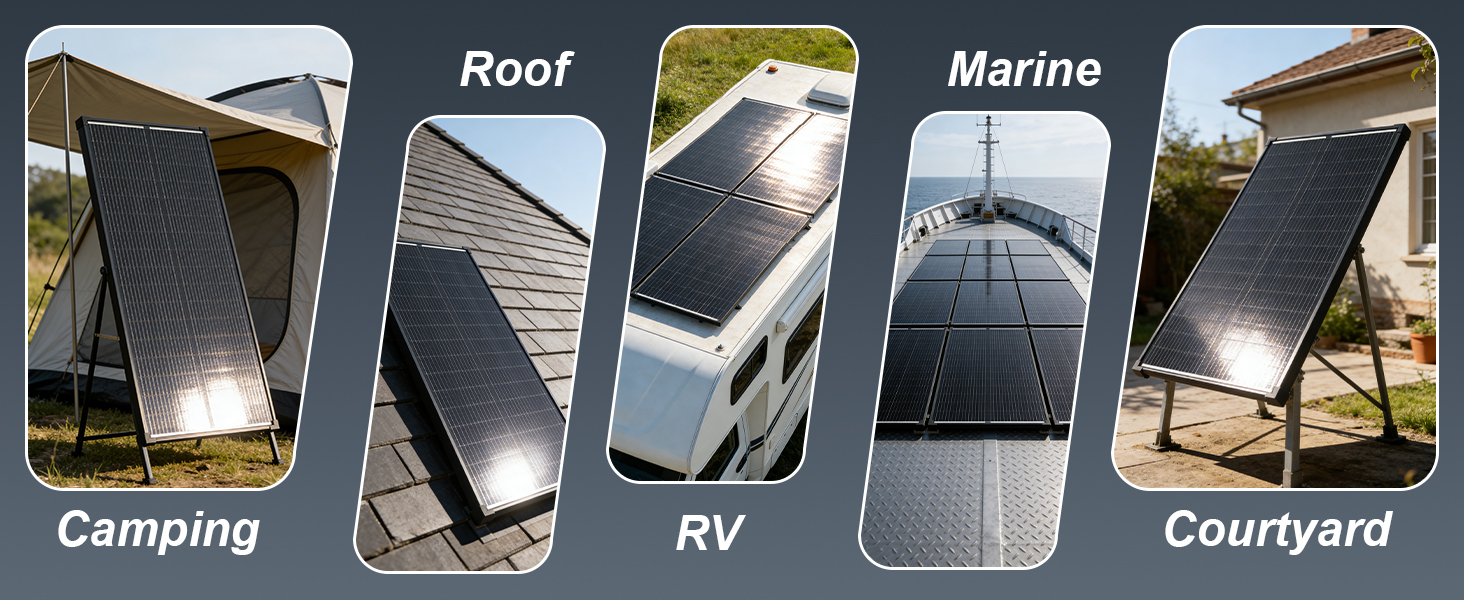
Pre‑drilled mounting holes allow fast and convenient installation. Compatible with Z‑brackets, corner brackets, pole mounts, and tilt mounts for flexible setup options.
Corrosion‑Resistant Aluminum Frame
Heavy‑duty aluminum frame with reinforced corners offers excellent corrosion resistance, making it suitable for long‑term outdoor use.
Wide Range of Applications
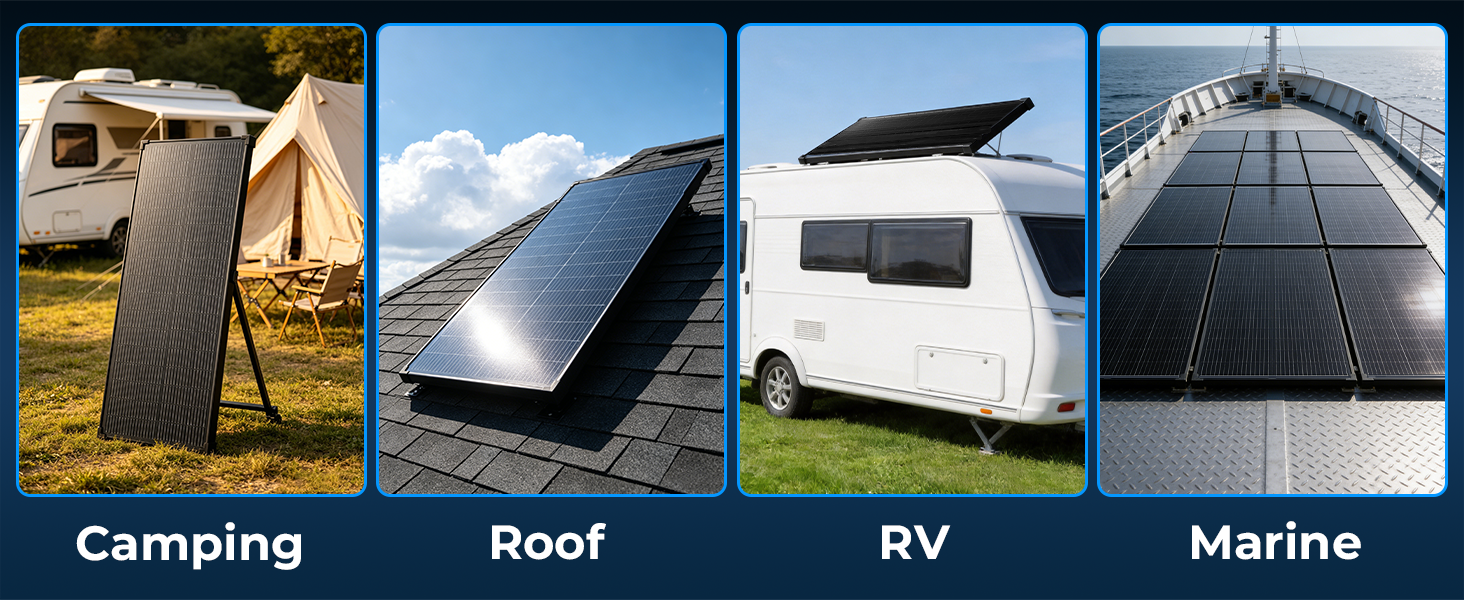
Ideal for off‑grid systems including RV, motorhome, home rooftops, garage, garden, cabin, shed, boat, farm, factory, and remote power setups.
🔹 What is the difference between off‑grid and on‑grid solar systems?
Off‑grid systems operate independently from the utility grid and rely on batteries and a charge controller to supply power at all times.
On‑grid systems connect to the utility through a grid‑tie inverter, allowing excess energy to be fed back to the grid while using the grid as backup power.
🔹 Why does the actual output differ from the rated wattage?
The rated power is measured under Standard Test Conditions (STC).
In real‑world installations, output varies due to solar irradiance, temperature, installation angle, shading, and system losses, which is normal for photovoltaic systems.
🔹 Series or parallel connection — which is better?
Always ensure the final configuration stays within the input voltage and current limits of your inverter or charge controller.
🔹 What does “12V” mean when the panel operates at ~18V?
“12V” refers to the nominal battery system voltage the panel supports.
The panel’s actual maximum power voltage (Vmp) is typically around 18V, providing sufficient headroom for efficient battery charging through a PWM or MPPT charge controller.
🔹 Is this solar panel compatible with MPPT and PWM controllers?
Yes. The panel supports both PWM and MPPT charge controllers.
For higher efficiency and better performance in varying conditions, MPPT controllers are recommended.
🔹 What installation angle and orientation are recommended?
For optimal energy yield, install the panel facing true south (Northern Hemisphere) or true north (Southern Hemisphere) with a tilt angle close to the site latitude. Seasonal adjustment can further improve performance.
🔹 What maintenance is required?
Basic maintenance includes periodic cleaning, inspection of electrical connections, and checking mounting hardware. Keeping the panel free of dirt and shading helps maintain stable output.


On Aug 12, 2026 at 19:10:33 PDT, seller added the following information: