
5' BMW (E39) compressor level control 37226787616


- Item number: K005-M204-0E39
- EAN: 4251419812296
- Weight: 5,5 kg
- Reference numbers: 1092349
- Type: Compressor
- Reference numbers: 6778773
- Reference numbers: 37.22-6778773
- Reference numbers: 4154033010
- Reference numbers: 415.403.301.0
- Reference numbers: 37226778773
- Reference numbers: 6787616
- Item condition: Neu
- Reference numbers: 37226787616
- Features: 100% Accuracy of Fit
- Reference numbers: 37.22-1092349
- Reference numbers: 37.22-6787616
- Reference numbers: 415.403.100.0
- Reference numbers: 4154031000
- Reference numbers: 37221092349
- Placement on Vehicle: center back inside
- Brand: Miessler Automotive®
- Origin: ISO/IATF zertifizierter Hersteller
- Manufacturer Part Number: Does not apply
- Interchange Part Number: Does not apply
Description
This is the pre-assembled compressor unit including valve, cable set and holder for the air supply system 37226787616, level control, for the 5' BMW (E39).
We would be happy to make you an offer for diagnosis and installation (repair) in our own vehicle workshop.
Please contact us by clicking on the button: “Question about the product”.
Can be installed in the following vehicles:
5' BMW E39 Touring (1996-2003)
Replaces compressors from the air supply unit with the original spare part number:
37226787616, 37226778773, 37221092349
Scope of delivery:
Compressor, pre-mounted on holder
Included:
Solenoid valve 4722525610
relay
Suspension and decoupling elements (vibration isolators)
Intake hose
pressure hose
Electrical cable sets
ATTENTION: Warranty only applies if a new relay is used!
Before purchasing a compressor, please consider the following:
The most common reason for a faulty compressor is a leak in the system, causing the compressor to run too long and too often.
A disproportionate number of switch-on cycles lead to the relay contacts sticking together.
This means that the relay no longer has any function.
The result is continuous current on the compressor.
The compressor runs continuously without control until it burns out.
Before a new compressor is installed, all reasons why it was damaged must have been completely eliminated.
Regarding the leak:
A leak can occur in many places, such as:
- Porous or damaged air springs or air spring components (suspension strut)
- Worn seals, defective compressed air connections and chafed compressed air hoses
- Leaky housings in components such as compressors, valves, air springs or suspension struts.
Every air suspension system is vulnerable in this way.
Therefore, follow our advice to avoid having to face further repairs in the near future.
Your advantage:
- Assembly and quality assurance by Miessler Automotive® Germany
- Much cheaper than an authorized workshop
- Personal advice
- As a German provider, we have the European right of withdrawal
- We also have a 2-year guarantee
- Worldwide express shipping is standard for us
- We have the longest experience in Europe with air suspension for automobiles in the aftermarket.
Our technical advice for air supply:
1. An increased running noise of the compressor is often caused by the suspension of the compressor no longer functioning.
Be sure to also change the suspension rubbers and springs.
2. A porous intake hose is often the cause of compressor failure.
Change this and, ideally, the filter/noise damper at the same time.
We don't want the new compressor to fail prematurely for this reason.
3. Change the working relay before installing the compressor, even if it still appears to be functional.
This is also a mandatory requirement of the car manufacturer.
Make sure you are changing the correct relay. Relays are similar. There is a great risk of having replaced the wrong relay.
4. After the repair, make sure that the system is absolutely tight.
The easiest way to determine this is to park the vehicle. Wait for the system to automatically readjust if your vehicle has this function. All heights that air supports must be precisely measured and noted from the ground to the bottom edge of the fender. The next day check and compare these heights.
Even a small deviation in the distances leads to long-term damage to the compressor and the valves.
If you have been driving for some time with a leaky undercarriage, it can be assumed that the compressor is running more often than normal. This increased number of on and off cycles may have already damaged the compressor. Depending on how long this condition has lasted, you should change the relay as a precaution and check the compressor's performance. After the car has been left overnight, a compressor should not run for more than 20 to 30 seconds until the system is ready to start again.

7' / 5' BMW (E65,E66,E39), X5 (E53) compressor unit

7' BMW (E65, E66) Compressor Level control 37226787616

BMW X5 E53 Compressor Level control 37226787616

WABCO 7' / 5' BMW (E65,E66,E39), X5 (E53) compressor unit
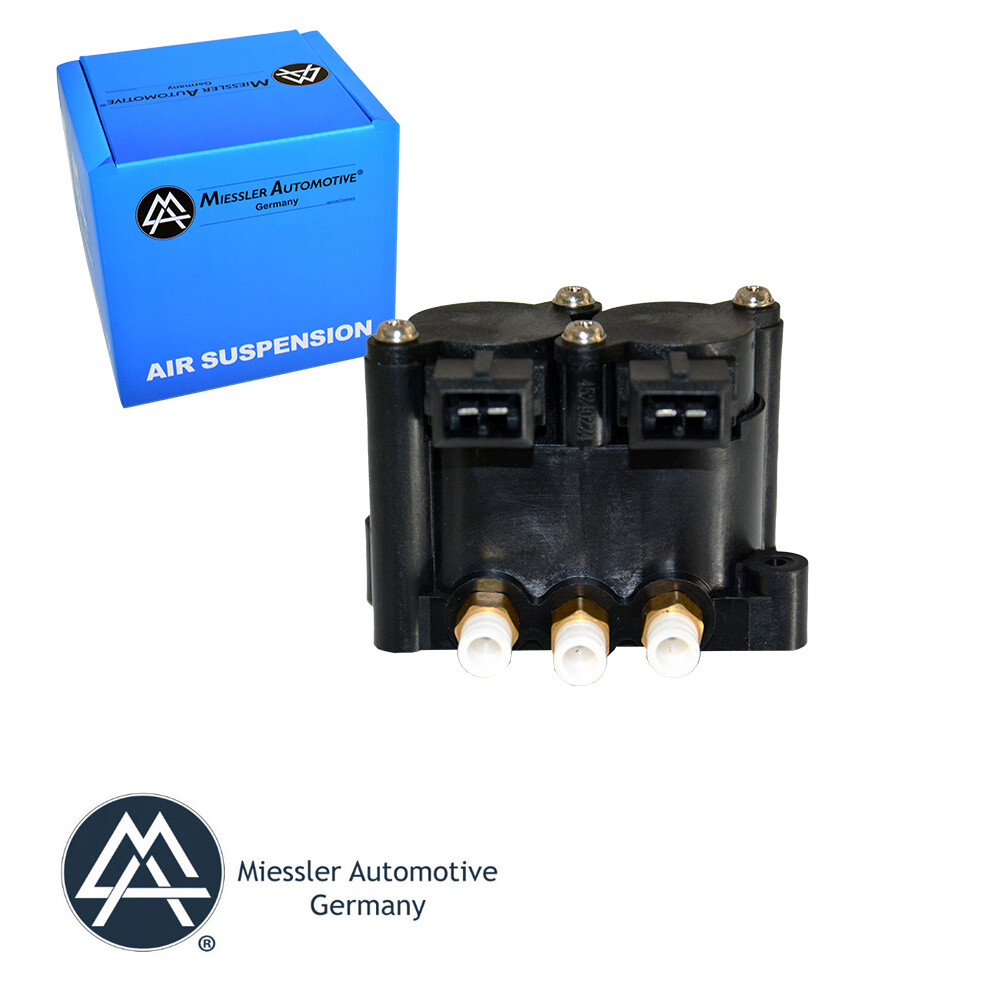
7 BMW E65 Valve air suspension

BMW X5 E53 2corner Valve air suspension

BMW Beamer E39 double valve original air suspension 37226787616

Valve BMW E39,E65,E66,E53-2corner/Discovery2/Iveco Daily

OEM RAPA Audi A6 ALLROAD (4BH, C5) Valve unit air suspension 4F0616013
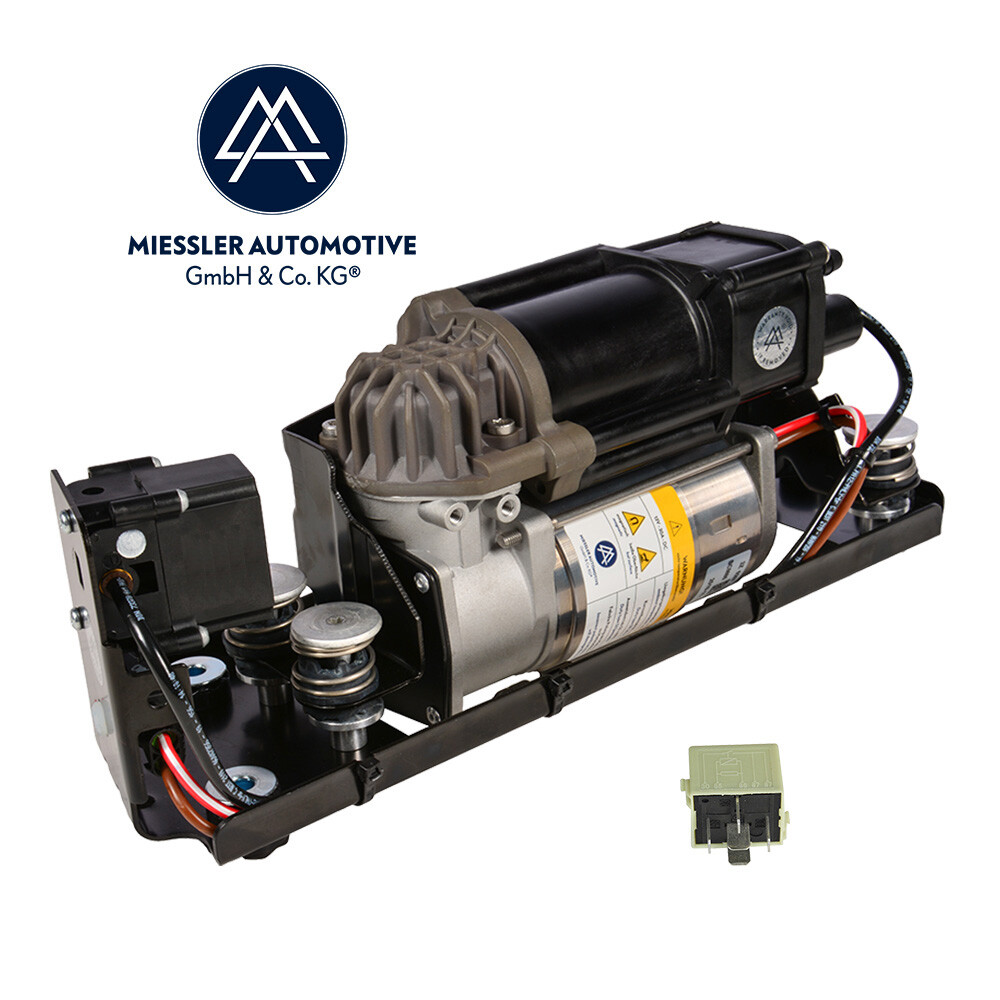
BMW F11 LCI Touring Air supply device Compressor air suspension 37206875176

Mercedes E-Class (W211, S211) Compressor air suspension A2113200304

OEM RAPA Volvo (XC90, XC60) Valve unit airsuspension 31360723

OEM RAPA VW Touareg I (7L_) Valve unit air suspension 7L0698014

OEM WABCO BMW 5-series (F11, F11N) Touring Valve air suspension

Mercedes CL-Class C216 Compressor air suspension 2213201704

OEM RAPA Mercedes ML-Class W164 Valve block air suspension A2123200358

OEM Volkswagen Touareg 7L Air pressure valve front axle - left or right 7L061681
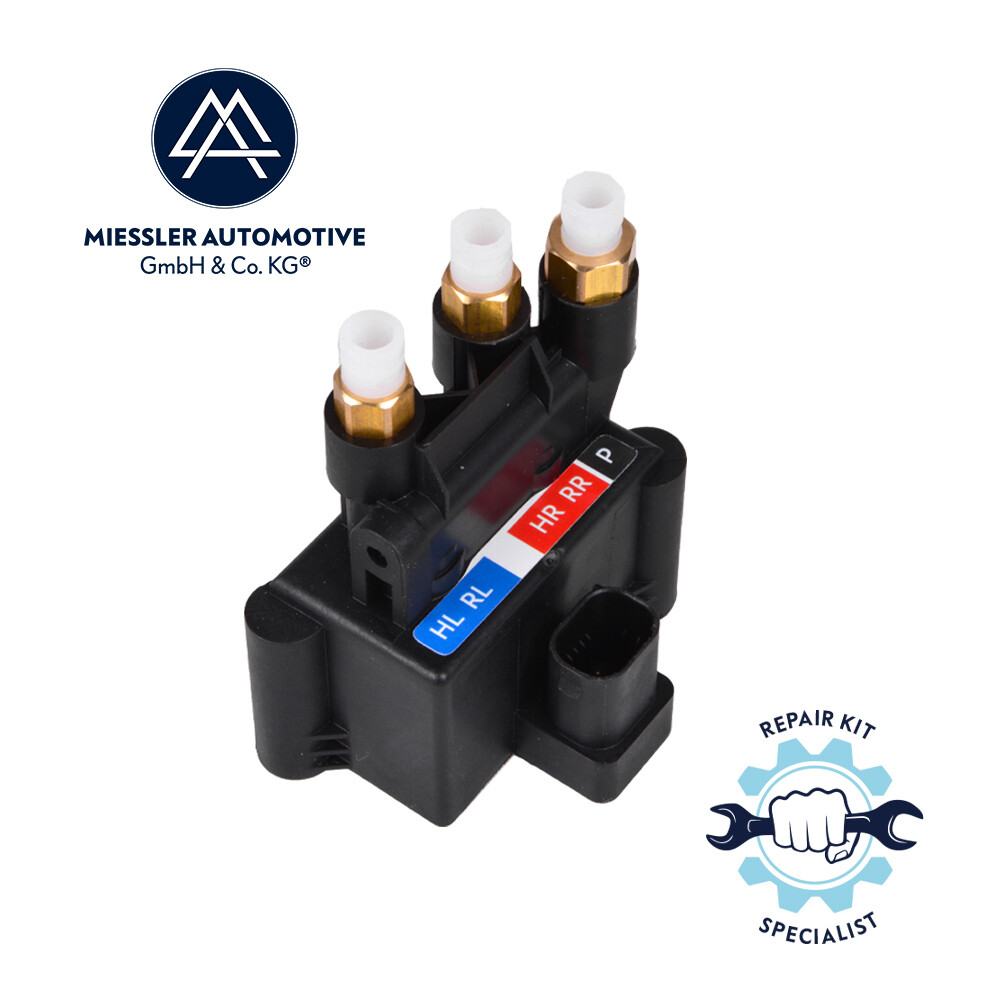
Mercedes E-Class S212 Valve air suspension

OEM VW Touareg I Typ7L Air pressure valve rear axle - left or right Air suspensi

Mercedes Viano W639 Compressor air suspension A6393200404 AMK

Mercedes ML-Class W164 Compressor air suspension A1643201204

OEM RAPA Audi A6 C6 4F Valve unit air suspension 4F0616013

OEM Porsche Cayenne (9PA) Air pressure valve rear axle - left or right Air suspe
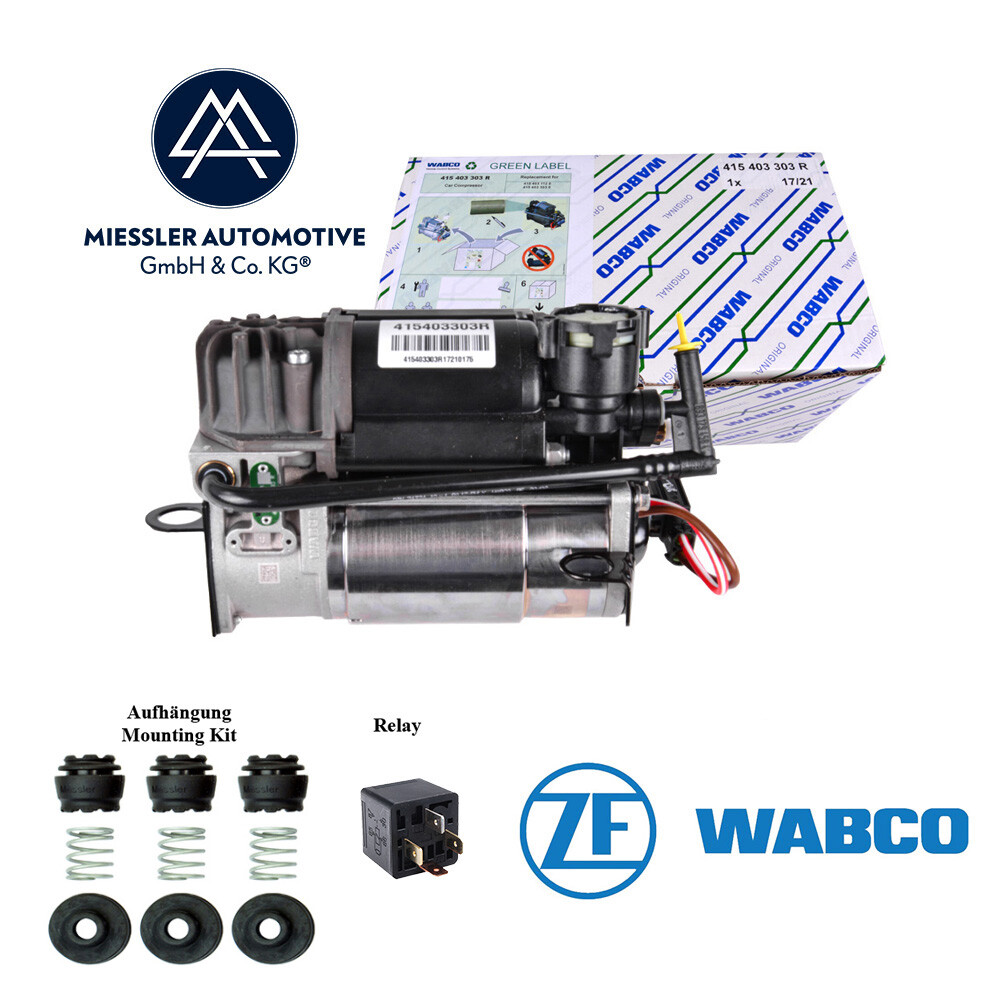
415403303R Mercedes E-Class W211 / S211 Compressor air suspension

Audi A6 C5 4B allroad Self levelling sensor Air suspension 4Z7616571C, 4Z7616572

Audi A6 C5 4B allroad Self levelling sensor Air suspension 4Z7941285C, 4Z7941286

OEM Audi Q7 Air pressure valve rear axle - left or right Air suspension 7L061681

