
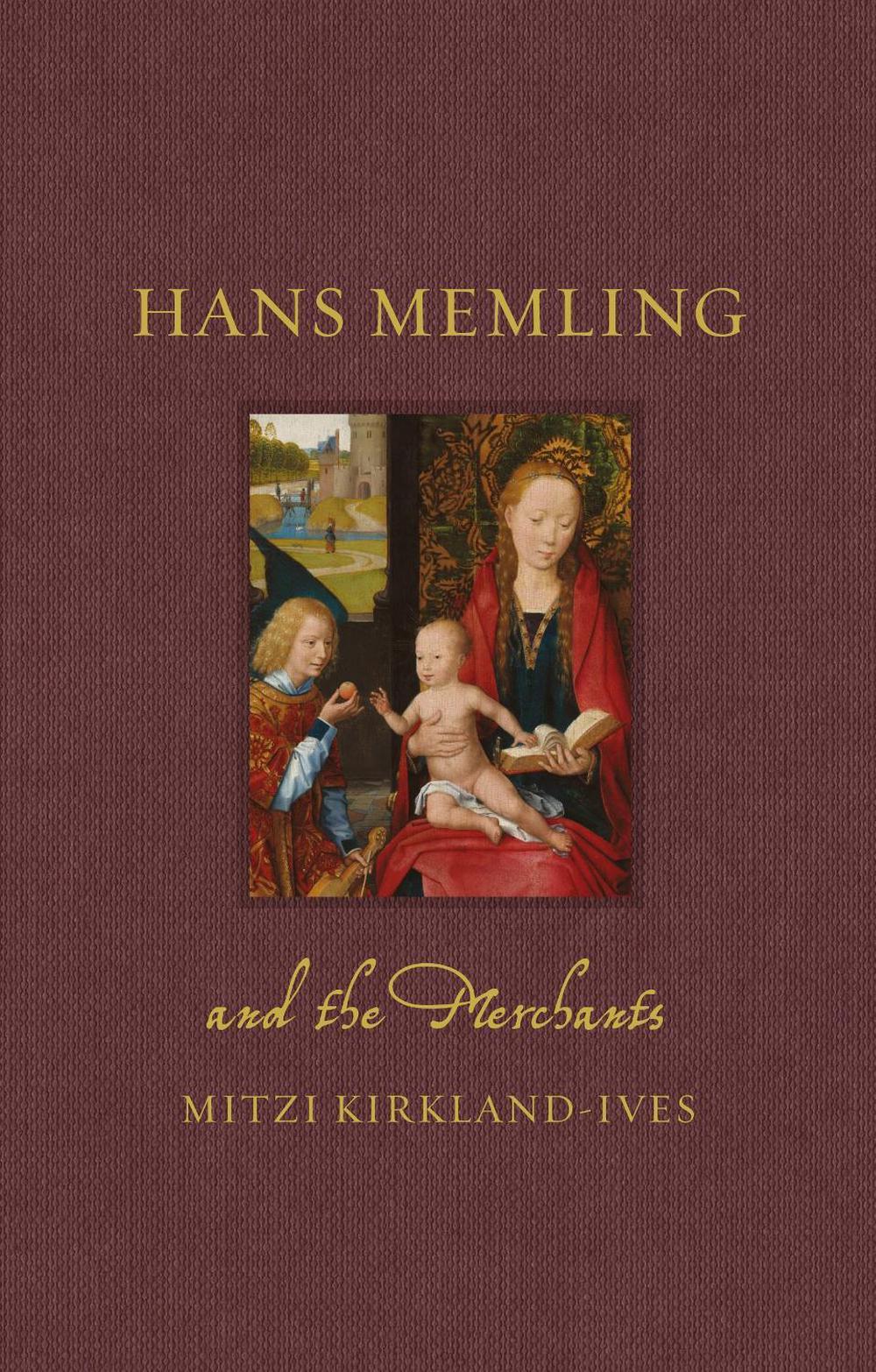
Hans Memling and the Merchants
by Mitzi Kirkland-Ives
A vibrant exposition of the life and career of German-Flemish painter Hans Memling.
Hardcover
Brand New
Publisher Description
A social history of the fifteenth-century German painter's influence. Emigrating from southern Germany in the late fifteenth-century, painter Hans Memling sought success in Bruges, which was a vibrant commercial hub at the time. Rather than among the nobility or ecclesiastical institutions, instead he found his audience in the new urban middle class of merchant bankers, financiers, politicians, affluent clerics and artisans. He also enjoyed a reputation among diverse communities of traders and diplomats from across Europe, including Castile and England, as well as Italian cities like Genoa, Bologna and Florence, and the Hanseatic League. This book explores the social and material aspects of Memling's career and workshop, providing a vibrant entry into Bruges as an early modern commercial capital, highlighting international trade, factional politics, artisanal guilds, devotional traditions, and the aspirations and identities of his merchant-class clientele.
Table of Contents
Introduction
1 Memling's Life: A Biographical Sketch
2 Memling's Bruges
3 Memling's Career in Bruges: The Painter's Workshop
4 Memling and His Clientele
Conclusion
Chronology
References
Select Bibliography
Acknowledgements
Photo Acknowledgements
Index
Review
"Here we meet Hans Memling and his art fully within the world that made them: the affluent, highly cosmopolitan Bruges of the later fifteenth century. Mitzi Kirkland-Ives has written a vivid, deeply informed account of the strategies, striving and acumen – of artist and patrons alike – that enabled an immigrant painter to build a sterling career serving eager clients from across Europe." - Alfred Acres, Wright Family Term Professor of Art History, Georgetown University, and author of Jan van Eyck within His Art
"Hans Memling and the Merchants provides a fascinating account of the day-to-day life of a fifteenth-century artist working in one of the most economically vibrant cities in Europe. Based on meticulous archival research, Mitzi Kirkland-Ives lays out the organization of a major painting workshop, reveals the economic routes that brought artists' materials to the city and places art into the context of the lives of the many businessmen who formed the bulk of Memling's patronage. Detailed and accessible, this book provides a perfect companion for students interested in both the means of production and the meanings behind early Netherlandish paintings." - Susan Maxwell, Professor of Art History, University of Wisconsin Oshkosh
Details
