We are pleased to inform you that standard shipping from the European Union (Latvia) to the United States is available again.
📦 Shipping to the USA: Standard shipping — USD 14
⏳ Estimated delivery time: 2–3 weeks
✈️ Express shipping to the USA (upon request): USD 43, via FedEx
⏳Estimated delivery time: 5–7 business days
Please contact us before purchase, and we will adjust the shipping method and cost.
🌍 Other countries:
Express shipping is available upon request — rates and delivery times are provided individually.
Thank you for your understanding and support!
Panticapaeum
Panticapaeum Παντικάπαιον (in Ancient Greek)  The prytaneion of Panticapaeum, second century BC. Kerch's Obelisk of Glory is visible in the background.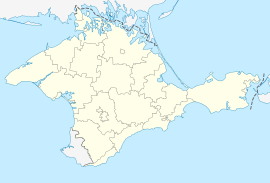
 Shown within Crimea
Location Kerch, Autonomous Republic of Crimea Region Taurica Coordinates 45°21′3″N 36°28′7″ECoordinates: 45°21′3″N 36°28′7″E Type Settlement Area 100 ha (250 acres) History Builder Settlers from Miletus Founded 7th or 6th century BC Abandoned Approximately 370 AD Periods Archaic Greek Cultures Greek Site notes Condition Ruined Ownership Public Public access Yes
Panticapaeum (Ancient Greek: Παντικάπαιον, romanized: Pantikápaion) was an ancient Greek city on the eastern shore of Crimea, which the Greeks called Taurica. The city was built on Mount Mithridat, a hill on the western side of the Cimmerian Bosporus. It was founded by Milesians in the late 7th or early 6th century BC. The ruins of the site are now located in the modern city Kerch.
Παντικάπαιον (in Ancient Greek) | |
The prytaneion of Panticapaeum, second century BC. Kerch's Obelisk of Glory is visible in the background. | |
Shown within Crimea | |
| Location | Kerch, Autonomous Republic of Crimea |
|---|---|
| Region | Taurica |
| Coordinates | 45°21′3″N 36°28′7″ECoordinates: 45°21′3″N 36°28′7″E |
| Type | Settlement |
| Area | 100 ha (250 acres) |
| History | |
| Builder | Settlers from Miletus |
| Founded | 7th or 6th century BC |
| Abandoned | Approximately 370 AD |
| Periods | Archaic Greek |
| Cultures | Greek |
| Site notes | |
| Condition | Ruined |
| Ownership | Public |
| Public access | Yes |

Panticapaeum (Ancient Greek: Παντικάπαιον, romanized: Pantikápaion) was an ancient Greek city on the eastern shore of Crimea, which the Greeks called Taurica. The city was built on Mount Mithridat, a hill on the western side of the Cimmerian Bosporus. It was founded by Milesians in the late 7th or early 6th century BC. The ruins of the site are now located in the modern city Kerch.
Early existence

During the first centuries of the city's existence, imported Greek articles predominated: pottery (see Kerch Style), terracottas, and metal objects, probably from workshops in Rhodes, Corinth, Samos, and Athens. Local production, imitated from the models, was carried on at the same time. Athens manufactured a special type of bowl for the city, known as Kerch ware. Local potters imitated the Hellenistic bowls known as the Gnathia style as well as relief wares—Megarian bowls. The city minted silver coins from the 5th century BC and gold and bronze coins from the 4th century BC. At its greatest extent it occupied 100 hectares (250 acres). The Hermitage and Kerch Museums contain material from the site, which is still being excavated.

Fifth to first centuries BC
In the 5th–4th centuries BC, the city became the residence first of the Archaeanactids and then of the Spartocids, dynasties of Thracian kings of Bosporus, and was hence itself sometimes called Bosporus. Its economic decline in the 4th–3rd centuries BC was the result of the Sarmatian conquest of the steppes and the growing competition of Egyptian grain.
In the 5th–4th centuries BC, the city became the residence first of the Archaeanactids and then of the Spartocids, dynasties of Thracian kings of Bosporus, and was hence itself sometimes called Bosporus. Its economic decline in the 4th–3rd centuries BC was the result of the Sarmatian conquest of the steppes and the growing competition of Egyptian grain.
