
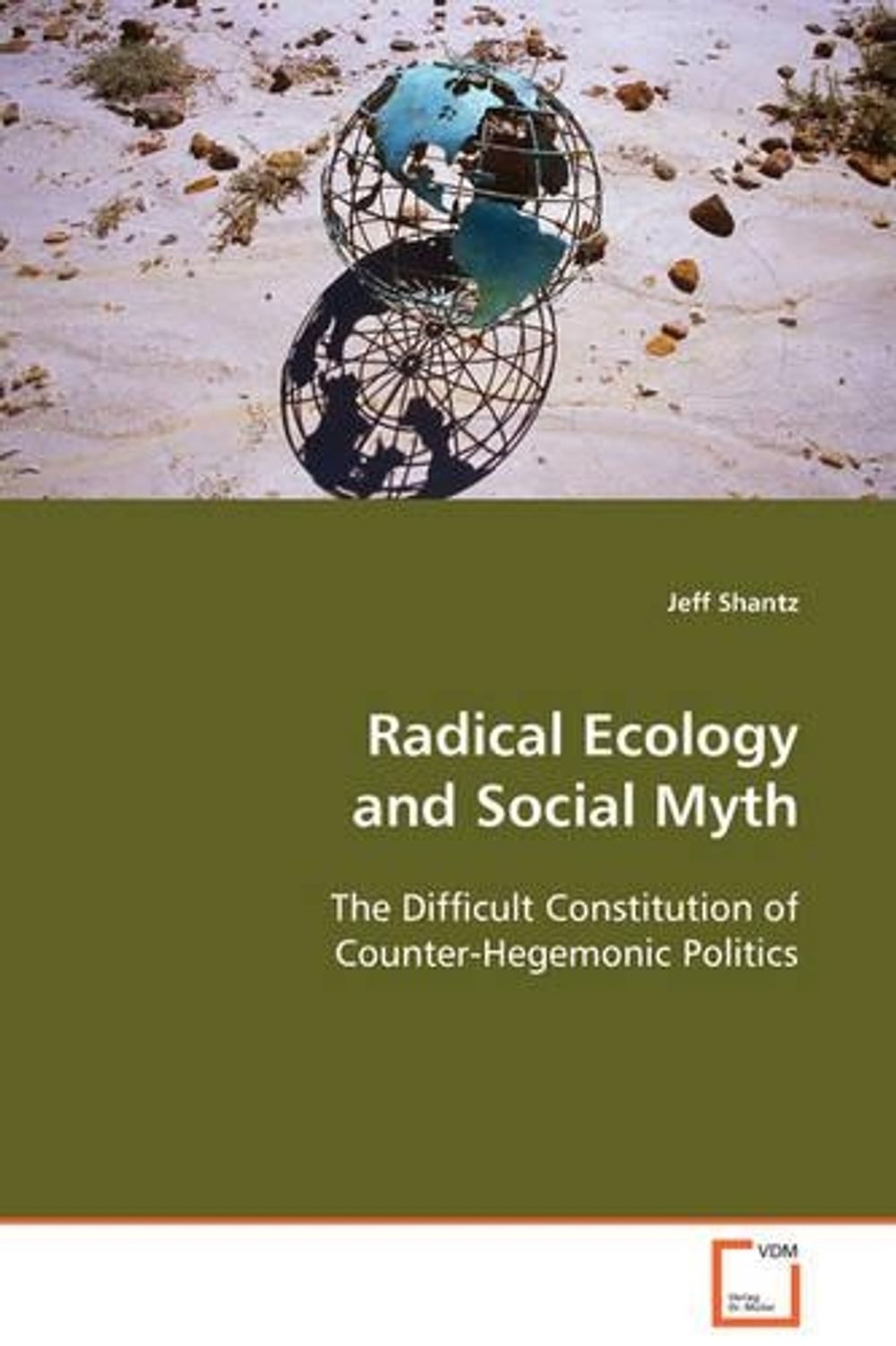
Radical Ecology and Social Myth
by Jeff Shantz
Radical ecology has emerged as a potential point for
linkage, or nodal point, of a wide plurality of
anti-systemic struggles. Many have long expected
that the "nature-society" question will provide the
most likely focus for a coalescence of new social
movements into a broadened counter-hegemonic
movement. However, one problem persists. Ecology as
nodal point of solidarity has been marked by
conflict. Examining ecology exposes a rather
troubled mythopoetic, for which even a tentative
fixing of radicalizing struggles has proved
difficult. Nature can be articulated to widely
ranging interpretations and discourses and can be
deployed for vastly different purposes. This
provides for the strength of nature as a realm of
freedom but paradoxically leaves it open to
discourses of unfreedom. This book adapts Georges
Sorel's theory of social myths to examine radical
ecology as a point of convergence for social
movements. In doing so it makes an important
contribution to understandings of environmentalism
and social movements more broadly. An innovative
work it will be of great interest for students of
social theory and politics as well as anyone involved
in environmental activism.
Paperback
English
Brand New
Publisher Description
Radical ecology has emerged as a potential point for linkage, or nodal point, of a wide plurality of anti-systemic struggles. Many have long expected that the "nature-society" question will provide the most likely focus for a coalescence of new social movements into a broadened counter-hegemonic movement. However, one problem persists. Ecology as nodal point of solidarity has been marked by conflict. Examining ecology exposes a rather troubled mythopoetic, for which even a tentative fixing of radicalizing struggles has proved difficult. Nature can be articulated to widely ranging interpretations and discourses and can be deployed for vastly different purposes. This provides for the strength of nature as a realm of freedom but paradoxically leaves it open to discourses of unfreedom. This book adapts Georges Sorel's theory of social myths to examine radical ecology as a point of convergence for social movements. In doing so it makes an important contribution to understandings of environmentalism and social movements more broadly. An innovative work it will be of great interest for students of social theory and politics as well as anyone involved in environmental activism.
Details
