
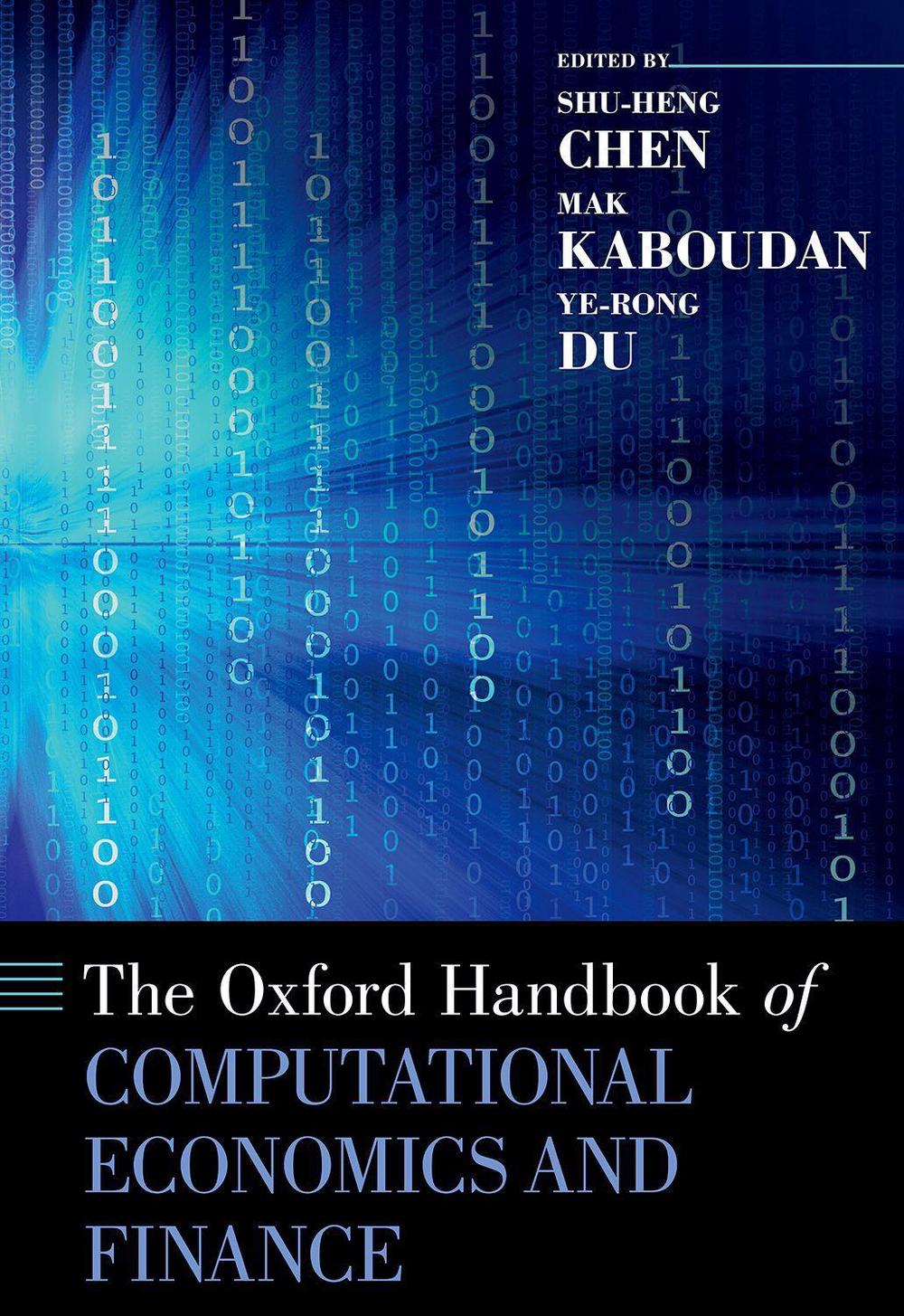
The Oxford Handbook of Computational Economics and Finance
by Shu-Heng Chen, Mak Kaboudan, Ye-Rong Du
This is an insightful survey of approaches to computational analysis of economics and finance.
Hardcover
English
Brand New
Publisher Description
The Oxford Handbook of Computational Economics and Finance provides a survey of both the foundations of and recent advances in the frontiers of analysis and action. It is both historically and interdisciplinarily rich and also tightly connected to the rise of digital society. It begins with the conventional view of computational economics, including recent algorithmic development in computing rational expectations, volatility, and general equilibrium. Itthen moves from traditional computing in economics and finance to recent developments in natural computing, including applications of nature-inspired intelligence, genetic programming, swarm intelligence, andfuzzy logic. Also examined are recent developments of network and agent-based computing in economics. How these approaches are applied is examined in chapters on such subjects as trading robots and automated markets. The last part deals with the epistemology of simulation in its trinity form with the integration of simulation, computation, and dynamics. Distinctive is the focus on natural computationalism and the examination of the implications of intelligent machines for the future ofcomputational economics and finance. Not merely individual robots, but whole integrated systems are extending their "immigration" to the world of Homo sapiens, or symbiogenesis.
Table of Contents
1. Computational Economics in the Era of Natural Computationalism: 50 Years after "The Theory of Self-Reproducing Automata"Shu-Heng Chen, Mak Kaboudan, and Ye-Rong Du 2. Dynamic Stochastic General EquilibriumModels: A Computational PerspectiveMichel Juillard -rate Rules for Reducing Government Debt: An Application of Computational Methods for Macroeconomic StabilizationG. C. Lim and Paul D. McNelis Rational Expectations ModelsJean Barthélemy and Magali Marx General EquilibriumModels for Policy Evaluation and Economic Consequence AnalysisIan Sue Wing and Edward J. Balistreri 6. Multifractal Models in Finance: Their Origin, Properties, and ApplicationsThomas Lux and Mawuli Segnon 7. Particle Filters for Markov Switching Stochastic Volatility ModelsYun Bao, Carl Chiarella, and Boda Kang 8. Economic and Financial Modeling with Genetic Programming - A ReviewClíodhna Tuite, Michael O'Neill, and Anthony Brabazon 9. Algorithmic Trading Based on Biologically-inspired AlgorithmsVassilios Vassiliadis and Georgios Dounias 10. Algorithmic Trading in PracticePeter Gomber and Kai Zimmermann 11. Computational Spatiotemporal Modeling of Southern California Home PricesMak Kaboudan 12. Business Applications of Fuzzy LogicPetr Dostál and Chia-Yang Lin 13. Modeling of Desirable Socio-economic NetworksAkira Namatame and Takanori Komatsu 14. ComputationalModels of Financial Networks, Risk and Regulatory PoliciesKimmo Soramäki 15. From Minority Games to$-GamesJorgen Vitting Andersen 16. An Overview and Evaluation of The CAT Market Design CompetitionTim Miller, Jinzhong Niu, Martin Chapman, and Peter McBurney 17. Agent-Based Macroeconomic Modeling and Policy Analysis: The Eurace@Unibi ModelHerbert Dawid, Simon Gemkow, Philipp Harting, Sander van der Hoog, and Michael Neugart 18. Agent-Based Models for Economic Policy Design: Two Illustrative Examples Frank Westerhoff and Reiner Franke 19. Computational Economic Modeling of MigrationAnna Klabunde 20. Computational Industrial Economics - A Generative Approach to Dynamic Analysis in Industrial OrganizationMyong-Hun Chang 21. Agent-Based Modeling for Financial MarketsGiulia Iori and James Porter 22. Agent-Based Models of the Labor MarketMichael Neugart and Matteo Richiardi 23. The Emerging Standard Neurobiological Model of Decision Making: Strengths, Weaknesses, and Future DirectionsShih-Wei Wu and Paul W. Glimcher 24. The Epistemology of Simulation, Computation and Dynamics in EconomicsK. Vela Velupillai Index
Long Description
The Oxford Handbook of Computational Economics and Finance provides a survey of both the foundations of and recent advances in the frontiers of analysis and action. It is both historically and interdisciplinarily rich and also tightly connected to the rise of digital society. It begins with the conventional view of computational economics, including recent algorithmic development in computing rational expectations, volatility, and general equilibrium. Itthen moves from traditional computing in economics and finance to recent developments in natural computing, including applications of nature-inspired intelligence, genetic programming, swarm intelligence, and fuzzy logic. Also examined are recent developments of network and agent-based computing in these approaches are applied is examined in chapters on such subjects as trading robots and automated markets. The last part deals with the epistemology of simulation in its trinity form with the integration of simulation, computation, and dynamics. Distinctive is the focus on natural computationalism and the examination of the implications of intelligent machines for the future of computational economics and finance. Not merely individual robots, but whole integrated systems are extendingtheir "immigration" to the world of Homo sapiens, or symbiogenesis.
Feature
Selling point: This is an insightful survey of approaches to computational analysis of economics and point: Provides insight into the foundations and recent developments in an emerging field of research.
New Feature
1. Computational Economics in the Era of Natural Computationalism: 50 Years after "The Theory of Self-Reproducing Automata" Shu-Heng Chen, Mak Kaboudan, and Ye-Rong Du 2. Dynamic Stochastic General EquilibriumModels: A Computational Perspective Michel Juillard -rate Rules for Reducing Government Debt: An Application of Computational Methods for Macroeconomic Stabilization G. C. Lim and Paul D. McNelis Rational Expectations Models Jean Barthlemy and Magali Marx General EquilibriumModels for Policy Evaluation and Economic Consequence Analysis Ian Sue Wing and Edward J. Balistreri 6. Multifractal Models in Finance: Their Origin, Properties, and Applications Thomas Lux and Mawuli Segnon 7. Particle Filters for Markov Switching Stochastic Volatility Models Yun Bao, Carl Chiarella, and Boda Kang 8. Economic and Financial Modeling with Genetic Programming - A Review Clodhna Tuite, Michael O'Neill, and Anthony Brabazon 9. Algorithmic Trading Based on Biologically-inspired Algorithms Vassilios Vassiliadis and Georgios Dounias 10. Algorithmic Trading in Practice Peter Gomber and Kai Zimmermann 11. Computational Spatiotemporal Modeling of Southern California Home Prices Mak Kaboudan 12. Business Applications of Fuzzy Logic Petr Dostl and Chia-Yang Lin 13. Modeling of Desirable Socio-economic Networks Akira Namatame and Takanori Komatsu 14. ComputationalModels of Financial Networks, Risk and Regulatory Policies Kimmo Soramki 15. From Minority Games to$-Games Jorgen Vitting Andersen 16. An Overview and Evaluation of The CAT Market Design Competition Tim Miller, Jinzhong Niu, Martin Chapman, and Peter McBurney 17. Agent-Based Macroeconomic Modeling and Policy Analysis: The Eurace@Unibi Model Herbert Dawid, Simon Gemkow, Philipp Harting, Sander van der Hoog, and Michael Neugart 18. Agent-Based Models for Economic Policy Design: Two Illustrative Examples Frank Westerhoff and Reiner Franke 19. Computational Economic Modeling of Migration Anna Klabunde 20. Computational Industrial Economics - A Generative Approach to Dynamic Analysis in Industrial Organization Myong-Hun Chang 21. Agent-Based Modeling for Financial Markets Giulia Iori and James Porter 22. Agent-Based Models of the Labor Market Michael Neugart and Matteo Richiardi 23. The Emerging Standard Neurobiological Model of Decision Making: Strengths, Weaknesses, and Future Directions Shih-Wei Wu and Paul W. Glimcher 24. The Epistemology of Simulation, Computation and Dynamics in Economics K. Vela Velupillai Index
Details
