DESCRIPTION
PAYMENT
SHIPPING
RETURN POLICY
CONTACT US
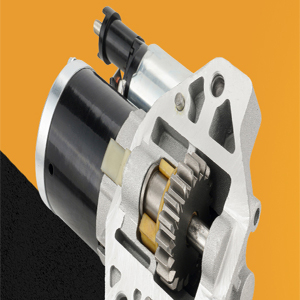
Advantages of KAC Starters
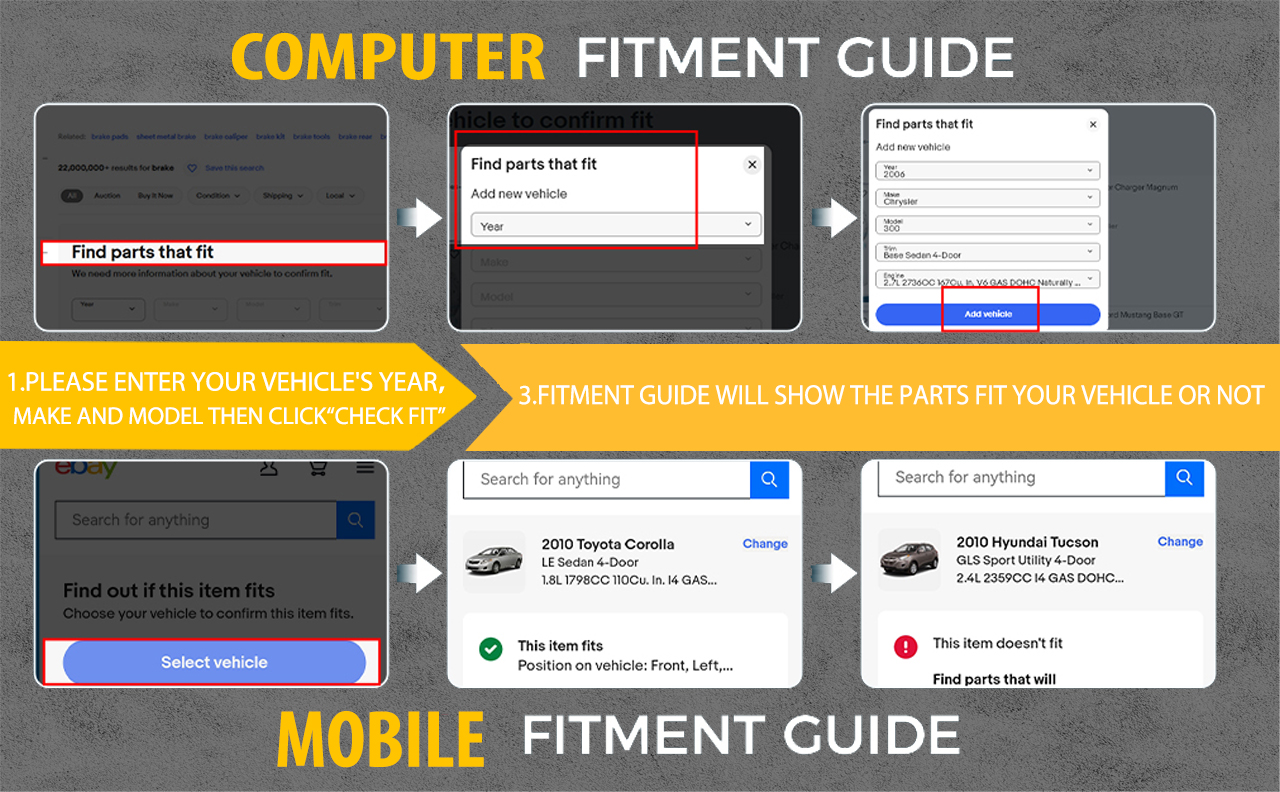
【Wide compatibility】: Please confirm if your model matches this product model.
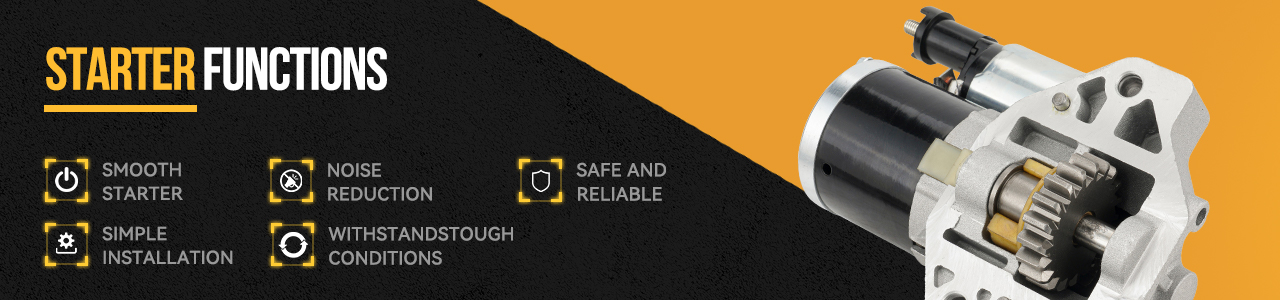
【OE Quality】: A brand new starter manufactured by a professional OEM manufacturer according to OE specifications and ISO quality standards
【 Reliable 】: The KAC starter is made of high-quality materials and is a direct replacement for the original starter, which is consistent in structure and function with the original starter.
【Easy to install】: The plug and play design for replacing the starter motor in cars does not require modification or drilling, making installation fast
【 Precautions 】: After starting the engine, the key should be turned immediately to retract the active small gear of the starter in a timely manner, in order to reduce unnecessary wear.
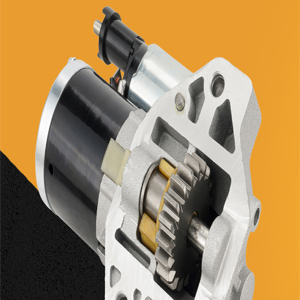

Why choose KAC Electrical Starters
- KAC Electrical makes starters that consistently deliver fast engine starts.
- Uncompromising choices in premium materials and fine craftsmanship add up to high performance and efficiency.
- Choose a quality-made starter for flawless operation and long service life. Here’s what makes our starters your best choice


Features:
Design / Type:PMGR
Voltage:12
kW:1.4
Rotation:CW
Tooth Count:10
Mounting Hardware Included:No
Unit Finish:Same as OE
Part Number:
Outboard Marine Corp (OMC): 3854190, 987811
Volvo-Penta: 3854190-0
For ford: E9SF-11000-AA, E9SF-11000-BA, E9SZ-11002-A, E9SZ-11002-B, E9SZ-11002-BRM, F7SU-11000-A1B, F7SU-11000-AA, F7SU-11000-AB, F7SZ-11002-AA, F7SZ-11002-AARM, 3C24-11000-AA, 3C2Z-11002-AA, 3C2Z-11002-AARM
For ford Engineering: E9SF-AA, E9SF-BA, F7SU-A1B, F7SU-AA, F7SU-AB, 3C24-AA
Lester: 3205, 3268, 3200
Arrowhead: SFD0001, SFD0066
Arrowhead Old: SFD0035
Motorcraft: NSA3268N, SA-769, SA-769-ARM, SA-769A, SA769ARM, SA-841, SA-841-RM, SA841RM, SA-911, SA-911-RM, SA911RM
Motorcraft Value Series: SAV-769-ARM
AC-Delco: 323-508, 336-1114, 336-1114A, 337-1036, 336-1809
Advance Auto Parts: 3180000
BBB Ind: 3205
BBB New: N3205
Bosch New: SR7542N
Bosch Remanufactured: SR7542X
Cardone Select: 39-3268SN
Carquest: 3205S
Carquest New: 3205SN
Carquest Value: 3205SV, 3268SV
TYC: 1-03205, 1-03268
Remy Remanufactured: 25508, 97101, P3205S, 25061
J & N Automotive: 410-14023, 410-14023R, 410-14046, 410-14083
Delco Remanufactured: 10465338, 19011928
Delphi: SX1330, SX1360
Denso First Time Fit For : 280-5103
Mallory: 9-15902
MES - Marine Electric Suppliers: 5075M
MPA: 12188, 3268S
MPA New: 12188N, 3268SN, 310N
NAPA: 244-9240
NAPA Pro Series: 76083, 76119
Pep Boys New: N5268
Pep Boys One Year: OY3205, OY3268
Protorque: PH140-0004, PH140-0013
Rayloc: 44-9240, 449240, 44-9283, 449283
Rayloc New: 4N9240
Remy New: 97101
Remy Small Motor: RS41126
Sierra Marine: 18-5920
Wilson: 91-02-5846
Wilson New: 91-02-5846N
API Marine: 10093, ST93
Dixie Electric: 202-09104, S-2059
Excel: 2400
Andre Niermann: 010312
Fitment For:
For ford Bronco 1992 L6 4.9L 4917cc 300cid A.T. For ford PMGR standard
For ford Bronco 92-96 V8 5.0L 302cid A.T. For ford PMGR standard
For ford Bronco 92-96 V8 5.8L 5753cc 351cid A.T. For ford PMGR standard
For ford Bronco 1994 V8 5.8L 5753cc 351cid A.T. For ford PMGR standars
For ford Club Wagon 95-96 V8 5.8L 5753cc 351cid A.T. For ford PMGR standard
For ford Cougar 91-96 V6 3.8L 3797cc 232cid For ford PMGR standard
For ford Country Squire 1991 V8 5.0L 302cid For ford PMGR standard
For ford Country Squire 1990 V8 5.0L 302cid PMGR Starter, From Mid 1990
For ford E-150 2003 V6 4.2L 256cid
For ford E-150 Club Wagon 2003 V6 4.2L 256cid For ford PMGR standard
For ford E-150 Econoline 92-96 L6 4.9L 4917cc 300cid A.T. For ford PMGR standard
For ford E-150 Econoline 97-02 V6 4.2L 256cid For ford PMGR standard
For ford E-150 Econoline 92-96 V8 5.0L 302cid A.T. For ford PMGR standard
For ford E-150 Econoline 92-96 V8 5.8L 5753cc 351cid A.T. For ford PMGR standard
For ford E-150 Econoline Club Wagon 92-96 L6 4.9L 4917cc 300cid A.T. For ford PMGR standard
For ford E-150 Econoline Club Wagon 97-02 V6 4.2L 256cid For ford PMGR standard
For ford E-150 Econoline Club Wagon 92-96 V8 5.0L 302cid A.T. For ford PMGR standard
For ford E-150 Econoline Club Wagon 92-96 V8 5.8L 5753cc 351cid A.T. For ford PMGR standard
For ford E-250 2003 V6 4.2L 256cid For ford PMGR standard
For ford E-250 Econoline 92-96 L6 4.9L 4917cc 300cid A.T. For ford PMGR standard
For ford E-250 Econoline 97-02 V6 4.2L 256cid For ford PMGR standard
For ford E-250 Econoline 92-96 V8 5.8L 5753cc 351cid For ford PMGR standard
For ford E-350 Econoline 92-96 L6 4.9L 4917cc 300cid A.T. For ford PMGR standard
For ford E-350 Econoline 92-96 V8 5.8L 5753cc 351cid A.T. For ford PMGR standard
For ford E-350 Econoline Club Wagon 92-96 L6 4.9L 4917cc 300cid A.T. For ford PMGR standard
For ford E-350 Econoline Club Wagon 92-96 V8 5.8L 5753cc 351cid A.T. For ford PMGR standard
For ford Econoline Super Duty 1996 V8 5.8L 5753cc 351cid A.T. For ford PMGR standard
For ford F-150 92-96 L6 4.9L 4917cc 300cid A.T. For ford PMGR standard
For ford F-150 1998 V6 4.2L 256cid For ford PMGR standard
For ford F-150 1997 V6 4.2L 256cid From 7/15/96; For ford PMGR standard
For ford F-150 1997 V6 4.2L 256cid To 7/15/96
For ford F-150 92-96 V8 5.0L 302cid A.T. For ford PMGR standard
For ford F-150 92-96 V8 5.8L 5753cc 351cid A.T. For ford PMGR standard
For ford F-250 92-96 L6 4.9L 4917cc 300cid A.T. For ford PMGR standard
For ford F-250 92-96 V8 5.0L 302cid A.T. For ford PMGR standard
For ford F-250 92-96 V8 5.8L 5753cc 351cid A.T. For ford PMGR standard
For ford F-250 1997 V8 5.8L 5753cc 351cid A.T. For fordPMGR standard
For ford F-350 92-96 L6 4.9L 4917cc 300cid A.T. For ford PMGR standard
For ford F-350 92-97 V8 5.8L 5753cc 351cid A.T. For ford PMGR standard
For ford LTD Crown Victoria 1991 V8 5.0L 302cid For ford PMGR standard
For ford LTD Crown Victoria 1990 V8 5.0L 302cid PMGR Starter, From Mid 1990
For ford Mustang 94-04 V6 3.8L 232cid For ford PMGR standard
For ford Mustang 2004 V6 3.9L 238cid For ford PMGR standard
For ford Mustang 92-95 V8 5.0L 302cid For ford PMGR standard
For ford Mustang 1995 V8 5.8L 5753cc 351cid For ford PMGR standard
For ford Thunderbird 89-90 V6 3.8L 232cid Supercharged For ford PMGR standard
For ford Thunderbird 91-97 V6 3.8L 232cid For ford PMGR standard
For ford Thunderbird 91-93 V8 5.0L 302cid For ford PMGR standard
For lincoln Mark VII 90-92 V8 5.0L 302cid For ford PMGR standard
For lincoln Town Car 1990 V8 5.0L 302cid For ford PMGR standard
Mercury Colony Park 1990 V8 5.0L 302cid 2nd Prod, For ford PMGR standard
Mercury Colony Park 1991 V8 5.0L 302cid For ford PMGR standard
Mercury Cougar 89-90 V6 3.8L 232cid Supercharged For ford PMGR standard
Mercury Cougar 91-97 V6 3.8L 232cid For ford PMGR standard
Mercury Cougar 91-93 V8 5.0L 302cid For ford PMGR standard
Mercury Grand Marquis 1991 V8 5.0L 302cid VIN F For ford PMGR standard
Mercury Grand Marquis 1990 V8 5.0L 302cid VIN F From 02/90
OMC 5.0L 1992 All 8cyl, 302ci, 5.0L For ford For ford Engine (CW - AMK Models)
OMC 5.0L 93-96 All 8cyl, 302ci, 5.0L For ford For ford Engine (CW)
OMC 5.8L 93-96 All 8cyl, 351ci, 5.8L For ford For ford Engine (CW)
Volvo Penta 5.0FL 93-99 All 8cyl, 302ci, 5.0L Gas (For ford) For ford PMGR Starter; CW
Volvo Penta 5.0Fi 93-99 All 8cyl, 302ci, 5.0L Gas (For ford) For ford PMGR Starter; CW
Volvo Penta 5.8FL 94-96 All 8cyl, 351ci, 5.8L Gas For ford PMGR Starter; CW
Volvo Penta 5.8Fi 94-96 All 8cyl, 351ci, 5.8L Gas For ford PMGR Starter; CW
Volvo Penta 5.8Fsi 94-96 All 8cyl, 351ci, 5.8L Gas For ford PMGR Starter; CW
Package Including:
- 1 X Starter
Fault check:
The starter often has failures and phenomena that cannot rotate or rotate slowly. In this case, check the following aspects:
1. The battery has no electricity or the electricity is weak, so the starter cannot rotate or rotate slowly.
2. The starter thread is loose or off, and the switch or adsorption switch fails.
3. The brush is worn out or the brush surface is not correct, and the spring is weak, resulting in poor contact of the rectifier.
4. Excitation coil or armature coil is short-circuited or disconnected.
5. The rectifier is fouled and the mica sheet is protruding, causing poor contact between the brush and the rectifier.Organization maintenance
In the process of starting the engine, the starter must draw in 344~400Ah from the battery. Therefore, in order to prevent the battery from over-current or damage, the starting time should not exceed
5s. In winter, it is easy to start difficult to start. Multiple starting times should not be too long, and appropriate intervals should be left in each starting.
How to Install a Car Starter:
There’s never a convenient time for your vehicle’s starter to fail. A car starter's job is to kick over the engine in your car so your vehicle starts.When you find yourself with a vehicle that won’t start, there are a number of a number of issues that may be the culprit,but once you’ve narrowed it down to a faulty starter, you can replace it using just common hand tools.
Part 1: Removing a Bad Starter
(1).Disconnect the battery.
You will not need to remove the positive cable on the battery.
Always disconnect the battery before servicing the electrical system in your vehicle.
(2).Jack up the vehicle if need be.
Ensure you jack the vehicle up on firm, level ground.
(3).Locate the starter.
The smaller cylinder attached to the starter is the starter solenoid.
A wire should run directly from the positive terminal on the battery or from the fuse box under the hood to the top terminal on the starter solenoid.

(4).Disconnect the wiring to the solenoid.
In some cases, it may just be clips you need to disconnect for the wiring.
On some starters, you will need to loosen bolts or screws that hold the wires in place.
(5).Remove the starter retaining bolts then the starter.
Be sure to use the correct size socket, otherwise you risk damaging the bolts.
(6).Compare the new starter to the old one. Slide the starter into place.
If the two starters don’t look mostly identical, it may not be the correct starter for your vehicle.
New starter solenoids often come with four terminals, but can be used with only two.

Part 2: Installing a New Starter
(7).Insert the starter retainer bolts.
If the bolt does not thread properly, unscrew it and try again.
Make sure the bolts are tight so they can’t vibrate loose while the engine is running.
(8).Connect the wiring to the starter solenoid.
With the starter secured in place, reconnect the wiring you disconnected from the old starter onto the terminals on the new one. If your new solenoid has four terminals but your old one had two, only utilize the top and bottom terminal on the new solenoid. If your old one had four and the new one does as well, connect them to the same terminals they were connected to on the old one.
(9).Reconnect the battery.
With the starter installed and wired, reconnect the black cable to the negative terminal on the battery and tighten it in place. Insert the key into the ignition and attempt to start the vehicle.
If the vehicle fails to start with the new starter in place, ensure the battery is fully charged.

(10).Listen to the vehicle as you attempt to start it.
As you turn the key in the ignition, listen for the sounds the engine makes to help determine if you have an issue with your starter. If the engine makes no sound whatsoever, or you hear only a faint clicking, it may be because there isn’t enough power reaching the electric starter motor.
(11).Ensure the battery terminals are clean and secure.Charge your vehicle’s battery.
A weak connection from the battery can prevent the engine from starting.
Wear gloves when cleaning battery terminals to avoid getting battery acid on your skin.
If you suspect the battery may simply be low on power, try charging it using either a trickle charger or another vehicle to jump start it. Be sure to connect the red cable to the positive terminal on each vehicle and the black to the negative.
(12).Check to see the starter solenoid is bad.
If the test light does not light up, it means power is not reaching the starter motor due to a faulty solenoid or a dead battery.
If the test light does light up, it means the solenoid is good, but the starter itself may have failed.

Frequently Asked Questions:
(1).Why is my car starter burning out?
You likely cranked the starter for too long.
(2).I have to change the starter fairly often in my car. What could be causing this?
A leak of some sort could be fouling the starter if fluid is dripping on it. If that's the case,
replacing the starter doesn't fix the leak so it's only a matter of time before the new starter fails.
(3).What is the black wire connected to?
He black wire can be commonly associated with the wire that connects the battery to the ignition.
If this is not the wire that you are referring to then it could be a random wire that has been detached from your fuse box?
How big is this wire? If it is rather stout then that would be your battery cables. If it is a small wire then it could be several different things.
Follow it and find the origin of the wire, it could be a simple fix just take a look at it.
(4).What does a bad starter sound like?
In my case, there was very little noise when the ignition was turned, and all that was heard was a distinctive click.
One really common sign is if you see any smoke coming from the starter.
(5).If my car is grinding when I turn the key, does that mean I have a bad starter?
No. It's your flywheel. When you start your car the grinding noise would be your flywheel that's connected to the starter.
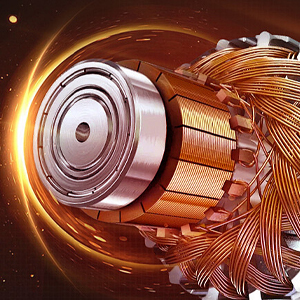
OE Professional Standards
Brand new starters manufactured under the guidelines of OE specifications and ISO Quality Standards by the professional OEM manufacturer, 100% computerized load and power testing for reliability, durability and performance.Maximum output and optimal performance assured.
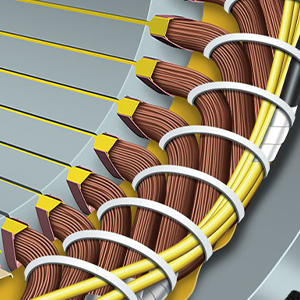
100% Pure Copper Windings
Using high-quality magnetic materials and 100% pure copper windings. They possess excellent conductivity and magnetic properties, ensuring efficient energy conversion and long-lasting durability.

Easy to Install
Designed by the manufacturer's in-house engineering team. Strict tolerance testing. Plug-and-play, direct fit to ensure a perfect match with your model. Quick and easy installation.