


1.We accept multiple payment methods
2.Please do not use the PayPal note field to indicate us to ship to other address. The note there will NOT be read. If you want to change the shipping address, please contact us by eBay messages.
3.(if you want cancel orders or change address pls contact us within 6 hours after payment,or we are not responsible for shipping a replacement.)
4.Payment must be received within 10 days as auction ended or order might be delayed.
1. Orders processed within 24 hours of payment verification.(if you want cancel orders or change address pls contact us within 6 hours after payment,or we are not responsible for shipping a replacement.)
2. We only ship to confirmed PAYPAL addresses. Your PAYPAL address must match your Shipping address.
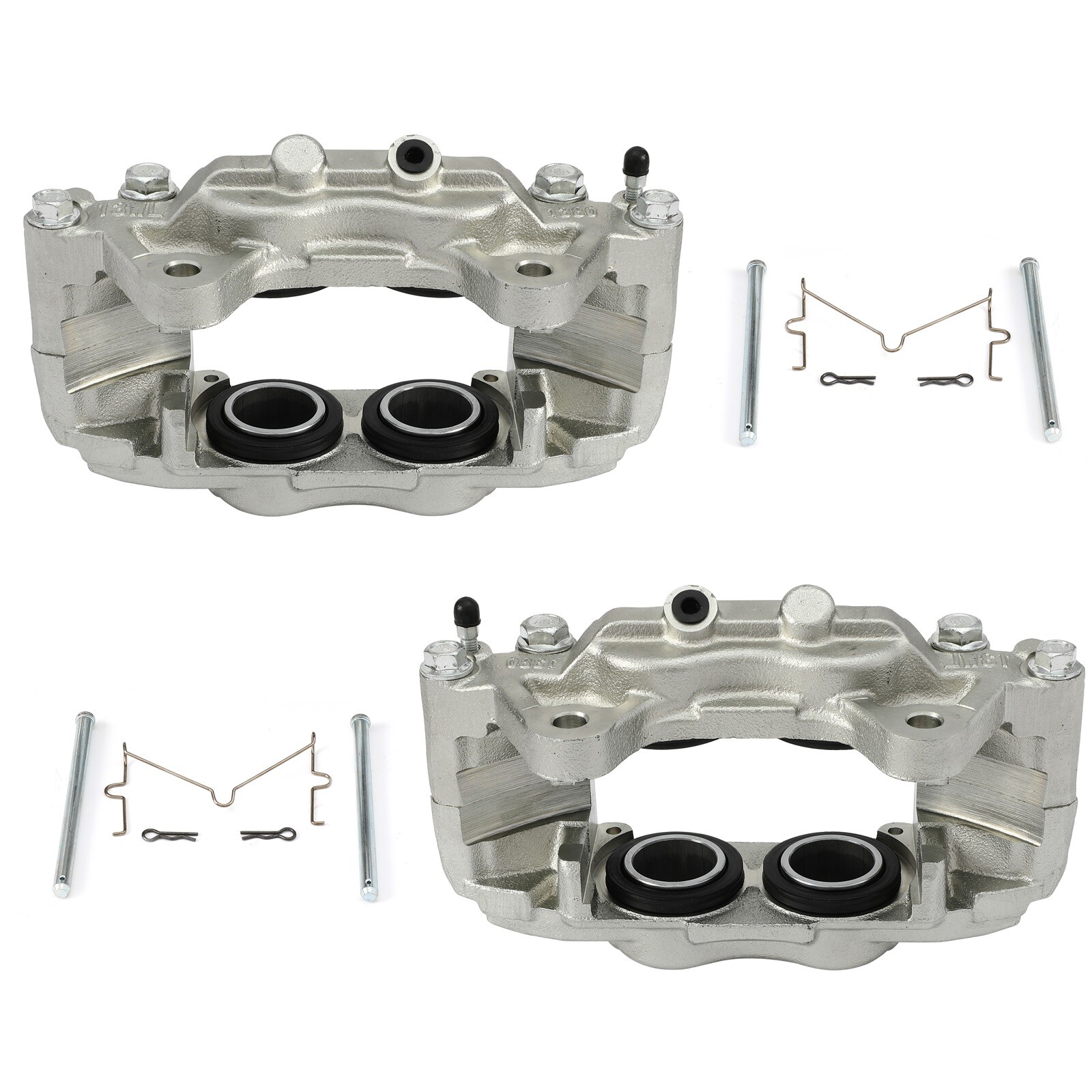
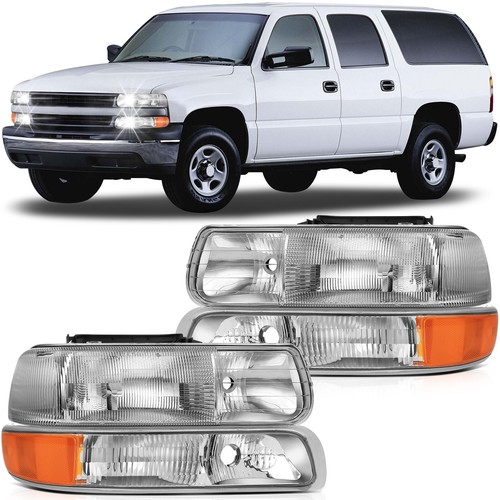
3. The images shown are not the actual item and are for your reference only.
4. Fast shipping:All our packages use USPS First Class Package Service
5. If you have not received your shipment within 15 days from payment , please contact us. We will track the shipment and get back to you as soon as possible with a reply. Our goal is customer satisfaction!
We stand behind every product we sell.
All of our brand new items come with a 30-Day money-back or exchange guarantee.
1. We maintain high standards of excellence (five stars review)and strive for 100% customer satisfaction! FEEDBACK IS VERY IMPORTANT TO US. We request that you contact us immediately BEFORE you give us neutral or negative feedback, so that we can satisfactorily address your concerns.
2. It is impossible to address issues if we do not know about them!
1. 12 months Manufacturer's Warranty for defective items (excluding items damaged and/or misused after receipt). Accessories come with a 3-month warranty.
2. Defective items must be reported and returned to us within the warranty period (and in the original packaging, if possible). You must tell us what the defect is and give us your eBay ID. we do not repair or replace items with an expired warranty.
You agree to all of the above-listed policies upon bidding on and winning this auction!