
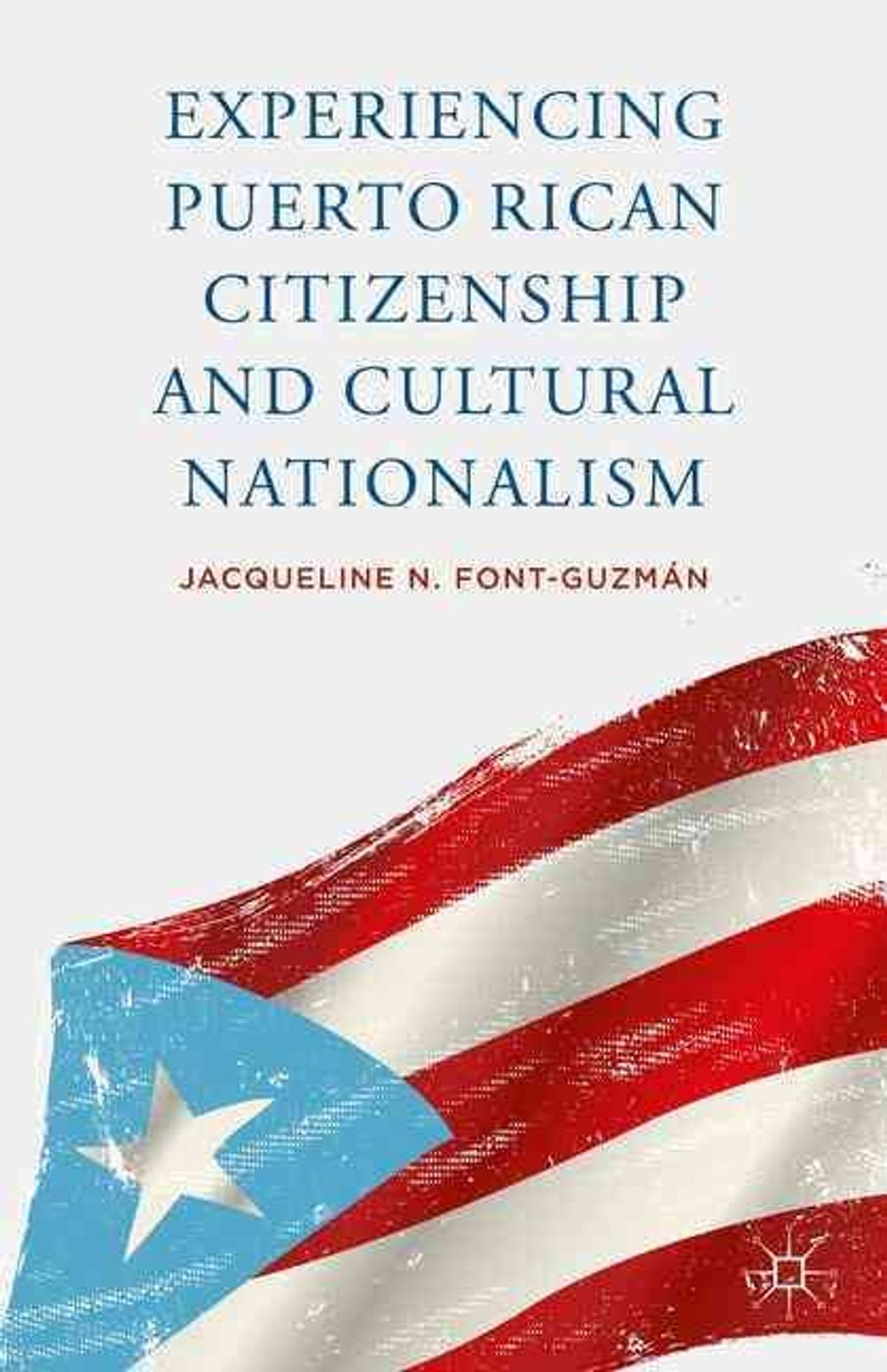
Experiencing Puerto Rican Citizenship and Cultural Nationalism
by J. Font-Guzmán
Drawing from in-depth interviews with a group of Puerto Ricans who requested a certificate of Puerto Rican citizenship, legal and historical documents, and official reports not publicly accessible, Jacqueline Font-Guzman shares how some Puerto Ricans construct and experience their citizenship and national identity at the margins of the US nation.
Hardcover
English
Brand New
Publisher Description
Drawing from in-depth interviews with a group of Puerto Ricans who requested a certificate of Puerto Rican citizenship, legal and historical documents, and official reports not publicly accessible, Jacqueline Font-Guzmán shares how some Puerto Ricans construct and experience their citizenship and national identity at the margins of the US nation.
Winner of the 2015 Juridical Book of the Year in the category of 'Essay Promoting Critical Thinking and Analysis of Juridical and Social Issues.'
Table of Contents
1. Introduction to the Subjective Experience of Citizenship and National Identity 2. A Socio-legal History of Puerto Rico: An Account of Repression, Limited Democratic Participation, and Partial Rewards 3. The Power of not Wanting: Renouncing U.S. Citizenship 4. Puerto Rican Citizenship and Construction of Counter-Narratives: Ramírez de Ferrer v. Mari Brás 144 D.P.R. 141, 1997 5. Experiencing Puertorriqueñidad Through Citizenship 6. The Performativity of Puertorriqueñidad and Citizenship 7. Final Comments
Long Description
Puerto Ricans experience their citizenship and cultural nationalism within the context of an unincorporated territory in which they have limited participation in the legal framework devised to govern them. Drawing from in-depth interviews with a group of Puerto Ricans who requested a certificate of Puerto Rican citizenship, legal and historical documents, and official reports not publicly accessible, Jacqueline N. Font-Guzm
Details
