MEHR ARTIKEL ANZEIGEN
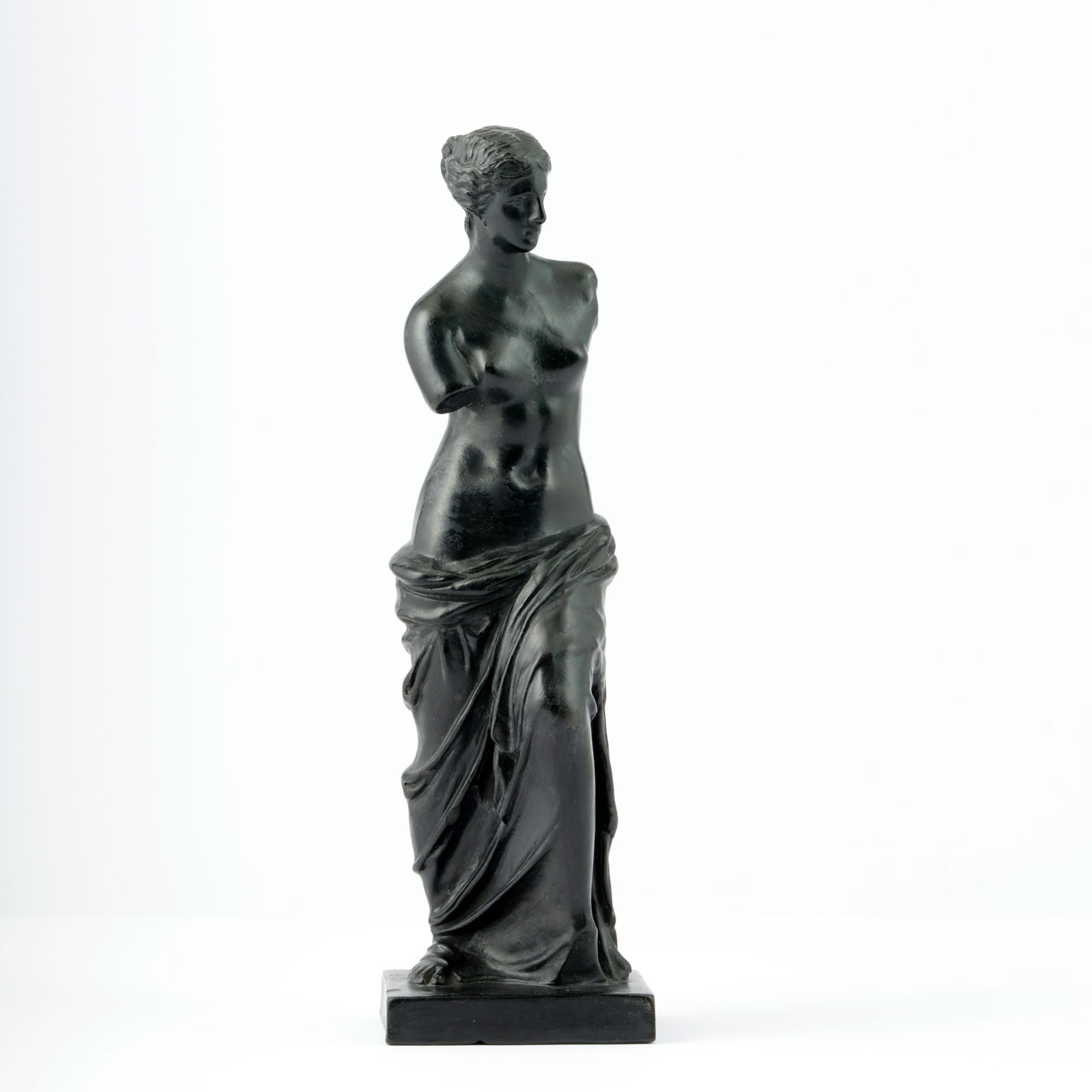
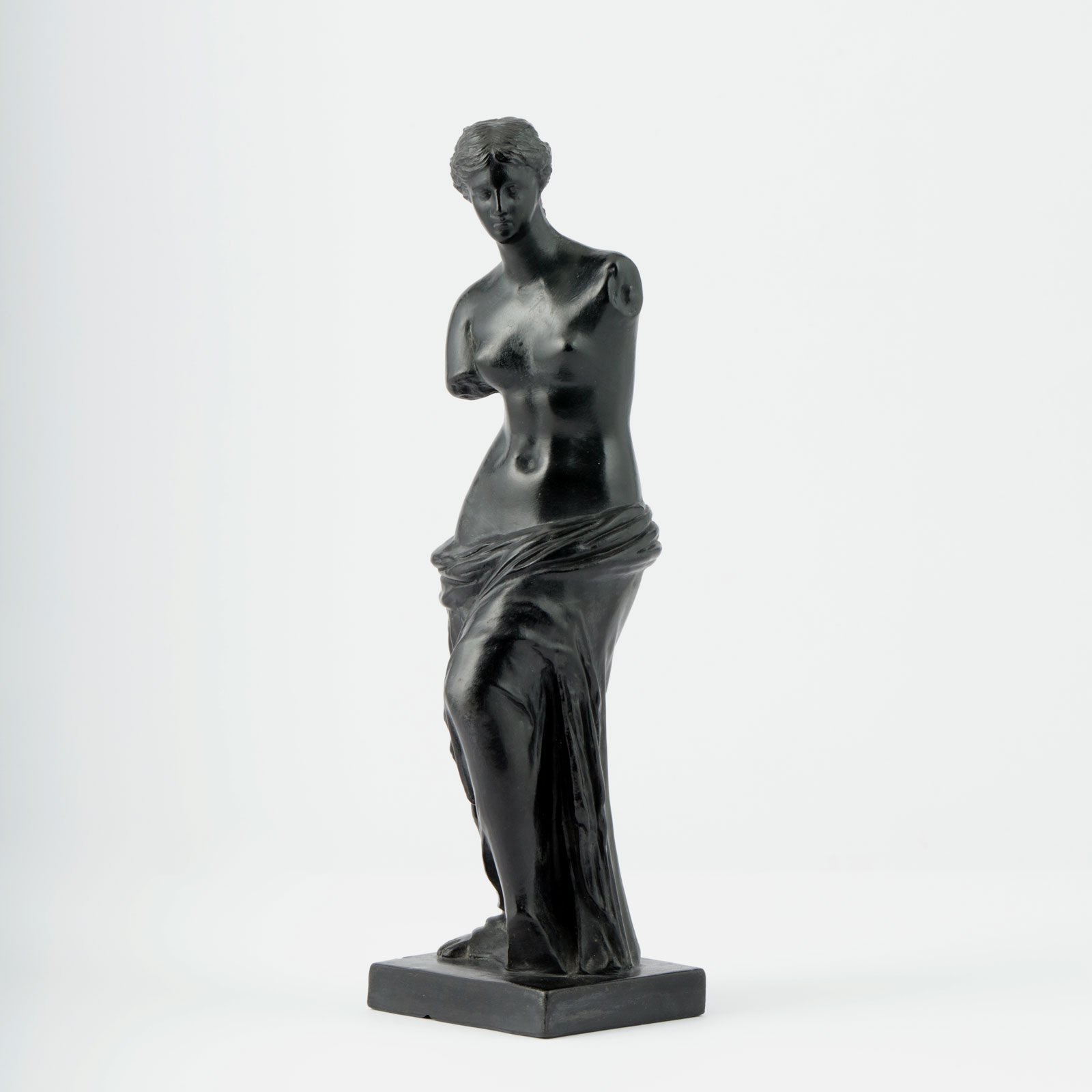
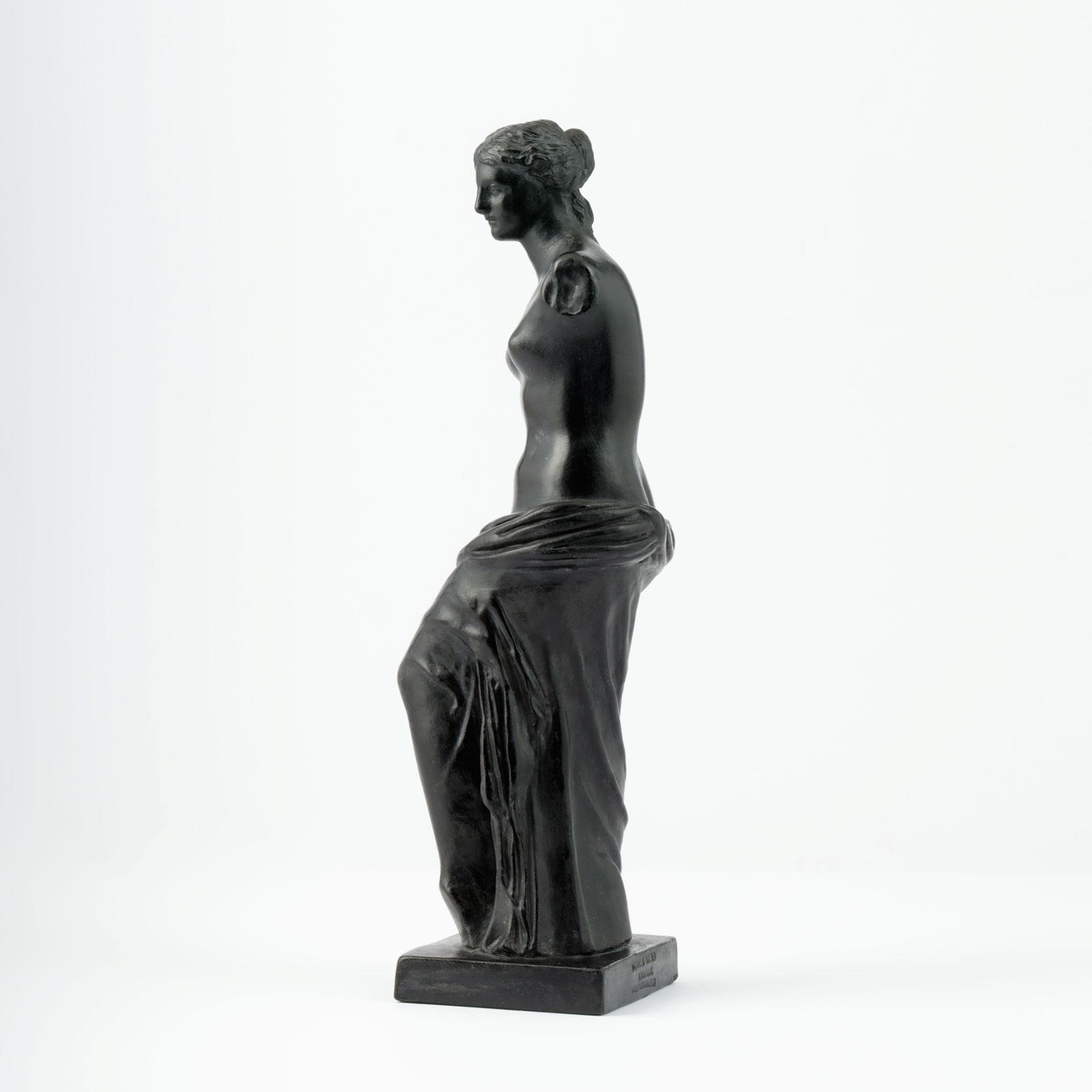
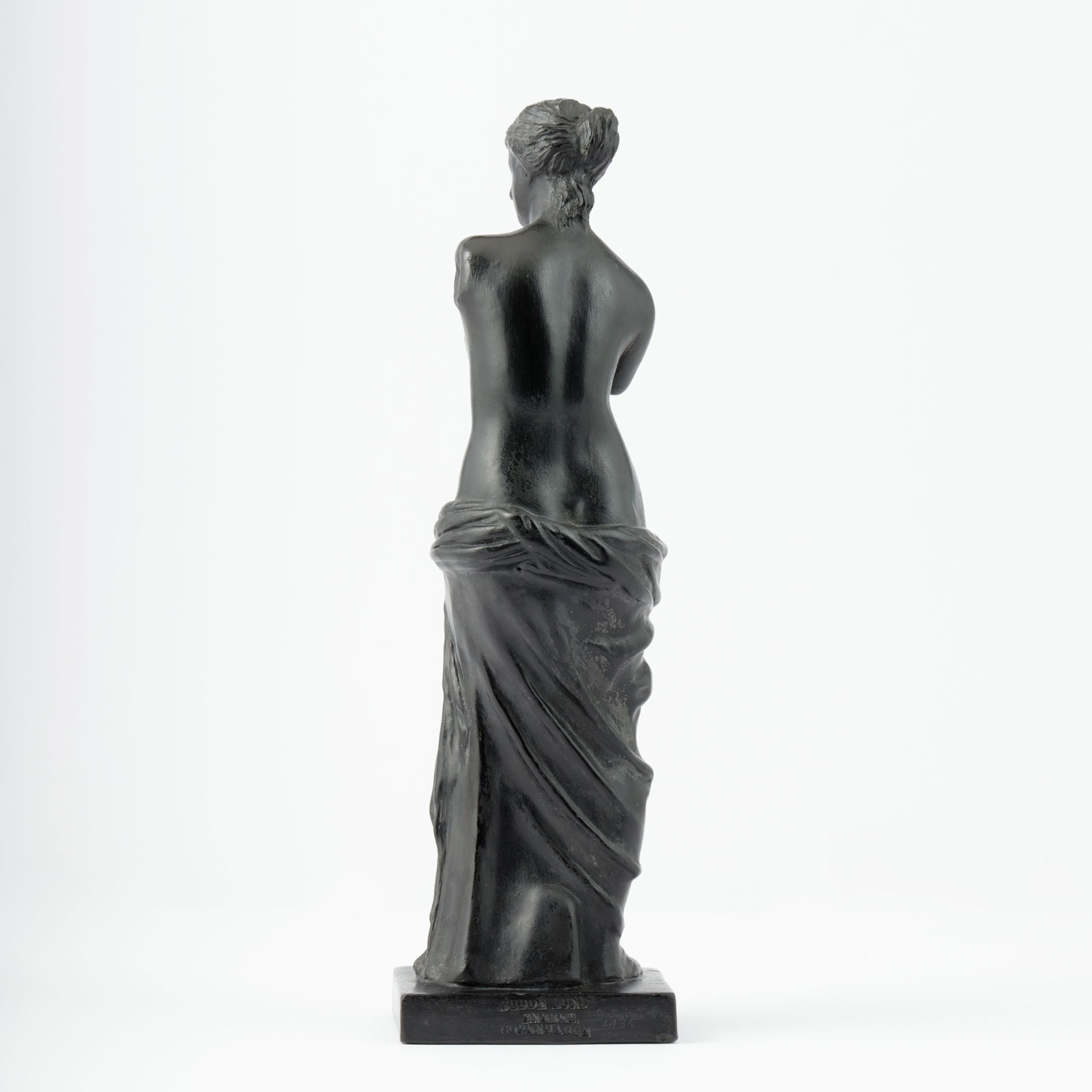
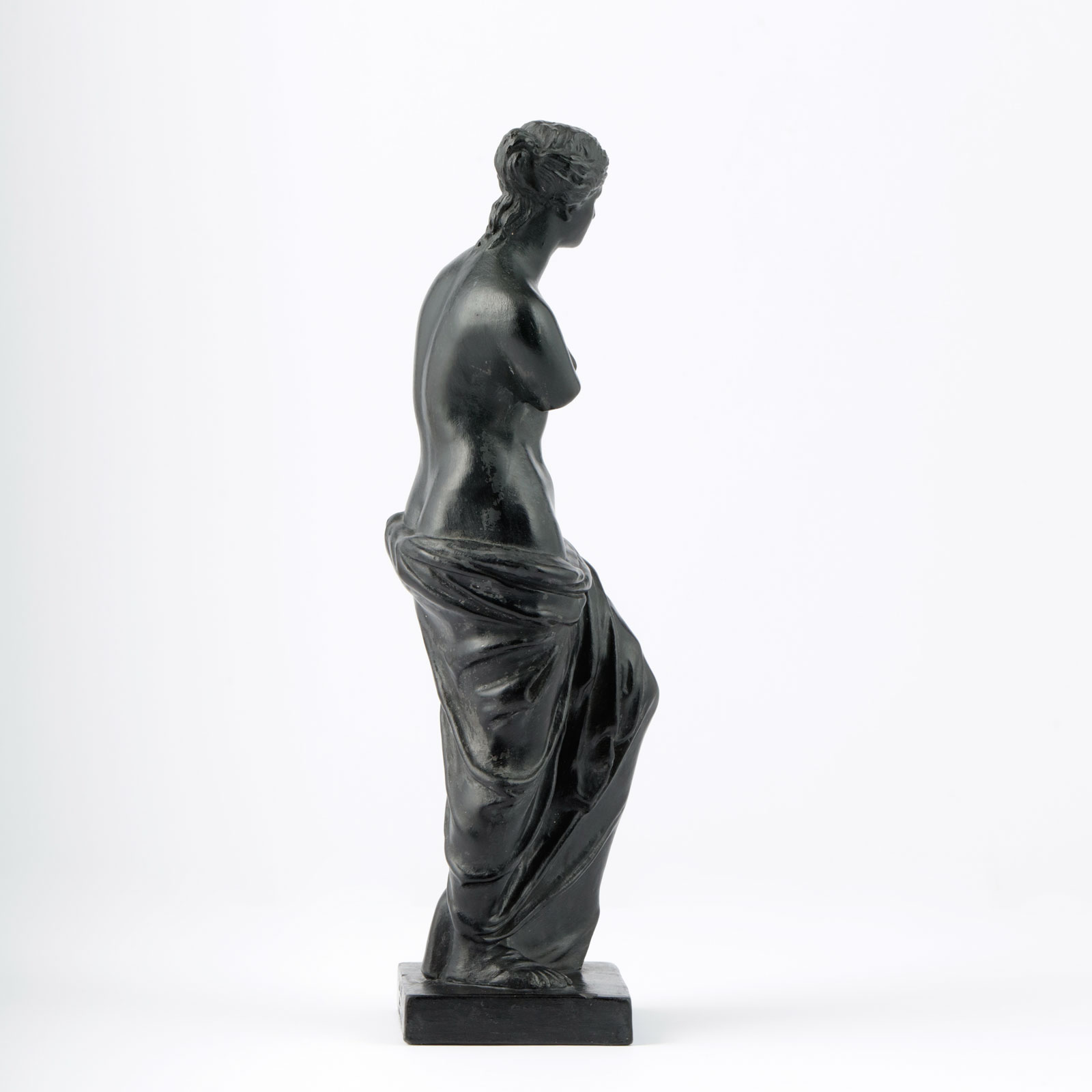
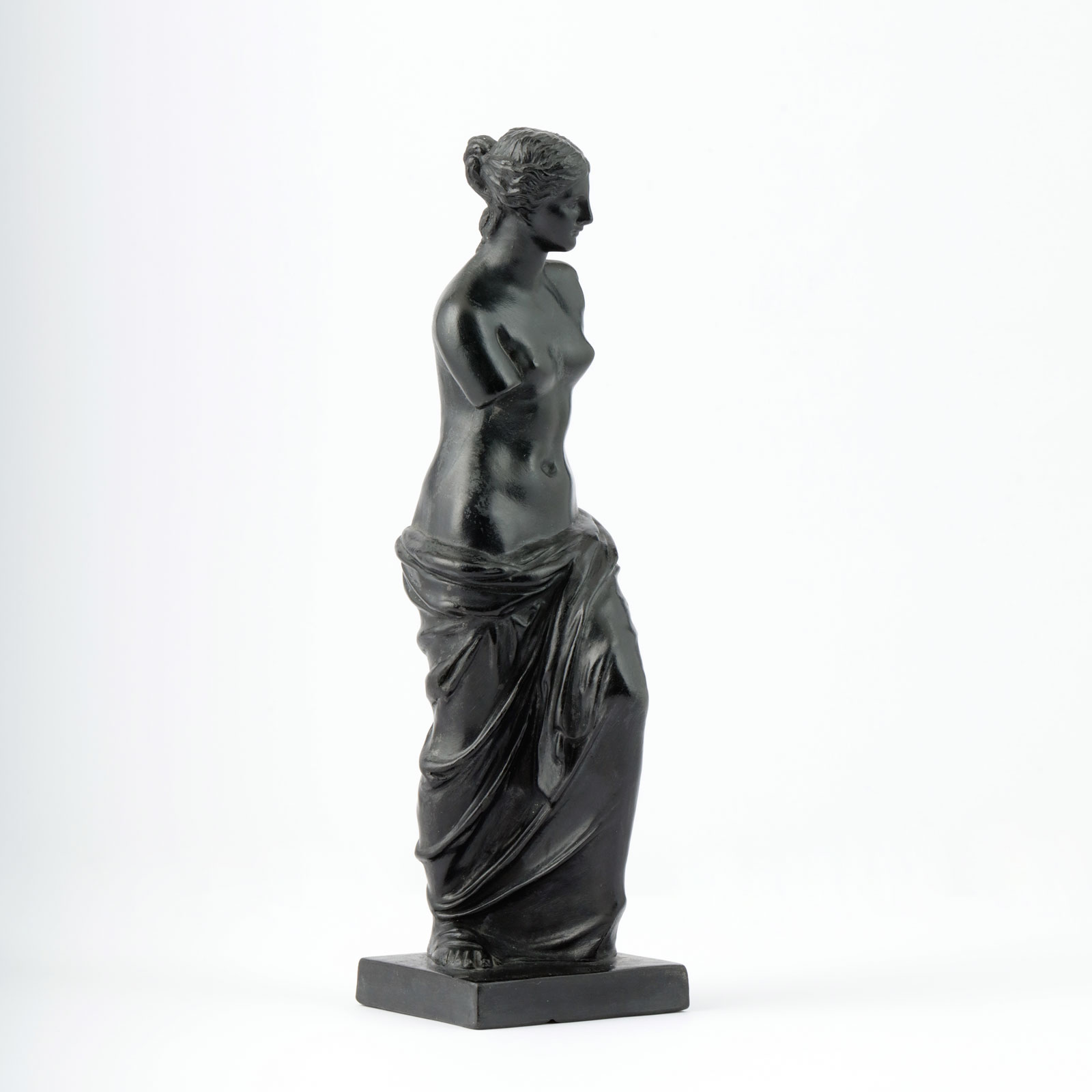
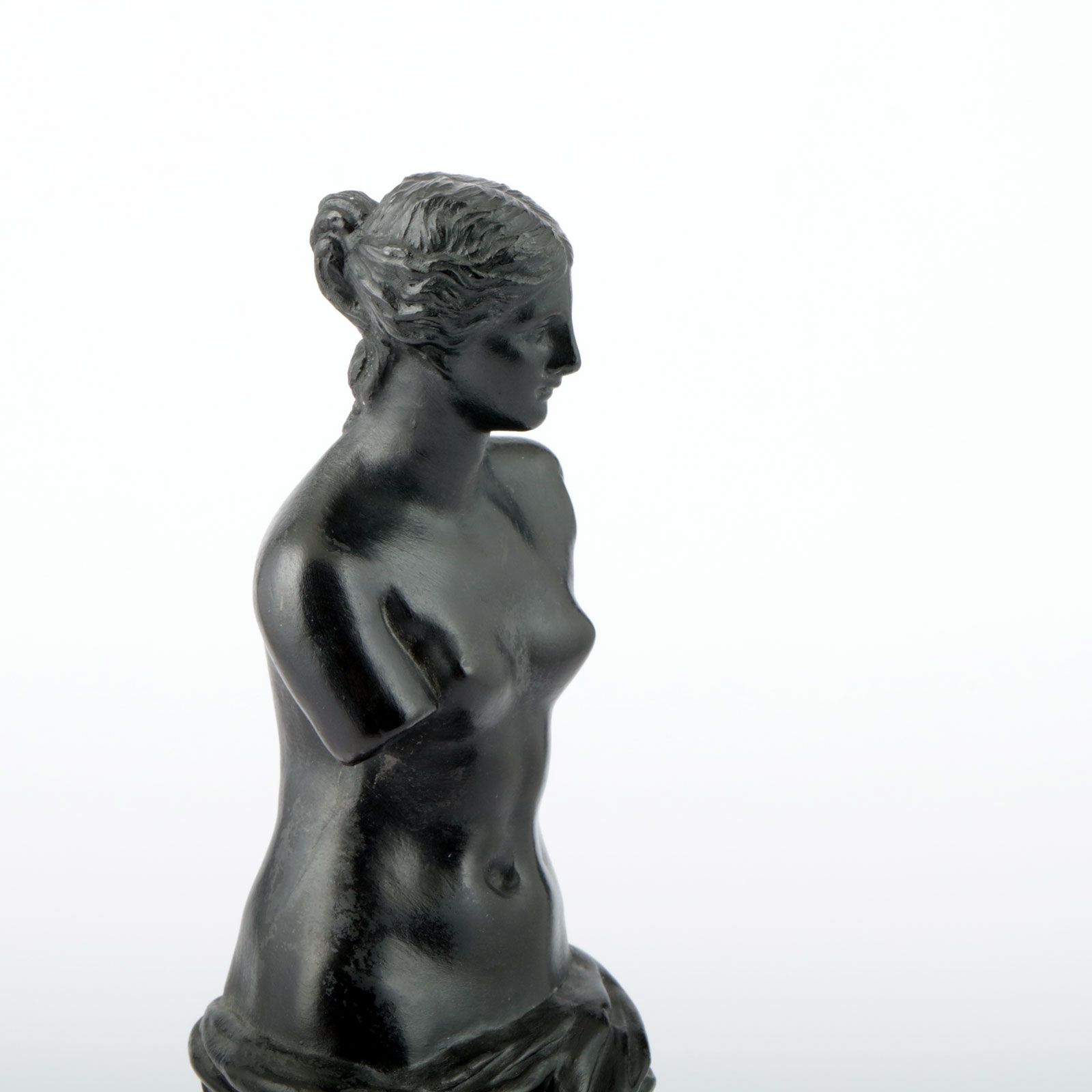
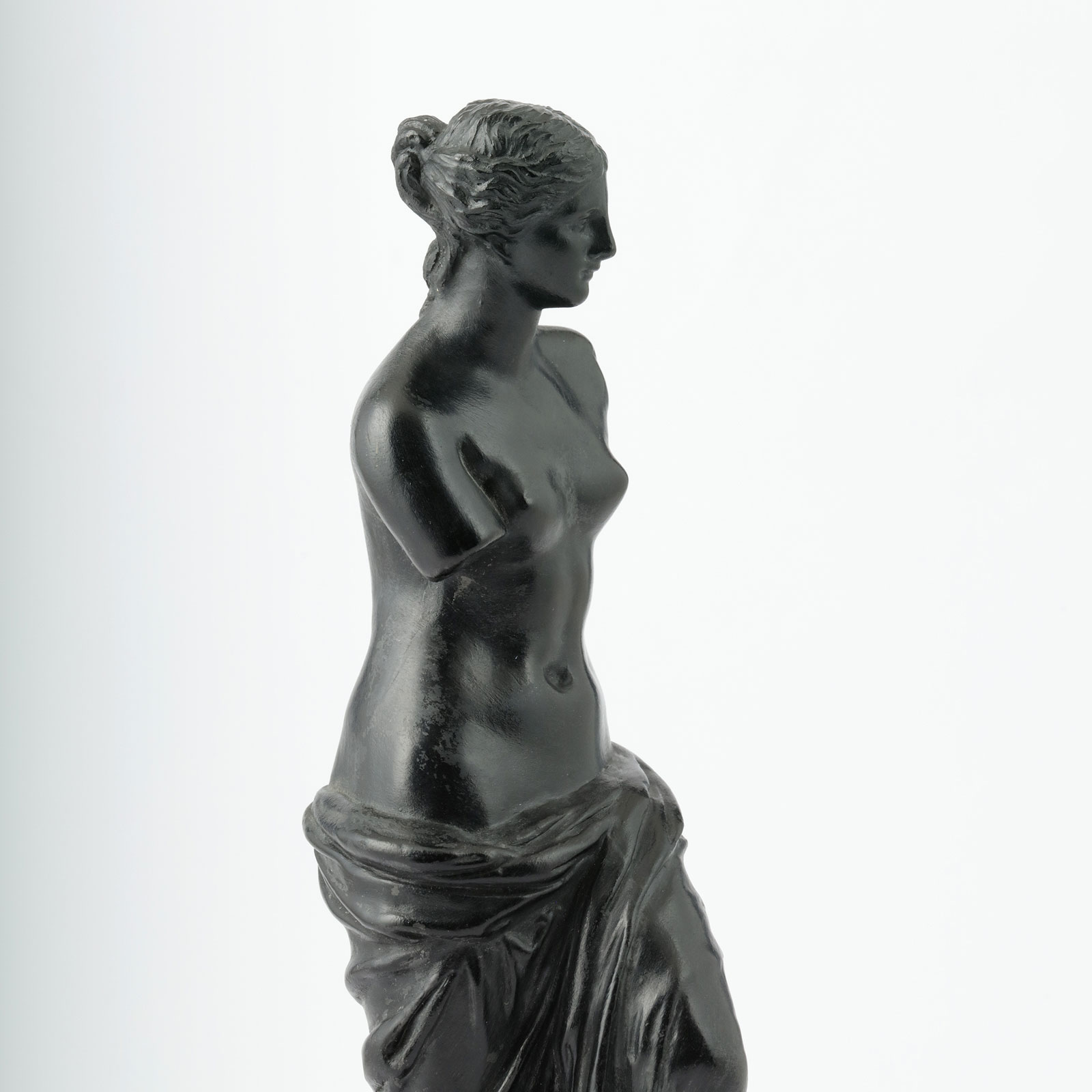
Miniatur der Venus von Milo
nach der Antike, Carl Budde-Lund, Dänemark, um 1880/1890
Die Venus von Milo ist wohl die berühmteste Darstellung der Göttin der Sinnlichkeit, Liebe und Schönheit. In der griechischen Antike hatte sie als eine der zwölf Hauptgötter einen festen Sitz auf dem Olymp.
Das lebensgroße Original aus Marmor wurde 1820 durch Zufall auf der griechischen Kykladeninsel Milos entdeckt. Umgehend galt sie als Höhepunkt und Meisterwerk der hellenistischen Kunst und kann heute im Pariser Louvre bewundert werden.
Die Ausführung als kleine Statuette wurde von der dänischen Manufaktur Carl Budde-Lund Ende des 19. Jahrhunderts sehr fein gefertigt. Die Proportionen und auch die feinen Ausarbeitungen der Details entsprechen exakt dem Original.
Der dänische Bildhauer Hans Christian Brix (1831-1879) studierte bei Hermann Wilhelm Bissen. Neben seiner künstlerischen Arbeit entwickelte er ein Verfahren, mit der kleinformatige Skulpturen reproduziert werden konnten. So gelang es Manufakturen wie Budde-Lund, die berühmten antiken Skulpturen auch als Miniatur-Variante herzustellen.
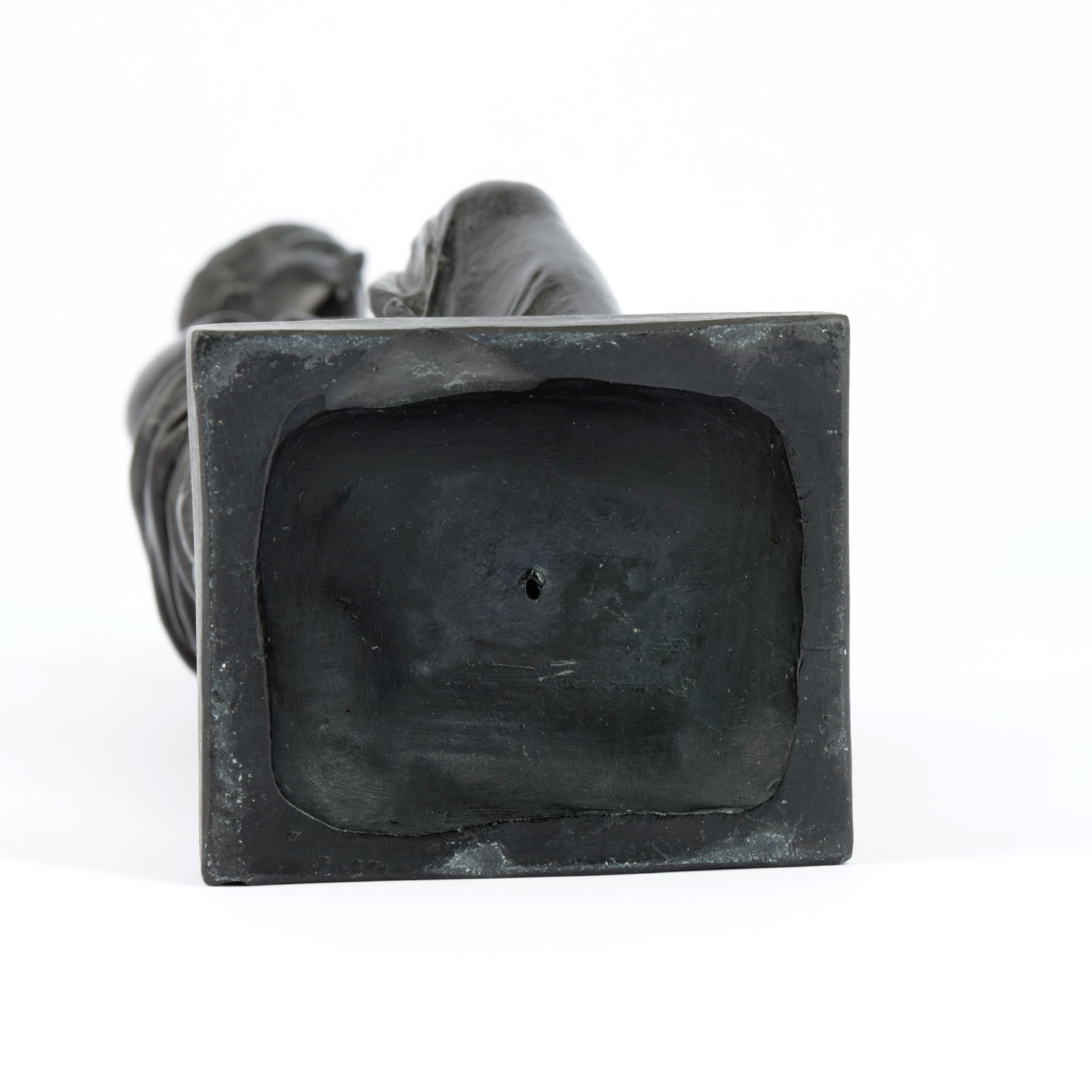
In Anbetracht des Alters sehr schöner Zustand. Lediglich zwei sehr kleine Chips – einen auf dem Sockel und leicht darüber ein weiterer.
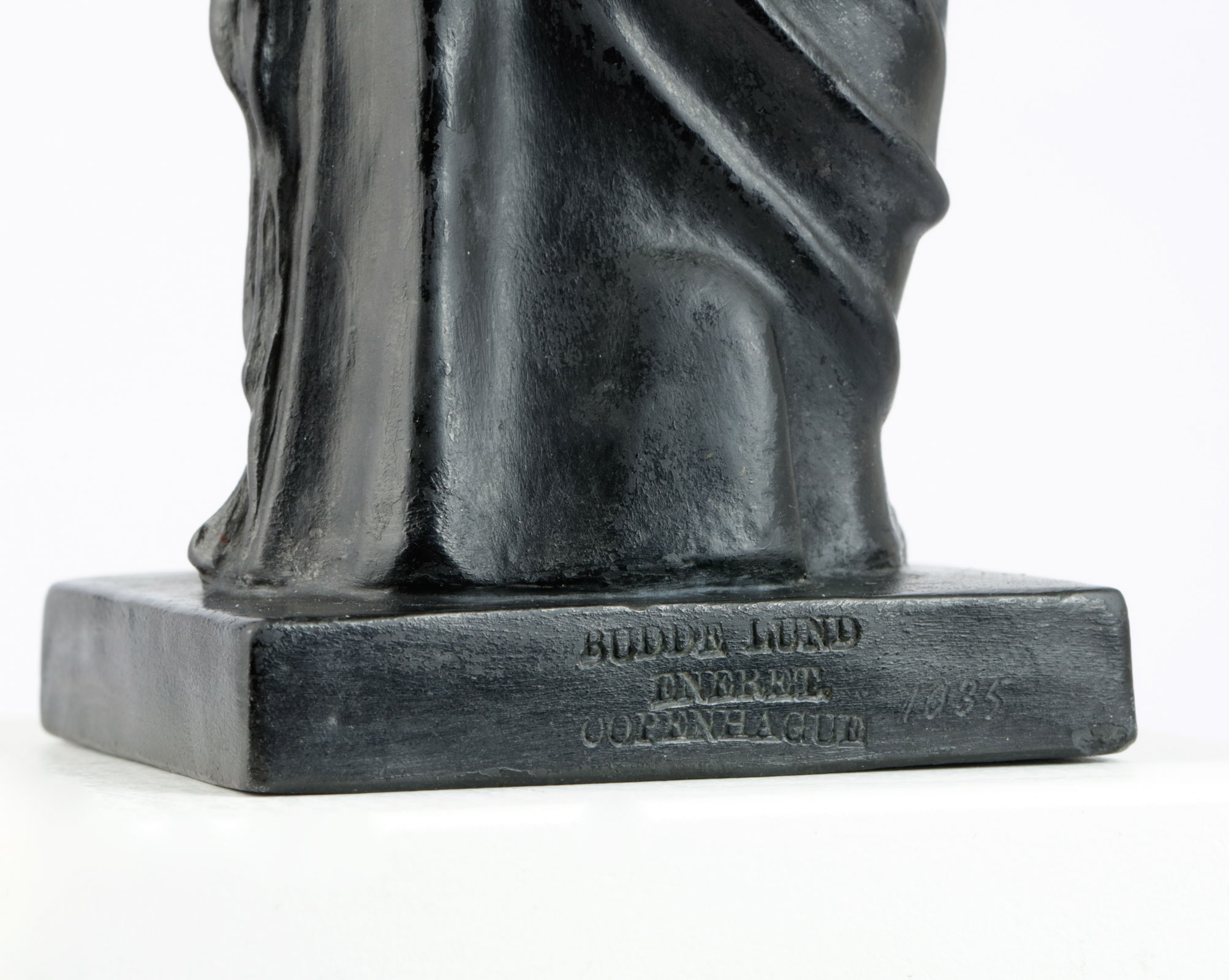
Gips, gewachst und poliert. Mit Pressmarke „BUDDE LUNDE ENERET COPENHAGUE“
Höhe: 22,5 cm Gewicht: 0,37 kg
Miniature of the Venus de Milo
after the ancient original, Carl Budde-Lund, Denmark, ca. 1880/1890
The Venus de Milo is arguably the most famous depiction of the goddess of sensuality, love, and beauty. In ancient Greece, she held a permanent place on Mount Olympus as one of the twelve principal gods.
The life-size original marble statue was discovered by chance in 1820 on the Greek Cycladic island of Milos. It was immediately regarded as the pinnacle and masterpiece of Hellenistic art and can be admired today at the Louvre in Paris.
This small statuette was exquisitely crafted by the Danish manufacturer Carl Budde-Lund in the late 19th century. The proportions and the fine detailing correspond exactly to the original.
The Danish sculptor Hans Christian Brix (1831–1879) studied under Hermann Wilhelm Bissen. In addition to his artistic work, he developed a process for reproducing small-scale sculptures. This enabled manufacturers such as Budde-Lund to produce miniature versions of famous ancient sculptures.
In very good condition considering its age. Only two very small chips—one on the base and another slightly above it.
Plaster, waxed and polished. With the stamp “BUDDE LUNDE ENERET COPENHAGUE”
Height: 22.5 cm Weight: 0.37 kg
| Hersteller: | Manufaktur Budde-Lund Kopenhagen |
| Material: | Gips, gewachst und poliert |
| Größe: | 22,5 cm |
| Gewicht: | 0,37 kg |
| Stempel: | Budde Lund |
| Alter: | 1880/1890 |
| Zustand: | original, sehr gut |
| Land: | Dänemark |
I enjoy beautiful things and it is my greatest pleasure to find them, to lure them into their stories, to spend time with them and then set them free again. Add to that a passionate interest in exceptional and high crafted objects. You surely know the exciting feeling when you see or experience something special, when the heart bounces in excitement and the joy inside it spreads. That's what I wanted more in my life and that's how this shop came about. The foundation stone was a study of literature and art history as well as cultural communication. Curiosity, thirst for knowledge and a lot of collaboration with amazing personalities in the art and design world are how I got myself to where I am today. Through antiquities, history becomes tangible in the literal sense, one can perceive it sensually. They calmly defy the constant change of fashions and the taste of the times. They are like a bridge between past and present. For me personally they are an inexhaustible source of inspiration. Some objects give up puzzles, lock themselves up; others quite frankly reveal their past. They radiate joie de vivre, astonish or enchant us; make a collector's heart beat faster or become good friends and a meaningful place in your lives. They may be bulky or controversial, but they are never boring. I believe the stories, the hands, and the tradition behind the objects are equally as important as their aesthetic qualities. Antique objects can adds so much value to your life, and I personally cannot imagine a home without it. Each piece in my shop has been thoughtfully and personally chosen. What unites them is their craftsmanship, care and attention to detail. Enjoy them.